
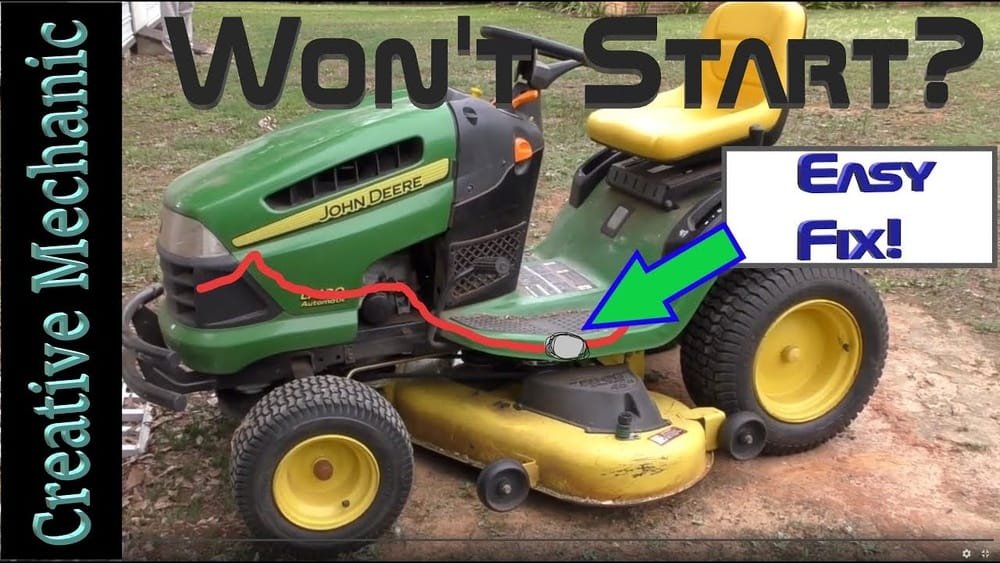
For years, I’ve relied on my John Deere lawn mower to keep my yard looking neat. But one sunny Saturday, I was ready to mow, pulled the starter cord—and nothing happened. I remember the frustration. I checked everything I could think of, but it just wouldn’t start. If you’re reading this, you’re probably in the same boat. Let me walk you through what I learned from that long afternoon and the research I did after. I’ll share the most common reasons a John Deere mower won’t start, how I fixed mine, and tips that might save you hours of stress.
How A John Deere Lawn Mower Works
Before diving into problems, it helps to know the basics. Most John Deere mowers use a small gasoline engine. You need three things for the engine to run: fuel, spark, and air. If one of these is missing, your mower won’t start. For riding mowers, you’ll also need a working battery. This sounds simple, but each part has a few things that can go wrong.
Most Common Reasons A John Deere Lawn Mower Won’t Start
After my experience, I realized there are a handful of places where things usually go wrong. I’ll break them down, share what I did, and give you some extra tips for each.
1. Empty Or Old Fuel
I know it sounds obvious, but sometimes we overlook the simple stuff. I once left gas in my mower over winter. When I tried to start it months later, it sputtered and died. Old gasoline can lose its power and even gum up the engine.
What I did:
I drained the old fuel and added fresh gas. I also used a fuel stabilizer the next time I stored it for a long period.
Tip:
If the gas smells sour or looks dark, replace it.
2. Dead Or Weak Battery
For riding mowers, a dead battery is a top culprit. When I turned the key and heard only a click, I knew something was up. Batteries lose strength over time, especially in cold or unused periods.
What I did:
I tested the battery with a simple meter. It showed less than 12 volts. I charged it fully, and it started. Later, I replaced the battery since it kept losing charge.
Extra Insight:
Corroded battery terminals can also block power. Cleaning them with a wire brush helped me once when I thought the battery was dead.
3. Dirty Or Clogged Air Filter
Your mower’s engine needs clean air. One spring, I found a nest of grass and dirt in my air filter. If the filter is clogged, the engine can’t breathe.
What I did:
I removed the filter and tapped it gently. A cloud of dust came out. I replaced it with a new one, and the engine ran smoother.
Tip:
Check your air filter every few months. It’s cheap and easy.
4. Faulty Spark Plug
Without a strong spark, there’s no ignition. I once pulled out my spark plug and saw it was black and oily. That’s a bad sign.
What I did:
I cleaned the plug with a wire brush. Still no luck, so I replaced it. The mower fired up on the first try.
Hidden Issue:
Sometimes, the spark plug boot (the rubber part that snaps on) can come loose. Pushing it back on fixed the problem for me once.
5. Blocked Fuel Filter
If gas can’t reach the engine, the mower won’t run. I learned this after changing the filter for the first time and seeing it full of dirt.
What I did:
I replaced the fuel filter. Be ready for a bit of spilled gas.
Tip:
A clogged filter can also cause the mower to stall after starting.
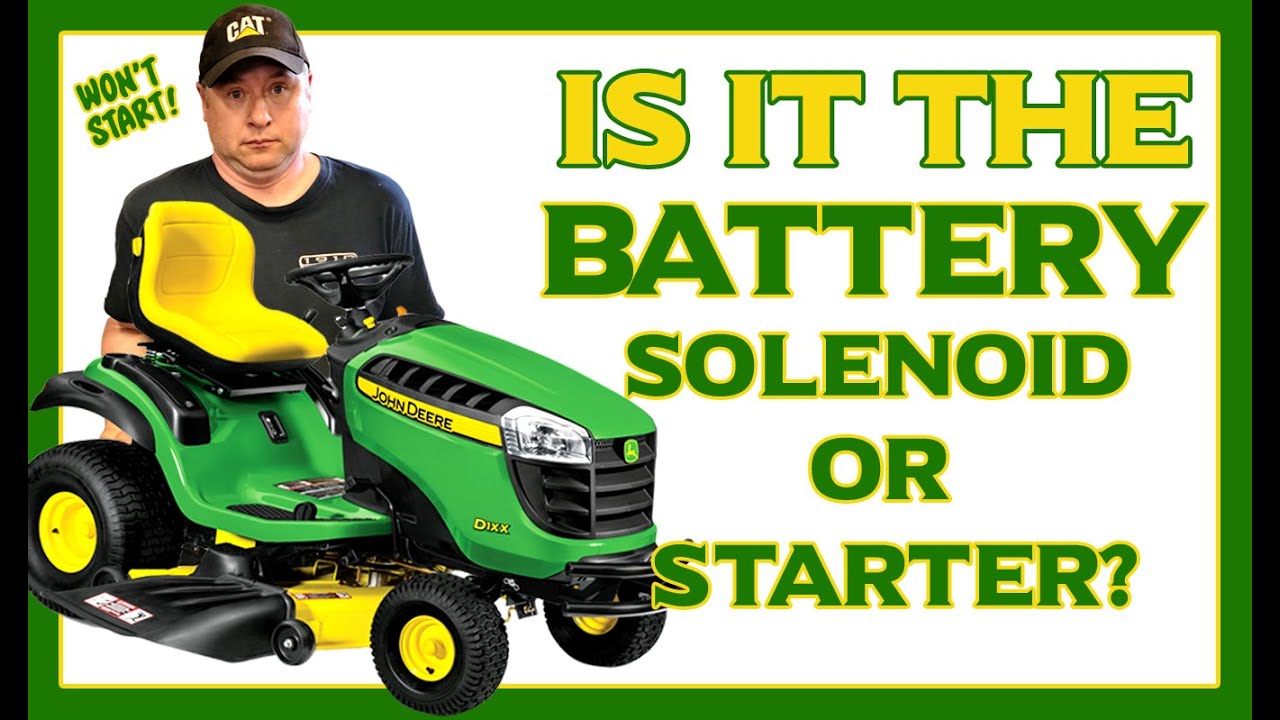
6. Bad Starter Solenoid
On my riding mower, I once turned the key and heard a clicking sound. No cranking, just clicks. That usually means a bad starter solenoid.
What I did:
I tested the solenoid by bridging its terminals with a screwdriver (be careful—there might be sparks). The engine cranked, so I replaced the solenoid.
Helpful Table:
Here’s how I found out if the battery or solenoid was the problem:
| Symptom | Likely Issue | What to Check |
|---|---|---|
| No sound at all | Battery | Test voltage, check cables |
| Single click | Starter Solenoid | Test solenoid, replace if needed |
| Multiple rapid clicks | Weak Battery | Charge or replace battery |
7. Safety Switch Problems
John Deere puts safety switches all over their mowers. There’s one under the seat, one on the brake, and sometimes one on the blade lever. If any of these fail, the engine won’t start.
What I did:
One day, my mower wouldn’t even turn over. I wiggled on the seat, and it started. The seat switch was loose. I pressed it down, and the problem went away.
Extra Tip:
If you have kids or pets, these switches are there for safety—don’t bypass them unless you know what you’re doing.
8. Choke Or Throttle Not Set Correctly
I’ve forgotten to set the choke more times than I’d like to admit, especially on cold mornings. Without the choke, a cold engine won’t start. Too much choke when it’s hot can flood the engine.
What I did:
I set the choke, started the engine, and then eased it off as soon as it fired up.
9. Carburetor Issues
Carburetors mix fuel and air. If they’re dirty or blocked, nothing works. I once opened mine and found old, sticky fuel inside.
What I did:
I cleaned out the carburetor with carb cleaner. Sometimes, you need to take it apart and soak it.
Hidden Problem:
Even if the mower starts, a dirty carburetor can make it run rough or die after a few minutes.
10. Ignition Switch Failure
If you turn the key and nothing happens, the ignition switch could be the issue. I had to replace mine after years of use.
What I did:
I tested the switch with a meter. No continuity. A new switch fixed it right away.
11. Blown Fuse
A blown fuse can stop a riding mower from starting. I found this out when nothing happened, but the battery was fine.
What I did:
I checked the fuse near the battery. It was black inside. I replaced it, and the mower started.
Pro Tip:
Keep a few spare fuses in your garage. They’re cheap and save time.
12. Oil Level Too Low Or High
Some John Deere mowers have a sensor that won’t let them start if the oil is too low or too high. I once overfilled the oil and the mower refused to start.
What I did:
I checked the oil level and drained some out. Problem solved.
13. Clogged Fuel Line
A clogged fuel line can block gas from reaching the engine. I found this out after seeing bubbles in the line but little gas flow.
What I did:
I disconnected the line and blew it out with compressed air.
14. Faulty Starter Motor
On older mowers, the starter motor can wear out. You might hear a buzzing or grinding sound.
What I did:
I tapped the motor lightly with a hammer (sometimes it works!). When it didn’t, I replaced the starter.
15. Engine Flooded
Too much gas can flood the engine, especially if you prime or choke it too many times. I’ve done this in a rush.
What I did:
I waited 15 minutes for the gas to evaporate. Then, with the choke off, I tried again. It started.
16. Stuck Or Broken Blade
If the blade is stuck (maybe from hitting a rock), the engine won’t turn over.
What I did:
I checked under the deck and found a branch wedged in the blade. Once I removed it, the engine spun freely.
17. Locked Up Engine
This is rare, but if the engine doesn’t turn at all, it might be seized. This can happen if you run out of oil.
What I did:
I tried turning the blade by hand (with the spark plug wire off for safety). If it doesn’t move, it’s probably seized. Sadly, this often means a costly repair.
18. Faulty Pto Switch
On riding mowers, the PTO switch turns the blades on or off. If it fails, the mower may not start because it thinks the blades are engaged.
What I did:
I checked the switch with a meter. A new switch was an easy fix.
19. Dirty Connections
Corrosion or dirt on electrical connections can block power. I’ve seen greenish corrosion on the battery and starter wires.
What I did:
I cleaned all the connections with a wire brush and reconnected them tightly.
20. Mouse Damage
It sounds funny, but mice love warm engines. I once found chewed wires under my mower’s hood.
What I did:
I repaired the wires with connectors and tape. After that, I checked every spring for signs of critters.
Quick Troubleshooting Steps
When my mower wouldn’t start, I found it helpful to follow a simple order. Here’s the basic process I use now:
- Check for fuel (fresh, not old).
- Test the battery (12+ volts).
- Look at the air filter and spark plug.
- Make sure all safety switches are working.
- Listen for any clicking or buzzing.
- Check the fuses and wiring.
- Inspect the carburetor and fuel lines.
This method usually finds the problem fast.
Simple Maintenance Tips To Prevent Starting Problems
After all these headaches, I now do some regular things to avoid trouble:
- Always use fresh gasoline
- Clean or change the air filter every season
- Replace the spark plug once a year
- Disconnect the battery over winter
- Keep the mower clean and dry
- Store it out of the weather
It’s amazing how much these small steps help.

When To Call A Professional
I’ve fixed most issues myself, but sometimes you just need help. If the engine is seized, the wiring is a mess, or you’ve tried everything, it’s smart to call a technician. I once spent hours on a starter problem, only to have a pro fix it in 10 minutes.
Sometimes, experience matters.
Comparing John Deere Mowers: Push Vs. Riding
Over the years, I’ve used both push and riding mowers from John Deere. Here’s how their starting issues usually compare:
| Feature | Push Mower | Riding Mower |
|---|---|---|
| Battery | No battery needed (most models) | Battery often needed |
| Safety Switches | Fewer switches | More complex safety system |
| Common Issues | Fuel, spark, air | Battery, solenoid, switches |
| DIY Friendly | Very easy | Medium to hard |
What Most People Miss When Troubleshooting
Here are two things I learned the hard way:
- Bad ground connections: I once spent hours on the battery, only to find a loose ground wire. Make sure every wire is tight and clean.
- Hidden safety switches: Not all switches are easy to see. One was hidden under my riding mower’s deck. If you’ve checked everything else, look for these.
Where To Find Reliable John Deere Parts And Help
When I need parts or advice, I use the official John Deere website or trusted local dealers. There’s a lot of info on forums, but always double-check advice. For technical manuals, I sometimes visit John Deere’s official site.
Frequently Asked Questions
Why Does My John Deere Mower Click But Not Start?
A single click usually means the starter solenoid is bad or the battery is weak. Test the battery first. If it’s good, check the solenoid.
How Often Should I Replace My Mower’s Spark Plug?
For most John Deere models, replace the spark plug once a season, or every 25-50 hours of use.
Can Bad Gas Cause My Mower Not To Start?
Yes. Old gasoline loses its power and can clog the carburetor. Always use fresh fuel, and drain the tank before long storage.
What Should I Check First If My Mower Won’t Start?
Start with the battery (for riding mowers), then check for fresh fuel, clean air filter, and a good spark plug. These are the most common problems.
Are John Deere Mowers Hard To Fix Yourself?
Many issues are simple, like replacing air filters or spark plugs. If you’re comfortable with tools, you can fix most starting problems. But for engine or electrical issues, a professional might be best.
—
I hope my experience helps you get your John Deere mower running again. Troubleshooting can feel tough, but most issues have a simple fix. With patience and a bit of knowledge, you’ll be back to mowing in no time. If you ever feel stuck, don’t be afraid to ask a pro or check the official resources.
Happy mowing!
As an Amazon Associate, We earn from qualifying purchases