
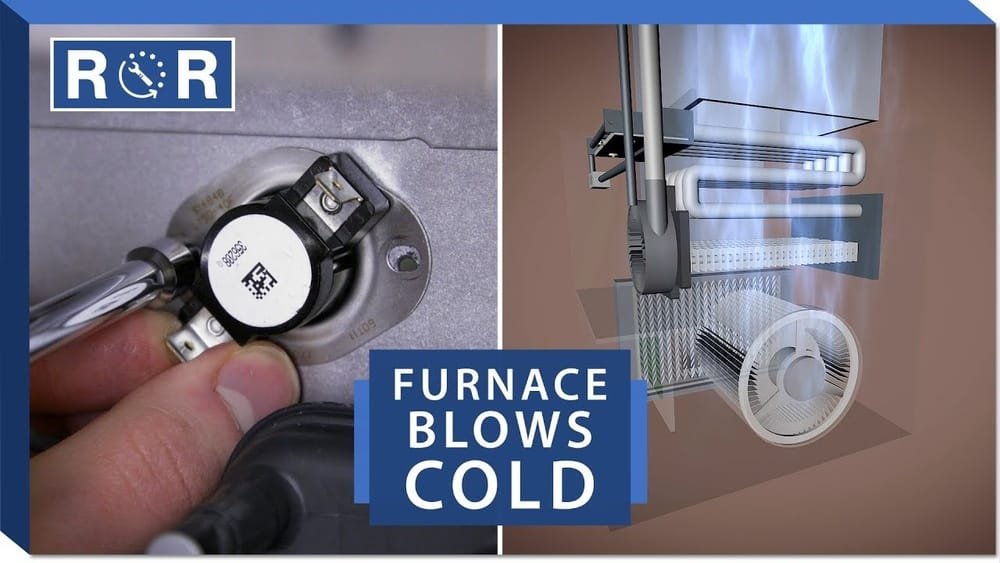
I remember the first time my HVAC system stopped blowing warm air. It was a cold winter night, and I was looking forward to a cozy evening at home. Instead, I found myself wrapped in a blanket, shivering, and searching online for what could be wrong.
If you’ve ever felt that sudden chill and wondered, “Why is my HVAC not blowing warm air? ”—trust me, you’re not alone.
After going through this more than once, I’ve learned a lot about what causes this problem and, more importantly, how to fix it. I want to share everything I know, including the common causes, how to troubleshoot, when to call a pro, and even a few things most people overlook.
If your heater is just pushing out cold air, this guide will help you solve it step by step.
Why Your Hvac Is Not Blowing Warm Air
There’s nothing worse than expecting warm air and getting a cold draft instead. Over the years, I’ve found several reasons why this happens. Some are simple fixes; others need a pro. Let’s look at the most common causes.
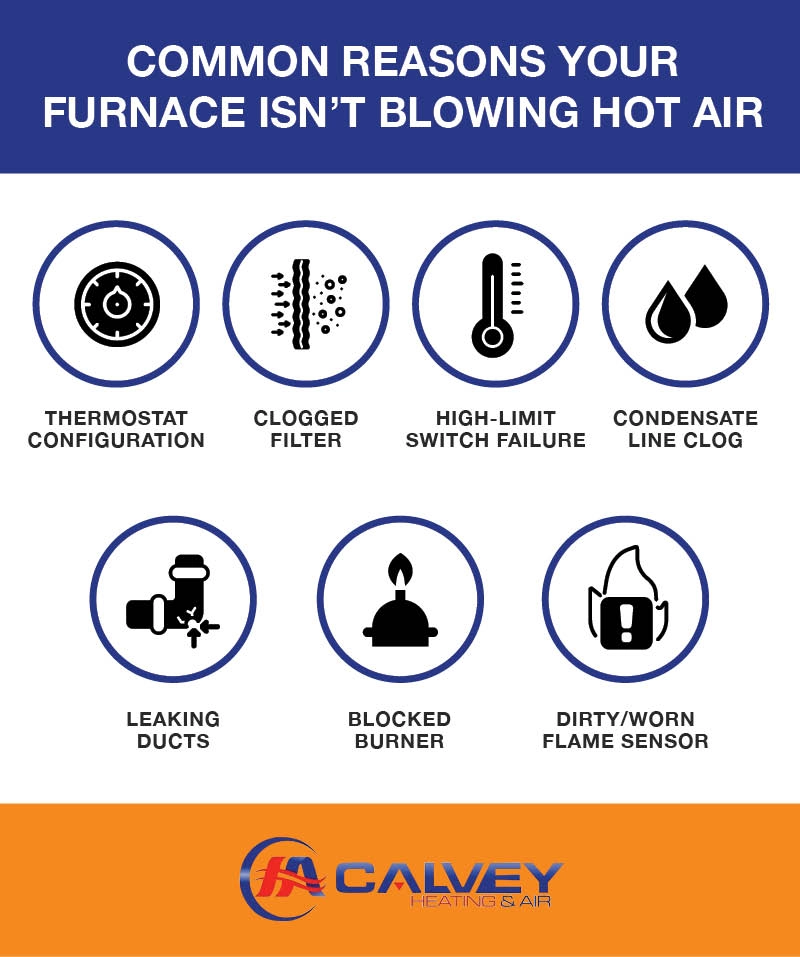
1. Thermostat Issues
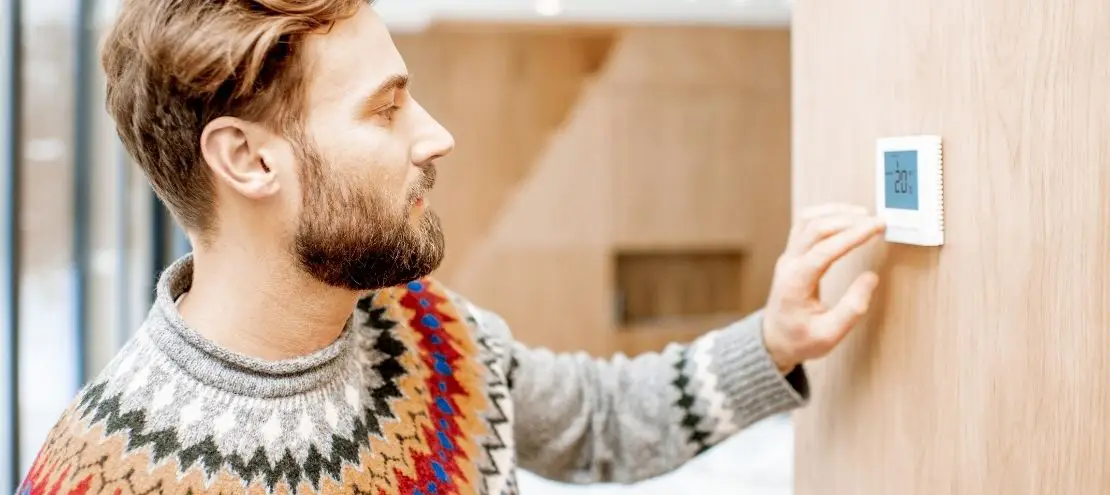
One of the first things I check is the thermostat. Sometimes it’s set to “cool” instead of “heat.” It sounds silly, but it happens—especially if you have kids or guests who might press buttons without telling you.
Even if it’s set to “heat,” the temperature might be too low. For example, if the room is already at 68°F and your thermostat is set to 67°F, the system won’t turn on. Try raising the setting a few degrees.
Pro tip: If you have a programmable thermostat, check the schedule. I once found mine set to “away” mode, which kept the house cold all day.
2. Power Or Fuel Supply Problems
I’ve had my HVAC system refuse to work because of a tripped breaker. If your system uses gas, make sure the gas line is open. Sometimes, after maintenance or cleaning, the gas valve gets turned off by mistake.
If you use oil or propane, check your fuel tank. I once ran out of oil during a cold snap and didn’t realize it until the house felt like a freezer.
3. Dirty Air Filters
You’d be surprised how often a dirty air filter is the problem. When the filter clogs, airflow drops. The system can overheat and shut off the burner as a safety measure. Replacing the filter is easy and cheap, but it can make a big difference.
I try to swap my filters every 2-3 months, but during heavy use, I check them monthly.
4. Pilot Light Or Ignition Problems
Older gas furnaces have a small pilot light that should always be on. If it goes out, you’ll get cold air. Newer systems use electronic ignition, which can also fail.
I’ve had to relight the pilot light a couple of times. If you’re not sure how to do this, check your manual or call a pro. Safety first!
5. Blower Motor Malfunction
The blower motor pushes air through your vents. If it’s not working, the furnace may heat up, but the air never reaches you. Sometimes you’ll hear a humming noise or the system will run but nothing comes out.
A couple years ago, my blower motor died in the middle of January. It cost a bit to fix, but the warm air was worth every penny.
6. Ductwork Leaks Or Blockages
I once found that a family of squirrels had made a nest in my attic ductwork. The result? No warm air in the living room. If your ducts have holes, are disconnected, or blocked, the warm air escapes before it gets to you.
You can check for leaks by feeling around the ducts for drafts or listening for whistling sounds.
7. Clogged Or Closed Vents
Sometimes the fix is as simple as opening a closed vent. Kids or pets can knock vents closed, or furniture might block them. I always walk around and check every vent if I notice uneven heating.
8. Faulty Limit Switch Or Sensors
Your HVAC system uses a limit switch to stop the furnace from overheating. If this switch fails, the system might run the fan but not the heat. I learned this after a frustrating week of cold air and a few hours with a technician.
9. Heat Pump Issues
If you use a heat pump, things are a bit different. Ice can build up on the outdoor unit, or the reversing valve can fail. I once had a heat pump stuck in “cool” mode because of a bad valve.
Heat pumps also lose efficiency in very cold weather. They may need a backup heat source.
10. Incorrect System Size
It sounds strange, but if your HVAC system is too big or too small for your home, you’ll have issues. A system that’s too large will cycle on and off quickly, never really heating the house. Too small, and it runs all day with little result.
I learned this the hard way after renovating my home and not updating my HVAC. It took a professional load calculation to fix the problem.
How I Troubleshoot When My Hvac Won’t Blow Warm Air
Whenever I run into this problem, I follow a simple routine. Here’s what I do:
- Check the thermostat: Make sure it’s on “heat,” set to the right temperature, and powered.
- Inspect the air filter: If it looks dirty, I replace it right away.
- Look at the circuit breaker: If it’s tripped, I reset it and see if the system works.
- Check the vents: I make sure none are closed or blocked.
- Listen for strange sounds: Humming, banging, or whistling can point to a specific issue.
This basic checklist fixes most minor problems. If nothing works, I know it’s time to dig deeper or call a pro.
When To Call A Professional
Some HVAC problems need expert help. Here’s when I always call someone:
- Pilot light won’t stay lit
- Blower motor makes grinding noises
- Burning smells or smoke
- Electrical or gas smells
- Repeated system shutdowns
It’s not worth risking your safety or damaging your system. I’ve learned to trust my gut—if something feels off, get help.
Hidden Issues Most People Miss
Over the years, I’ve noticed a few things that are easy to overlook but can cause your HVAC to blow cold air.
1. Thermostat Location
If your thermostat is near a drafty window or in direct sunlight, it can read the wrong temperature. My old thermostat was right above a heat vent, so it turned off the system before the room warmed up.
2. Inconsistent Maintenance
Skipping annual check-ups is tempting, but it leads to problems. A small investment each year has saved me from big repair bills and cold nights.
3. Dirty Flame Sensor
Gas furnaces use a flame sensor for safety. If it gets dirty, the furnace won’t stay on. Cleaning the sensor is a simple job for a pro, but most people (including me, at first) never think of it.
Comparing Common Fixes: Diy Vs. Professional
Sometimes I fix things myself, sometimes I call for help. Here’s a quick comparison:
| Problem | DIY Fix Possible? | When to Call a Pro |
|---|---|---|
| Dirty air filter | Yes | If airflow does not improve |
| Thermostat settings | Yes | If unresponsive or wiring issues |
| Pilot light out | Maybe | If won’t stay lit |
| Blower motor issue | No | Any unusual noise or no air |
| Duct leaks | Maybe | Major leaks or pest damage |
Preventing Hvac Warm Air Problems
I’ve learned prevention is easier (and cheaper) than fixing problems later. Here’s what I do:
- Change air filters regularly
- Schedule yearly maintenance
- Keep vents open and clean
- Check thermostat batteries every season
- Clear space around the outdoor unit
These simple steps have kept my system running smoothly most winters.
Real-world Example: Before And After
Last winter, my living room never seemed to warm up. I checked the filter—clogged! After swapping it out, warm air came back in minutes. A month later, the same thing happened, but this time, the problem was a closed vent behind the couch.
Tracking these small details has made a big difference. Now, I do a quick check every month, especially before a cold snap.
How Hvac Issues Affect Comfort And Bills
When my system blows cold air, my house feels uncomfortable, and I’m tempted to run space heaters. This not only wastes energy but also drives up my electric bill. According to the U.S. Department of Energy, heating and cooling make up about 55% of home energy use.
By keeping my HVAC in good shape, I stay warm and keep costs down. If you’re curious about energy use, you can check resources like the U.S. Department of Energy.
Quick Reference: Symptoms And Possible Causes
I made this table for myself to diagnose issues faster. Maybe it’ll help you, too.
| Symptom | Possible Cause |
|---|---|
| Blows cold air only | Thermostat, pilot light, dirty filter |
| No air at all | Blower motor, power loss, closed vents |
| Starts warm, turns cold | Overheating, dirty flame sensor |
| Uneven heating | Duct leaks, blocked vents |
| System cycles on/off | Incorrect size, bad thermostat location |
Is It Time To Upgrade My System?
After years of patching old systems, I finally invested in a new HVAC. Modern units are much more efficient. If your system is over 15 years old, breaks often, or your bills keep rising, it might be time for an upgrade.
When I switched, my home was warmer, my bills dropped, and the system was quieter. It was a big investment, but it paid off within a few years.
Frequently Asked Questions
Why Is My Hvac Blowing Cold Air Instead Of Warm?
This usually means there’s a problem with the thermostat, fuel supply, dirty filters, or the pilot light. Start with simple checks like settings and filters before calling for help.
How Often Should I Change My Air Filter?
I change mine every 2-3 months, but if you have pets, allergies, or lots of dust, check it monthly. A clean filter keeps air moving and the system working right.
Can I Fix My Hvac Myself?
Some problems, like dirty filters or wrong thermostat settings, are easy to fix. Anything with gas, electricity, or complex parts should be left to a pro.
What Does It Mean If My Furnace Runs But Doesn’t Blow Warm Air?
This could be a blown blower motor, tripped safety switch, or a dirty flame sensor. If you hear strange noises or smell burning, turn it off and call for service.
How Can I Tell If My Ducts Are Leaking?
If some rooms are cold while others are warm, or you hear whistling, you might have leaks. You can use your hand to feel for drafts around duct joints, but a pro can do a full inspection.
Staying warm in winter isn’t just about comfort—it’s about safety and energy savings, too. With these tips and checks, you’ll be ready the next time your HVAC isn’t blowing warm air. It took me some cold nights to learn all this, but I hope my experience makes your winter a little easier.
As an Amazon Associate, We earn from qualifying purchases