
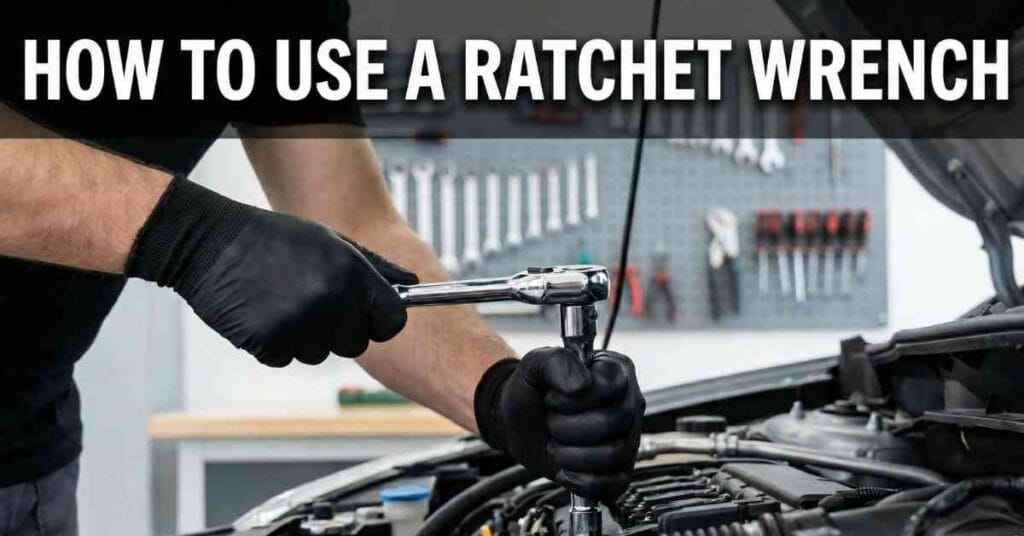
I still recall the first time I tried to fix a mower blade without a real ratchet. I was freezing in my garage, fighting a rusted bolt with a plain wrench, and I felt quite sad.
Then my neighbor handed me a 3/8-inch drive ratchet, and the job took just five minutes. That clicking sound was like a great song to my ears.
If you are looking at a stuck bolt right now, do not worry at all. Learning how to use a ratchet wrench is the best skill you can learn for home projects. Whether you are fixing a car or building a bed, this tool does the hard work for you.
Let me show you just how to hold this tool so you can get back to your weekend.
What Are You Holding?
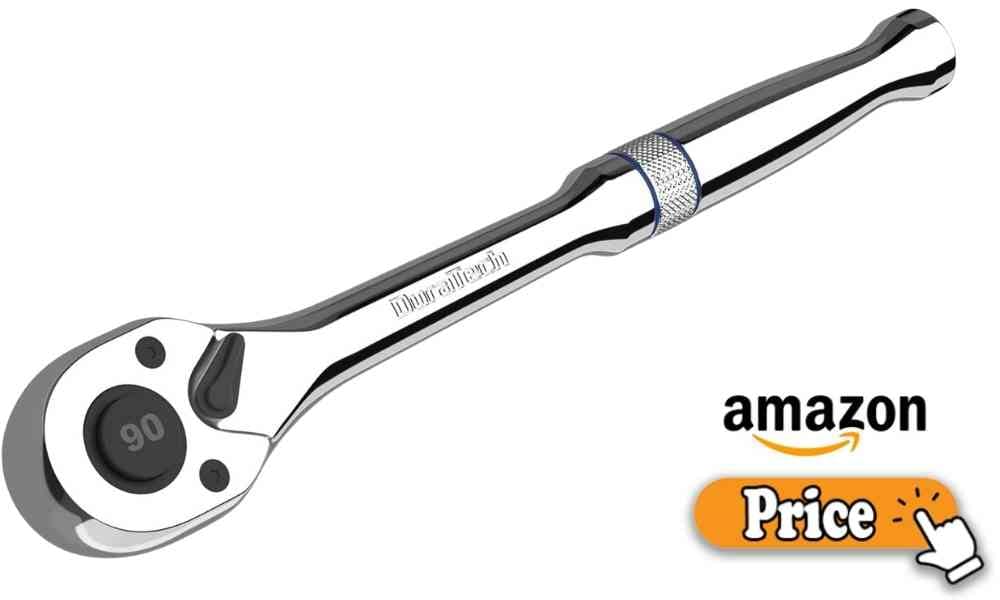
Simple parts make the work much easier. Here is a quick look at the main parts of the tool so you know just what is what.
The Drive Square
This is the square nub on the head of the tool where the socket fits on. It usually comes in three sizes. You have the tiny 1/4-inch for small toys or trim work.
Then there is the 3/8-inch, which is the best size for most car repairs and home jobs. Last, you have the big 1/2-inch drive for heavy lug nuts.
The Ratcheting Gear
Inside the head, there is a gear and a pawl. This is the magic part. It lets you turn a bolt one way and swing the handle back free without moving the tool.
You will know it is working when you hear that crisp click-click-click sound. It is a clear sign that tells you the tool is doing well.
The Switch
On the back of the ratchet head, you will see a small tab or a dial. This runs the gear inside.
It sets if your force will tighten a bolt or loose it up. It is a simple switch, but flipping it the wrong way is a slip I still make at times.
Picking the Right Socket for the Job
You can’t drive a nail with a screw tool, and you can’t turn a bolt with the wrong size socket. Fit is the main thing here.
Metric vs. SAE
Sockets come in two main types: Millimeters (mm) or Inches (SAE). Most new cars and power tools use Metric.
If you grab a socket and it feels a bit loose on the bolt, do not force it. You will strip the edges of the bolt head. Also, watch your 10mm socket—that size has a funny way of getting lost in every shop I have been in.
6-Point vs. 12-Point Sockets
If you look inside the socket, you will see a shape. A 6-point socket is shaped like a hex. It gives a tight grip and is great for rusted, stuck bolts.
A 12-point socket has more grooves. It is easier to slide onto a bolt in the dark or in tight spots. But, it is more likely to slip if you push too hard.
Step-by-Step: How to Use a Ratchet Wrench
Now for the fun part. Let’s turn some bolts without hurting our hands or breaking the project.
Step 1: Set the Way
Keep in mind the rule we all learned as kids: “Righty-Tighty, Lefty-Loosey.”
Here is a tip I use. Hold the socket in your left hand and spin the handle. If the socket does not spin with it, flip the switch. You want drag in the way you plan to push.
Step 2: Put on the Socket
Grab your socket and line it up with the drive square. Press it on hard.
You should hear a firm snap or click when it locks in place. If your hands are oily, this might take a harder shove, but make sure it sits right.
Step 3: Line Up and Turn
Put the socket over the nut or bolt head. Wiggle it a bit to make sure it is flat on the top.
Now, pull the handle. Once you run out of room to swing, move the handle back to the start. You will hear that clicking sound. This lets you work in tight spots where you can’t spin a tool all the way round.
Step 4: Using Bars
At times a bolt is hid deep behind a part or a piece of trim. This is where an extension bar helps.
It snaps between the ratchet and the socket. It gives you that extra reach so you aren’t scraping your hands on rough metal.
Safety Tips to Save Your Hands
Pros have scars on their hands for a reason, but you don’t have to join them if you follow these rules.
Pull, Don’t Push
This is key advice. When you can, pull the wrench to you.
If you push the wrench away from you and the bolt snaps or the tool slips, your weight goes forward. Your hands will slam into the nearest sharp piece of metal. Gravity is not your friend here, so always pull.
Freeing Stuck Bolts
If a bolt won’t move, don’t just jump on the handle. You might break the gears inside.
Soak the bolt in a spray oil first. Let it sit for ten minutes. And please, do not use a pipe over the handle on a normal ratchet. Use a breaker bar for that heavy stuff.
Keeping Your Ratchet Spinning
A little bit of care goes a long way in keeping your tools clean and ready for the next job.
Cleaning and Oiling
After a day of work, wipe off oil and grease with a clean rag. The smell of old grease isn’t nice, and it pulls in dirt.
Every once in a while, I put a drop of light oil into the gear. It keeps the parts spinning smooth and the sound crisp.
Storage
Wet air is the bad guy. I live in a place where the air gets damp, so rust is a real threat.
Keep your ratchet in a dry box or a drawer. I also like to keep my sockets on a rail. There is nothing worse than digging through a pile of loose metal trying to find that one size you need.
READ MORE: How to Use Oil Filter Wrench
Conclusion
Using a ratchet isn’t hard math, it is just simple force. It is about working smart, not hard.
Once you get the feel for the click and the swing, you will ask how you ever lived without one. So, go find that missing 10mm socket and do that job you have put off. Your future self will thank you.
FAQs – How to Use a Ratchet Wrench
Which way do I turn the ratchet to work?
To tighten a bolt, pull the handle to the right. To make it loose, pull it to the left. If the tool does not spin the right way for the job, just flip the switch on the head.
What does the switch on the ratchet head do?
The switch sets the way the gear spins inside. It lets you swap from tighten to loosen very fast. If the tool spins free and does not turn the bolt, just flip this switch.
Why is my socket slipping off the bolt?
A slip means the socket size is wrong. It is likely too big for the bolt head. Check if you need a Metric or SAE size. A loose fit hurts the bolt, so find a snug and tight fit.
Can I use a ratchet to break a stuck bolt?
Do not use a ratchet on a frozen bolt. The gears inside can break if you pull too hard. Use a breaker bar or oil first to free the stuck nut safely without tool damage.
How do I keep my ratchet wrench in good shape?
Keep your tool dry to stop rust. Wipe off grease with a rag after you use it. Add a drop of oil to the gear now and then. This helps the tool last for a very long time.