
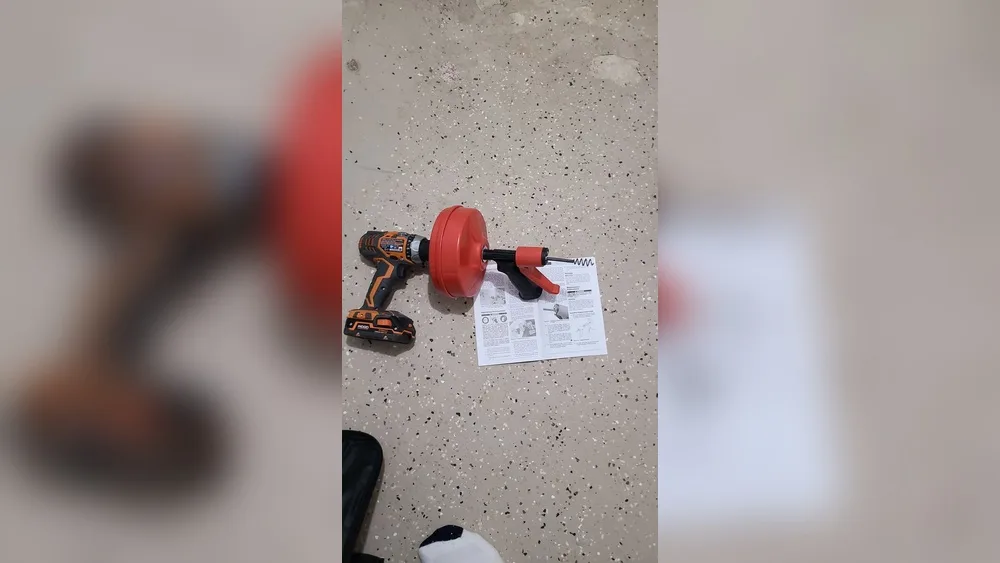
Snaking a washing machine drain sounded scary to me at first. I remember that day well—my laundry was piling up, and suddenly, water started pooling around my washing machine. At first, I thought it was just a small spill, but it kept happening every time I ran a wash. That’s when I realized: the drain was blocked. I didn’t want to call a plumber right away, so I decided to try snaking the drain myself. If you’re facing the same issue, let me walk you through the exact steps I took, with all the tips I wish someone had told me.
Why Your Washing Machine Drain Gets Clogged
I used to think only kitchen sinks got blocked, but washing machines can be just as bad. Over time, lint, soap scum, and tiny clothing fibers build up in the drainpipe. Sometimes, if you wash pet bedding, fur and hair can get stuck too. I have a big dog, so trust me, that happens a lot! If you notice slow draining or water backing up, it’s a sign the pipe is getting blocked.
Tools And Supplies You Need
I learned the hard way that having the right tools makes things so much easier. Here’s what I used:
- Plumber’s snake (drain auger): I used a 25-foot hand-crank model.
- Bucket: To catch any leftover water.
- Towels: For any spills.
- Screwdriver or pliers: Needed to remove hose clamps.
- Gloves: You don’t want to touch the gunk with bare hands.
- Flashlight: Sometimes, you need to see inside the drain.
- Old clothes: It’s a messy job.
If you don’t have a plumber’s snake, you can buy one at a hardware store or rent it. Don’t use a coat hanger—it’s too short and might scratch the pipe.
Safety First: Preparing Your Space
I cannot stress this enough—unplug your washing machine before starting. Water and electricity don’t mix. Also, turn off the water supply to your washer, just in case. I always put old towels around the machine because water seems to find its way out, no matter how careful you are.
Step-by-step: How I Snaked My Washing Machine Drain
Let me break down what I did, so you can follow along without surprises.
1. Move The Washing Machine
This was the hardest part for me because my washer is heavy. I asked a friend to help. Slide it out gently to reach the drain hose. Be careful not to yank the hose or damage the floor.
2. Locate And Disconnect The Drain Hose
Behind the washer, you’ll see a thick, flexible hose going into a pipe or wall. That’s the drain hose. Use a screwdriver or pliers to loosen the clamp, then pull the hose out. Have your bucket ready—some water will spill out.
3. Check The Hose For Clogs
Before you start snaking, check the hose itself. Sometimes, the clog is right there. I found a big clump of lint stuck near the end. I flushed it out with hot water and made sure the hose was clear.
4. Insert The Plumber’s Snake Into The Drain Pipe
Now comes the fun part. Put on your gloves and slowly feed the snake into the drain opening. Turn the handle as you push it in. Don’t force it—if it gets stuck, twist and wiggle it. I felt resistance about three feet in.
That’s usually where the U-bend is, and where gunk collects.
5. Break Up The Clog
When you hit a blockage, keep turning the snake. You might feel the clog loosen, or the snake may push through. I like to pull the snake back a bit and then push forward again. This helps break up stubborn debris.
Once you’re past the blockage, pull the snake out slowly.
6. Clean Up And Reconnect Everything
Wipe the snake with a towel as you pull it out. It will be dirty! Check if there are any big chunks of debris, and throw them away. Reconnect the drain hose to the pipe and tighten the clamp. Double-check that everything is secure.
7. Test The Machine
Plug the washing machine back in and turn on the water. Run a short rinse cycle. Watch the drain—if water flows out smoothly and doesn’t back up, you did it! I always keep a towel nearby, just in case.
Common Mistakes To Avoid
I made a few errors my first time, so here’s what you should watch out for:
- Forcing the snake: If you push too hard, you can damage the pipe.
- Skipping the hose check: Sometimes, the clog isn’t in the wall but in the hose itself.
- Not using gloves: The stuff inside a drain can be nasty.
- Forgetting to unplug the machine: Safety first!
- Not having a bucket: Trust me, water will spill.
How Snaking Compares To Other Methods
Some friends told me to try baking soda and vinegar, or just plunging the pipe. I tried both. They can help with small clogs, but they didn’t work for my washing machine drain. Here’s a quick comparison based on my experience:
| Method | Effectiveness | Effort | Best For |
|---|---|---|---|
| Plumber’s Snake | Very High | Medium | Stubborn clogs |
| Baking Soda & Vinegar | Low | Low | Minor build-up |
| Plunger | Medium | Low | Soft clogs near drain |
| Commercial Drain Cleaner | Medium | Low | Grease or soap scum |
I found the plumber’s snake was the only thing that fully cleared my pipe.
How Often Should You Snake A Washing Machine Drain?
From my experience, you don’t need to do this every month. I snake my drain once a year as a precaution. If you have pets or do lots of laundry, you might need to do it more often. If your machine starts to drain slowly or you smell a musty odor, it’s time to check for clogs.
Signs You Have A Blocked Washing Machine Drain
Here are the signs I noticed before realizing my drain was blocked:
- Water pooling around or under the machine
- Slow draining during rinse or spin cycles
- Gurgling sounds from the drain
- Bad smells coming from the drain
If you see any of these, don’t wait—snaking the drain can prevent bigger problems.
When To Call A Professional
I believe in DIY, but sometimes you need help. If you can’t push the snake through or the pipe is still blocked after trying everything, call a plumber. Also, if water is leaking from your walls or floor, you might have a bigger issue.
How To Prevent Washing Machine Drain Clogs
After snaking my drain, I wanted to stop it from happening again. Here’s what helped:
- Use a lint trap: You can buy a mesh lint trap that fits on the end of the drain hose. It catches lint before it gets into the pipe.
- Run hot water cycles: Once a month, I run an empty hot water cycle with a cup of vinegar. This helps clear out soap and scum.
- Don’t overload the washer: Too many clothes mean more lint and fibers.
- Clean the drain hose regularly: Take it off and rinse it out every few months.
These small steps have made a big difference for me.

Cost Of Snaking A Washing Machine Drain
If you do it yourself, it’s not expensive. I bought a basic plumber’s snake for about $25. Renting one is even cheaper. If you hire a plumber, it can cost between $100 and $200, depending on where you live and how bad the clog is.
Here’s a quick breakdown:
| Option | Estimated Cost | Notes |
|---|---|---|
| DIY (buy snake) | $25-$40 | One-time investment |
| DIY (rent snake) | $10-$20 | Per day |
| Plumber | $100-$200 | Depends on job size |
For me, buying the tool was worth it because I’ve used it more than once.
The Hidden Dangers Of A Blocked Washing Machine Drain
I used to ignore small leaks, but that’s risky. A blocked drain can cause water damage to your floor or walls. Mold can grow if the area stays wet. Plus, if water backs up into the machine, it can damage the motor.
One time, I waited too long, and the repair ended up costing me more than $300. Snaking the drain early is much cheaper and safer.
What If Snaking Doesn’t Work?
I’ve had one stubborn clog that wouldn’t budge. In that case, I tried a commercial enzyme cleaner. You pour it in, let it sit overnight, and then try snaking again. If that still doesn’t work, the clog might be deeper in your home’s plumbing.
That’s when I finally called a pro.
Environmental Impact: Why Not Use Chemicals First?
At first, I tried pouring chemical drain cleaners down the pipe. It seemed easy, but the smell was strong, and they didn’t solve the problem. I later learned that harsh chemicals can damage your pipes and harm local water systems. That’s why I now use a plumber’s snake first. It’s better for your plumbing and the environment. If you want to read more about the environmental risks of chemical drain cleaners, you can check this link from the EPA.

Why I Recommend Snaking The Drain Yourself
After doing this job a few times, I can say it’s not as scary as it sounds. You save money, learn something new, and get the satisfaction of fixing your own home. Plus, you can handle future clogs much faster.
Just take your time, stay safe, and don’t be afraid to ask for help if you get stuck.
Frequently Asked Questions
How Do I Know If My Washing Machine Drain Is Really Clogged?
If you notice water pooling, slow draining, or weird sounds during the rinse cycle, your drain is likely blocked. A bad smell can also be a clue. I always check the hose first to confirm.
Can I Use A Chemical Drain Cleaner Instead Of Snaking?
You can, but I don’t recommend it as the first step. Chemicals can harm your pipes and the environment. I only use them if the clog is mild and the snake doesn’t work.
How Long Does It Take To Snake A Washing Machine Drain?
It usually takes me about 30 to 45 minutes from start to finish. If it’s your first time, give yourself an hour. The hardest part is moving the machine.
What Size Plumber’s Snake Should I Use?
A 25-foot hand-crank plumber’s snake works well for most washing machine drains. Don’t use a very thick snake—a 1/4-inch to 3/8-inch cable fits most pipes.
Is It Safe To Snake The Drain Myself?
Yes, it’s safe if you unplug the washing machine and wear gloves. Just go slow and don’t force the snake. If you feel unsure at any point, you can always call a plumber.
Fixing a blocked washing machine drain by snaking it is one of the most useful DIY skills I’ve learned. It saves time, money, and a lot of stress. I hope sharing my experience helps you feel ready to tackle your own clog and keep your laundry routine running smoothly.

As an Amazon Associate, We earn from qualifying purchases