
Have you ever stood in the shower and noticed the water slowly rising around your feet? I have, and let me tell you—it’s not a good feeling. When my shower drain clogged for the first time, I was worried. Would I need a plumber?
Would I have to pay a lot? But after some research and trial and error, I learned how to snake a shower drain myself. It’s easier than you might think, and I’m here to share everything I learned, step by step, so you can do it too.
Why Shower Drains Get Clogged
Before I grabbed any tools, I wanted to know why my shower drain clogged. It turns out, most blockages come from hair, soap scum, and sometimes even small objects. Over time, these things tangle together, forming a plug that stops water from draining. In my house, we have long hair, so it doesn’t take long for the drain to slow down.
What You Need To Snake A Shower Drain
When I first started, I thought I’d need special, expensive tools. But you really only need a few basic things:
- Drain snake (also called a plumber’s snake or auger) – You can buy a simple one for less than $20.
- Rubber gloves – Trust me, you’ll want these.
- Bucket – For any dirty water or debris.
- Screwdriver – To take off the drain cover.
- Old towel or rag – To keep your work area clean.
Here’s a quick look at the tools, price range, and what they’re used for:
| Tool | Price Range | Purpose |
|---|---|---|
| Drain Snake | $10–$30 | To remove clogs deep in the drain |
| Rubber Gloves | $2–$6 | Protects your hands from dirt |
| Bucket | $5–$10 | Collects dirty water and debris |
| Screwdriver | $3–$10 | Removes drain cover |
| Towel/Rag | $0 (use old one) | Keeps area clean |
I got everything at my local hardware store in under 15 minutes.
Step-by-step Guide: How I Snaked My Shower Drain
I’ll walk you through exactly what I did, so you can follow along. Don’t worry—it’s not hard if you take it slow and stay patient.
1. Prepare The Area
First, I put on my rubber gloves. Even if your shower is clean, the drain can be pretty nasty. I laid an old towel on the floor to catch any mess and put my tools within reach.
2. Remove The Drain Cover
Most shower drains have a metal cover. I used my screwdriver to loosen the screws. Sometimes, the cover just pops off with a little pull. If it’s stuck, I gently pried it up with the screwdriver, taking care not to scratch the tub.
3. Take Out Visible Hair And Gunk
Right away, I saw some hair tangled in the opening. I used my fingers to pull out as much as I could. It’s not pretty, but getting rid of this first layer makes the next steps easier.
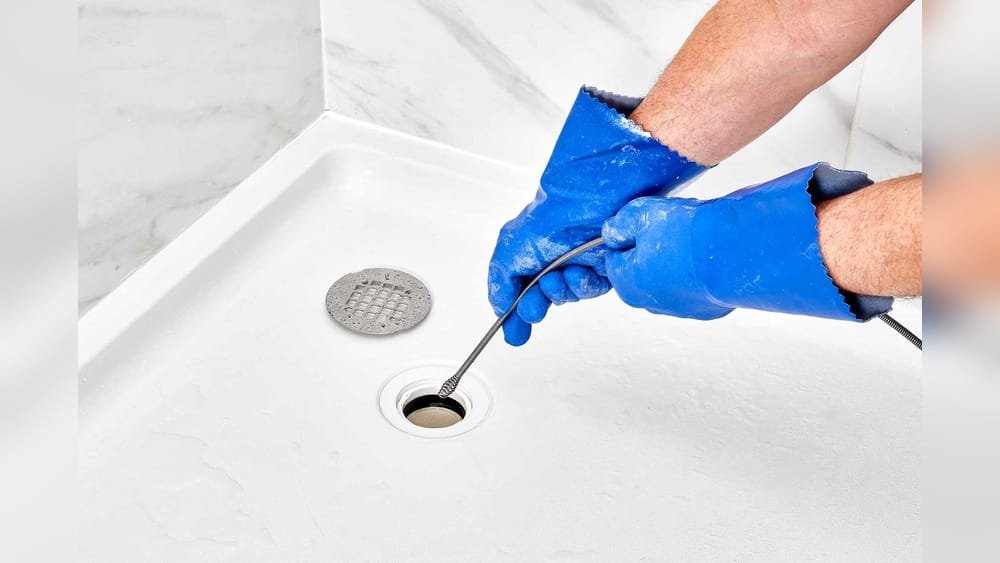
4. Insert The Drain Snake
Now for the main part. I pushed the drain snake down into the drain. At first, it slid in easily. But after a few inches, I felt resistance. That’s the clog.
5. Twist And Push
I turned the handle of the snake clockwise while gently pushing. The twisting motion helps the snake grab onto the clog. Sometimes, I had to pull back a bit and push again. I kept going until I felt the snake break through.
6. Pull Out The Clog
This is the most satisfying—and gross—part. I slowly pulled the snake back out. Usually, it came out covered in hair, soap, and other debris. I wiped everything off into my bucket.
7. Repeat If Needed
The first time, I had to snake the drain twice. After pulling out a big mess, I sent the snake down again to make sure I got everything.
8. Flush With Hot Water
To finish, I ran hot water into the drain for a few minutes. This helps wash away any small bits left behind. The water drained much faster than before.
9. Replace The Drain Cover
I screwed the drain cover back in place. Then I cleaned up my tools and wiped down the area.
Different Types Of Drain Snakes
When I started, I didn’t know there were different kinds of drain snakes. Here’s a quick comparison to help you choose:
| Type | Best For | Length | Price |
|---|---|---|---|
| Manual Snake | Hair and soap clogs | 3–10 feet | Low |
| Drill-Attach Snake | Tougher blockages | 10–25 feet | Medium |
| Electric Snake | Big or deep clogs | 25+ feet | High |
For most shower drains, a simple manual snake works well. I started with a 6-foot one, which was perfect for my bathroom.
:max_bytes(150000):strip_icc()/snake-a-clogged-shower-drain-2718775-hero-28269e681b8f46adb59c976f2d87944f.jpg)
Tips I Learned Along The Way
There are a few things I wish I’d known before I started. Here are my best tips:
- Go slow. If you rush, you might damage the drain or miss part of the clog.
- Don’t force the snake. If it won’t go in, twist gently and try pulling back a bit before pushing forward again.
- Have a bucket handy. You’ll want somewhere to put the mess you pull out.
- Don’t use harsh chemicals. I tried a store-bought drain cleaner once, but it didn’t work and left a strong smell.
One thing I didn’t expect: sometimes the clog is further down the pipe than you think. If your snake is too short, you might need a longer one.
Common Mistakes When Snaking A Shower Drain
It’s easy to make mistakes, especially if you’ve never done this before. Here are a few I made, and what I learned from them:
- Using the wrong snake: The first snake I bought was too thick to fit in my shower drain. Make sure you buy a skinny one for showers.
- Not removing the drain cover: If you skip this, you won’t get all the hair out. Take the extra minute.
- Forgetting to test the drain: Always run water at the end to make sure it’s clear.
- Not cleaning up: The mess can stain your tub if you leave it too long.
:strip_icc()/how-to-use-a-snake-drain-100441586-7623d03d4d214fd8855f58aaac8a80e8.jpg)
How To Tell If Snaking Worked
The first time I snaked my shower, I was nervous. Did I do it right? Here’s how I checked:
- The water drained fast, with no puddles around my feet.
- No gurgling sounds or bad smells.
- When I ran the shower for a few minutes, the drain kept up with the flow.
If you still have slow drainage after snaking, the clog might be further down. In that case, you may need a longer snake or to call a plumber.
When To Call A Professional
Snaking a shower drain works for most clogs. But sometimes, you need help. I called a plumber once when:
- The clog didn’t clear after several tries.
- I heard strange noises from the pipes.
- There was water backing up into other drains.
A good rule: if you’re not comfortable, call for help. It’s better than making the problem worse.
Preventing Future Clogs
After all the work I did, I wanted to avoid another clog. Here’s what worked for me:
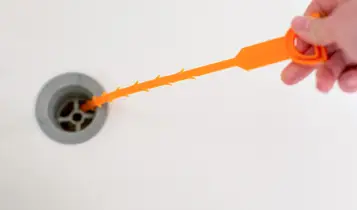
- Use a drain hair catcher: These are small, cheap screens that catch hair before it goes down the drain. I clean mine once a week.
- Run hot water after each shower: This helps clear away soap and small debris.
- Clean the drain monthly: I pull the cover off and remove hair before it builds up.
Here’s a quick look at the main prevention methods and how well they work:
| Method | Effort | Effectiveness |
|---|---|---|
| Drain hair catcher | Low | High |
| Hot water flush | Low | Medium |
| Monthly cleaning | Medium | High |
It’s Easier To Prevent Clogs Than To Fix Them!
Extra Insights Most People Miss
Here are two things I didn’t realize until I did it myself:
- Shower drains often connect to other bathroom drains. If you snake your shower and the sink also drains slowly, you might have a bigger clog in the main line.
- Old pipes can be fragile. If you live in an older home, twist the snake gently. Forcing it can crack old plastic pipes, leading to leaks.
Also, I learned that using boiling water can sometimes damage PVC pipes. Stick with hot tap water instead.
Frequently Asked Questions
Why Does My Shower Drain Clog So Often?
Shower drains collect hair, soap, and sometimes dirt or small objects. These mix together and form a blockage. If several people use the shower, especially with long hair, clogs happen more often.
How Do I Know If I Need A Plumber?
If you’ve tried snaking the drain but water still drains slowly, or you hear gurgling in other drains, it’s time to call a professional. Also, if you smell sewage or see water backing up, get expert help.
Can I Use Baking Soda And Vinegar Instead?
Baking soda and vinegar can help with minor clogs or smells. But for big hair clogs, I found that a snake works much better. The homemade mix is good for maintenance, not for serious blockages.
Is It Safe To Use A Drain Snake In All Showers?
Most modern showers can handle a manual snake. But if you have old pipes or a shower with a very narrow drain, use a slim, flexible snake and be gentle. For unusual drains, check your owner’s manual or ask a pro.
How Much Does It Cost To Snake A Drain Myself Versus Hiring A Plumber?
DIY snaking usually costs $10–$30 for the tools. Hiring a plumber can cost $100 or more per visit. Doing it yourself saves money, as long as you’re comfortable with the process. For more info, see the Wikipedia page on drain cleaners.
Snaking my own shower drain was a little gross, but not hard. I felt proud when I saw the water draining again. With the right tools, a little patience, and these tips, you can fix most clogs yourself. If you’re unsure, don’t be afraid to ask for help.
But try it once—you might surprise yourself!
As an Amazon Associate, We earn from qualifying purchases