
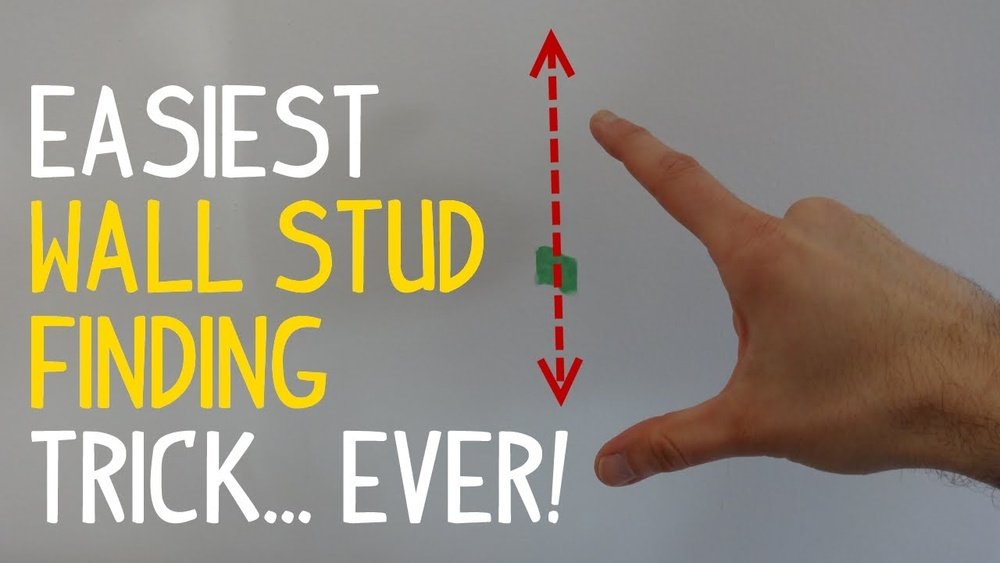
Finding studs in the wall is something I never thought much about until I moved into my first apartment. I wanted to hang a heavy mirror, and I had no idea where to start. The last thing I wanted was to damage the wall or have something fall off and break.
After learning a lot through trial and error, I want to share what I’ve discovered. Whether you’re hanging shelves, a TV, or just a picture frame, knowing how to find studs in your wall can save you time, stress, and money.
Why Finding Studs Matters
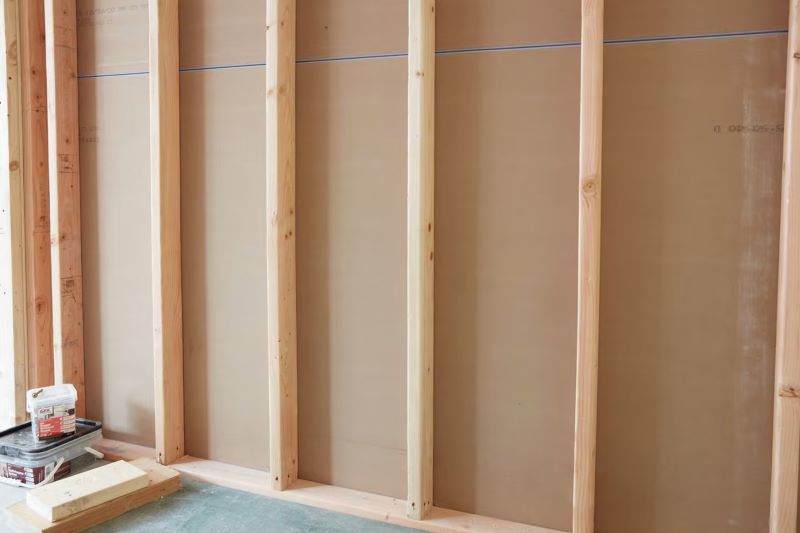
Many people don’t realize that studs are the strong, vertical pieces of wood or metal inside your wall. Drywall alone can’t hold much weight. If you hang something heavy without finding a stud, it could tear right off the wall. I learned this the hard way with a bookshelf that didn’t last a week. Studs are usually spaced 16 or 24 inches apart, but it’s not always obvious where they are.
What Tools Can Help
I started out with nothing but a hammer and a guess, but there are much better ways. Over time, I tried different tools and learned what works best.
Stud Finder
A stud finder is the easiest and most reliable tool. You can find two types:
- Magnetic stud finders: These use a magnet to locate nails or screws in the studs. They’re cheap, but you need to move them slowly.
- Electronic stud finders: These scan the wall and beep when they detect a stud. They’re more expensive, but much easier to use.
Here’s a quick comparison based on my own use:
| Type | Accuracy | Price Range | Pros | Cons |
|---|---|---|---|---|
| Magnetic | Good for nails/screws | $5-$15 | Cheap, simple | Slow, not always precise |
| Electronic | Very high | $15-$50 | Fast, easy, accurate | Needs batteries, more costly |
Diy Methods
Not everyone has a stud finder, and I didn’t at first. Here are some ways I found that actually work:
- Knocking: Tap the wall with your knuckle. It sounds hollow between studs and solid over a stud. It’s not always easy, but with practice, you’ll get a feel for it.
- Look for clues: Outlets and light switches are usually attached to a stud on one side. Remove the cover (with the power off) and see which side the electrical box is attached to. That side will have a stud.
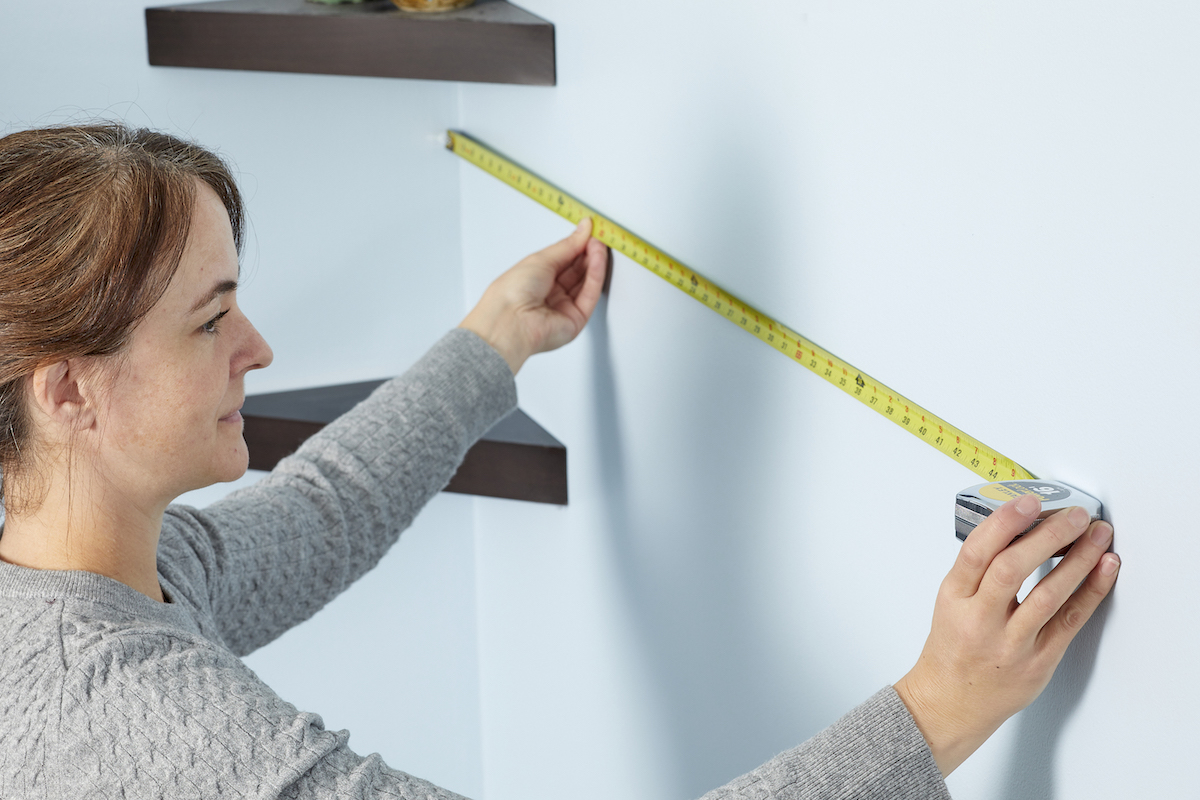
- Measure from a corner: Most studs are 16 or 24 inches apart from a corner. Use a tape measure to guess where the next one might be.
- Check baseboards: Sometimes you can see little nails or dimples in the baseboard. These usually mark where a stud is.
How To Find Studs In Drywall: Step-by-step
Here’s the process I follow, whether I’m using tools or just my hands.
1. Decide Where You Want To Hang
Start by holding up your item to the wall and marking about where you want it. This will save you time searching in the wrong spot.
2. Use A Stud Finder (if You Have One)
- Turn on the stud finder and place it flat against the wall.
- Move it slowly left to right.
- When it beeps or lights up, you’ve hit a stud.
- Mark the spot lightly with a pencil.
Tip: Go over the area a few times to make sure you’re not hitting a pipe or something else. Electronic stud finders can sometimes give false positives near metal pipes or wires.
3. Try The Knocking Method
If you don’t have a stud finder:
- Start tapping the wall softly from left to right.
- Listen for the change in sound.
- When it goes from hollow to solid, that’s likely a stud.
Don’t be surprised if it takes a few tries. I still sometimes get it wrong, but practice helps.
4. Look For Electrical Outlets
Most outlets are attached to a stud. Remove the cover plate, and with a flashlight, look inside. You’ll see which side the outlet box is nailed to. Measure 16 inches from that point for the next stud.
5. Use A Small Nail Or Pin
If you think you’ve found a stud, gently tap in a small finishing nail or a pin. If it goes in easily and nothing grabs it, you missed the stud. If it feels tough and you hit wood, you’re right on target.
Warning: Don’t use a big nail or screw for this test, or you’ll leave a big hole. Use something small that can be patched easily.
6. Mark All The Studs
Once you find one stud, measure 16 or 24 inches in both directions. Mark each stud lightly. This will help you plan where to hang your items.
Common Mistakes To Avoid
I’ve made a lot of mistakes while learning, and I want to help you avoid them.
- Guessing without checking: If you just guess, you might hit only drywall. Heavy items will fall off.
- Assuming all studs are perfectly spaced: Old houses sometimes have odd spacing. Always check with a tool or by knocking.
- Hitting pipes or wires: Be careful when drilling. In kitchens and bathrooms, there might be pipes behind the wall. Use a stud finder with wire detection if possible.
- Not using enough studs: For very heavy things, use two or more studs if you can. For example, when I mounted my TV, I used two studs, not just one.
Studs In Different Wall Types
I used to think all walls were the same. But when I helped a friend in an older house, I learned that’s not true.
Drywall
Most newer homes use drywall with wooden studs. Everything I mentioned above works well here.
Plaster Walls
Older homes may have plaster and lath. Stud finders often struggle with these walls because the metal mesh confuses the sensors. Knocking is harder, too. In this case, look for clues like outlet placement or nail heads in the trim.
Metal Studs
Some apartments and offices use metal studs. Electronic stud finders can usually detect them, but not all screws will hold as well. For heavy items, use special anchors made for metal studs.
Concrete Or Brick
Not all walls have studs. Concrete or brick walls need different anchors, not regular screws. If you knock and everything sounds solid, you may have a masonry wall.
Here’s a quick reference I made for myself:
| Wall Type | Best Method | Notes |
|---|---|---|
| Drywall (wood studs) | Stud finder, knocking, outlets | Most common in US homes |
| Plaster and lath | Outlets, trim nails | Stud finders may not work well |
| Metal studs | Electronic stud finder | Use special anchors for heavy loads |
| Concrete/brick | Masonry anchors | No studs inside |
Practical Tips And Tricks
Over the years, I’ve picked up a few tricks that make the process easier.
- Use painter’s tape: Mark stud locations with tape instead of pencil. No wall marks to clean later.
- Double-check measurements: Studs are usually 16 inches apart, but not always. If you’re not sure, check again.
- Test with a small load: Before hanging something heavy, test with a smaller item first.
- Buy extra wall anchors: If you miss a stud, you’ll need them.

What If You Can’t Find A Stud?
Sometimes, no matter what I try, I just can’t find a stud where I need one. Here’s what I do:
- Use wall anchors made for heavy items. There are several types, like toggle bolts and molly bolts.
- Distribute the weight across more than one anchor if possible.
- For things like curtain rods, try to screw into at least one stud and use anchors for the other holes.
When To Call A Professional
If you need to mount something super heavy, like a big TV or a pull-up bar, and you’re not sure, it’s okay to call for help. I once tried to do it all myself and ended up with a crooked shelf.
Sometimes, a handyman or contractor can save you a lot of trouble.
How Much Weight Can A Stud Hold?
A single wooden stud can usually hold 80-100 pounds if you use a good screw or lag bolt. Metal studs hold less, about 50 pounds. Always check the packaging on your wall anchors or screws. If you’re not sure, look up the weight capacity before hanging anything valuable.
Here’s a simple reference for fast answers:
| Fastener Type | Wood Stud Capacity | Metal Stud Capacity | Drywall Alone |
|---|---|---|---|
| Lag bolt | 80-100 lbs | 40-50 lbs | Not safe |
| Toggle bolt | 50-70 lbs | 20-30 lbs | Up to 50 lbs |
| Plastic anchor | 30-50 lbs | 10-20 lbs | 10-15 lbs |
Non-obvious Insights I Learned
When I first started, I thought all walls were built the same way. But I quickly learned that things like pipes and wires can be hidden behind walls, especially in kitchens and bathrooms. Electronic stud finders with wire detection can help avoid accidents.
Another tip: sometimes, baseboards and crown molding can be slightly off from the stud center. I once measured from a baseboard nail, drilled, and missed the stud by an inch. Always double-check before you drill!
Final Thoughts
Finding studs in a wall used to stress me out. Now, it’s just another part of hanging something safely. With the right tools and a little practice, you can do it too. Don’t worry if you make a mistake; most small holes can be patched easily. The key is patience, checking your work, and not being afraid to ask for help if you need it. If you want more details on wall construction, I found some great resources at Wikipedia.
Frequently Asked Questions
What Is A Wall Stud?
A wall stud is a vertical piece of wood or metal inside your wall. It gives the wall strength and supports things you hang.
How Far Apart Are Studs In A Wall?
Most studs are 16 inches apart. In some older homes, they may be 24 inches apart. Always measure to be sure.
Can I Hang Heavy Items Without Finding A Stud?
You can, but you need strong wall anchors. Regular screws in drywall won’t hold heavy things for long.
What If My Stud Finder Gives False Readings?
This can happen near pipes or wires. Try changing the batteries, or use another method like knocking or measuring from an outlet.
Are There Studs Above Windows And Doors?
Usually, there’s a header (a strong, horizontal board) above windows and doors, not a regular stud. Be careful hanging items in these areas.
If you have any other questions, feel free to ask. I hope my personal experience helps you feel confident about finding studs in your own walls!
As an Amazon Associate, We earn from qualifying purchases