
If you’re like me, you want your lawn to look sharp. The difference between a neat yard and a messy one often comes down to the edges. For years, I struggled to get that crisp, clean line where my grass met the sidewalk.
I thought it was just for professionals. But then I learned how to edge my lawn with a string trimmer—the same tool I used for regular trimming. Once I figured out the right way, my yard started looking like those perfect lawns you see online.
I want to share exactly how I do it, the little tricks I learned, and how you can avoid the mistakes I made.
Why Edge Your Lawn With A String Trimmer?
When I first moved into my house, I didn’t even know what “edging” meant. I’d mow my grass, maybe trim around trees, and call it a day. But the edges along my driveway and paths always looked ragged. Neighbors with well-defined edges had lawns that looked professional, even if their grass wasn’t perfect. That’s when I realized: clean edges make a big difference.
A string trimmer, sometimes called a weed eater, is something most of us already own. You don’t need a special edger tool. With a little practice, your trimmer can create sharp, straight lines that make the whole yard pop.
Understanding Your String Trimmer
Before you start, it helps to know a bit about your tool. There are two main types of string trimmers: gas-powered and electric (corded or battery). I started out with a basic corded model, then upgraded to a battery-powered one. Both work for edging, but there are some differences.
| Type | Pros | Cons |
|---|---|---|
| Gas-Powered | Strong, good for large yards, handles thick grass | Heavy, noisy, more maintenance |
| Electric (Corded) | Lightweight, quiet, no gas needed | Limited by cord length |
| Electric (Battery) | Portable, easy to start, quiet | Battery runs out, less power for thick weeds |
I use a battery trimmer now because my yard isn’t huge, and I love not dragging a cord around.
Getting Ready: Safety And Setup
I learned early that safety matters. The first time I edged, small rocks shot up and hit my leg. Now, I always wear long pants, closed shoes, and safety glasses. Trust me, it’s worth it.
Before starting, check your trimmer string. Fresh, full-length string cuts better and gives a cleaner line. I always keep an extra spool handy, because running out halfway is annoying.
If your trimmer head rotates, adjust it so the string is vertical. Some models have a button or a twist handle for this. If not, you can just rotate the whole tool as you work.
The Right Technique: How I Edge My Lawn
Now, let me walk you through exactly how I edge my lawn. I’ll explain step by step, including the little things that made a difference for me.
1. Mark Your Edge
If you’re new, it helps to mark where you want your edge. I use my garden hose or a piece of string as a guide, especially for the first edge of the season. Over time, you’ll see a natural line form, and you won’t need a guide anymore.
2. Hold The Trimmer Correctly
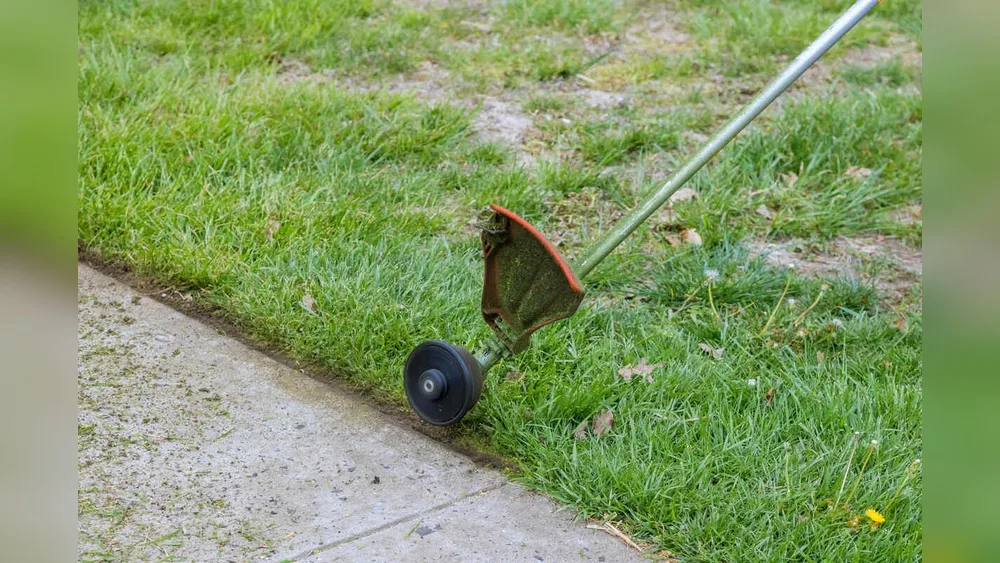
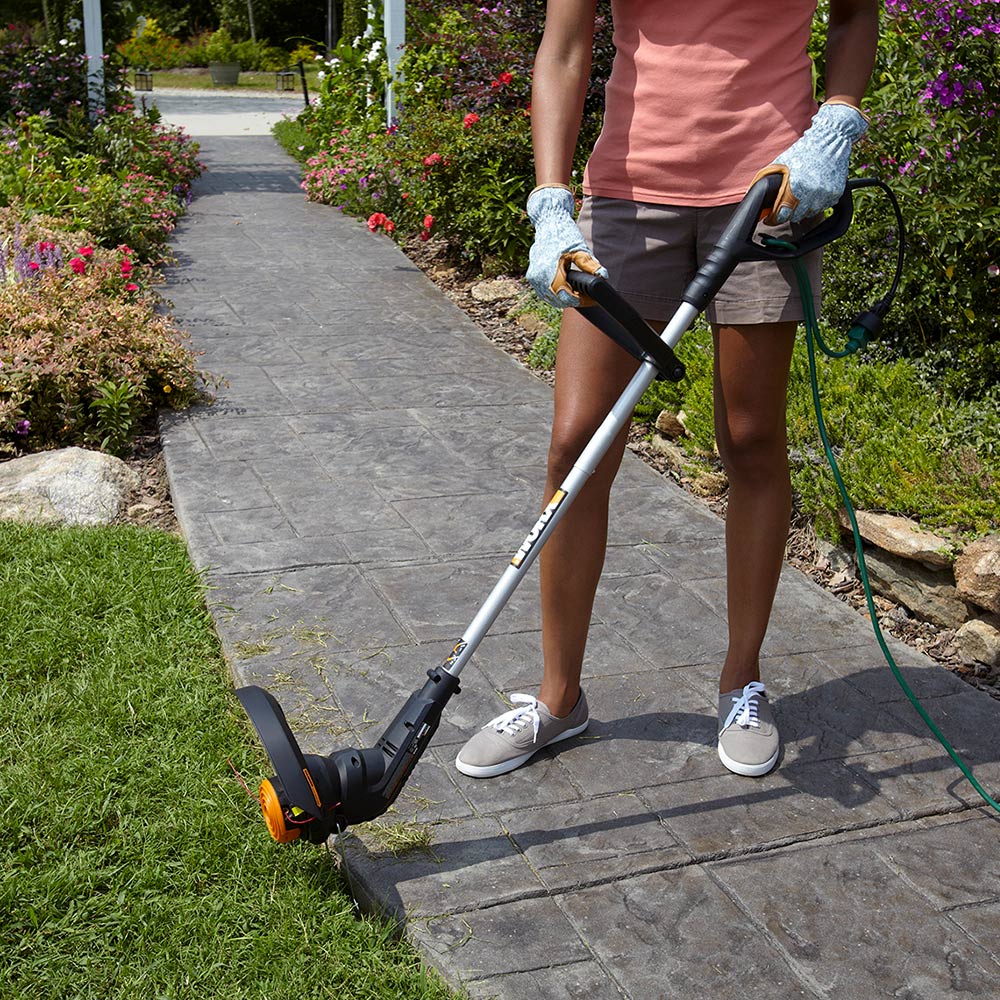
Hold the handle with both hands. For right-handed people, your right hand goes on the back handle, and your left on the front. Stand so the trimmer is comfortable, and tilt it so the string is vertical—straight up and down.
This is key for getting that sharp edge.
3. Start With A Clean Pass
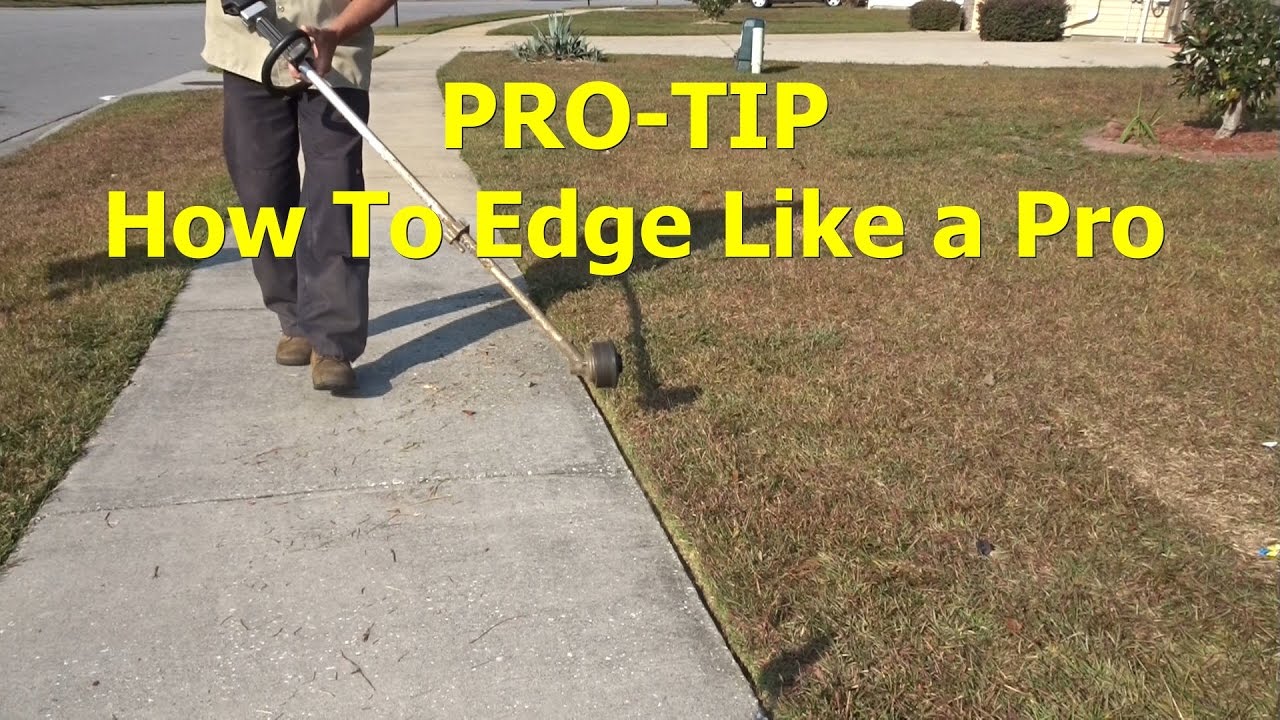
Begin at the edge of your driveway, sidewalk, or flower bed. Move the trimmer slowly along the line, letting the spinning string do the work. Don’t force it. If you go too fast, the edge gets wavy.
4. Keep The String Just Above The Ground
This was a big “aha” moment for me. The string should barely touch the soil. If you dig in too deep, you’ll make a trench. If you stay too high, you’ll miss grass and weeds at the edge. I aim for about half an inch into the dirt.
5. Walk Slowly, Don’t Rush
When I first started, I wanted to finish fast. But clean edges take patience. I walk slowly, letting the trimmer cut each section before moving forward. If you rush, you’ll end up with uneven lines and missed spots.
6. Finish And Clean Up
After I finish edging, there’s usually a thin line of grass clippings and dirt along the sidewalk. I use a leaf blower or broom to clear it away. This final touch makes the edges stand out.
Tips And Tricks I Wish I Knew Earlier
Looking back, there are a few things that would have saved me time and frustration. Here are my best tips:
- Edge when the grass is dry. Wet grass sticks to the trimmer and makes a mess.
- Replace string often. Worn or short string gives a ragged cut.
- Don’t edge too deep. A deep trench looks bad and can damage the lawn.
- Edge after mowing. You’ll see the edge better, and the finish is cleaner.
- Keep a steady pace. Moving too fast causes uneven lines.
- Use ear protection. Trimmers are noisy, especially gas ones.
- Watch for rocks and debris. They can fly up and hurt you or others.
- Practice on less-visible spots first. I started by edging behind my house until I got the hang of it.
One thing I learned by accident: If your trimmer string is too thin, it can break easily, especially on tough spots. Using a thicker string (like 0.080″ instead of 0.065″) gives better results and lasts longer.
Common Mistakes And How To Avoid Them
I made a lot of mistakes before I got it right. Here are some common ones, and how you can avoid them:
- Cutting too wide: It’s tempting to widen the edge for a bigger effect, but this makes it hard to maintain. Stick to a thin, sharp line.
- Edging too close to hard surfaces: If you let the string hit concrete, it wears out fast. Stay just a bit away from the edge.
- Edging every week: I tried this at first, but it’s not always needed. For most lawns, every 2-3 weeks is enough, unless you want perfection.
- Not cleaning up: Leaving clippings makes the edge look messy. Always blow or sweep up after you finish.
How Often Should You Edge?
The right frequency depends on your grass type and how fast it grows. In spring and summer, I edge every two weeks. In fall, once a month is usually fine. If you wait too long, the edge disappears and it’s harder to get it back.
String Trimmer Vs. Manual Edger
I wondered if I should get a manual edger. After trying a neighbor’s, I found it’s good for very defined, deep edges, but it’s slow and takes more effort. For me, the string trimmer does the job well, and it’s much faster.
Here’s a quick comparison:
| Tool | Speed | Ease of Use | Edge Quality |
|---|---|---|---|
| String Trimmer | Fast | Easy | Very good (with practice) |
| Manual Edger | Slow | Harder | Excellent (but takes longer) |

How To Edge Around Curves And Corners
Straight lines are easy, but what about curves around flower beds or trees? I found that going slower helps. Keep your eye on the edge, and use small steps to guide the trimmer. Don’t try to force the tool to turn quickly.
Let the curve happen naturally. Over time, your hand gets used to the movement, and the curves look smooth.
Maintaining Your String Trimmer For Best Results
A well-maintained trimmer works better and lasts longer. Here are a few things I always do:
- Clean after each use: Grass and dirt build up on the guard and head. Wipe them off.
- Check the string: Replace if it’s worn or too short.
- Charge batteries: For cordless models, keep batteries charged, but don’t leave them plugged in all the time.
- Inspect for damage: Check the guard, shaft, and handles for cracks or loose parts.
I learned the hard way that a dirty or damaged trimmer can make uneven edges and is unsafe.
Saving Time And Energy: My Routine
I used to spend hours trimming and edging. Now, I have a routine that saves time:
- Mow the lawn first.
- Edge along driveways, sidewalks, and beds.
- Trim around trees, fences, and hard-to-reach spots.
- Blow or sweep up all clippings.
Doing it in this order means I don’t miss any spots, and the yard looks finished.
Edging On Slopes Or Uneven Ground
My backyard has a few sloped areas. At first, I found it tricky to keep the trimmer steady. I learned to stand on the high side, so I have better control. Go slow, keep your balance, and use short, gentle movements.
If you slip, stop and reset your feet before continuing.
Environmental Tips
I try to be mindful of the environment while edging. Here are a few things I do:
- Avoid edging into mulch or flower beds to keep soil in place.
- Use battery or electric trimmers when possible—they’re quieter and produce less pollution.
- Edge only where needed. Over-edging can damage grass roots and waste energy.
For more tips on sustainable lawn care, I found good advice at EPA’s Lawn and Landscape Care.
My Favorite String Trimmer Features
After using several models, here are the features I find most useful:
- Rotating head: Makes switching from trimming to edging easy.
- Adjustable shaft: Lets me set the right height for comfort.
- Easy line replacement: Some models have quick-load spools.
- Battery indicator: Shows how much run-time is left.
If you’re buying a new trimmer, look for these features. They make edging much less frustrating.
Real Results: What To Expect
Don’t expect perfection the first time. My first few tries were wavy and uneven, but the edges improved with practice. After a few weeks, the line became more defined and straight. Now, my neighbors sometimes ask if I hired a pro.
What surprised me most was how much cleaner the yard looked with sharp edges, even if my grass wasn’t perfect. It’s a small change that makes a big impact.
Frequently Asked Questions
How Do I Avoid Damaging The Sidewalk With My String Trimmer?
Keep the string just above the concrete. Don’t let it hit hard surfaces for long. This reduces wear on the string and protects the edge.
Can I Edge Wet Grass With A String Trimmer?
It’s possible, but not ideal. Wet grass clumps up and sticks to the trimmer, making the job harder and the result less tidy. I always wait until the grass is dry.
How Deep Should I Edge My Lawn?
About half an inch is enough. Going deeper makes a trench and can harm the grass roots.
What’s The Best Time Of Day To Edge My Lawn?
I prefer to edge in the morning or late afternoon. The grass is dry, and it’s not too hot outside. Avoid edging when the sun is strongest.
Do I Need A Special String For Edging?
A thicker string (like 0. 080″) works better for edges, especially if your lawn is thick or you have tough weeds. Standard trimmer string can work, but may wear out faster.
Edging your lawn with a string trimmer may seem tricky at first, but with a little practice and the right steps, you’ll see great results. I hope my experience helps you get those sharp, clean lines that make your yard stand out.
If you stick with it, you might even start to enjoy the process, just like I did.
As an Amazon Associate, We earn from qualifying purchases