
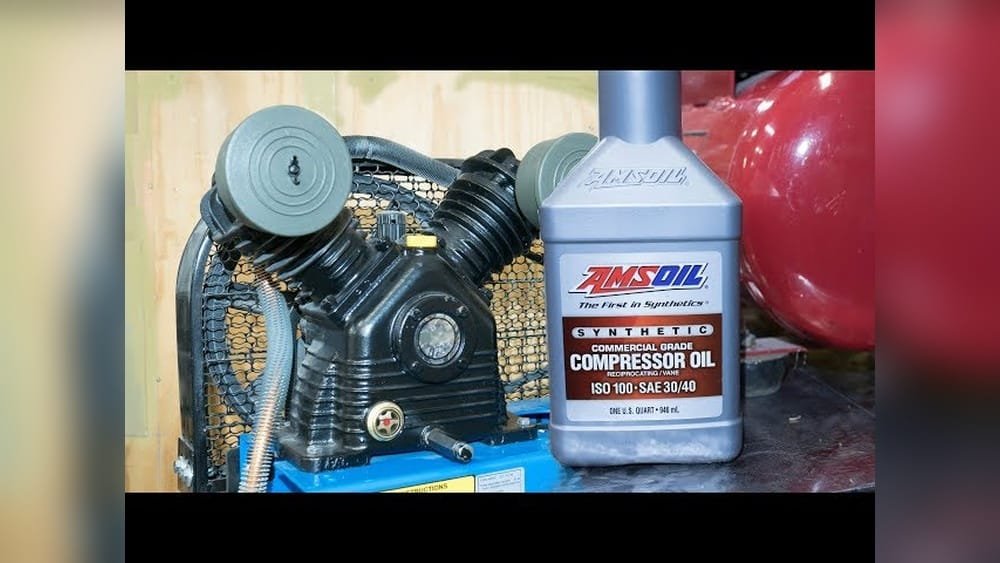
Changing the oil in an air compressor was something I used to avoid. I thought it was hard, messy, and maybe even risky for my machine. But after owning a small workshop for years, I learned how simple and important this job really is.
If your air compressor is slowing down, making noise, or just doesn’t feel right, changing the oil might be exactly what it needs.
I want to share my full process with you. I’ll cover everything I wish I’d known from the start—no complicated language, just real steps anyone can follow at home. By the end, you’ll see it’s easier than you think, and you’ll know how to keep your compressor running strong for years.
Why Changing Air Compressor Oil Matters
When I first got my compressor, I ignored the oil for too long. I thought, “It’s just like a fridge, right? Plug and play!” That was a mistake. The oil inside lubricates the moving parts. Without fresh oil, things heat up and wear out.
I noticed my compressor started to sound rough. It took longer to build pressure. Sometimes, it even tripped the breaker. When I finally checked the oil, it was dark and thick—almost like syrup. That’s when I realized: dirty oil can ruin an expensive tool.
Fresh oil keeps the pump cool and smooth. It prevents metal parts from grinding together. For me, just changing the oil twice a year stopped those noises and cut my run time by half.
How Often Should You Change Air Compressor Oil?
Manufacturers usually recommend changing the oil every 500 to 1000 hours of use, or at least twice a year for home use. But here’s what I learned: if you use your compressor a lot, check it more often. In my shop, during busy months, I change it every three months.
If you see any of these signs, change the oil sooner:
- The oil looks dark or gritty
- You hear new noises from the pump
- It takes longer to build pressure
- You smell burning or notice heat
Trust your senses. It’s better to change too often than not enough.
What You Need Before You Start
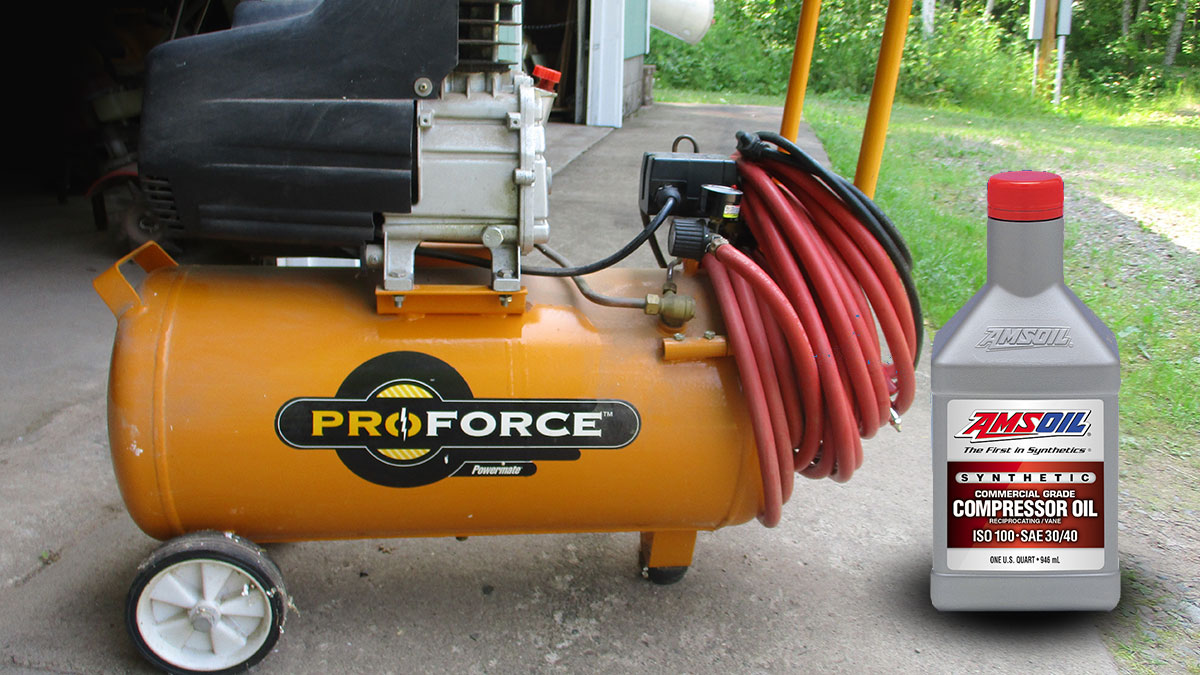
Before I changed my compressor oil the first time, I had to hunt around for supplies. Now, I keep these items ready:
- Correct oil type (check your manual—most use non-detergent 30W compressor oil)
- Wrench or socket set
- Oil drain pan or old container
- Funnel
- Rags or paper towels
- Gloves
- Flashlight (helpful for seeing small bolts)
- New oil filter (if your model has one)
One thing I learned: don’t guess the oil type. Using the wrong oil can damage seals or build up gunk.
Step-by-step: How I Change Air Compressor Oil
Let me walk you through each step, just like I do it in my own shop. It takes about 30 minutes from start to finish.
1. Turn Off And Unplug The Compressor
First, always turn off the compressor and unplug it from the wall. I once forgot this step, and the unit kicked on while I was working. It startled me and could have caused an accident.
2. Release The Pressure
Drain all the air from the tank. There’s usually a valve near the bottom. Open it and let the air hiss out. This step keeps you safe and makes the oil drain faster.
3. Clean The Area Around The Oil Cap
Use a rag to wipe dust and dirt around the oil fill cap and drain plug. I skipped this once, and dirt got into the pump—not good! Keeping things clean stops grit from entering your system.
4. Warm Up The Compressor (optional But Helpful)
If your oil is thick or it’s cold, run the compressor for a few minutes before draining. Warm oil flows out easier and takes more old gunk with it. Just don’t burn your hands—use gloves.
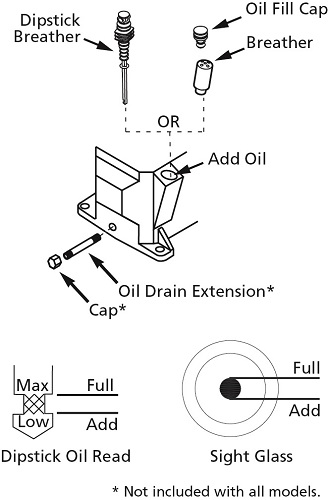
5. Remove The Oil Fill Cap
Take off the oil fill cap or plug. This lets air in so oil drains smoothly.
6. Position The Drain Pan
Slide your drain pan or old container under the oil drain plug. I use a shallow baking tray lined with foil for easy cleanup.
7. Remove The Drain Plug
Use a wrench to loosen the drain plug. Be gentle—some plugs strip easily. Let all the oil drain out. Watch for black, sludgy oil. That means you waited too long, like I did my first year.
8. Replace The Oil Filter (if Equipped)
Some compressors have a small oil filter. If yours does, unscrew it now and put in a new one. This keeps your oil cleaner for longer.
9. Replace And Tighten The Drain Plug
Once the oil has stopped dripping, screw the drain plug back in. Don’t overtighten—just snug.
10. Add New Oil
Set your funnel in the fill hole and pour in the recommended amount of new oil. Most small compressors use about 8-16 ounces. Check your manual! Overfilling can cause leaks and foam.
11. Check Oil Level
Many compressors have a sight glass or dipstick. I always double-check here. The oil should be at the “full” line—not above.
12. Clean Up Any Spills
Wipe off any drips. Old oil can attract dirt, so keep things tidy.
13. Run And Check For Leaks
Plug the compressor back in and run it for a minute. Look underneath for leaks. Listen for new noises. If all is quiet and dry, you’re done!
What Type Of Oil Should You Use?
This question confused me at first. There are many oils on the shelf, but not all are right for air compressors.
Most models use non-detergent 30W compressor oil. It’s made for air pumps and won’t foam up like car oil. Some heavy-duty or industrial units need synthetic oil, which handles heat better.
Never use:
- Motor oil with detergents (it causes foam and sludge)
- Two-stroke or outboard oil
- Cooking oil (yes, I actually got this question once!)
If you’re unsure, check your owner’s manual. Or look for a sticker near the pump. I once used the wrong oil, and my compressor started leaking. Lesson learned.
How Much Oil Do You Need?
The amount depends on your compressor size. Here’s a simple guide I made for myself:
| Compressor Size | Typical Oil Capacity |
|---|---|
| Small portable (1-3 HP) | 8-12 oz (237-355 ml) |
| Medium (4-7 HP) | 16-32 oz (473-946 ml) |
| Large stationary (8+ HP) | Up to 1 gallon (3.8 L) |
Always check your manual or the sight glass. More oil does not mean better performance. Too much can cause problems.
Common Mistakes I Made (so You Don’t Have To)
I’ve changed compressor oil many times, but I made plenty of mistakes early on. Here’s what to avoid:
- Using the wrong oil: Once, I tried car oil. My compressor ran hot and foamed up.
- Forgetting to drain air: I skipped this step and got sprayed with oily mist.
- Losing the drain plug: These are small! Keep a tray under the work area.
- Overfilling oil: Too much oil makes the compressor leak or smoke.
- Not checking for leaks: I once left the plug loose, and all the new oil leaked out.
Save yourself the headache. Double-check every step, and keep your tools and parts organized.
How To Dispose Of Old Compressor Oil
Never pour used oil down the drain or in your yard. It can harm the environment and is illegal in many places.
I pour old oil into a sealed container and take it to my local recycling center. Many auto parts stores will accept it for free. You can check your city’s website for disposal locations. This way, you keep your workspace and community clean.
Signs Your Compressor Needs An Oil Change
Sometimes, you can tell by looking or listening. Here’s how I know it’s time:
| Sign | What It Means |
|---|---|
| Oil is dark or thick | Contaminants have built up |
| Noisy pump | Lack of lubrication |
| Compressor overheats | Oil is old or low |
| Pressure builds slowly | Pump is working too hard |
If you notice any of these, don’t wait—change the oil right away.
My Pro Tips For Easy Oil Changes
Over the years, I found a few tricks that make oil changes quicker and less messy:
- Use a wide funnel to avoid spills.
- Lay down cardboard under the compressor for easy cleanup.
- Wear nitrile gloves—oil can be tough on skin.
- Mark your calendar for the next change.
- Keep a small logbook with dates and any issues.
A little preparation saves a lot of time.

Oil-free Compressors: Do You Need To Change Oil?
Some new air compressors are “oil-free. ” I get asked about these a lot. If you have one, you’re in luck—these models use special sealed bearings and don’t need oil changes at all.
But here’s a tip: oil-free compressors are great for small jobs but tend to be louder and don’t last as long as oiled models. For heavy use, I still recommend a traditional oiled compressor.
How Changing Oil Extends Compressor Life
After I started regular oil changes, my compressor lasted years longer than my neighbor’s. He never changed his oil and had to buy a new pump after just two years.
Clean oil reduces friction, keeps temperatures stable, and prevents costly breakdowns. For less than $10 and 30 minutes of work, you protect a tool worth hundreds.
When To Call A Pro
Sometimes, you’ll notice leaks, strange noises, or persistent problems even after changing the oil. If you see metal shavings in the old oil or the compressor still runs hot, call a technician. I tried to fix a leaking gasket myself and made things worse.
It’s okay to ask for expert help.
If you want to read more on air compressor maintenance, check out this Wikipedia page on air compressors.
Frequently Asked Questions
How Do I Know If My Air Compressor Needs Oil?
Check your owner’s manual. Most oiled compressors have a sight glass or dipstick. If the level is low, or the oil looks dark or thick, it’s time to add or change oil.
What Type Of Oil Is Best For My Air Compressor?
Use non-detergent 30W compressor oil unless your manual says otherwise. Never use car motor oil or two-stroke oil.
Can I Run My Compressor Without Oil?
Never! Running without oil can ruin the pump in minutes. Always keep oil at the recommended level.
How Do I Dispose Of Old Compressor Oil?
Store used oil in a sealed container. Take it to a recycling center, auto shop, or hazardous waste facility. Don’t pour it down the drain.
How Long Does It Take To Change Air Compressor Oil?
It usually takes about 30 minutes. With practice, you’ll do it even faster.
Changing air compressor oil is easy, quick, and will save you money in the long run. After years of mistakes and learning, I can tell you—just do it regularly. Your compressor (and your wallet) will thank you.
As an Amazon Associate, We earn from qualifying purchases