

If you’ve ever trimmed a hedge and wondered, “How thick of a branch can a hedge trimmer cut? ”, you’re not alone. I used to ask myself the same thing every spring when the shrubs in my backyard exploded with new growth.
Over the years, after trying different trimmers and talking to neighbors and garden center staff, I’ve learned a lot about what these tools can—and can’t—handle. Let me share what I’ve found, so you can cut safely, keep your equipment healthy, and get the job done with less hassle.
What Determines How Thick A Branch A Hedge Trimmer Can Cut?
There’s no single answer. It depends on a few key things:
- Type of hedge trimmer (manual, electric, battery, gas)
- Blade gap (also called cutting capacity)
- Blade sharpness and power
- Branch hardness and species
- Tool maintenance
When I first bought a trimmer, I didn’t know these details. I tried to cut everything in sight. Some branches sliced like butter. Others jammed the blades or barely made a dent. I realized there’s more to it than just “point and cut.
”
The Main Types Of Hedge Trimmers
Let’s start by looking at the four main types of trimmers, because they’re not all created equal.
Manual Hedge Shears
These are the big scissors you see hanging in garden shops. I still keep a pair around for small jobs or delicate shaping. Manual shears can cut branches up to about 1/2 inch (12 mm) thick, but only if you have strong hands and sharp blades.
Electric Hedge Trimmers (corded)
My first powered trimmer was a corded electric. These are light, quiet, and easy to use. Most cut branches up to 5/8 inch (16 mm) thick. The blade gap tells you the max size. Anything thicker, and you’ll feel the tool strain or even stall.
Battery-powered (cordless) Hedge Trimmers
These have gotten so much better. My current favorite is a cordless model with a 40V battery. The cutting capacity is often 5/8 inch (16 mm), but some premium models go up to 3/4 inch (19 mm). The freedom of no cord is huge—until the battery runs out.
Gas-powered Hedge Trimmers
If you have a lot of overgrown bushes, this is the powerhouse. The blade gap can be as wide as 1 inch (25 mm). Gas models are heavier and louder, but they’re the only ones I trust for thick, woody stems. The downside? Maintenance and fumes.
Here’s a quick comparison for reference:
| Trimmer Type | Typical Max Branch Size | Main Use |
|---|---|---|
| Manual Shears | 1/2 inch (12 mm) | Detail shaping, small bushes |
| Electric (Corded) | 5/8 inch (16 mm) | General home hedges |
| Battery (Cordless) | 5/8–3/4 inch (16–19 mm) | Medium-sized hedges, mobility |
| Gas-Powered | Up to 1 inch (25 mm) | Thick branches, large jobs |
Why Blade Gap Matters
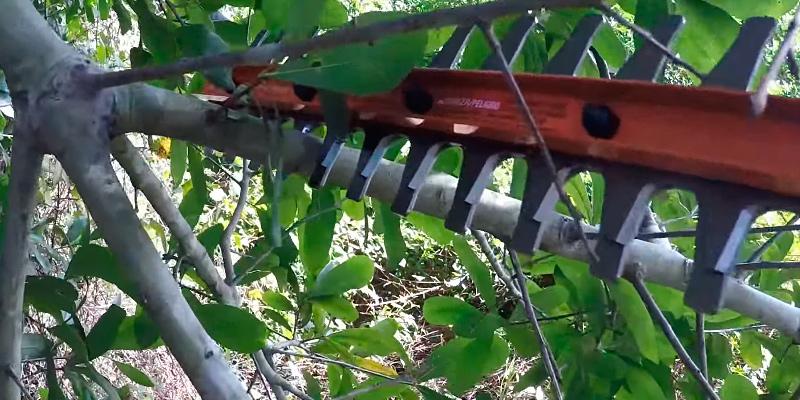
The blade gap is the space between each pair of teeth on your trimmer’s blade. It’s the most important number when asking, “How thick can this cut?”
- Smaller gaps (under 1/2 inch) are for fine hedges and light trimming.
- Larger gaps (3/4 inch to 1 inch) let you cut thicker, woodier stems.
When I bought my cordless trimmer, the box said “3/4 inch cutting capacity.” I found it struggled a bit with branches that size, especially if the wood was old and tough. My tip: always aim for branches a little smaller than the max stated size for smoother, safer cutting.
Real-world Examples From My Garden
Let me give you a few real-life examples:
- My boxwood hedge has thin, flexible stems. My corded trimmer breezes through them. I only need to avoid thick, old stems deep inside.
- The privet hedge at the back of my yard grows fast and wild. Some branches are close to 3/4 inch thick. My battery trimmer cuts the younger ones. For the older, woody parts, I switch to loppers.
- One spring, I tried to cut a 1-inch lilac stem with my electric trimmer. The blade jammed and almost bent. Lesson learned: Know your tool’s limits and keep loppers or a pruning saw handy.
What Happens If You Cut Branches That Are Too Thick?
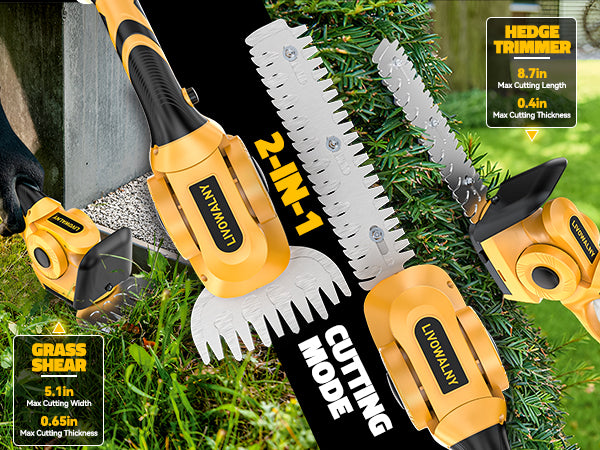
I’ve done it more than once, and each time I regretted it. Here’s what can happen:
- The blade jams or stops moving.
- The motor strains, overheats, or even burns out (this happened to my old trimmer).
- The cut is rough and tears the branch, which hurts the plant.
- You could hurt yourself if the tool kicks back or slips.
- The blades get dull faster.
If you see smoke, smell something burning, or the tool starts making odd noises, stop right away. It’s not worth risking your safety or your trimmer.
Can You Sharpen Or Adjust The Blades?
Yes! Dull blades struggle with even small branches. I sharpen mine every few months with a flat file. Some trimmers let you adjust the blade tension too. Just check the manual. Sharp blades mean smoother cuts and less work for you.
Using Loppers And Saws For Thicker Branches
For anything bigger than your trimmer’s max, you need a different tool. I keep these nearby:
- Bypass loppers: Great for branches up to 2 inches
- Pruning saw: For anything thicker or old, dead wood
This combo lets me keep my trimmer for quick shaping and save the hard work for the right tool.
Other Factors That Change Cutting Capacity
It’s not just about the trimmer. Here are things I learned matter too:
- Branch type: Soft, green wood cuts easier than old, dry wood.
- Blade sharpness: Dull blades limit the size you can cut.
- Battery charge: Cordless trimmers cut weaker when batteries run low.
- Weather: Wet branches are sometimes harder to cut cleanly.
- How you hold the tool: A gentle, steady motion works better than forcing it.
I noticed that on humid days, my trimmer sometimes clogged with sticky sap, especially on pine or yew. Cleaning the blades after each use made a big difference.

How To Find The Right Trimmer For Your Needs
When shopping for a trimmer, here’s what I look for:
- Blade gap/cutting capacity: Check the manual or box.
- Weight: Lighter models are easier if you have a lot of bushes.
- Power source: Corded for unlimited run-time, cordless for freedom, gas for thick branches.
- Length of blade: Longer blades cover more area but are heavier.
- Safety features: Look for blade guards and two-handed switches.
Don’t be tempted by a bigger blade gap if you only trim thin hedges. Too much power can actually be harder to control for light work.
Common Mistakes Beginners Make (and How I Learned The Hard Way)
I made almost every mistake you can think of with hedge trimmers. Here are some to avoid:
- Trying to cut too-thick branches: Leads to jams and tool damage.
- Not cleaning the blades: Sap and debris dull blades fast.
- Not wearing safety gear: I once got a nasty scratch from flying debris.
- Ignoring tool maintenance: Oiling and sharpening matter a lot.
- Forgetting about power cords: I cut my extension cord once. Not fun.
One non-obvious tip: after trimming, I run the blades with a little oil to keep rust away. This also helps them move freely next time.
How Do Top Brands Compare?
Over time, I’ve tried trimmers from brands like Black+Decker, Stihl, Husqvarna, and Ryobi. Here’s what I noticed:
| Brand | Max Branch Size (Typical) | Notable Feature |
|---|---|---|
| Black+Decker | 3/4 inch (19 mm) | Lightweight, affordable |
| Stihl | 1 inch (25 mm) | Strong, professional-grade |
| Ryobi | 3/4 inch (19 mm) | Good battery life |
| Husqvarna | 1 inch (25 mm) | High power, durable |
No matter the brand, always double-check the cutting capacity before you buy. Sometimes the marketing says “cuts up to 1 inch,” but the real-life performance is a bit less.
Practical Tips For Getting The Best Results
Based on my own trial and error, here’s what works:
- Cut only branches smaller than your tool’s max size. If you’re not sure, measure the branch before cutting.
- Trim regularly. It’s easier to cut young, thin growth than old, woody stems.
- Angle your cuts. Cutting at a slight angle helps the blades move through more easily.
- Keep the blades sharp and clean. Sap and dirt make trimming harder.
- Use both hands and keep your body behind the blades. Never reach over the blade or cut above shoulder height.
- Take breaks if you feel tired. Fatigue leads to mistakes and accidents.
A little planning saves a lot of frustration. For example, before starting, I walk around the hedge and check for extra-thick branches. I use loppers to remove those first, then finish up with the trimmer.
When Not To Use A Hedge Trimmer
Sometimes, the best move is to put the trimmer down. If you see:
- Dead or diseased wood
- Branches thicker than 1 inch
- Hidden wires or fencing
- Nests or wildlife
Switch to hand tools or call a pro. I once found a bird’s nest hidden deep in my hedge—so glad I stopped before trimming that section.
What The Experts Say
The Royal Horticultural Society recommends using hedge trimmers only for soft, leafy stems. For thicker or woody branches, they suggest loppers or pruning saws. Following this advice has made my gardening much safer and less stressful. You can read more about their guidance at the Royal Horticultural Society website.
Frequently Asked Questions
How Do I Know The Max Branch Size My Hedge Trimmer Can Cut?
Check the user manual or look for the “cutting capacity” or “blade gap” on the box. If you can’t find it, measure the distance between the blade teeth. Don’t try to cut branches thicker than that gap.
Can A Hedge Trimmer Replace Pruning Shears Or Loppers?
No. Hedge trimmers are for thin, leafy stems. For thick or old wood, use loppers or a pruning saw. Trying to use a trimmer for big branches can damage the tool.
What Should I Do If My Trimmer Jams On A Thick Branch?
Turn off and unplug the trimmer (or remove the battery). Clear the jam with gloves, not your bare hands. Inspect the blades for damage before using again.
How Can I Keep My Hedge Trimmer Blades Sharp?
Clean the blades after every use. Use a flat file to sharpen them every few months. Oil the blades to prevent rust and keep them moving smoothly.
Is It Safe To Use A Hedge Trimmer On Wet Branches?
It’s not ideal. Wet branches are slippery and can clog the blades. For electric trimmers, water also increases the risk of shock. Wait for dry weather if possible.
—
In the end, knowing how thick of a branch your hedge trimmer can cut is about safety and efficiency. Don’t push your tool beyond its limits. With the right approach, a little planning, and a mix of trimmers and hand tools, you’ll keep your hedges tidy and your gear in great shape.
If you ever feel unsure, measure the branch or cut by hand. Your plants—and your trimmer—will thank you.
As an Amazon Associate, We earn from qualifying purchases