
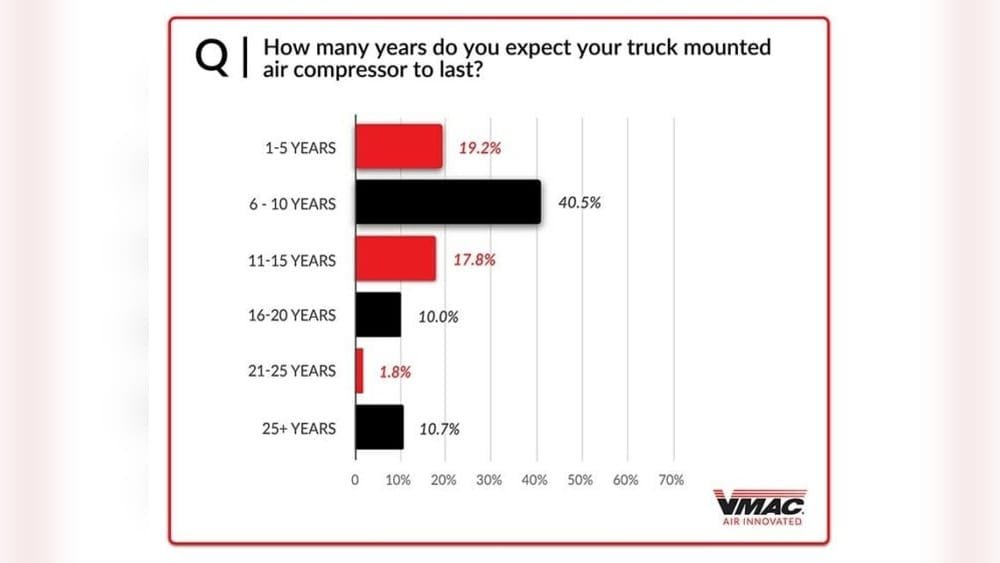
If you’ve ever owned an air compressor, you know how handy they can be. I’ve used them for everything from inflating tires to painting projects and powering tools in my garage. One thing I get asked all the time is, “How long do air compressors last?
” Honestly, I wondered the same thing when I bought my first compressor. Over the years, after buying, using, and sometimes breaking a few, I’ve learned a lot about what affects their lifespan. Let me walk you through everything I wish I’d known when I started.
What Determines How Long An Air Compressor Lasts?
I used to think all air compressors were about the same. That’s not true. There are a few key things that decide how long yours will run before it gives out.
- Type of compressor: Rotary screw, piston, and portable compressors all have different life expectancies.
- How often you use it: Daily use wears parts faster than once-a-month jobs.
- Maintenance: Regular oil changes, draining the tank, and cleaning filters make a huge difference.
- Build quality: Some brands use better parts.
- Environment: Dust, heat, and humidity can shorten lifespan.
The first compressor I bought was a cheap one. I used it for car tires and some power tools. It died after two years. Later, I spent more on a better brand, and with care, it’s lasted me over eight years and still runs great.
Average Lifespan: Numbers That Matter
You might be wondering, “How many years, exactly? ” Here’s what I’ve seen and learned from other users and manufacturers.
| Type of Air Compressor | Average Lifespan (Years) | Typical Usage |
|---|---|---|
| Rotary Screw | 15–20 | Industrial, continuous use |
| Piston/Reciprocating | 10–15 | Workshops, garages |
| Portable/Oil-free | 3–8 | DIY, home use |
Most of my DIY friends have piston compressors. With regular care, they often last over ten years. But, if you forget maintenance, you might only get five.

Key Parts That Wear Out
I once thought if an air compressor started, it was fine. Wrong! Some parts go bad before others. Here are the main ones I’ve replaced or seen fail:
- Piston rings (in piston types): These can wear out and cause loss of pressure.
- Motor and pump: The heart of the compressor. If either fails, repairs can be costly.
- Pressure switch: This tells the compressor when to stop and start. When it stops working, the whole unit can act strange.
- Tanks: Rust is a big enemy. If you never drain the tank, water builds up and the tank can even leak or burst.
I had to replace a rusty tank once. It was not cheap. Now I drain my tank after every use.
How Usage Affects Lifespan
Let me give you two examples. My neighbor uses his compressor every day for his auto shop. He replaces his piston rings every few years and changes the oil often. His machine is ten years old and still strong.
My cousin, on the other hand, uses his compressor once every few months. He never drains the tank. After four years, his tank rusted out, and he had to buy a new one.
It’s not just about how much you use it, but how you use it.
Maintenance: The Lifespan Booster
This is the biggest thing I’ve learned. Maintenance is everything. Here’s what I do:
- Drain the tank after every use: I can’t stress this enough. Water causes rust.
- Check and change the oil: If your compressor uses oil, check it monthly. Change it as the manual says.
- Clean the air filter: Dust and dirt make the compressor work harder.
- Check for leaks: Spray soapy water on the connections and watch for bubbles.
- Inspect safety valves: Make sure they aren’t blocked.
- Run it in a clean, cool place: Heat and dust shorten life.
I’ve seen compressors fail in two years due to poor maintenance. I’ve also seen them last 15 years with simple care.
A Quick Maintenance Comparison
Here’s how regular care impacts the life of your compressor:
| Maintenance Level | Expected Lifespan | Common Issues |
|---|---|---|
| Excellent | 10–20 years | Minor wear, rare failures |
| Average | 5–10 years | Some leaks, possible rust |
| Poor | 2–5 years | Rust, motor failure, leaks |
Signs Your Compressor Is Near The End
I’ve learned to spot these warning signs before things get worse:
- Losing pressure: If your compressor takes longer to fill or won’t hold pressure, something’s worn out.
- Strange noises: New clanking or grinding sounds mean trouble.
- Oil leaks: For oil-lubricated models, leaks mean worn seals or gaskets.
- Frequent overheating: If it gets hot fast, the motor or pump may be failing.
- Visible rust or cracks in the tank: This is dangerous. Stop using it and fix or replace the tank.
One time, I ignored a small leak. It got worse until the compressor wouldn’t build pressure at all. A cheap gasket would have fixed it early.
How To Make Your Air Compressor Last Longer
Here’s my personal checklist, based on years of use (and mistakes):
- Read the manual: Every compressor is a little different. The manual gives you key info.
- Keep it clean: Dust is a killer.
- Drain moisture often: I do this every time, even if I’m tired.
- Use it as intended: Don’t run a small compressor for big jobs.
- Replace worn parts quickly: Small fixes can prevent big repairs.
- Store it indoors: Weather can ruin a compressor fast.
- Let it rest: Don’t run it non-stop if it’s not built for that.
Most people miss the moisture and dust problems. In my experience, those two things cause the most failures.
The Role Of Brand And Price
Not all compressors are equal. My first one was a no-name brand from a discount store. It died fast. My current one is from a well-known company, and the quality is clear.
A $100 compressor may last three years. A $400 one, with better parts, could last fifteen. If you use your compressor a lot, spending more up front makes sense.

When To Repair And When To Replace
I’ve had to make this decision a few times. If the tank is rusty or cracked, I replace the compressor. If it’s just the pressure switch or gasket, I fix it. Motors and pumps are expensive—sometimes, it’s cheaper to buy a new unit.
A good rule: If repair costs more than half the price of a new compressor, I get a new one.
How Air Compressor Technology Has Improved
Modern compressors are much better than old ones. Newer models are quieter, more efficient, and often have better protection against rust. Some now have moisture traps and better filters built in.
If you’re using an older model, upgrading can save money on electricity and repairs in the long run. I noticed my power bill went down after switching to a newer, more efficient compressor.
Common Mistakes That Shorten Lifespan
Here are things I’ve done (and seen others do) that kill compressors fast:
- Ignoring moisture: This is the number one killer, in my experience.
- Skipping oil changes: Oil keeps the motor and pump alive.
- Using the wrong extension cord: Long, thin cords can overheat the motor.
- Not checking for leaks: Small leaks force the compressor to work harder.
- Running it in hot, dusty places: Heat and dust speed up wear.
Avoid these, and you’ll add years to your compressor’s life.
Real-world Example
Let me share a story. My friend Tom bought a small portable compressor for his woodworking shop. He stored it in his garage, never drained the tank, and used it on long extension cords. After three years, the tank rusted out and the motor burned.
I bought a similar compressor. I drained it every time, checked the oil, and kept it indoors. Mine lasted almost eight years before I sold it (still working).
The lesson: small habits make a big difference.

Is It Worth Buying A Used Compressor?
I’ve bought used compressors a couple of times. Here’s what I’ve learned:
- Always check for rust inside the tank.
- Listen for odd noises when running.
- Ask about maintenance history.
- Avoid if you see oil leaks or lots of dirt.
Sometimes you can get a great deal, but you’re taking a chance. I’ve had good luck, but only when the owner could prove they maintained it.
Environmental Factors: What I Didn’t Realize
When I first started, I didn’t think about where I used my compressor. Humid air brings more water into the tank. Dusty air clogs filters. Hot garages make motors overheat.
Now, I keep my compressor in a cool, clean spot and always run a fan nearby on hot days. It really helps.
Comparing Lifespan: Air Compressor Vs. Other Tools
Here’s how air compressors stack up against some other common tools in my shop:
| Tool | Average Lifespan (Years) | Maintenance Needs |
|---|---|---|
| Air Compressor | 5–20 | High (oil, tank draining) |
| Electric Drill | 5–10 | Low |
| Table Saw | 10–15 | Medium (blade changes) |
| Shop Vac | 5–8 | Low (filter cleaning) |
You can see, with care, a compressor can outlast most of your tools.
When Should You Replace Your Air Compressor?
Here are the signals I use:
- Tank rust or cracks
- Motor or pump failure (if repair is too expensive)
- Frequent breakdowns, even after repairs
- Safety valve not working
If you feel unsafe, or if repairs cost more than a new unit, it’s time to replace.
Final Thoughts
After years of using air compressors, I can say they’re built to last—if you treat them right. Maintenance, storage, and buying quality matter more than anything. I’ve seen cheap compressors die young and well-cared-for ones run for decades. Take a little time to look after yours, and it’ll take care of you for years.
If you want to dig deeper into compressor maintenance and lifespan, you can find technical guides at the Wikipedia Air Compressor page.
Frequently Asked Questions
How Often Should I Change The Oil In My Air Compressor?
For most home compressors, change the oil every 3–6 months or after about 500 hours of use. Check your manual for the exact schedule. I check mine monthly just to be safe.
Can I Use My Air Compressor Outside?
You can, but be careful. Rain, humidity, and dust can damage it fast. If you must use it outside, keep it covered and dry, and bring it in when you’re done.
Why Does My Compressor Tank Fill With Water?
Air always contains some moisture. When it’s compressed, water condenses in the tank. That’s why draining the tank is so important. I do it every time.
Is It Safe To Repair A Rusty Tank?
No. A rusty tank can burst under pressure. If you see rust, replace the tank or the whole compressor. Safety first.
What’s The Best Way To Store My Air Compressor?
Keep it indoors, in a dry, clean place. Drain the tank after each use, and cover it to keep out dust. This simple habit adds years to its life.
As an Amazon Associate, We earn from qualifying purchases