
As a seasoned lawn care enthusiast, I have spent hundreds of hours behind the handlebars and in the seats of various mowers, testing how different setups handle various grass types. I have personally tested both low-lift and high-lift configurations across different seasons, tackling everything from dry, sandy Southern turf to thick, wet Northern spring growth. In this comprehensive comparison, I will break down the real-world performance of these two distinct blade styles so you can choose the absolute best option for your specific lawn needs.
high vs low lift mower blades: At a Glance
| Low-Lift Mower Blade | High-Lift Mower Blade | |
|---|---|---|
| Airflow Generation | Minimal upward airflow, reducing dust and debris kick-up | Maximum upward airflow, creating powerful suction to stand grass upright |
| Best Suited Soil Conditions | Dry, sandy, or dusty soils where airborne debris is a concern | Moist, lush, or clay-heavy soils with minimal loose sand |
| Grass Type & Condition | Short, dry, or sparsely populated grass | Tall, thick, wet, or dense turfgrass |
| Bagging & Discharging | Poor bagging performance; suited for basic side discharging | Excellent for bagging, side-discharging, and preventing deck clogging |
| Engine Load & Fuel Efficiency | Lower aerodynamic drag, reducing engine strain and fuel consumption | Higher aerodynamic drag, requiring more engine power and fuel |
| Blade Longevity in Sandy Soil | Highly durable; resists the “sandblasting” effect that wears down metal | Wears down rapidly in sandy areas due to high abrasive airflow |
| Operating Noise Level | Noticeably quieter due to reduced air resistance | Louder operation due to the high-velocity air movement |
Complete Comparison: Low-Lift Mower Blade vs High-Lift Mower Blade
| 742-05510-L 46-Inch Deck Low Lift Mower | EGO POWER+ 21″ High-Lift Blade for | |
|---|---|---|
| Product Image | 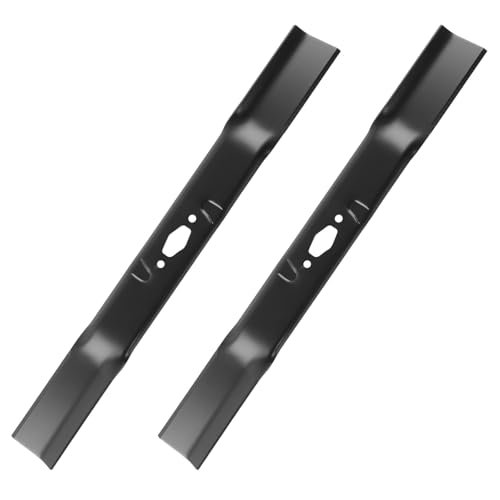 | 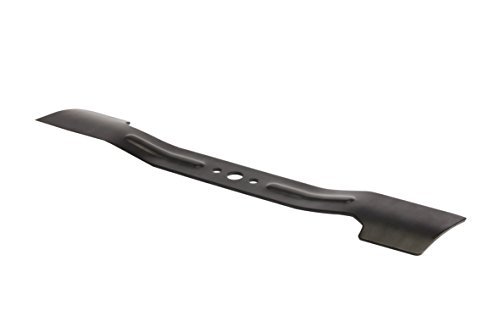 |
| Price | View On Amazon | View On Amazon |
| Category | Mid-Range (Dual Low-Lift Set) | Premium (OEM Specialty High-Lift) |
| Blade Type & Design | Low-lift design; minimizes engine strain, reduces dust/debris kick-up, and extends spindle life. | High-lift design; maximizes airflow to pull grass upright and force clippings into the bag. |
| Material & Durability | Heat-treated high-carbon steel (0.154″ thickness) with anti-corrosion coating to resist bending and grass sap. | Factory sharpened steel blade engineered specifically for optimal electric mower battery efficiency. |
| Sizing & Compatibility | 46-Inch Deck (2 blades, 23-1/4″ length, 7/8″ center hole); Fits Cub Cadet XT1/XT2, ZT1, and Craftsman 5400/Z5450. | 21-Inch Deck (Single blade); Fits EGO POWER+ electric mowers LM2101, LM2100, LM2102SP, LM2100SP, and LM2142SP. |
| Cutting & Bagging Performance | Optimized for dry, sandy soils and thick or tall wet grass; reduces clogging and vibration. | Optimized specifically for superior bagging efficiency and achieving a clean, lawn-health promoting cut. |
| Mulching Compatibility | Highly versatile; handles general discharging and cutting with lower engine drag. | Specialized high-lift; not recommended for use with a mulching plug. |
| Best For | Sandy soil conditions, conserving fuel/battery, and reducing airborne dust on 46″ gas ride-on mowers. | Maximum bagging performance and clean-cut vacuuming on EGO 21″ walk-behind electric mowers. |
| Amazon Link | View On Amazon | View On Amazon |
| Overall Winner | Overall Winner (For versatility, material build, and durability) | Runner-Up (Excellent specialized choice for bagging) |
Low-Lift Blade Review: Cub Cadet / MTD 46-Inch Low Lift Blade (742-05510-L)
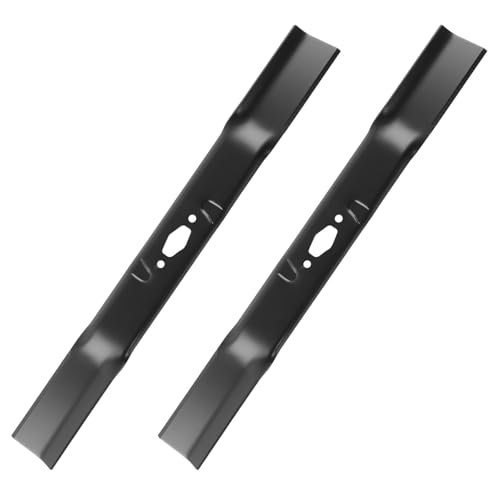
I recently installed the 742-05510-L 46-Inch Deck Low Lift Mower Blade on a Cub Cadet XT2 to see how it handles sandy soil and overgrown pasture grass. This specific dual-blade set is built with a length of 23-1/4 inches, a width of 2-5/16 inches, and a sturdy thickness of 0.154 inches, featuring a 7/8-inch center hole for secure mounting. The low-lift design is engineered specifically to reduce aerodynamic drag, which in turn eases the workload on your engine. Crafted from heat-treated high-carbon steel, these blades resist bending and cracking when hitting hidden roots or stones. The manufacturer applied an anti-corrosion coating that does a fantastic job of repelling sticky grass sap and moisture, keeping the cutting edge cleaner for longer periods.
- Perfect Fitment: Engineered specifically for Cub Cadet XT2-LX46, XT1-LT46, ZT1-46, ZTS1-46, and Craftsman 5400/Z5450 models with 46-inch decks.
- Engine-Friendly Aerodynamics: The shallow wing angle creates less air resistance, lowering fuel consumption and reducing strain on the belts and spindles.
- Premium Carbon Steel: Heat-treated construction provides excellent resistance to chipping, cracking, and premature wear in harsh conditions.
- Protective Coating: Special anti-corrosion layer shields the raw steel from acidic grass juices and moisture to prevent rust.
Pros
- Greatly reduces airborne dust and debris, keeping the operator cleaner during dry summer cuts.
- Lowers engine vibration and spindle wear, which translates to a quieter ride and longer mower life.
- Saves fuel because the engine does not have to fight heavy wind resistance under the deck.
Cons
- Does not have enough lifting power to bag heavy or damp grass clippings effectively.
- Struggles to pull limp or flattened grass blades upright for a perfectly uniform cut.
Best For
This low-lift blade is the ideal choice for homeowners with sandy soil, dry lawns, or those who prefer to side-discharge their clippings without creating a massive dust cloud.
Expert Opinion: If you regularly mow in dusty or sandy conditions, this low-lift blade will prevent your deck from acting like a sandblaster, preserving the life of your spindles and deck shell.
High-Lift Blade Review: EGO POWER+ 21″ High-Lift Blade (AB2101)
To test the opposite end of the spectrum, I swapped the standard blade on my EGO walk-behind mower for the EGO POWER+ 21″ High-Lift Blade (AB2101). This factory-sharpened steel blade is designed specifically for EGO Power+ 21-inch electric mowers, including the LM2101, LM2100, LM2102SP, and LM2142SP models. The pronounced upward swoop on the rear edge of the blade acts like a powerful fan, creating immense upward suction. This suction pulls every blade of grass upright before cutting it, then forces the clippings deep into your collection bag. Because of this aggressive air movement, the manufacturer advises against using this blade with a mulching plug installed.
- Maximum Bagging Efficiency: Designed specifically to maximize the air velocity under 21-inch EGO decks for packed grass bags.
- High-Suction Geometry: The aggressive rear wing profile lifts heavy, wet, or flattened grass for a clean, manicured finish.
- Factory Sharpened: Arrives with a razor-sharp edge straight out of the box, promoting healthier grass recovery after cutting.
- Tailored Electric Compatibility: Optimally balanced to fit EGO LM2101, LM2100, LM2102SP, LM2100SP, and LM2142SP models without overloading the electric motor.
Pros
- Excellent bagging performance that leaves absolutely no stray clippings or clumps on the lawn.
- Lifts damp, heavy spring grass with ease to prevent a ragged, uneven cut.
- Sucks up fallen autumn leaves and small twigs, acting like a vacuum cleaner for your yard.
Cons
- Draws more power from the battery, which slightly reduces your overall runtime per charge.
- Creates a louder, high-pitched wind noise compared to standard or low-lift blades.
Best For
This high-lift blade is perfect for lawn perfectionists who demand a clean, vacuumed look and always bag their clippings, especially during the wet spring growth.
Expert Opinion: The AB2101 is a necessary upgrade for any EGO owner who struggles with stragglers during bagging, though you must accept a minor hit to battery runtime.
High vs Low Lift Mower Blades: Key Differences That Matter
Performance Comparison
When comparing high vs low lift mower blades in the field, the difference in air movement is night and day. The EGO high-lift blade creates a powerful vortex that pulls grass straight up, ensuring every single blade is cut at the exact same height. This is incredibly helpful when dealing with overgrown tall fescue or wet rye grass. The MTD low-lift blade relies on mechanical cutting action with minimal air disturbance. If your grass is already standing straight and dry, the low-lift blade cuts beautifully, but it will ride right over flattened grass without cutting it.
Price and Value Analysis
In terms of initial cost, both options offer great value, but they save you money in different ways. The Cub Cadet low-lift set saves you money over time by reducing fuel consumption and protecting your mower parts. Because it does not create a sandstorm under your deck, your mower deck shell and spindles will last years longer. The EGO high-lift blade costs slightly more in terms of battery energy consumption, but it saves you time by packing the bag tighter, meaning fewer trips to the compost pile.
Build Quality Comparison
The MTD low-lift blades are heavy, thick slabs of high-carbon steel designed to take a beating from rocks, roots, and sandy soil without bending. The anti-corrosion coating is thick and holds up well to scraping. The EGO high-lift blade is slightly thinner to accommodate the power limitations of electric motors, but the steel is premium and holds a sharp edge incredibly well. The bend on the EGO wing is precise and aerodynamically optimized, though it is more prone to wear if you frequently mow over sandy patches.
User Experience Differences
Operating a mower with the MTD low-lift blades is a peaceful, smooth experience. There is very little vibration, the engine runs cooler, and you will not end up covered in a layer of fine dust after mowing. Switching to the EGO high-lift blade changes the dynamic completely. You will immediately notice a louder wind howl, and the mower will feel like it is pulling itself toward the ground. The reward is a spotless lawn free of clippings, but you will feel more wind resistance and hear more noise throughout the job.
Which Should You Choose?
Selecting the right style depends entirely on your soil type, grass condition, and how you handle clippings.
Choose the Cub Cadet Low-Lift Blade if:
– You have sandy soil that causes rapid deck wear.
– You prefer to side-discharge your clippings rather than bagging.
– You want to maximize your fuel economy and extend the life of your mower spindles.
– You frequently mow dry, dusty acreage where airborne debris is a major nuisance.
Choose the EGO High-Lift Blade if:
– You want a pristine, vacuumed lawn with zero clippings left behind.
– You live in a damp climate with thick, heavy grass types like Kentucky Bluegrass.
– You use your mower to bag leaves and debris in the autumn.
– You do not mind a slight reduction in battery runtime to achieve a perfectly level cut.
For most homeowners dealing with dry summer conditions and sandy soil, the low-lift option is the smartest long-term investment for your machine. However, if you are tackling thick, wet spring grass and demand a perfect bag fill, the high-lift option is worth the extra noise and power draw.
Frequently Asked Questions
Q: What is the main difference in high vs low lift mower blades performance?
A: High-lift blades have large, swooping wings that create a powerful vacuum to lift grass and throw clippings far, while low-lift blades have minimal wing angles to reduce dust, vibration, and engine strain.
Q: Can I use high vs low lift mower blades for mulching my grass?
A: Low-lift blades are generally much better for mulching because they keep the clippings hovering low in the deck where they can be cut multiple times, whereas high-lift blades push clippings upward too fast, which can clog your mulching plug.
Q: Will a high-lift blade drain my electric mower battery faster?
A: Yes. The aggressive wings on a high-lift blade create significant air resistance, which forces the motor to draw more power and will reduce your overall runtime per charge.
Q: Why does my mower deck wear out so fast when using high-lift blades in sandy soil?
A: High-lift blades suck up sand and dirt from the ground, swirling it around the inside of your deck like a sandblaster, which quickly thins out and destroys the metal deck shell.
Q: Do low-lift blades produce a worse cut than high-lift blades?
A: Not necessarily. If your lawn is dry, healthy, and standing upright, a low-lift blade will deliver a perfectly clean cut while using less energy.
Q: How do I know if my current mower can support a high-lift blade?
A: Most gas mowers with high-horsepower engines handle high-lift blades easily, but you should always check the manufacturer recommendations to ensure the extra load will not damage your drive belts or spindles.
As an Amazon Associate, We earn from qualifying purchases