
If you have spent time working with bikes, furniture, electronics, or even basic home repairs, you have probably heard both “hex wrench” and “Allen wrench. ” Some people use these words as if they mean the same thing. Others argue there’s a difference.
This can be confusing, especially for beginners or anyone shopping for tools. Understanding the real story behind these terms helps you choose the right tool, avoid mistakes, and get better results in your projects.
Let’s look at what sets a hex wrench apart from an Allen wrench, when to use each, common misunderstandings, and practical tips. By the end of this guide, you will feel confident walking into any hardware store or reading tool instructions, knowing exactly what you need.
What Is A Hex Wrench?
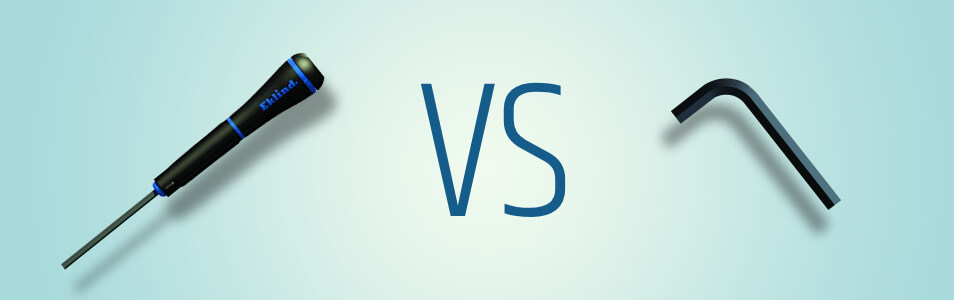
A hex wrench is a simple hand tool designed to drive bolts and screws with a six-sided socket, also known as a hexagonal socket. The tool itself is shaped like an “L” or sometimes a “T,” and its working end is a straight rod with a six-sided cross-section that matches the hole in the bolt head.
Hex wrenches come in a variety of sizes, from tiny (for electronics or glasses) to large (for machinery or heavy furniture). They are valued for their simplicity, compact size, and the strong grip they provide.
Where Are Hex Wrenches Used?
- Bicycles: Adjusting seat posts, handlebars, and brakes.
- Furniture assembly: Especially with flat-pack furniture like IKEA products.
- Machinery maintenance: Fastening parts in engines, 3D printers, and more.
- Electronics: Securing small parts in computers or appliances.
Hex Wrench Materials
Most hex wrenches are made from hardened steel, sometimes with a black oxide or chrome finish to resist rust. Some premium versions use materials like chrome vanadium or S2 tool steel for higher strength and longer life.
What Is An Allen Wrench?
An Allen wrench is actually a brand name that became so common it turned into a generic word. The Allen Manufacturing Company, in Connecticut, USA, patented the tool in the early 20th century and called it the “Allen wrench.” But the tool itself is identical to a standard hex wrench.
So, an Allen wrench is a type of hex wrench, but not all hex wrenches are “official” Allen wrenches. Over time, “Allen wrench” has become a common term for any hex key, no matter the brand.
Why The Confusion?
- Brand vs. Tool: The Allen brand made high-quality wrenches, so the name stuck.
- Language habits: People use “Allen wrench” and “hex wrench” as if they mean the same thing.
- Product packaging: Some companies use “hex key,” others use “Allen key,” but the tools look identical.
Where Are Allen Wrenches Used?
Anywhere you use a hex wrench, you can use an Allen wrench. The terms are interchangeable in practice.

Hex Wrench Vs Allen Wrench: Main Differences
Many people wonder if there’s any real difference between a hex wrench and an Allen wrench. Let’s compare them side by side.
| Feature | Hex Wrench | Allen Wrench |
|---|---|---|
| Name Origin | Generic tool name | Brand name (Allen Manufacturing) |
| Shape & Design | L- or T-shaped, hexagonal cross-section | Same as hex wrench |
| Materials | Hardened steel, chrome vanadium, S2, etc. | Usually high-quality steel (Allen brand) |
| Uses | General mechanical and assembly work | Identical uses |
| Interchangeable? | Yes | Yes |
The main point: There is no functional difference. The only difference is the name and sometimes, the reputation of the Allen brand.
Other Names For Hex Wrench
Depending on where you live or work, you might hear different names for the same tool:
- Hex key (common in Europe and UK)
- Allen key (used in UK, Australia, and Asia)
- Inbus key (in Germany and some parts of Europe)
- Unbrako key (named after another brand)
All of these refer to the same basic tool—a six-sided wrench that fits hexagonal sockets.
Why The Hex Shape Matters
The six-sided shape is not just for looks. It’s carefully designed to:
- Fit snugly into hexagonal socket screws
- Distribute force evenly, reducing the chance of stripping the bolt
- Allow high torque without damaging the tool or the screw
A round or square tool would not work as well. The hex shape is the reason these wrenches are so widely used.
Types Of Hex And Allen Wrenches
Not all hex wrenches are exactly the same. Here are some common types you may find:
1. Standard L-shaped
The most common type. One long arm, one short arm, forming an “L. ” The short arm gives more torque, the long arm helps reach tight spaces.
2. T-handle Hex Wrenches
These have a handle shaped like a “T” for better grip and more torque. Useful when you need to tighten bolts firmly or work for a long time.
3. Ball-end Hex Wrenches
These have a rounded tip, allowing you to turn screws at an angle (up to 30 degrees). Perfect for hard-to-reach bolts.
4. Fold-up Hex Key Sets
All the keys are attached to a holder, like a pocketknife. Easy to carry, but not as comfortable for long use.
5. Precision Hex Wrenches
Very small sizes for electronics, eyeglasses, or watch repair. Usually come in sets.
6. Extra-long Hex Wrenches
Designed for deep or recessed bolts. The longer arm gives more reach.
| Type | Main Use | Special Feature |
|---|---|---|
| L-Shaped | General use | Simple, strong, versatile |
| T-Handle | High torque | Comfortable grip |
| Ball-End | Angled access | Can turn at angle |
| Fold-Up | Portability | Keys don’t get lost |
| Precision | Small electronics | Tiny sizes |
| Extra-Long | Deep bolts | Extended reach |
Hex Wrench Sizes: Metric Vs. Imperial
Hex and Allen wrenches come in two main measurement systems:
- Metric (millimeters)
- Imperial (inches, also called SAE)
Metric sizes are common in Europe and Asia, while imperial sizes are more common in the US. Here are some typical sizes:
| Metric (mm) | Imperial (inch) |
|---|---|
| 1.5 | 1/16 |
| 2 | 5/64 |
| 2.5 | 3/32 |
| 3 | 7/64 |
| 4 | 1/8 |
| 5 | 5/32 |
| 6 | 3/16 |
| 8 | 5/16 |
| 10 | 3/8 |
Tip: Using the wrong size (mixing metric and imperial) can strip the bolt or damage the tool. Always match the wrench to the bolt.
Common Mistakes And How To Avoid Them
Here are some errors people often make with hex or Allen wrenches—and how to prevent them:
1. Mixing Up Metric And Imperial Sizes
A 3mm wrench looks almost like a 1/8-inch wrench, but they’re not the same. Forcing the wrong size can strip the bolt head. Always double-check which system your bolts use.
2. Using Worn Or Damaged Wrenches
If the tip is rounded or twisted, it won’t grip properly. Replace damaged wrenches to avoid slipping and injury.
3. Applying Too Much Force
Hex bolts are strong, but the tool is small. If you need to use lots of force, switch to a T-handle or use a longer wrench for leverage. If the bolt does not move, check for rust or use a lubricant.
4. Not Inserting Fully
If the wrench is not fully inside the bolt head, it may slip and round off the corners. Always push the wrench in all the way before turning.
5. Losing Small Wrenches
Hex keys are small and easy to lose. Keep sets in a holder or on a ring. Fold-up sets help prevent loss.
How To Choose The Right Hex Or Allen Wrench Set
With so many options, picking the right set can be tricky. Here’s what really matters:
1. Size Range
Get a set that covers all common sizes for your projects. For bikes, sizes from 2mm to 8mm are standard. For furniture, check the assembly instructions.
2. Material And Quality
Look for hardened steel, chrome vanadium, or S2 steel. Cheap tools bend or break easily.
3. Handle Design
If you work a lot with hex bolts, a T-handle or ball-end can save time and effort.
4. Storage
A good case, holder, or fold-up design keeps tools organized and easy to carry.
5. Brand Reputation
While Allen is a trusted brand, many other companies make excellent tools. Read reviews and choose reliable brands.
Non-obvious Insights
- Precision Matters: Cheap, poorly made wrenches may not fit snugly, even if the size is correct. This increases the risk of stripping bolts, especially on delicate electronics or expensive bike parts.
- Ball-End Types Are Not for High Torque: Ball-end wrenches are great for angled access, but they are weaker than flat-end wrenches. Use flat ends for breaking loose tight bolts.
Allen Wrench In Popular Culture And Industry
The Allen wrench has become a symbol of DIY culture. It’s included with almost every flat-pack furniture kit. The IKEA Allen key is famous around the world. In manufacturing, the Allen screw is valued for its clean look (the bolt head is flush with the surface) and security (harder to tamper with than standard screws).
Many industries use hex and Allen wrenches: automotive, aerospace, construction, electronics, and even musical instrument repair.
Are There Alternatives To Hex And Allen Wrenches?
Some screws use other drive types, such as Torx, Robertson (square), or Phillips. But the hex drive remains popular because it balances strength, simplicity, and ease of manufacturing.
If you work on different types of equipment, you may need more than one type of wrench or driver.
Real-world Example: Bicycle Repair
A typical bike uses hex bolts almost everywhere:
- Seat clamp (5mm)
- Brake levers (4mm)
- Derailleur (2.5mm or 3mm)
- Pedals (6mm or 8mm)
A good hex wrench set is essential for any cyclist. Always use the correct size to avoid damaging expensive components.
For more technical details about the history and use of Allen wrenches, visit the Wikipedia Hex Key page.

Frequently Asked Questions
What Is The Main Difference Between A Hex Wrench And An Allen Wrench?
There is no functional difference. “Hex wrench” is the general name for the tool, while “Allen wrench” refers to the brand that popularized it. Today, most people use the terms interchangeably.
Can I Use A Hex Wrench Instead Of An Allen Wrench?
Yes. As long as the size matches, you can use any hex wrench in place of an Allen wrench. The important thing is that the wrench fits the hexagonal socket of the bolt.
Why Do Some Bolts Use Hex Sockets?
Hex sockets provide a strong grip, allow for higher torque, and are less likely to strip compared to other types of screw heads. They also let designers create flush surfaces, which look better and are safer.
How Can I Tell If My Bolt Needs A Metric Or Imperial Hex Wrench?
Check the size markings on the bolt or in the instructions. If it’s in millimeters, you need a metric wrench. If it’s in inches or fractions, use an imperial wrench. When in doubt, try both but never force the wrong one.
Are Allen Wrenches Included With Furniture Or Electronics?
Yes, most flat-pack furniture and some electronics include a basic Allen (hex) wrench. However, these are often low quality. For regular use, invest in a good set.
A hex wrench and an Allen wrench are, for all practical purposes, the same tool. Understanding the difference is mostly about branding and naming. The important thing is to choose the right size, quality, and style for your project. With the right hex wrenches, you can tackle repairs, assembly, and DIY projects with confidence and ease.
As an Amazon Associate, We earn from qualifying purchases