
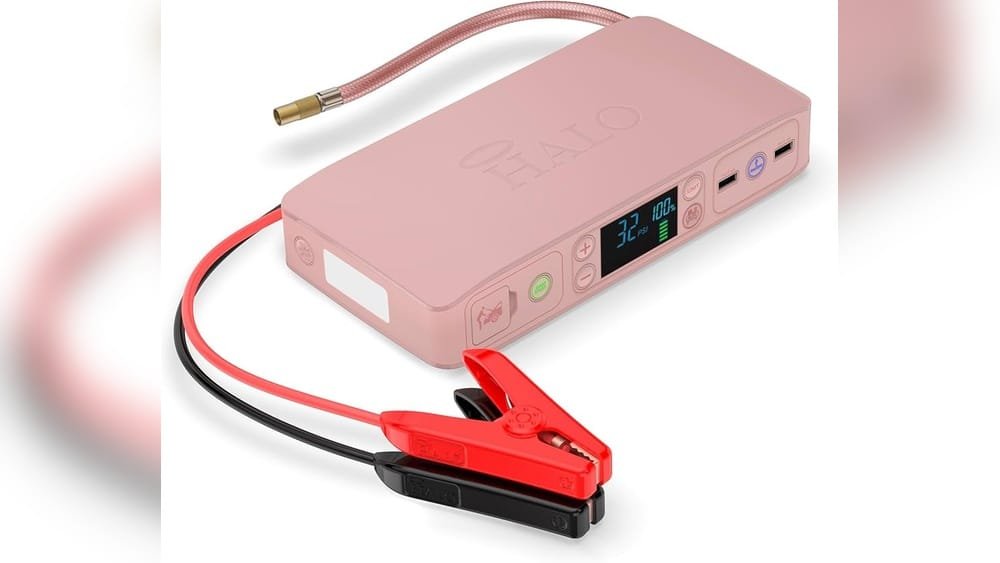
If you’re reading this, you’re probably like me: you needed your Halo Bolt Air Compressor to work—maybe for your car, your bike, or even an inflatable pool toy. But one day, it just didn’t work. I’ve been there, and I know how confusing and frustrating that can be. I want to share my story, what I learned, and everything you need to know if your Halo Bolt Air Compressor isn’t working. I hope my experience helps you save time, money, and stress.
How I Discovered My Halo Bolt Wasn’t Working
I use my Halo Bolt Air Compressor a lot, especially on road trips. One morning, I noticed my car tire looked low. No problem, I thought—I had my trusty Halo Bolt. I plugged it in, pushed the power button, and… nothing happened.
No lights. No noise. No air. My heart sank.
I tried again. Still nothing. I checked the display, pressed the buttons, and switched the hose from tire to ball mode. Still dead. At first, I worried I broke something. Was it the unit? The battery? The connections? I started searching for answers.
Most Common Reasons The Halo Bolt Air Compressor Stops Working
After some research and testing, I realized the Halo Bolt can fail for a few main reasons. Let me walk you through them, so you can check each one and maybe find a quick fix.
1. The Battery Is Dead
This is the most common issue. If the battery is empty, nothing will work. I had left my Halo Bolt in the car for months without charging it. The battery drained, and the compressor couldn’t turn on.
What To Try
- Plug the Halo Bolt into a wall charger or your car’s 12V outlet.
- Let it charge for at least 2–3 hours.
- Check the battery indicator lights. If they’re still off, try a different charging cable or adapter.
2. The Power Button Or Display Is Faulty
Sometimes, the power button can stick or stop working due to dirt or wear. I noticed my unit’s button didn’t always click cleanly.
What To Try
- Press the power button firmly for a few seconds.
- Wiggle it gently—sometimes a little movement helps.
- Clean around the button with a dry cloth. Do not use water.
3. The Hose Or Connections Are Loose
Check the air hose and the connection to the unit and the tire or item. If the hose isn’t tight, air can leak, or the compressor won’t even start.
What To Try
- Remove and reattach the hose.
- Make sure the nozzle clicks into place.
- Try a different attachment (like the needle for balls) to see if it works.
4. The Fuse Has Blown
The Halo Bolt has a fuse to protect the device. If you used it for a long time or on a big tire, you might have blown the fuse.
What To Try
- Check the user manual for the fuse location.
- Replace the fuse if you see a broken wire inside.
- Use a fuse with the same rating as the old one.
5. Internal Damage Or Defect
Sometimes, the problem is inside the unit. Maybe the motor failed, or a wire came loose. I opened mine once (after the warranty expired) and found a loose wire.
What To Try
- If your Halo Bolt is under warranty, contact support.
- Do not open the unit if you’re not comfortable with electronics.
- If the warranty is over, and you feel brave, you can open it and look for loose wires.
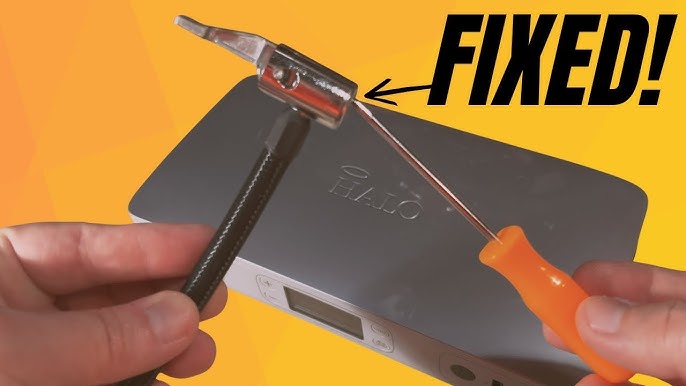
Step-by-step Troubleshooting Guide
Let me walk you through my exact troubleshooting steps. This way, you won’t miss anything, and you can save time.
Step 1: Check The Battery
First, I plugged my Halo Bolt into the charger and watched the lights. If your lights blink or turn on, that’s a good sign. If not, try a different outlet or cable.
Step 2: Try The Power Button
Next, I pressed and held the power button. If nothing happened, I cleaned around the button and tried again.
Step 3: Inspect The Hose And Attachments
I unscrewed the hose, checked for cracks or leaks, and reattached it firmly. I also switched to the ball needle attachment and tried to inflate a soccer ball, just to test.
Step 4: Listen For Sounds
When I pressed start, I listened closely. If you hear a click but no motor, the compressor might be jammed. If you hear nothing, it’s more likely the battery, button, or fuse.
Step 5: Check For Error Messages
Some Halo Bolt models show an error code on the display. Look for any letters or numbers and check the manual for what they mean.
Step 6: Inspect The Fuse
If you’re comfortable, open the fuse cover (usually near the charging port). If it looks burned or broken, replace it.
Step 7: Contact Support
If none of these steps work, reach out to Halo customer support. They know the device best and may offer a replacement if you’re under warranty.
Real-world Example: Comparing Halo Bolt Symptoms
Here’s a quick comparison of what different problems look like, based on my experience.
| Problem | Symptom | Quick Test |
|---|---|---|
| Dead Battery | No lights, no sound | Plug in and check lights |
| Blown Fuse | No power, even when charged | Check/replace fuse |
| Loose Hose | Air leaks, no inflation | Reconnect hose tightly |
| Stuck Button | Button won’t click, no response | Clean and press firmly |
| Internal Damage | Clicks, but no motor | Contact support |
What I Wish I Knew Before
Looking back, there are a few things I wish I had known when I first had trouble.
- Charge Regularly: If you leave your Halo Bolt in your car, charge it every 1–2 months. Batteries drain even when not in use.
- Don’t Overwork It: If you use the compressor for more than 10 minutes at a time, let it cool down. This prevents overheating and blown fuses.
- Store Properly: Keep the device in a dry, cool place. Heat and moisture can damage electronics fast.
How To Prevent Future Halo Bolt Problems
After my headaches, I now take a few simple steps to keep my Halo Bolt working great.
- Monthly Charging: I set a reminder on my phone to charge the unit every month, even if I don’t use it.
- Quick Inspections: Every time I use it, I check the hose for cracks and the display for error messages.
- Proper Storage: I keep mine in the glove box or a cool garage shelf, away from extreme heat or cold.
- Careful Use: I use the compressor for short bursts, not long runs. If I need to inflate a big tire, I give it breaks to cool down.

When To Repair, Replace, Or Upgrade
If your Halo Bolt still won’t work, you might wonder if it’s worth fixing or if you should buy a new one. Here’s what I learned:
- Repair: If the problem is a battery or fuse, repairs are usually cheap. If it’s the motor or board, repairs can cost almost as much as a new unit.
- Replace: If your device is old or out of warranty, sometimes buying a new one is better. New models have better batteries and displays.
- Upgrade: If you need more power or want extra features (like jump-starting a car), newer models or different brands may suit you better.
Here’s a simple table to help you decide:
| Problem | Repair Cost | Replace Cost | Best Choice |
|---|---|---|---|
| Battery/Fuse | $10–$30 | $80–$120 | Repair |
| Motor/Board | $60–$90 | $80–$120 | Replace |
| Cosmetic Issue | $0–$10 | $80–$120 | Repair |
Non-obvious Insights Most People Miss
When my Halo Bolt stopped working, I learned two things nobody told me:
- The Battery Can “Sleep”: If you drain the battery completely, sometimes it enters a “sleep mode” and won’t charge right away. Plug it in for several hours—even overnight—before giving up.
- Firmware Glitches Exist: Some new units have simple software errors. Try holding the power button for 10–15 seconds to reset the device.
These tricks helped me get my unit back once when I thought it was dead for good.
When To Call A Professional
If you’ve tried everything and your Halo Bolt still won’t work, it’s time for help. Call support or visit a repair shop. If you’re under warranty, don’t open the device—let the experts handle it. If not, and you’re handy, you can search for repair guides on trusted forums like iFixit.
Alternative Air Compressor Options
If you decide to buy a new air compressor, compare your choices. Here’s how the Halo Bolt stacks up against other popular brands I’ve tried.
| Feature | Halo Bolt | Black+Decker | DeWalt |
|---|---|---|---|
| Max PSI | 100 PSI | 160 PSI | 160 PSI |
| Battery Life | 3–4 inflations | 5–6 inflations | 5–6 inflations |
| Weight | 2.5 lbs | 4 lbs | 3.5 lbs |
| Jump Starter | Yes | No | No |
| Price Range | $80–$120 | $60–$90 | $90–$140 |
From my experience, the Halo Bolt is great for emergencies and light use, but if you need more power, consider something stronger.

Frequently Asked Questions
Why Won’t My Halo Bolt Air Compressor Turn On?
The most common reason is a dead battery. Try charging it for a few hours. If that doesn’t work, check the fuse, power button, and hose connections. Sometimes, a battery in “sleep mode” needs longer to wake up.
How Long Does The Halo Bolt Air Compressor Last?
With good care, the Halo Bolt can last 3–5 years. Battery life depends on how often you use and charge it. Overuse, heat, or long storage without charging can shorten its life.
Can I Replace The Halo Bolt Battery Myself?
It depends on your model. Some units let you replace the battery or fuse easily. Others are sealed. If you’re not comfortable with electronics, ask a professional.
Is It Safe To Open My Halo Bolt For Repairs?
If your unit is under warranty, do not open it. You could void the warranty. If it’s out of warranty, and you know what you’re doing, open it carefully. Watch out for wires and keep track of screws.
What Can I Do If Nothing Fixes My Halo Bolt?
If you’ve tried everything, contact Halo support or consider getting a new air compressor. Sometimes, internal damage is too costly to fix, especially if the device is old.
I hope my story and these tips make your life a little easier. The Halo Bolt Air Compressor can be a real lifesaver—when it works. If yours isn’t working, don’t panic. Follow these steps, and you’ll likely find the problem or know what to do next.
Safe travels and happy inflating!
As an Amazon Associate, We earn from qualifying purchases