
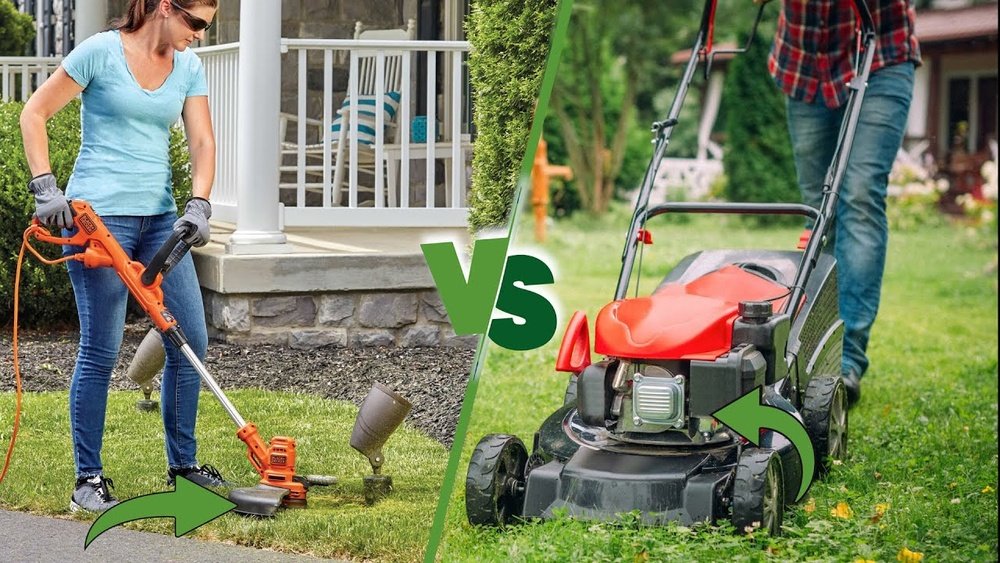
When it comes to keeping your lawn neat and healthy, two tools often come to mind: the grass trimmer and the lawn mower. Many homeowners wonder which is better, or if they need both. The answer depends on your yard size, the type of grass, your goals, and even your personal comfort. Both tools have strengths and weaknesses, and using them the right way can make yard work faster and easier. In this article, you’ll get a clear, side-by-side look at grass trimmers and lawn mowers. We’ll break down how each works, their best uses, what types of lawns they suit, and the practical details that matter most. By the end, you’ll know exactly which tool fits your needs—or if having both makes sense.
What Is A Grass Trimmer?
A grass trimmer—sometimes called a string trimmer or weed eater—is a handheld power tool used for cutting grass and weeds in places a mower can’t reach. It uses a fast-spinning plastic string to slice through grass and light vegetation. Most trimmers have a long shaft, a handle, and a motor at either the top or bottom.
How Grass Trimmers Work
Grass trimmers use a lightweight nylon string, spun at high speed by a small motor. This string is tough enough to cut grass, weeds, and even thin brush. Unlike a mower, which cuts with a horizontal blade, the trimmer’s spinning string acts like a tiny whip.
You can tilt the trimmer to cut at different angles, making it easy to edge along sidewalks or trim around trees and fences.
There are three main types of grass trimmers:
- Electric (corded): Plug into an outlet; good for small yards
- Battery-powered: Rechargeable and portable; less power than gas
- Gas-powered: Most powerful; best for large or tough areas
Where Grass Trimmers Excel
Trimmers shine in tight spaces, like:
- Along flower beds and fences
- Around trees and posts
- Steep slopes or ditches
- Edging sidewalks and driveways
If you have a lot of small obstacles or want a very neat edge, a grass trimmer is hard to beat.
What Is A Lawn Mower?
A lawn mower is a machine designed to cut grass evenly across large, open areas. Most mowers have a rotating blade housed in a deck and wheels for easy movement. You push, ride, or guide the mower over your lawn, and the blade slices the grass at a set height.
Types Of Lawn Mowers
Lawn mowers come in several styles:
- Push mowers: Manual or powered, you walk behind them
- Self-propelled mowers: The wheels move by themselves, you guide the direction
- Riding mowers: You sit and drive, best for large lawns
- Robotic mowers: Programmed to mow automatically
They also differ by power source—gas, electric (corded or battery), or even manual (reel mowers).
Where Lawn Mowers Excel
Lawn mowers are best for:
- Cutting large, flat lawns quickly
- Getting an even, carpet-like finish
- Adjusting grass height easily
- Handling thick or tall grass with the right model
If your yard is mostly open and you want a tidy look, a mower is almost always essential.
Head-to-head Comparison: Grass Trimmer Vs Lawn Mower
To help you compare at a glance, here’s a detailed breakdown of key differences:
| Feature | Grass Trimmer | Lawn Mower |
|---|---|---|
| Best For | Edging, tight spaces, detail work | Large, open areas |
| Cutting Method | Spinning nylon string | Rotating metal blade |
| Average Cutting Width | 12–18 inches | 16–60 inches (depends on type) |
| Power Source | Electric, battery, gas | Manual, electric, battery, gas |
| Maintenance | Low to medium | Medium to high (blades need sharpening/cleaning) |
| Skill Level Needed | Easy to moderate | Easy to moderate |
| Noise Level | Moderate to loud (gas louder) | Moderate to loud (gas riding mowers loudest) |
| Price Range | $30–$250 | $80–$3,000+ |
Key Advantages Of Grass Trimmers
Grass trimmers have several clear strengths that make them valuable, even for people who own a mower.
- Reach and Precision: The biggest advantage is their ability to reach places a mower can’t. Corners, fence lines, and garden edges are easy to tidy up with a trimmer.
- Edging Capability: Most trimmers can be tilted to create sharp, clean edges along paths and flower beds. This gives your lawn a finished, professional look.
- Lightweight and Portable: Most electric and battery trimmers weigh between 5–10 lbs. You can easily carry them around your yard.
- Quick for Small Jobs: For a tiny patch of grass, a trimmer is often faster and less hassle than dragging out a mower.
- Versatile: Some models have attachments for hedges, brush, or even small tilling jobs.
Non-obvious Insights
- Trimmer line type matters: Thicker, twisted, or serrated lines cut better and last longer, but can vibrate more.
- Angle control improves results: Slightly tilting the trimmer head gives a more even cut and reduces “scalping” the lawn.
Key Advantages Of Lawn Mowers
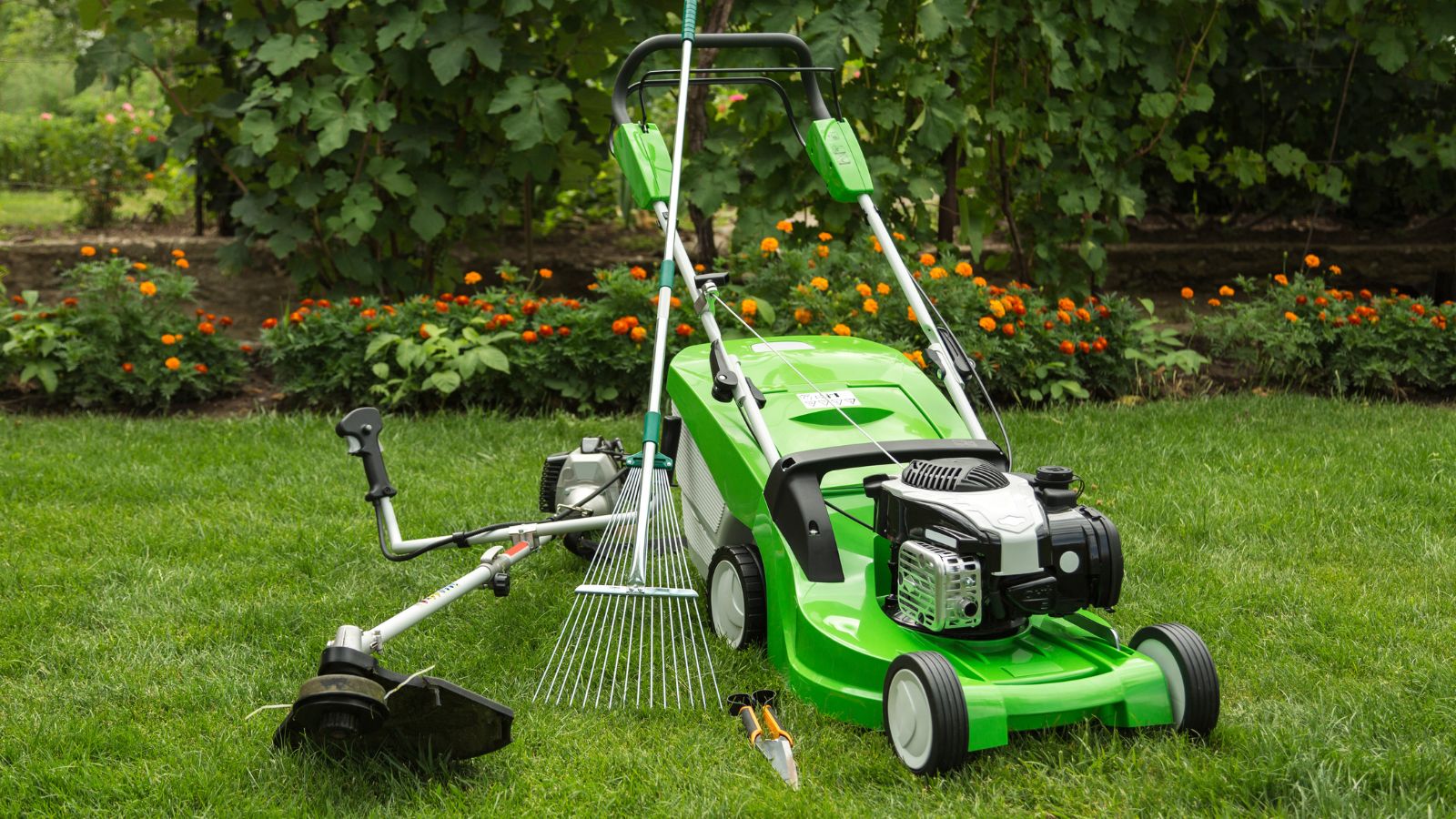
Lawn mowers are the primary tool for larger lawn care for good reasons:
- Speed on Big Lawns: With a wide cutting deck, you can mow thousands of square feet in minutes rather than hours.
- Consistent Height: Most mowers have adjustable wheels or decks, so you can keep your grass at the ideal height for health and looks.
- Better for Thick Grass: Mowers handle tall or thick grass without bogging down (especially gas-powered models).
- Collection Options: Many mowers have bags or mulching features, so you can collect clippings or return nutrients to the soil.
- Safer for Flat Areas: The blade is shielded, reducing the risk of hitting rocks or debris when used properly.
Non-obvious Insights
- Sharp blades save effort: Dull blades tear grass and make the mower work harder, leading to uneven cuts and more fuel or battery use.
- Height adjustment affects weeds: Cutting grass a bit higher (2.5–3 inches) shades out weeds and improves turf health.
Grass Trimmer: Pros And Cons
It helps to see both the positives and the trade-offs of using a grass trimmer.
Pros:
- Reaches hard-to-mow places
- Light and easy to carry
- Great for edges and detail work
- Inexpensive (especially corded models)
- Simple maintenance
Cons:
- Not ideal for large, open lawns
- Can be tiring for big jobs
- May throw debris (wear eye protection)
- Less consistent grass height
- Some models vibrate a lot
Lawn Mower: Pros And Cons
Here are the main benefits and drawbacks of lawn mowers:
Pros:
- Fast for large areas
- Even, adjustable cut
- Handles thick or high grass
- Some collect clippings, reducing cleanup
- Safer on flat, open ground
Cons:
- Can’t reach tight corners or edges well
- Heavier and bulkier to store
- Higher cost (especially for riding models)
- Needs regular maintenance (oil, blades, fuel, etc.)
- Not ideal for steep slopes
Which Tool Is Best For Your Yard?
Choosing between a grass trimmer and a lawn mower depends on your lawn’s size, shape, and what you want your yard to look like.
Small Lawns (under 1,000 Sq Ft)
If your yard is small, with lots of trees, paths, or garden beds, a grass trimmer alone might be enough. For example, city homes with narrow strips of grass often use only a trimmer. However, if you want a perfectly even look, a small push mower plus a trimmer for details works best.
Medium Lawns (1,000–5,000 Sq Ft)
Most homeowners in this range use a lawn mower for the main cutting and a trimmer for edges and obstacles. This combination saves time and gives the neatest result. Consider a battery or electric mower for less noise and easier starting.
Large Lawns (over 5,000 Sq Ft)
If you have a big yard, a riding mower or self-propelled mower is usually essential. A trimmer becomes even more useful for fence lines, trees, and ditches.
Steep Or Irregular Lawns
Grass trimmers can handle slopes, ditches, and uneven ground that mowers struggle with. On very steep banks, a mower may be unsafe or impossible to use.
Example Scenarios
- Urban townhouse: Small, odd-shaped lawn—use a trimmer for all mowing.
- Suburban family home: Large backyard and front yard—mower for main areas, trimmer for edges.
- Rural property: Acreage with fields and orchards—riding mower or tractor plus a heavy-duty gas trimmer.
Cost Analysis: Upfront And Ongoing
It’s important to consider not just the purchase price, but also what you’ll pay to keep the tool running.
| Tool | Average Price Range | Annual Maintenance | Typical Lifespan |
|---|---|---|---|
| Grass Trimmer (Electric/Battery) | $40–$200 | $10–$30 (line, battery, minor parts) | 3–7 years |
| Grass Trimmer (Gas) | $80–$250 | $25–$60 (fuel, line, spark plug) | 5–10 years |
| Push Mower | $80–$350 | $20–$50 (blade, oil, tune-up) | 5–10 years |
| Riding Mower | $1,000–$3,000+ | $100–$300 (oil, belts, blade, tires) | 7–15 years |
Non-obvious insight: Battery replacements for cordless trimmers and mowers can add significant cost after 3–5 years.
Safety Considerations
Both tools require attention to safety. Here’s what you need to know:
Grass Trimmer Safety
- Always wear eye protection (flying debris is common)
- Long pants and closed shoes are smart
- Keep hands away from the spinning line
- Don’t use near pets or children
Lawn Mower Safety
- Remove sticks, rocks, and debris before mowing
- Never put hands or feet under the mower deck
- Turn off and disconnect the spark plug before cleaning or adjusting
- Supervise children; mowers are not toys
Extra tip: Electric mowers and trimmers are quieter, reducing hearing risk, but always check the cord to avoid tripping or cutting it.
Environmental Impact
How you cut your grass can affect the environment.
Grass Trimmers
- Electric/battery trimmers produce zero emissions during use.
- Gas trimmers pollute more, especially older 2-stroke engines.
- Battery models are quieter and less likely to disturb neighbors.
Lawn Mowers
- Manual and electric mowers are most eco-friendly.
- Gas mowers emit carbon monoxide, hydrocarbons, and other pollutants.
- Mulching mowers return clippings to the soil, reducing landfill waste.
Non-obvious insight: Mowing less often and keeping grass a bit longer reduces water use and helps wildlife.
Maintenance Requirements
Keeping your tools in good shape makes them last longer and work better.
Grass Trimmer Maintenance
- Replace the trimmer line regularly
- Clean the guard and motor vents
- Charge batteries fully before storage
- For gas models, check air filter and spark plug
Lawn Mower Maintenance
- Sharpen blades 1–2 times per season
- Change oil (for gas mowers) annually
- Clean under the deck after each use
- Store with fuel stabilizer, or drain gas at season’s end
Extra tip: Check owner’s manuals for specific schedules—neglecting maintenance causes most tool failures.
Common Mistakes To Avoid
Many people misuse or neglect their lawn tools. Here are mistakes to watch out for:
- Using a trimmer for the whole lawn: This leads to uneven height and takes much longer.
- Neglecting blade sharpness: A dull mower blade tears grass, making your lawn look yellow and ragged.
- Ignoring safety gear: Eye injuries are common with trimmers, and mower accidents can be serious.
- Wrong tool for the job: Using a mower on a steep hill, or a trimmer for thick brush, is unsafe and inefficient.
- Letting grass get too long: Both tools struggle with very tall grass; cut regularly for easier work.
Who Should Buy Both Tools?
Most homeowners with medium or larger yards benefit from having both a lawn mower and a grass trimmer. The mower handles the big areas, while the trimmer perfects the edges and deals with tricky spots. Even professionals rely on this combination for the best results.
However, if your yard is very small or made up of mostly obstacles and borders, a trimmer alone might be enough. On the other hand, a wide, open lawn with no fences or trees could be mowed with little need for trimming.
How To Choose The Right Model
If you’re ready to buy, here’s what matters most:
For Grass Trimmers
- Power source: Battery for convenience, gas for strength, corded for low price
- Weight: Lighter is better for long use
- Cutting width: 12–14″ for small jobs, 16–18″ for more speed
- Line feed: Auto-feed is easier than bump-feed
- Adjustable shaft: Helps with user comfort and reach
For Lawn Mowers
- Yard size: Push for small, self-propelled for medium, riding for large
- Cutting width: Wider means faster mowing
- Bagging/mulching: Choose based on your preference
- Height adjustment: Should be easy and cover your grass type
- Storage: Foldable handles or vertical storage save space
Common mistake: Buying too much power or size—bigger is not always better. Match tool to your lawn.
Real-world Examples
Let’s look at how different people make their choice:
- Evelyn in Texas: Has a 1/2-acre yard with many flower beds. She uses a self-propelled mower weekly and trims edges every 2 weeks.
- Raj in California: Apartment with a tiny yard. He uses a lightweight battery trimmer for everything.
- Bill in Ohio: Rural property. He has a riding mower for his big lawn and a heavy-duty gas trimmer for the ditch and fence line.
Alternatives And New Technologies
If you want less work, consider these options:
- Robotic mowers: Program them and they mow for you, but you’ll still need a trimmer for edges.
- Edgers: Specialized tools for creating sharp borders.
- Multi-tool systems: Some trimmers can switch heads for more tasks.
These are more expensive, but can save time if you want a perfect lawn with minimal effort.
Grass Trimmer Vs Lawn Mower: Which Is Easier To Use?
Most people find grass trimmers lighter and easier to pick up, but harder to use evenly. Mowers are heavier, but do most of the work for you over flat areas.
If you’re worried about physical effort, try a self-propelled mower and a lightweight battery trimmer.
Grass Trimmer Vs Lawn Mower: Noise And Vibration
- Electric trimmers and mowers are the quietest.
- Gas-powered tools can be very loud (80–100 dB or more). Consider your neighbors and local noise rules.
- Vibration is higher with trimmers, especially gas models. Use padded gloves to reduce fatigue.
Which Is Better For The Environment?
- Electric and battery tools are best for the environment, with no direct emissions.
- Manual reel mowers are the greenest, but need more effort.
- Gas mowers and trimmers have the highest pollution.
For more on environmental impacts, see the EPA’s Greenacres page.

Summary Table: When To Use Each Tool
Here’s a final quick-reference guide:
| Scenario | Grass Trimmer | Lawn Mower |
|---|---|---|
| Small, irregular yard | Best | Optional |
| Large, open yard | For details | Essential |
| Steep banks/slopes | Best | Not safe |
| Perfect edges wanted | Essential | Not enough |
| Quick full-lawn mowing | Slow | Best |
Making The Final Choice
If you want a healthy, neat lawn, most people need both a lawn mower and a grass trimmer. The mower gives you speed and an even finish; the trimmer provides detail and a professional look. For very small or very complex yards, a trimmer alone can work, but expect more time and effort. Always match your tools to your yard’s size, shape, and your own ability.
Remember, the real secret isn’t choosing one or the other, but using both the right way for a beautiful lawn with less work.

Frequently Asked Questions
What Is The Main Difference Between A Grass Trimmer And A Lawn Mower?
A grass trimmer is designed for precise, close-up cutting around edges, fences, and obstacles. A lawn mower is made for quickly cutting large, open areas of grass evenly.
Can I Use A Grass Trimmer Instead Of A Lawn Mower For My Whole Lawn?
You can use a trimmer for small or irregular lawns, but it will be much slower and less even than mowing. For most medium or large lawns, a mower is much more efficient.
Which Tool Is Safer To Use?
Both tools are safe if used correctly. Trimmers can cause eye injuries from flying debris, so wear protection. Mowers can cause more serious injuries if hands or feet go under the deck. Read and follow all safety instructions.
Are Electric Or Battery-powered Tools Better For The Environment?
Yes, electric and battery-powered trimmers and mowers produce no emissions during use and are quieter, making them better for you and the environment compared to gas models.
How Often Should I Use A Grass Trimmer?
Use a trimmer every time you mow, or at least every other mowing, to keep edges and borders neat. Frequency depends on how fast your grass grows and how tidy you want your yard.
With the right balance, both tools help you achieve a healthy, beautiful lawn. Choose wisely, care for your equipment, and enjoy your outdoor space.
As an Amazon Associate, We earn from qualifying purchases