
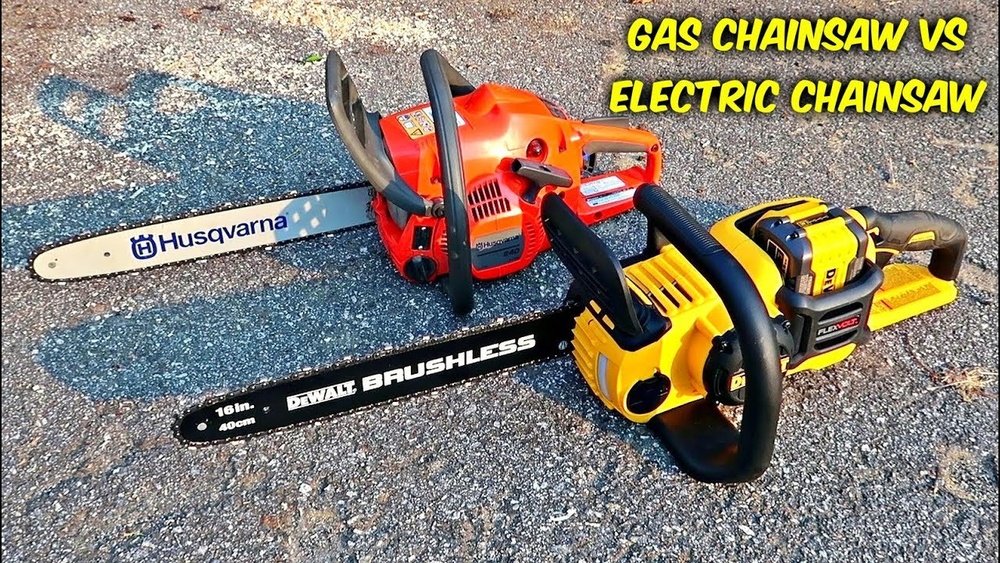
When you need to cut wood, trim trees, or clear brush, a chainsaw can be your best friend. But choosing between a gas chainsaw and an electric chainsaw is not always simple. Each type has strong points and weak spots. If you are new to chainsaws, or you want to upgrade, you might wonder: Which is right for you? This guide gives you a clear, deep look at both types, so you can pick the one that fits your needs.
How Gas Chainsaws Work
Gas chainsaws use small gasoline engines to spin the chain around the bar. When you pull the starter cord, the engine burns fuel and creates power. This design makes gas chainsaws strong and portable. They are not tied to a cord or battery, so you can use them anywhere—deep in the woods or far from a power source.
One thing beginners often overlook is that gas chainsaws need regular maintenance. You must check the fuel mix, clean the air filter, and keep the chain oiled. If you skip these steps, the chainsaw may not start or could wear out faster.
How Electric Chainsaws Work
Electric chainsaws run on electricity, either from a cord or a rechargeable battery. Corded models plug into a wall outlet, while cordless (battery-powered) chainsaws use lithium-ion batteries. They start with the press of a button—no fuel mixing or pulling cords.
Many people think electric chainsaws are weak, but today’s models can cut through thick branches and small logs easily. Still, they are best for lighter tasks and jobs near a power supply. One insight: Cordless models lose power as the battery runs low, which can slow your work if you’re not prepared with extra batteries.
Power And Performance
When you compare cutting power, gas chainsaws are usually ahead. They have higher engine sizes, measured in cubic centimeters (cc), and longer bars. This means you can cut large trees, thick logs, or tough hardwood without much trouble.
Electric chainsaws, especially cordless ones, are improving fast. Top models now compete with small gas chainsaws. But for all-day cutting or very hard wood, gas still wins.
Here is a quick comparison of typical power specs:
| Type | Engine/Battery Size | Typical Bar Length | Best For |
|---|---|---|---|
| Gas | 30–60 cc | 14–24 inches | Large trees, heavy use |
| Corded Electric | 8–15 Amps | 10–18 inches | Yard work, light to medium jobs |
| Cordless Electric | 18–80 Volts | 10–18 inches | Quick jobs, portability |
Portability And Mobility
If you work in the field or far from outlets, portability matters. Gas chainsaws are totally free from cords or batteries. You only need to bring extra fuel. This makes them the top choice for forestry, storm cleanup, or remote work.
Cordless electric chainsaws are also quite portable, but only as long as the battery lasts. If you run out of power and have no spare battery, you’ll need to stop and recharge. Corded electric chainsaws are limited by the length of your extension cord, which can be a big problem on large properties.
Ease Of Use
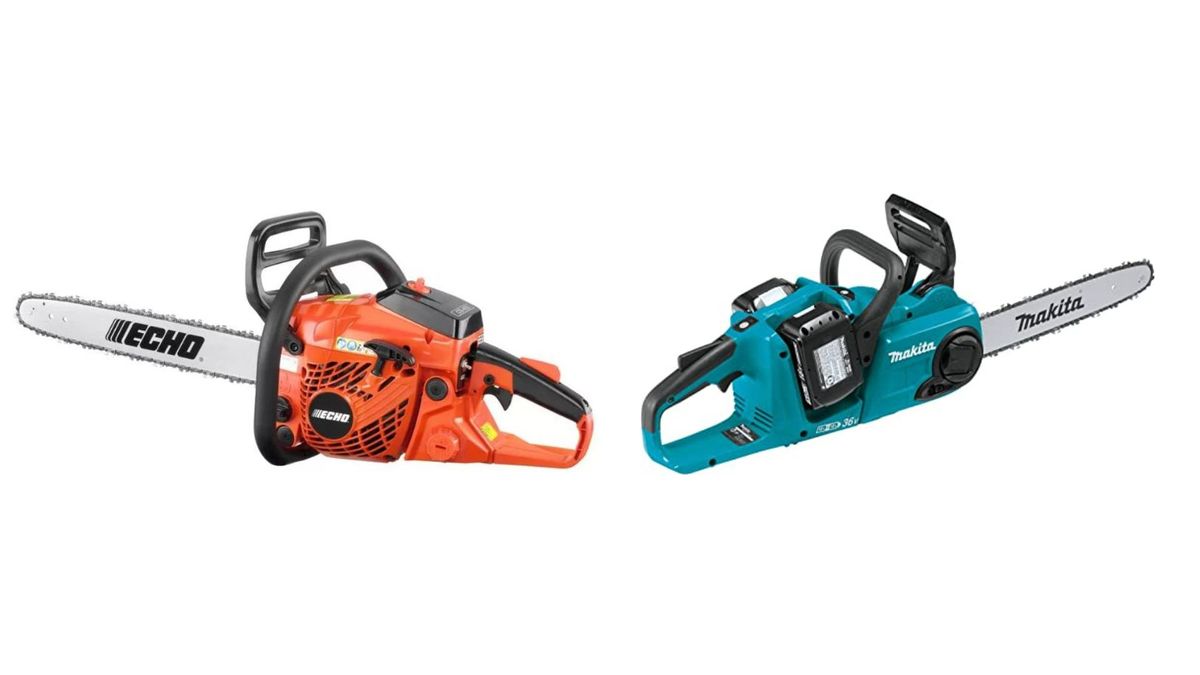
Electric chainsaws are known for being easy to start. Just press a button and go. There is no fuel mixing, and less chance of injury from difficult pull-starts. They are also lighter, which means less strain on your arms and back. For beginners, this can make a huge difference.
Gas chainsaws have more steps to start and can be heavier. If you have not used one before, it may take practice to get comfortable with the controls.
Here’s a quick look at ease of use:
| Feature | Gas Chainsaw | Electric Chainsaw |
|---|---|---|
| Starting | Pull cord, may need choke and primer | Push-button start |
| Weight | Heavier (10–20 lbs) | Lighter (6–12 lbs) |
| Noise | Loud (90–115 dB) | Quieter (80–100 dB) |
Maintenance Needs
Many buyers forget that gas chainsaws require much more care. You must:
- Mix fuel and oil in the right ratio (often 50: 1)
- Replace spark plugs and air filters
- Clean the chain and bar after each use
- Store the tool with care to avoid leaks
If you skip these steps, the chainsaw may be hard to start, or parts can wear out quickly.
Electric chainsaws are simpler. There’s no fuel, no spark plug, and no carburetor. You still need to keep the chain sharp and oiled, but overall, maintenance is much easier. For people who don’t enjoy tool care, this is a major plus.
Noise And Emissions
One big benefit of electric chainsaws is they are quieter. This makes a difference if you live in a quiet neighborhood or must work early in the morning. You are less likely to bother others or need hearing protection.
Gas chainsaws are much louder, and the engine creates exhaust fumes. In closed spaces, fumes can be dangerous. Electric models produce zero emissions and are safe to use in garages, sheds, or greenhouses.
Cost And Value
When you compare prices, you must look at the full cost—not just the price tag.
- Gas chainsaws are often $150–$500, depending on brand and size.
- Electric chainsaws range from $60 for small corded models to $350+ for powerful cordless ones.
But there’s more to it. Gas chainsaws also need fuel, oil, spark plugs, and more maintenance supplies over time. Electric chainsaws may need extra batteries, which can cost $50–$100 each.
Here’s a sample cost breakdown:
| Type | Average Initial Cost | Yearly Operating Cost | Lifetime (years) |
|---|---|---|---|
| Gas | $250 | $60–$120 | 8–12 |
| Electric | $180 | $20–$40 | 6–10 |
Non-obvious tip: Electric chainsaws can save money in the long run, especially if you already own other battery-powered tools that use the same batteries.
Safety Factors
All chainsaws are dangerous if used carelessly. But electric chainsaws generally have added safety features like:
- Automatic chain brakes
- Low kickback bars
- Trigger locks
They also stop instantly when you release the trigger. Gas chainsaws may “run on” for a few seconds after you let go, which can be risky.
Still, both types need protective gear—gloves, eye and ear protection, and chainsaw chaps.
Hidden risk: Many people forget that extension cords for corded models can be a tripping hazard. Always keep cords out of the cutting path.
Environmental Impact
If you care about the planet, electric chainsaws are the clear winner. They produce no exhaust, and their batteries can often be recycled. Gas chainsaws release carbon dioxide and other pollutants.
Also, running a gas chainsaw for one hour can pollute as much as driving a small car for over 100 miles. This fact surprises many first-time buyers.
When To Choose Gas Chainsaws
Consider a gas chainsaw if:
- You cut large trees, thick logs, or hard wood often.
- You need to work far from outlets and don’t want to worry about battery life.
- You do storm cleanup, firewood cutting, or forestry work.
- You are comfortable with tool maintenance.
Example: A professional tree service or someone living on a large rural property will often prefer gas.
When To Choose Electric Chainsaws
An electric chainsaw is a better choice if:
- You mostly do yard work, branch trimming, or cut firewood for a fireplace.
- You want low noise and no fumes.
- You are new to chainsaws and want something safe and easy to use.
- You don’t want to spend time on engine maintenance.
Example: A homeowner with a small or medium yard, or someone who cuts wood for crafts.
Common Mistakes When Buying
Many people make these mistakes when choosing a chainsaw:
- Overestimating their needs: Buying a big gas chainsaw for small jobs can be tiring and wasteful.
- Ignoring battery life: For cordless models, always check how long the battery lasts and the charge time.
- Forgetting about chain sharpening: All chainsaws need regular chain sharpening. Dull chains are dangerous and make cutting harder.
- Not considering noise: If you have close neighbors, a loud gas chainsaw can lead to complaints.
Real-world Examples
Imagine you need to clear branches after a storm. If you have a gas chainsaw, you can work all day, refueling as needed. If you have a cordless electric, you might need to stop and recharge or swap batteries. But for small jobs—like trimming hedges or cutting firewood for a campfire—a quiet, easy-to-start electric model is perfect.

Which Is Better For You?
There is no single “best” chainsaw. The right choice depends on your needs, your comfort level, and your budget. If you cut a lot of wood and don’t mind maintenance, gas gives you raw power. If you want something quiet, easy, and clean, electric is hard to beat.
Non-obvious insight: Many pros now keep both types—a big gas chainsaw for heavy work, and a small electric one for quick jobs. This way, you always have the right tool.
If you want to read more about chainsaw types and safety, check out the Wikipedia Chainsaw entry.
Frequently Asked Questions
What Is The Main Difference Between Gas And Electric Chainsaws?
The main difference is the power source. Gas chainsaws use gasoline engines, giving more power and longer run times. Electric chainsaws use electricity, either from a cord or a battery, making them quieter and easier to maintain.
How Long Does A Cordless Electric Chainsaw Battery Last?
Most batteries last 20 to 45 minutes of cutting time, depending on the model and the thickness of the wood. For bigger jobs, it’s smart to keep a spare battery charged.
Are Electric Chainsaws Safe For Beginners?
Yes, electric chainsaws are usually safer for beginners. They are lighter, easier to start, and have more built-in safety features. But you should always wear safety gear and follow the manual.
Can A Cordless Electric Chainsaw Cut Down A Tree?
A powerful cordless chainsaw can cut small to medium trees (up to about 12–14 inches in diameter). For large trees or hardwood, a gas chainsaw is more effective.
What Maintenance Does A Gas Chainsaw Need?
A gas chainsaw needs regular fuel mixing, air filter cleaning, chain oiling, spark plug changes, and general cleaning. Skipping these steps can lead to hard starts and engine damage.
Choosing between gas and electric chainsaws does not have to be confusing. By knowing your needs and understanding each type, you can make a smart choice that keeps your work safe, fast, and satisfying.

As an Amazon Associate, We earn from qualifying purchases