
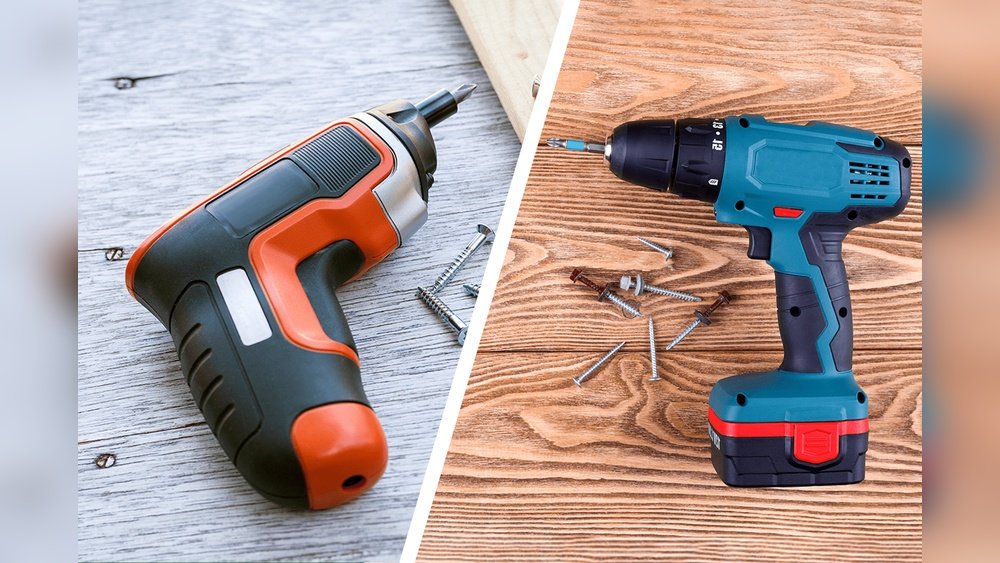
Electric Screwdriver Vs Drill: Which Tool Is Right For You?
Shopping for power tools can feel confusing, especially if you’re new to DIY or home improvement. Two of the most common tools people mix up are the electric screwdriver and the drill. At first glance, they look similar. Both are handheld, both have spinning bits, and both can drive screws. But, if you pick the wrong one, your project may become much harder than it needs to be. Understanding the key differences can save you time, money, and frustration.
Whether you’re putting together flat-pack furniture, hanging shelves, or starting a bigger renovation, knowing when to use an electric screwdriver or a drill is essential. In this guide, you’ll learn how these tools work, what they’re best for, and how to pick the right one for your needs.
Plus, you’ll find real-world examples, data, and expert advice so you can buy and use your next tool with confidence.
What Is An Electric Screwdriver?
An electric screwdriver is a compact, lightweight power tool designed specifically for driving screws. Instead of turning screws by hand, you press a button, and the tool does the spinning for you. Most electric screwdrivers are cordless, running on rechargeable batteries, and are small enough to fit in a kitchen drawer.
Key features include:
- Low torque: Good for light tasks
- Compact size: Easy to handle and store
- Simple controls: Usually just forward/reverse and speed
Electric screwdrivers excel at simple assembly jobs—like building furniture, installing cabinet handles, or replacing outlet covers. You won’t get a lot of power, but you will get convenience and control, especially when working with delicate materials or in tight spaces.
Common Uses For Electric Screwdrivers
- Assembling flat-pack furniture (IKEA, Wayfair, etc.)
- Tightening or removing screws in electronics
- Hanging lightweight picture frames
- Adjusting cabinet hinges and handles
- Small household repairs
A non-obvious advantage: electric screwdrivers often have a clutch or torque setting, which helps prevent over-tightening and damaging screws or materials. Many beginners don’t realize that using too much force can strip screw heads or crack wood—an electric screwdriver’s gentle touch can avoid this problem.
What Is A Drill?
A drill is a more powerful and versatile tool designed to both drive screws and bore holes into a variety of materials—wood, metal, plastic, masonry, and more. Drills come in many types, including corded and cordless, and offer much higher torque and speed than electric screwdrivers.
Key features include:
- High torque: Good for tough materials and big screws
- Variable speed and clutch: Precise control for different jobs
- Interchangeable bits: Accepts drill bits and driver bits
Drills are the go-to tool for renovation projects, woodworking, and construction. If you need to create holes, drive large screws, or work with dense materials, a drill is essential.
Common Uses For Drills
- Drilling holes in walls, wood, or metal
- Driving long or thick screws
- Mixing paint or mortar (with a mixing attachment)
- Installing shelves or heavy fixtures
- Creating pilot holes to prevent wood splitting
A drill’s extra power can be too much for small screws or delicate tasks. Many beginners use a drill for everything and end up stripping screws or damaging surfaces. Having the right tool for the job not only gives better results but also extends the life of your screws and materials.

Side-by-side Comparison
It can be hard to visualize the differences without a direct comparison. Here’s a breakdown of key features:
| Feature | Electric Screwdriver | Drill |
|---|---|---|
| Primary Use | Driving screws | Drilling holes, driving screws |
| Torque | Low | High |
| Size | Small, lightweight | Larger, heavier |
| Control | Very precise | Good, but can overpower small screws |
| Batteries | Usually 3.6–7.2V | 12–20V (cordless), corded options |
| Price Range | $15–$60 | $40–$200+ |
| Best for | Light assembly, electronics | Renovation, construction |
Pros And Cons: Electric Screwdriver
To help you decide, let’s look at the main advantages and disadvantages.
Advantages
- Lightweight: Easy to use for long periods without fatigue.
- Compact: Fits into tight spots and small drawers.
- Simple: Fewer settings, less chance of error.
- Great for precision: Less likely to damage screw heads or materials.
- Affordable: Generally much cheaper than drills.
Disadvantages
- Limited power: Can’t handle big screws or dense materials.
- No drilling ability: Not designed to make holes.
- Slow for heavy tasks: Struggles with long or thick screws.
- Shorter battery life: Smaller batteries may not last through large projects.
A less obvious drawback: many basic electric screwdrivers lack a chuck (the part that holds different bits), so you may be limited to certain shapes or sizes of screw bits. Always check this before you buy.

Pros And Cons: Drill
Now, let’s break down the drill.
Advantages
- Powerful: Handles almost any material or screw size.
- Versatile: Can drill holes and drive screws.
- Adjustable clutch: Prevents overdriving or stripping screws.
- Wide range of bits: Accepts many attachments for different tasks.
Disadvantages
- Heavier: Can cause fatigue with long use.
- Can be overkill: Too much power for delicate jobs.
- More expensive: Higher upfront cost.
- Larger size: Harder to use in tight spaces.
A tip that’s often missed: using a drill for small screws or electronics can actually cause more harm than good. The extra torque can strip threads or even crack plastic housings.
Performance In Real-world Scenarios
How do these tools perform in actual use? Here are some examples:
- Furniture Assembly: An electric screwdriver is usually better. It’s light, fast, and less likely to overtighten and damage particleboard. A drill can work, but you must use the lowest torque setting and be careful.
- Drilling Pilot Holes: Only a drill can do this. An electric screwdriver doesn’t have the power or the bit type to make holes.
- Installing Drywall Anchors: A drill is the best choice. It can drive the anchor into the wall and then drive the screw.
- Electronics Repair: Electric screwdrivers shine here. Their gentle torque and size make them ideal for laptops or gadgets.
- Building a Deck: Use a drill. Driving hundreds of long screws into wood is too much for any electric screwdriver.
Key Factors To Consider Before Buying
When choosing between an electric screwdriver and a drill, keep these points in mind:
- Project Type: What do you plan to use it for most? Small household jobs or heavy-duty tasks?
- Material: Are you working with soft materials (like drywall or plastic) or hard ones (like hardwood or metal)?
- Frequency of Use: Occasional use might not justify a drill’s price and size.
- Budget: Electric screwdrivers are much cheaper, but if you need versatility, a drill may be worth the investment.
- Weight and Ergonomics: Make sure you can comfortably hold and control the tool.
- Battery Life: For big projects, longer battery life is a must.
- Attachments and Accessories: Check what bits and features are included.
Many beginners overlook the clutch setting. This feature, found on most drills and some screwdrivers, lets you set the maximum torque. It’s crucial for preventing damage to screws and workpieces.
Data: Speed And Torque Differences
The technical specs can help clarify the differences.
| Model Type | Max Torque (in-lbs) | Max Speed (RPM) | Battery Voltage |
|---|---|---|---|
| Electric Screwdriver | 30–50 | 200–400 | 3.6–7.2V |
| Cordless Drill | 250–500+ | 1,200–2,000 | 12–20V |
This shows why drills can handle tougher jobs—up to 10 times the torque and much higher speeds.

Cost Comparison
Let’s look at typical prices to help you budget:
| Tool Type | Entry-Level Price | Mid-Range Price | High-End Price |
|---|---|---|---|
| Electric Screwdriver | $15 | $30 | $60 |
| Drill | $40 | $90 | $200+ |
A good electric screwdriver is affordable, but if you need to drill or do heavy work, a drill is a better long-term investment.
When To Choose An Electric Screwdriver
Pick an electric screwdriver if:
- Your main jobs are assembling furniture, working with electronics, or making light repairs.
- You need a lightweight, easy-to-use tool for quick jobs.
- You have limited storage space.
- You’re on a tight budget.
Electric screwdrivers are ideal for beginners or anyone who wants a tool for quick fixes around the house.
When To Choose A Drill
Go with a drill if:
- You plan to drill holes in wood, metal, or other materials.
- Your projects involve heavy-duty screwing (like deck building or renovations).
- You want one tool that can handle many jobs with different attachments.
- You want a future-proof investment for various projects.
A drill is the better all-around tool, especially if you plan to grow your DIY skills.
Pro Tips For Beginners
- Always use the right bit for the screw and material. The wrong bit can slip or damage the screw head.
- Start with the lowest torque setting, especially when working with soft materials or small screws.
- For projects involving both drilling and screwing, having both tools saves time and hassle.
- Keep your batteries charged—spare batteries are useful for bigger jobs.
- If you have only one tool, a drill with adjustable clutch is more versatile, but an electric screwdriver is easier for light work.
For more details on power tool safety and use, see the Wikipedia guide on power tools.
Frequently Asked Questions
What’s The Main Difference Between An Electric Screwdriver And A Drill?
The main difference is power and purpose. An electric screwdriver is designed to drive screws only, with lower power and more control for light tasks. A drill can both drive screws and drill holes, with much more power for tougher jobs.
Can I Use A Drill As An Electric Screwdriver?
Yes, you can use a drill to drive screws, especially if it has an adjustable clutch. But be careful with small screws or delicate tasks—the drill’s higher torque can strip screws or damage materials.
Are Electric Screwdrivers Good For Woodwork?
They’re fine for light woodworking, like assembling furniture or screwing into softwood. For drilling holes or driving large screws into hardwood, a drill is much better.
How Do I Know Which Tool To Use For My Project?
Think about the material, screw size, and whether you need to drill holes. For heavy-duty or multi-purpose use, pick a drill. For simple assembly or electronics, use an electric screwdriver.
Do I Need Both Tools?
If you do a lot of DIY projects, having both is ideal. The electric screwdriver is great for fast, small jobs, while the drill covers more demanding tasks.
Choosing between an electric screwdriver and a drill doesn’t have to be difficult. By understanding their differences and strengths, you can work smarter—and finish your projects with less stress.
As an Amazon Associate, We earn from qualifying purchases