
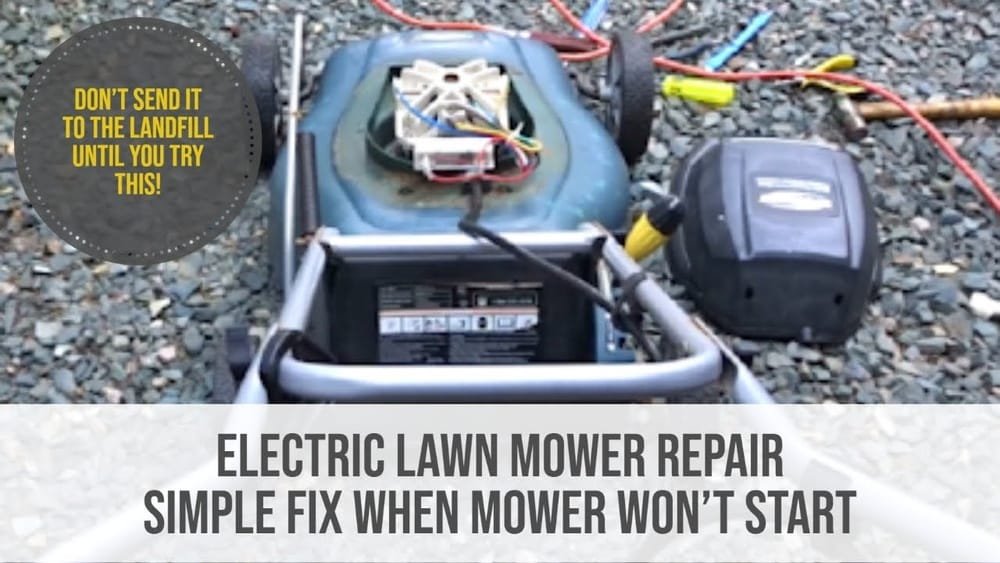
When my electric lawn mower refused to start one sunny Saturday, I felt a mix of confusion and frustration. I had been looking forward to a tidy yard, but suddenly, my plans stalled. If you’re reading this, you may be standing in your own yard, scratching your head, wondering why your electric mower just won’t start.
Don’t worry. I’ve been there. I learned a lot from that experience, and I want to share everything I discovered—so you can fix your mower and get back to the grass.
Common Reasons An Electric Lawn Mower Will Not Start
When my mower first stopped working, I started by thinking of the simplest reasons. It’s easy to panic and imagine something serious is broken, but often the cause is small and easy to fix.
1. Power Source Problems
The most basic issue is no power. For corded mowers, I checked if the power cord was plugged in and if the outlet was working. Sometimes, the cord can get tugged loose while mowing. I once spent ten minutes searching for a problem, only to find the plug had slipped out of the wall.
For battery mowers, I learned that batteries can lose charge over time. Even if the charger light is green, the battery might be weak. I tried a second battery and the mower roared to life. If you don’t have a spare, try charging for a few hours and check again.
2. Faulty Power Cord Or Outlet
One day, I realized my extension cord was frayed. It was hard to see at first, but a small cut in the insulation had stopped the flow of electricity. I replaced the cord, and my mower started immediately.
If the cord is fine, the outlet might be the problem. I plugged my phone charger into the same outlet. When it didn’t charge, I knew the outlet was dead. Fixing the outlet solved the mower issue.
3. Safety Switches And Interlocks
Most electric mowers have a safety switch or a lever you must hold down. I once forgot to squeeze the safety bar, and the mower stayed silent. Check for a button, lever, or key and make sure you’re following the correct starting sequence.
Some mowers have child safety keys. If the key isn’t in place, the mower won’t start. I found my key hidden in the garage, right where I’d put it for “safe keeping. ”
4. Dead Battery (cordless Mowers)
Battery mowers are great, but batteries wear out. If your mower is old, the battery may not hold a charge. I borrowed a battery from a friend with a similar model, and that solved the problem. Sometimes, batteries show a full charge but fail under load.
If you have a voltmeter, check the voltage. A healthy 40V battery should show at least 36-40 volts when charged.
5. Loose Or Damaged Connections
Inside the mower, wires connect the switch, motor, and battery or plug. Over time, these wires can come loose or break. I found a loose wire inside the handle after opening a few screws. Tightening it with a screwdriver brought my mower back to life.
6. Blown Fuse Or Tripped Circuit Breaker
Some mowers have a fuse inside the plug or control panel. If you hear nothing at all, check for a blown fuse. My mower’s manual showed the location. Replacing a small glass fuse fixed the problem.
In my home, the garage circuit breaker sometimes trips if I use too many tools at once. If your mower doesn’t start, look at your fuse box. Flip the breaker back, and you might hear the mower hum again.
7. Motor Problems
If your mower makes a humming noise but the blade doesn’t spin, the motor might be stuck. I found a clump of wet grass jammed under the blade. After cleaning, the mower worked fine.
Motors can also burn out after years of use. I noticed a burning smell and saw smoke once. That meant the motor needed replacing. If you see these signs, it’s usually time for a new mower or a repair shop visit.
8. Clogged Blade Or Deck
Debris under the mower can stop the blade from spinning. I once tried to start my mower after cutting thick, wet grass. The blade wouldn’t move. I unplugged the mower, turned it over, and found a thick mat of grass.
Clearing it out made all the difference.
Step-by-step Troubleshooting Guide
When my mower wouldn’t start, I followed these steps. They helped me find and fix the problem, and I think they’ll help you too.
- Check the power source: Plug the mower into a known-good outlet or use a fully charged battery.
- Inspect the power cord: Look for cuts, frays, or bent prongs.
- Test the outlet: Use another device to make sure the outlet works.
- Examine safety switches: Make sure all levers, keys, or buttons are in the correct position.
- Try a different battery: For cordless mowers, swap batteries if possible.
- Reset fuses or breakers: Look for a reset button or check your home breaker box.
- Clear debris: Unplug the mower, tip it, and remove any grass or sticks from the blade area.
- Listen for unusual sounds: Humming, clicking, or silence can give you clues about the problem.
- Check for loose wires: Open the handle or cover and look for wires that have come loose.
- Consult the manual: Sometimes, the answer is in the troubleshooting section.
Comparing Corded Vs Cordless Electric Mower Start Issues
I’ve used both types of electric mowers, and their problems can be different. Here’s a quick look at how they compare:
| Feature | Corded Mower | Cordless Mower |
|---|---|---|
| Power Problems | Often due to bad cords or outlets | Often due to weak or dead batteries |
| Common Fixes | Replace cord, check outlet | Charge or replace battery |
| Portability | Limited by cord length | Go anywhere (battery limits run time) |
| Start Sequence | Plug in, press switch, hold lever | Insert battery, press switch, hold lever |
Knowing which type you have helps narrow down the cause of starting issues.
When To Repair And When To Replace
During my own troubleshooting, I often wondered if I should fix the mower or buy a new one. Here’s what I learned.
- Repair if the problem is simple, like a cord or fuse, or if the mower is less than five years old.
- Replace if the motor is dead, the battery is weak and expensive to replace, or the deck is rusted out.
I once spent more than half the price of a new mower trying to fix an old one. Now, I only repair if it’s quick and cheap.

Hidden Problems Beginners Miss
From my experience, there are a few problems I never thought of at first, but they can stop a mower cold.
- Mower handle not fully extended: Many mowers have a switch that only works when the handle is locked. If the handle is folded for storage, the mower won’t start.
- Weather issues: After a rainy day, moisture inside switches or connectors can stop a mower. Letting the mower dry in the sun for a few hours worked for me.
- Wrong extension cord: Using a thin, long extension cord can drop voltage too much. My mower struggled until I switched to a thick, short cord.
Cost Of Repair Vs. Buying A New Mower
One of the most common questions I get from friends is whether to fix an electric mower or just buy a new one. To help you make a decision, here’s a simple comparison based on my own research and experience.
| Repair Type | Estimated Cost (USD) | When to Repair |
|---|---|---|
| Replace Cord | $15 – $35 | Cord is visibly damaged |
| Replace Battery | $50 – $150 | Battery no longer holds charge |
| New Switch | $20 – $50 | Switch feels loose or stuck |
| Motor Repair | $100 – $250 | Motor hums, smokes, or won’t spin |
| Buy New Mower | $200 – $500+ | Mower is old or repairs are too expensive |
As a rule, if the repair costs more than half the price of a new mower, I recommend buying new.

Maintenance Tips To Avoid Starting Problems
After fixing my mower, I started doing regular maintenance. Here are the simple steps that kept my mower running smoothly:
- Clean the deck and blade after each use to prevent clogs.
- Store indoors to protect from rain and moisture.
- Charge batteries fully and avoid deep discharges.
- Inspect cords and plugs regularly for wear or damage.
- Check safety switches before each use.
These small steps can prevent most starting problems.
My Personal Lessons Learned
Looking back, I realize I made some mistakes that cost me time and money. Here’s what I wish I knew sooner:
- Don’t assume the worst. Most issues are simple and easy to fix.
- Always unplug or remove the battery before checking the blade.
- Keep your manual handy. It’s more useful than you think!
- If in doubt, ask for help. A quick call to customer service or a local repair shop can save hours.
For more on how electric lawn mowers work and troubleshooting tips, you can read this helpful article from Wikipedia.

Frequently Asked Questions
Why Does My Electric Lawn Mower Click But Not Start?
A clicking sound often means the switch or relay is working, but the motor is not. This can be caused by a jammed blade, weak battery, or loose wire. Unplug the mower, check for debris, and try again.
Can Wet Grass Stop My Mower From Starting?
Yes, wet grass can clog the blade and deck, stopping the motor. Always let grass dry before mowing, and clean the mower after each use.
How Long Do Electric Mower Batteries Last?
Most lithium-ion batteries last 3-5 years or 300-500 charge cycles. If your battery is older, it may not hold a charge.
Is It Safe To Repair An Electric Mower Myself?
Simple repairs like replacing a cord or cleaning debris are safe if the mower is unplugged. For motor or electrical repairs, consider a professional.
Why Does My Mower Start And Then Stop Quickly?
This usually means a battery problem or the motor is overloaded. Check for blockages, charge the battery fully, and inspect for loose wires.
If your electric lawn mower will not start, don’t panic. Use the steps above, stay safe, and you’ll be back to a neat lawn in no time. I hope my story helps you fix your mower and enjoy your yard again.
As an Amazon Associate, We earn from qualifying purchases