
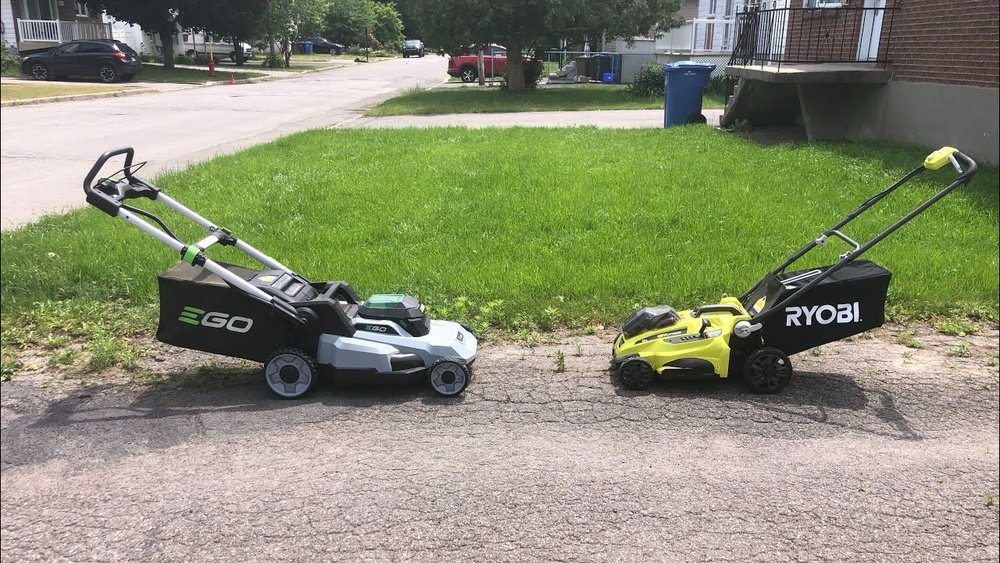
If you’re searching for a new lawn mower, you’ve probably come across two big names: Ego and Ryobi. Both brands are leaders in battery-powered outdoor equipment. Their mowers are popular with homeowners who want power and convenience, but don’t want to deal with gas or oil. Yet, choosing between Ego and Ryobi isn’t easy. Each brand offers different features, strengths, and weaknesses. Some differences are obvious, but a few are easy to miss unless you dig deeper.
This guide compares Ego vs Ryobi lawn mowers in detail. Whether you have a small patch of grass or a big yard, you’ll find out which mower fits your needs best. You’ll also see how these two brands differ in areas like battery life, cutting performance, handling, price, and more. By the end, you’ll know exactly what matters—and what doesn’t—so you can make a confident decision.
Brand Overview
Before comparing individual features, it helps to understand the background of each brand.
Ego is owned by Chervon, a global power tool company. Ego launched its outdoor tools in the US around 2012, quickly gaining a reputation for innovation and power. Ego mowers often feature high voltage batteries (56V) and are seen as the “Tesla” of battery mowers.
Ryobi, owned by Techtronic Industries, is another giant in the power tool world. Ryobi’s 40V line is famous for its wide range of tools that use the same battery. Ryobi mowers are known for reliability, affordability, and solid features. Many homeowners already own Ryobi batteries for other tools.
Battery Technology And Runtime
Battery quality is critical for cordless mowers. Let’s compare how Ego and Ryobi stack up.
Voltage And Battery Types
- Ego: Uses a 56V lithium-ion battery. This is one of the highest voltages among residential mowers. Higher voltage means more raw power for the motor and longer runtime for tough jobs.
- Ryobi: Most models use a 40V lithium-ion battery. Some entry-level Ryobi mowers use 18V, but these are less common and not as powerful.
Runtime
- Ego: With a 5.0Ah battery, Ego mowers typically run 45-60 minutes under normal conditions. Larger batteries (7.5Ah, 10Ah) can push runtime past 75 minutes.
- Ryobi: With a 6.0Ah battery, Ryobi’s 40V mowers run about 40-55 minutes. Some models offer dual battery ports for extended cutting, but individual batteries are usually smaller than Ego’s largest options.
Charging Time
- Ego: Their “Rapid Charger” can fully charge a 5.0Ah battery in about 45 minutes. The 7.5Ah battery takes about 60 minutes.
- Ryobi: Standard chargers take about 90 minutes for a 6.0Ah battery. Faster chargers are available, but not always included.
Non-obvious insight: Ego’s batteries are backward and forward compatible across their entire mower range. If you upgrade your mower, your old battery will likely work. Ryobi is less consistent; some older batteries don’t work with newer mowers.
Cutting Performance
A mower’s main job is to cut grass cleanly and evenly. Here’s how Ego and Ryobi compare in real-world conditions.
Motor Power
- Ego: Most Ego mowers feature brushless motors, which are more efficient and last longer. Their 56V system allows for higher torque, making it easier to handle thick or wet grass.
- Ryobi: Also uses brushless motors in most 40V models. While powerful, Ryobi’s motors usually have slightly less torque, which can affect performance in overgrown lawns.
Blade Design
- Ego: Blades are steel and designed for sharp, clean cuts. Many models have a “multi-blade” system for finer clippings and better mulching.
- Ryobi: Blades are also steel but are usually a single blade. Some premium Ryobi models have “CrossCut” twin blades, offering improved mulching.
Cutting Width
Most common models are:
- Ego: 20″, 21″, 22″, and 21″ Select Cut.
- Ryobi: 20″, 21″, 22″, and 23″ (especially for larger mowers).
Wider decks mean faster mowing, but also heavier weight.
Grass Types And Heights
Both brands allow you to adjust cutting height, usually between 1. 5″ and 4″. Ego’s adjustment lever is often smoother and easier to use with one hand. Ryobi requires more effort, especially on older models.
Practical tip: If you mow less often and your grass grows tall, Ego’s extra power will help avoid clogging and bogging down.
Ease Of Use And Handling
A mower can have great specs, but if it’s awkward to push or hard to start, you won’t enjoy using it.
Starting Mechanism
Both Ego and Ryobi use push-button start. No pulling cords, no priming gas. Just insert the battery, hold the safety bar, and press the button.
Self-propelled Drive
- Ego: Most higher-end Ego mowers are self-propelled. The speed is easily adjustable with a lever or dial on the handle.
- Ryobi: Also offers self-propelled models. However, some users find Ryobi’s self-propel drive a bit more abrupt, especially when starting or stopping.
Weight And Maneuverability
- Ego: Models range from about 55 lbs (push) to 75 lbs (self-propelled). The center of gravity is low, making them stable but sometimes heavier to lift.
- Ryobi: Weights are similar but sometimes lighter on basic models. Ryobi’s handle design is a bit more upright, which can feel less natural for taller users.
Storage Features
- Ego: Most mowers fold in half and stand vertically. This saves space in your garage or shed.
- Ryobi: Also foldable, but older models don’t stand as securely upright.
Non-obvious insight: Ego’s handles lock tightly and don’t collapse during mowing. Some Ryobi models have handles that can loosen over time, especially if not tightened well.
Build Quality And Durability
Long-term reliability matters, especially with battery-powered tools.
Deck Material
- Ego: Most decks are made from high-impact plastic (polymer) or steel. Polymer decks resist rust but can crack if hit hard. Steel decks are heavier but tougher.
- Ryobi: Mostly uses steel or plastic decks. Steel is more common on self-propelled and premium models.
Wheels And Axles
Both brands use rugged plastic wheels. Ego’s are often slightly larger, which helps on uneven ground. Ryobi’s wheels are more basic but easy to replace.
Weather Resistance
Neither mower should be left out in the rain. Both have sealed battery compartments, but water can still damage motors or electronics over time.
Warranty
- Ego: 5-year warranty on the mower, 3-year on battery.
- Ryobi: 5-year warranty on the mower, 3-year on battery.
Both brands have solid warranty support, but some users say Ego’s customer service is faster and more responsive.
Bagging, Mulching, And Side Discharge
How your mower handles clippings can make yard work easier.
Bagging
- Ego: Large, easy-to-remove grass bags. Most models fill the bag evenly and are easy to empty.
- Ryobi: Slightly smaller bags, but still easy to use. Some users report clippings can spill if the bag is overfilled.
Mulching
Both brands include a mulching plug. Ego’s multi-blade system creates finer mulch, which breaks down faster in your lawn.
Side Discharge
- Ego: Not all models include a side discharge chute. Check before you buy if this is important.
- Ryobi: Most models include a side discharge option.
Practical tip: If you mow frequently and want fewer clumps, mulching is better. For tall or thick grass, bagging or side discharge works best.
Noise And Vibration
One advantage of battery mowers is less noise.
- Ego: Usually 70-75 decibels. Quieter than most gas mowers.
- Ryobi: Similar noise level, sometimes a bit louder on older models.
Neither mower produces much vibration. Ego’s brushless motors are a bit smoother, making mowing less tiring over time.
Price And Value
Price is often a deciding factor. Let’s see how Ego and Ryobi compare.
Upfront Cost
- Ego: $400–$800 for most residential models (with battery and charger). Premium models can cost over $900.
- Ryobi: $350–$700 for most 40V models (with battery and charger). Riding mowers and high-end models are more expensive.
Replacement Batteries
- Ego: $150–$350 depending on battery size.
- Ryobi: $120–$250 depending on battery size.
Availability
Both brands are widely available at Home Depot, Lowe’s, Amazon, and other retailers. Ego is usually a bit more expensive but holds resale value better.
Value For Money
If you already own other tools from Ego or Ryobi, buying the same brand saves money because you can share batteries.
Non-obvious insight: Ryobi offers more frequent sales and deals, especially around spring. Watch for bundle deals that include extra batteries or accessories.
Popular Models Compared
To make things clearer, let’s compare the most popular models side by side.
| Feature | Ego LM2135SP (21″ Select Cut) | Ryobi RY401150 (40V HP 21″) |
|---|---|---|
| Battery Voltage | 56V | 40V |
| Blade System | Dual (Select Cut) | Single (CrossCut on premium) |
| Cutting Width | 21″ | 21″ |
| Self-Propelled | Yes | Yes |
| Runtime | Up to 60 min (7.5Ah) | Up to 55 min (6.0Ah) |
| Warranty | 5 years (mower), 3 years (battery) | 5 years (mower), 3 years (battery) |
| Weight | 75 lbs | 67 lbs |
| Price (with battery/charger) | $700-800 | $650-750 |
Special Features And Innovations
Both brands add unique features to attract buyers.
Ego Innovations
- Select Cut Technology: Allows you to switch blades for different grass types.
- Touch Drive: Controls self-propel speed with a gentle touch.
- LED Headlights: Mow early or late in low light.
- Weather-resistant construction: More seals to keep out dust and moisture.
Ryobi Innovations
- Smart-Trek Self-Propelled: Adjusts speed to your walking pace.
- EasyLift Bag Removal: One hand lifts the bag out.
- Whisper Series: Quieter operation, even compared to other battery mowers.
- Bluetooth Connectivity: Some models connect to your phone for maintenance reminders.
Practical tip: If you mow in the evening or early morning, Ego’s headlights are a real plus. If you want smart features, Ryobi offers more app connectivity.
Accessories And Ecosystem
Many buyers want to use their mower batteries in other tools.
- Ego: Offers a full line of blowers, trimmers, snow blowers, and more. All use the 56V battery.
- Ryobi: Larger ecosystem with over 40 tools that use the 40V battery. From chainsaws to cultivators.
If you plan to expand your outdoor tool collection, Ryobi’s range is wider. But Ego’s tools are usually more powerful.
Performance In Different Yard Sizes
How Do These Mowers Handle Various Yard Sizes?
Small Yards (up To 1/4 Acre)
- Ryobi: Excellent value. Even basic models have enough power and battery for a small yard. Lighter and easier to store.
- Ego: Overkill for very small lawns, but still works well.
Medium Yards (1/4 To 1/2 Acre)
- Ego: Handles thick or fast-growing grass with ease. Self-propelled models save effort.
- Ryobi: 40V models are solid but may need a battery swap if grass is tall or wet.
Large Yards (over 1/2 Acre)
- Ego: Best choice if you want to finish in one go. Large batteries, faster mowing, more durable.
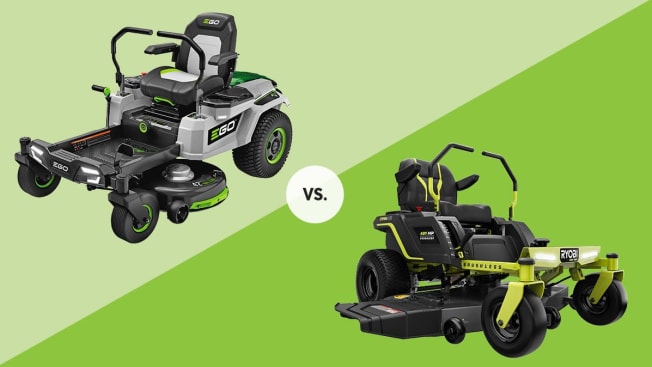
- Ryobi: You’ll likely need extra batteries or a second charge. Consider Ryobi’s riding mowers for very large areas.
Maintenance And Long-term Ownership
Battery mowers are easier to care for than gas models, but still need attention.
Regular Maintenance
- Clean the deck after each use.
- Sharpen or replace blades once per season.
- Store batteries indoors during winter.
- Charge batteries before storage.
Repairs
- Ego: Parts are widely available. Many repairs are DIY-friendly.
- Ryobi: Similar, but some parts are only available through Home Depot service centers.
Battery Life
- Both brands’ batteries last 3-5 years with good care. Avoid leaving batteries in direct sun or freezing temperatures.
Non-obvious insight: Ego batteries have a higher “cycle life” (number of full charges/discharges) than most Ryobi batteries. This means they may last longer before needing replacement.
Environmental Impact
Many buyers choose battery mowers to reduce pollution.
- Ego: Zero emissions during use. Even the packaging is recyclable.
- Ryobi: Also zero emissions, but some older models have less efficient motors.
Both brands are quieter, cleaner, and safer than gas mowers. They help reduce neighborhood noise and air pollution.
For more on battery mower environmental benefits, see this Wikipedia article.
User Reviews And Community Feedback
What Do Real Users Say?
- Ego: Praised for power, battery life, and solid construction. Some complaints about price and weight.
- Ryobi: Liked for price, value, and battery sharing. Some users note less power on thick grass and handle comfort issues.
Both brands have active online communities. Ego’s Facebook group and Ryobi’s support forums are good places to ask questions.
Summary Table: Ego Vs Ryobi Pros And Cons
Here’s a quick visual of the strengths and weaknesses.
| Brand | Pros | Cons |
|---|---|---|
| Ego |
|
|
| Ryobi |
|
|
Common Mistakes When Choosing
- Ignoring yard size: Don’t buy a top-end Ego for a tiny lawn, or an entry Ryobi for a huge yard.
- Overlooking battery compatibility: Make sure your batteries work across tools you own.
- Forgetting storage needs: Measure your garage or shed before buying.
- Not checking dealer support: Repairs are easier if your store stocks parts.
- Chasing the lowest price: Sometimes a few extra dollars brings big gains in power or battery life.
Which Should You Choose?
- Pick Ego if you want maximum power, longer battery life, or have a medium to large yard. It’s the best choice for thick, fast-growing, or wet grass.
- Pick Ryobi if you want good value, already own Ryobi batteries, or have a smaller yard. Ryobi’s smart features and tool ecosystem are hard to beat.
Try to see the mowers in person if possible. The feel of the handle, ease of lift, and balance can make a big difference. Both brands will serve you well if you match the mower to your needs.

Frequently Asked Questions
Which Mower Is Better For Thick Or Wet Grass?
Ego is usually better for thick or wet grass. Its 56V battery and stronger motor handle heavy mowing without slowing down. Ryobi works for most lawns, but may struggle in tough conditions.
Can I Use The Same Battery In My Mower And Other Tools?
Yes. Ego batteries work with all Ego 56V tools. Ryobi 40V batteries fit most Ryobi 40V tools. Make sure the battery shape and voltage match before buying.
How Long Do The Batteries Last Before Replacement?
With good care, Ego and Ryobi batteries last 3-5 years or 500+ charge cycles. Keep batteries out of extreme heat and cold to extend their life.
Are These Mowers Hard To Repair If Something Breaks?
Most common repairs, like blade or handle replacement, are easy to do yourself. For motor or electronics problems, contact the brand’s service center. Both have good warranty support.
Do These Mowers Really Replace A Gas Mower?
For most homeowners, yes. Ego and Ryobi mowers are nearly as powerful as gas models, with less noise and no fumes. Only very large or commercial lawns may need gas power.
Choosing between Ego and Ryobi is about matching the mower to your yard and your habits. If you focus on what matters—power, battery, yard size, and comfort—you’ll make the right pick and enjoy mowing for years to come.
As an Amazon Associate, We earn from qualifying purchases