
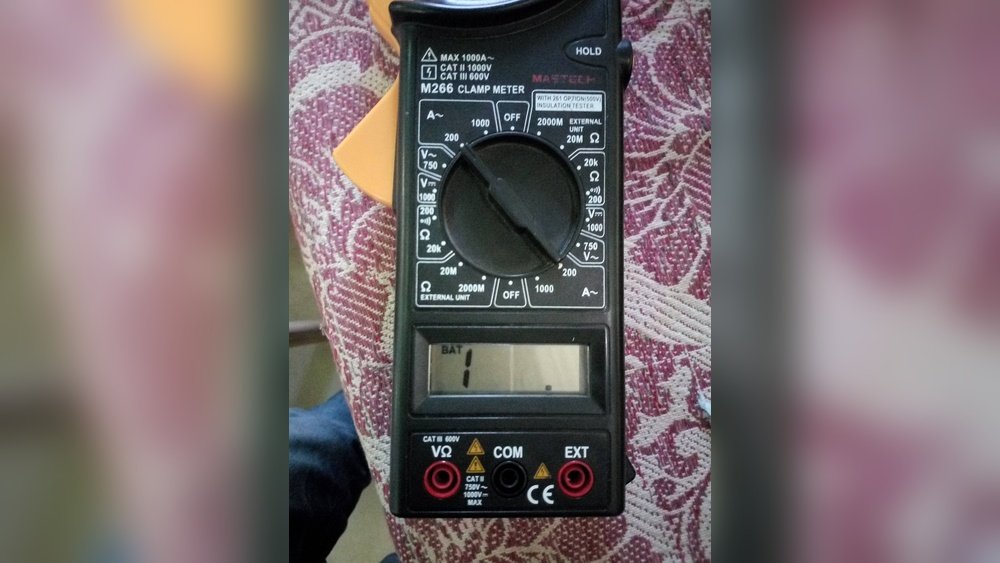
If you’ve ever grabbed your clamp meter and found it just wouldn’t turn on, or maybe it started giving strange readings, you’re not alone. I’ve been there. As someone who uses a clamp meter almost every week—sometimes for work, sometimes just checking wiring at home—I know how frustrating it is when this handy tool decides to stop working.
I’ve learned a lot from these moments, and I want to share what I’ve discovered, so you can get your clamp meter back up and running quickly.
Why My Clamp Meter Stopped Working
The first time my clamp meter failed, I was on a job site. I went to measure current on a main line, pressed the power button, and nothing happened. No beep, no display, nothing. I felt a wave of panic, but after some trial and error, I realized that clamp meters can stop working for a lot of reasons.
Let me walk you through what I learned, step by step, so you don’t have to guess or waste time.
Common Reasons A Clamp Meter Doesn’t Work
I’ve seen a few main reasons over the years. Most problems fit into one of these categories.
1. Dead Or Weak Batteries
This is the most common issue, and it’s easy to overlook. Clamp meters need a good battery to power the display and circuits. Sometimes the battery isn’t dead, but just weak enough to give weird readings.
What happened to me: Once, my meter turned on but showed random numbers. Replacing the battery fixed it.
2. Dirty Or Loose Battery Contacts
Even with a new battery, your clamp meter won’t work if the contacts are dirty or corroded. This happened to me when I left my meter in a damp toolbox.
Quick fix: I used a cotton swab and a bit of alcohol to clean the contacts. It worked right away.
3. Blown Internal Fuse
Some clamp meters have an internal fuse to protect them from overload. If you try to measure too much current, the fuse can blow. On my first meter, I didn’t even realize there was a fuse inside until I checked the manual.
4. Damaged Test Leads
If you’re using the clamp’s voltage test leads, check them. I once had a lead wire break inside its insulation. The display wouldn’t move, and I thought the meter was broken, but it was just the lead.
5. Faulty Or Stuck Jaw Mechanism
The jaws are what make clamp meters special. If there’s dirt, rust, or a mechanical problem, the meter won’t sense current. I had a meter that fell into sand. Some grit got into the hinge, and the jaws didn’t close properly.
I had to clean them out with compressed air.
6. Incorrect Function Setting
Sometimes, the problem is as simple as turning the dial to the wrong setting. I’ve made this mistake more than once—trying to measure AC current while the dial was set to DC volts.
7. Internal Circuit Failure
If none of the above work, the meter might have a deeper problem. Dropping it or exposing it to moisture can damage the circuit board.

My Step-by-step Process To Troubleshoot A Clamp Meter
When my clamp meter didn’t work, I followed a system. Here’s what I do every time:
Step 1: Check The Battery
- Remove the battery cover.
- Inspect the battery for leaks or corrosion.
- Replace with a fresh battery (even if the old one seems fine).
- Clean the contacts if needed.
Step 2: Inspect Test Leads And Jaws
- Wiggle the leads and check for breaks.
- Open and close the clamp jaws. Look for dirt or sticking.
- Clean as needed.
Step 3: Check The Fuse
- Read the user manual to find the fuse location.
- Remove and visually inspect the fuse.
- Replace with the same rating if blown.
Step 4: Review The Settings
- Double-check the dial and settings.
- Make sure you’re set to the right measurement mode.
Step 5: Test With A Known Source
- Try measuring a simple circuit, like a wall outlet or a battery.
- If it works, the meter is probably okay.
Step 6: Look For Internal Damage
- If you dropped the meter recently, open the case and look for loose or broken parts.
This process solves most problems. If the clamp meter still doesn’t work, it may be time to see a professional or replace it.
Comparing Clamp Meter Problems
Here’s a simple overview of the most common clamp meter issues I’ve seen:
| Problem | Symptoms | Easy Fix? |
|---|---|---|
| Dead Battery | No power, dim screen | Yes |
| Dirty Contacts | Won’t turn on, flickering display | Yes |
| Blown Fuse | No current reading | Yes |
| Broken Leads | Voltage or resistance not measured | Yes |
| Jaw Problems | Erratic or no readings on clamp | Sometimes |
| Internal Damage | Completely dead, strange behavior | No |

Signs Of A Clamp Meter That Needs Replacement
Not every broken clamp meter can be fixed. Sometimes, you’re better off getting a new one. Over the years, I’ve replaced my meter two times—once after dropping it from a ladder, and once after water got inside.
Here’s when I know it’s time to move on:
- The display is unreadable or missing segments.
- The clamp jaws are bent or won’t close.
- The meter gives random readings no matter what I try.
- The case is cracked or won’t hold batteries securely.
- Replacing the fuse or battery doesn’t help.
How To Prevent Clamp Meter Problems
From experience, here’s what works to keep your meter in good shape:
- Store it in a dry place. Moisture causes corrosion.
- Remove batteries if not used for a long time. This stops leaks.
- Clean the jaws and leads. Dirt and dust can block the sensors.
- Use a carrying case. It protects from drops and bumps.
- Don’t exceed the rated current. That blows fuses and can fry the meter.
Real-life Example: My Clamp Meter Disaster
One time, I was working on a friend’s house. I needed to check if a breaker was pulling current. I clamped around the wire, but the display stayed at zero. I tried another wire—still nothing. I started to think I didn’t know what I was doing!
Turns out, I had left my clamp meter in the back of my truck overnight. It rained, and the toolbox got wet. Water had gotten into the meter, and the jaw contacts were rusty. I felt pretty silly. I dried it out, cleaned the contacts, and it worked fine the next day.
That experience taught me to always check my tools before leaving for a job.
When To Call For Help
Some problems need an expert. If your clamp meter was expensive or has advanced features (like True RMS or Bluetooth), it might be worth repairing. I once had a meter repaired by the manufacturer because the circuit board had a cracked solder joint.
It cost less than buying a new one.
If your clamp meter is still under warranty, check with the brand before opening it. Some companies offer free repair or replacement if the problem isn’t your fault.

Clamp Meter Models: Are All The Same?
Not all clamp meters act the same when they fail. I’ve used both cheap and high-end models. Cheap meters usually stop working due to battery or fuse issues. Expensive ones often have better protection but can be harder to fix.
Here’s how a few models I’ve owned compare:
| Model | Price Range | Common Failure | Repair Difficulty |
|---|---|---|---|
| Generic Brand | $20–$40 | Dead battery, blown fuse | Easy |
| Fluke 323 | $100–$130 | Jaw sensor issues | Medium |
| Klein Tools CL800 | $80–$120 | Moisture damage | Medium |
Two Things Most People Overlook
Most clamp meter guides tell you to check the battery and fuse, but I’ve found two things that beginners often miss:
1. Jaw Alignment Matters. If the clamp jaws aren’t perfectly aligned, the sensor won’t read current correctly. Even a small bump can knock them out of line.
2. Temperature Changes Affect Readings. I once used my meter right after bringing it out of a hot car. The readings were way off. Letting it sit and adjust to room temperature fixed the problem.
Tools You Need For Basic Clamp Meter Repair
If you want to try fixing your clamp meter, keep these on hand:
- Small screwdriver (for opening the case)
- Cotton swabs and rubbing alcohol (for cleaning contacts)
- Spare fuse (check your manual for the type)
- Fresh batteries
- Multimeter (to test leads for continuity)
How I Choose A New Clamp Meter
When my clamp meter dies, I don’t just buy the cheapest one. Here’s what I look for, based on past mistakes:
- Clear, bright display
- Strong clamp jaws
- Good battery life
- Replaceable fuse
- Solid warranty
Here’s a side-by-side look at features that matter when replacing a clamp meter:
| Feature | Why It Matters |
|---|---|
| Jaw strength | Won’t break if dropped |
| Display size | Easier to read in sunlight |
| Battery life | Less chance of failure at work |
| Fuse access | Quick to change on the job |
| Warranty | Peace of mind if it fails early |
Frequently Asked Questions
Why Did My Clamp Meter Stop Working After Measuring A High Current?
If you tried to measure current above the meter’s rated limit, you might have blown an internal fuse or damaged the sensor. Always check the rating before measuring high loads.
Can I Fix A Clamp Meter That Got Wet?
Yes, sometimes. Remove the batteries, let it dry completely, and clean any corrosion you find. If the display still doesn’t work, the internal circuit may be damaged.
How Often Should I Replace The Battery?
I replace my clamp meter’s battery every 6–12 months, even if it still works. Fresh batteries help avoid surprise failures.
Is It Safe To Open My Clamp Meter For Repair?
If your meter is out of warranty and you’re comfortable using hand tools, it’s usually safe. But always unplug and remove batteries first. If in doubt, contact the manufacturer.
Where Can I Learn More About Clamp Meter Safety?
You can read more about clamp meter safety and electrical testing at the OSHA Electrical Safety page.
When your clamp meter isn’t working, it feels like a big problem. But with a little patience and these steps, you can often fix it yourself—or at least know when it’s time for a new one. Over the years, these lessons have saved me time, money, and stress.
I hope sharing my experience helps you get the most from your tools, and keeps you safe on the job.