
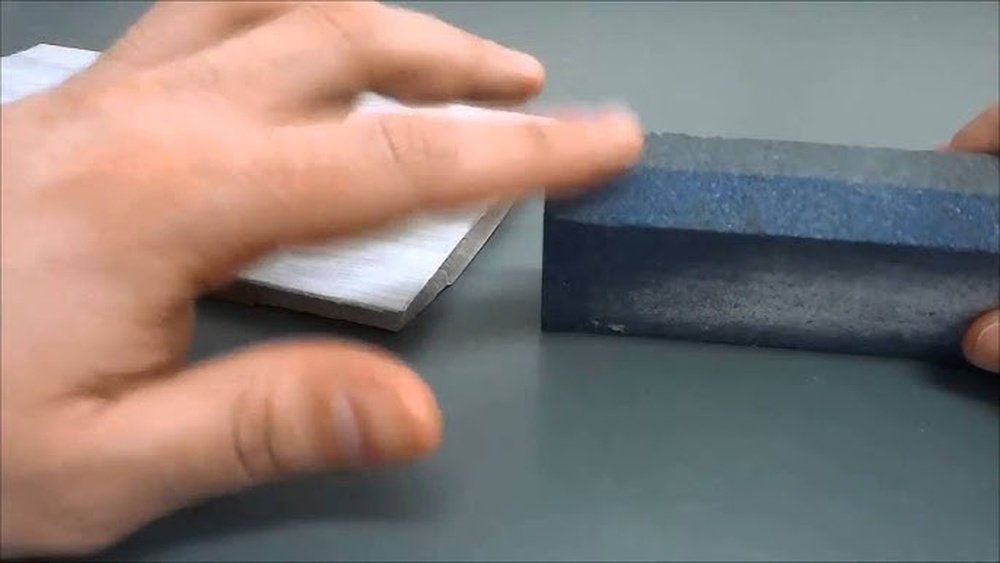
Can You Sand Ceramic Tile Edges? My Hands-on Experience
When I first started working on home projects, I thought ceramic tiles were hard to change. I was afraid to touch the edges, worried I’d ruin the whole piece. But after a few projects and some trial and error, I found out that you can sand ceramic tile edges—if you use the right tools and methods. Here, I’ll walk you through everything I’ve learned from my own experience. If you want smooth, safe, and neat tile edges, keep reading.
Why Would You Want To Sand Tile Edges?
There are a few big reasons I started sanding tile edges:
- Sharp edges can cut your hands or feet. I learned this the hard way after installing a bathroom floor.
- Sometimes, tiles don’t fit perfectly. A little sanding helps them slide into place.
- If you cut tiles (like with a tile cutter or wet saw), the edges are often rough or chipped.
- For design, you might want a rounded edge or “bullnose” finish.
Sanding makes projects look better and safer. It also helps the tiles fit smoothly against walls, tubs, or other tiles.
Can You Actually Sand Ceramic Tile Edges?
Let me be clear: Yes, you can sand ceramic tile edges. But it’s not as easy as sanding wood. Ceramic is much harder and less forgiving. The right tools and patience are key. I’ve tried several tools, and some work much better than others.

What Tools Work Best For Sanding Ceramic Tile Edges?
I’ve tested quite a few options in my DIY journey. Here’s what I found most useful:
| Tool | Best For | Ease of Use (1-5) | Finish Quality |
|---|---|---|---|
| Diamond hand pad | Small chips, smoothing | 5 | Very smooth |
| Rubbing stone | Shaping, light smoothing | 4 | Smooth |
| Sanding block (carbide/grit) | Minor touch-ups | 3 | Moderate |
| Rotary tool (diamond bit) | Curves, heavy shaping | 2 | Very smooth if careful |
| Wet-dry sandpaper | Fine smoothing | 4 | Polished |
My Go-to Tools
- Diamond hand pad: My favorite for most jobs. They’re easy to control, and the results are great.
- Rubbing stone: Good for quick smoothing.
- Rotary tool: If I need to shape a curve or remove a lot of material, this helps—but it’s easy to slip.
Tools That Do Not Work Well
Regular wood sandpaper and sanding sponges don’t do much. They wear out fast and barely scratch the tile. I wasted time trying these!
Step-by-step: How I Sand Ceramic Tile Edges
Here’s my process, step by step. You don’t need pro skills—just patience and care.
1. Gather Your Tools
You’ll need:
- Diamond hand pad or rubbing stone (for most jobs)
- Wet-dry sandpaper (for fine finishing, 200-400 grit)
- Rotary tool with a diamond bit (optional, for shaping)
- A bucket of water and a sponge (to keep dust down)
- Gloves and eye protection (safety first!)
2. Prepare The Tile
First, I clean the tile edge. Dust and grit can scratch the surface. I wipe it with a damp cloth and let it dry.
3. Start Sanding
I dip my tool or sandpaper in water. This reduces dust and helps the tool last longer.
- For a small chip, I use the diamond hand pad and gently rub the edge in circles.
- For a long, rough cut, I use the rubbing stone or a rotary tool first, then finish with the hand pad.
- I check the edge often. It’s easy to go too far if you don’t look.
4. Check Your Progress
I run my finger gently along the edge. If it’s still sharp or rough, I keep going. I always take my time—rushing makes mistakes.
5. Fine Finish
For a really smooth edge, I switch to wet-dry sandpaper. I wrap it around the edge and rub back and forth. The higher the grit, the smoother the finish.
6. Clean Up
I wipe the tile clean with a wet sponge and let it dry. Sharp dust can stay behind, so I’m careful not to touch my eyes or face.
Real-world Example: Fixing A Cut Tile
During my last kitchen project, I had to cut several tiles to fit around outlets. The wet saw left jagged edges, and I worried they’d be visible. I used a diamond hand pad, working slowly until the edge felt smooth.
After grouting, you couldn’t tell which tiles I’d cut. My family never noticed the difference!
Tips For Best Results
Let me share a few things I wish I’d known sooner:
- Go slow. Ceramic is tough. If you press too hard, the tile can chip or crack.
- Use water. Dry sanding creates a lot of dust. Wet sanding keeps the air clean and the tile cool.
- Protect yourself. Wear gloves and goggles. Tiny bits of ceramic can hurt your skin and eyes.
- Test on a scrap tile. If you’re unsure, practice on a leftover piece first.
- Don’t expect to “erase” big mistakes. Sanding can smooth, but it won’t fix large chips or cracks.
Common Problems And How To Avoid Them
I made some mistakes at the start. Here’s what to watch out for:
Chipping The Glaze
The shiny top layer (glaze) can chip if you sand too hard or use a rough tool. I learned to start with a finer grit and gentle pressure.
Uneven Edges
If you sand in one spot too long, you get dips or flat spots. I now move the tool evenly along the whole edge.
Dust Everywhere
The first time, I forgot to use water. My whole work area got covered in fine dust. Now I keep a bucket and sponge nearby.
When Should You Not Sand Ceramic Tile Edges?
Sometimes, sanding isn’t the answer. Here are a few examples from my experience:
- Glazed edge tiles (bullnose): Already smooth and finished. Sanding can ruin the look.
- Decorative tiles with patterns close to the edge: Sanding may remove color or design.
- Cracked tiles: Sanding can make cracks worse.
If you’re not sure, test on a spare tile or a hidden area first.

Can You Sand Installed Tiles, Or Only Loose Ones?
I’ve sanded both loose and installed tiles. Loose tiles are easier, but sometimes you need to smooth an installed edge. Just be careful not to scratch nearby tiles or grout. I use painter’s tape to protect surfaces and go slowly.
Comparing Ceramic, Porcelain, And Stone Tiles
Not all tiles are created equal. Here’s how they compare based on my hands-on tests:
| Tile Type | Hardness | Ease of Sanding | Best Tool |
|---|---|---|---|
| Ceramic | Medium | Moderate | Diamond pad/rubbing stone |
| Porcelain | High | Hard | Rotary tool/diamond pad |
| Stone (e.g. marble) | Varies | Easy (soft stones) | Wet-dry sandpaper |
Porcelain is much harder than ceramic. It takes longer to sand and wears out tools faster. Stone tiles (like marble or travertine) are sometimes softer and easier to sand, but they scratch more easily.

Safety: What I Learned
I can’t stress this enough: safety matters. At first, I skipped gloves and eye protection. Big mistake. The sharp dust can cause cuts or get in your eyes. Always wear gloves, goggles, and a dust mask if you’re dry sanding. Keep kids and pets away from your workspace.
How To Get A Polished Edge (if You Want A Glossy Look)
Sometimes, you want an edge that looks shiny, almost like the factory finish. Here’s how I do it:
- Start with a diamond pad to shape the edge.
- Move to finer grits of wet-dry sandpaper, up to 600 or 800 grit.
- For a real shine, use a felt polishing pad with a tiny bit of water. I attach it to my rotary tool and go slow.
This takes time, but the results can be stunning—especially on visible edges.
Mistakes I Made And What I’d Do Differently
I’ve made a few blunders:
- I pushed too hard and cracked a tile. Now, I use light pressure.
- I tried to sand a big chip away. It only made a bigger dip. Now, I replace badly damaged tiles instead.
- I skipped taping the area, and scratched the surface. Painter’s tape now saves me from extra work.
Professional Vs. Diy Results
Let me be honest: a professional can get near-perfect edges, especially for tricky shapes. But with care, patience, and the right tools, I’ve gotten results that I’m proud to show my friends. If you’re doing a small area or working on a budget, DIY sanding works well.
Where To Get Good Tools
I wasted money on cheap sandpaper and dull hand pads at first. Now, I buy diamond pads and quality sandpapers from my local hardware store or trusted online shops. It’s worth a few extra dollars for tools that last and actually work.
If you want more details on tile tools and safety, the Wikipedia page on ceramic tile cutters is a good resource.
Frequently Asked Questions
How Long Does It Take To Sand A Ceramic Tile Edge?
It depends on how rough the edge is. For a small chip, I can smooth it in 2–3 minutes. For a long, rough cut, it might take 10–15 minutes. Take your time for the best results.
Is Sanding Ceramic Tile Edges Messy?
It can be. Dry sanding creates a lot of dust. I always use water to cut down on dust and wear a dust mask if I’m sanding indoors.
Can I Use Regular Sandpaper On Ceramic Tile?
Regular sandpaper doesn’t work well. It wears out fast and barely smooths the surface. I use diamond hand pads or carbide grit sandpaper made for tile and stone.
Will Sanding Change The Color Of My Tile?
If you sand too much, you can remove the glaze and dull the color. I always start with gentle sanding and check often. If your tile has a printed pattern, be extra careful.
What’s The Safest Way To Sand Tile Edges?
Wear gloves and goggles, use water to keep dust down, and go slow. Test your tools on a scrap tile first. Protect nearby surfaces with tape.
Final Thoughts
Sanding ceramic tile edges isn’t scary once you know what to do. With the right tools, a gentle touch, and a little patience, you can get smooth, safe edges that look professional. I’ve learned a lot from my mistakes, and each project gets a little easier.
Don’t be afraid to try—just start with a spare tile and see how it feels. Your hands (and your home) will thank you!
As an Amazon Associate, We earn from qualifying purchases