
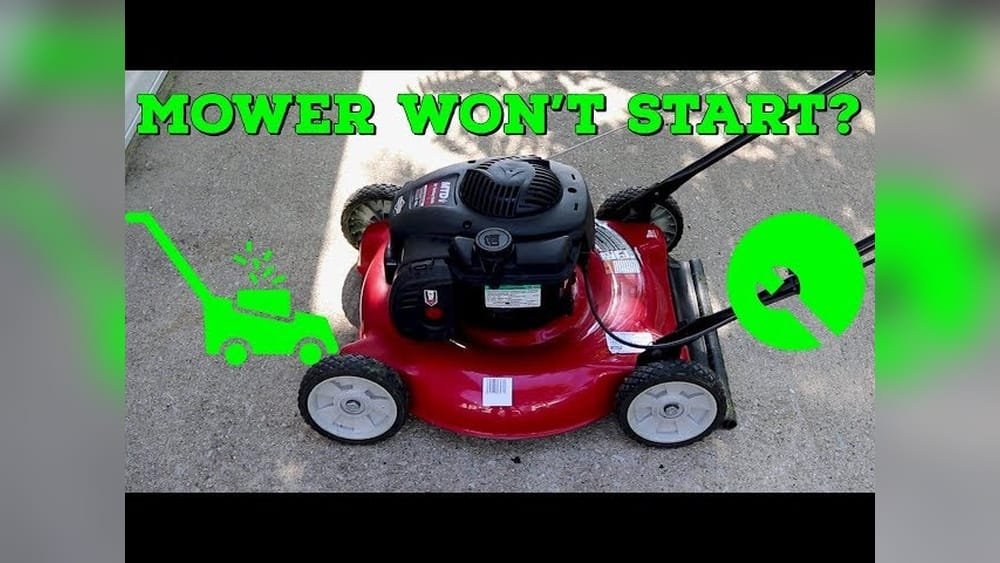
My Briggs And Stratton Lawn Mower Wouldn’t Start—Here’s What I Learned
I’ll never forget that Saturday morning last summer. I woke up ready to get my yard looking sharp. The birds were chirping, the sun was out, and I had all day to tackle the grass. I rolled my Briggs and Stratton lawn mower out of the shed, pulled the cord—and nothing happened. Not even a cough or a sputter. Just silence.
If you’re reading this, I bet you know that feeling. The frustration is real. I’ve spent hours messing with my mower, trying to figure out why it won’t start. Over time, I’ve learned a lot, both from my own mistakes and from talking to pros.
Let me walk you through everything I wish I knew when my mower first let me down. I’ll keep the tips simple and personal, so you can get your mower running without all the stress.
First, Check The Basics
Before you start taking things apart, check the simple stuff. I used to overlook these steps, but they solve more problems than you’d think.
1. Is There Fuel In The Tank?
This sounds obvious, but I’ve tried starting my mower with a nearly empty tank more than once. Make sure there’s enough fresh gasoline.
2. Is The Spark Plug Wire Attached?
Sometimes the wire comes loose. Push it down until it clicks.
3. Is The Mower Blade Clear?
I once found a thick stick wedged under the blade. Clear any debris, and make sure the blade can spin freely.
4. Is The Safety Bar Held Down?
Many mowers have a safety bar you must hold while starting. Double-check you’re holding it tight.
These are easy to miss, especially when you’re in a hurry. But sometimes, it’s that simple.
Common Reasons A Briggs And Stratton Lawn Mower Won’t Start
I’ve made a list of the most common reasons my mower didn’t start. I’ll share what each one means, how I fixed it, and what you should look for.
Old Or Bad Gasoline
Gasoline goes bad fast—sometimes in as little as 30 days. I learned this the hard way after winter. The old fuel turned yellow and sticky. When I drained it and added fresh gas, my mower fired up on the second pull.
- Always use fresh gasoline.
- If your mower sat all winter, drain the old gas and refill.
- For storage, add a fuel stabilizer.
Dirty Or Clogged Air Filter
The air filter keeps dust and debris out of the engine. When it’s dirty, the engine can’t “breathe. ” My filter was packed with grass once, and the mower just wouldn’t start.
- Remove the filter and tap out dirt.
- If it’s very dirty, replace it.
- Clean paper filters by tapping, foam filters by washing with soapy water.
Bad Or Fouled Spark Plug
A spark plug is small but important. If it’s dirty or damaged, your mower won’t start. I pulled out my plug and saw it was black with carbon.
- Remove the spark plug with a wrench.
- Clean it with a wire brush, or replace it if needed.
- The gap (distance between the tip and electrode) must be correct. I use a cheap gap tool for this.
Choke Or Primer Problems
My mower has a primer bulb that squirts fuel into the engine. If I forget to prime, it won’t start. Too much or too little can also cause trouble.
- Press the primer bulb 3–5 times (check your manual).
- If your mower has a choke lever, make sure it’s in the right position for a cold start.
Engine Flooded
If you pull the cord too many times, the engine might flood (too much fuel inside). I’ve done this, and the engine just smells like gas and won’t start.
- Wait 10–15 minutes before trying again.
- Open the throttle fully and pull the cord a few times. This clears extra fuel.
Faulty Safety Switch
Most mowers have a safety switch under the handle. If this breaks, the mower won’t start. I once had to tape a loose wire to get it running (not recommended for the long term).
- Inspect the safety cable and switch.
- Replace broken parts or wires.
Carburetor Issues
A dirty or clogged carburetor can stop your mower cold. I found sticky residue in mine after leaving fuel in it for months.
- Remove and clean the carburetor with spray cleaner.
- Rebuild kits are cheap and can fix many problems.
Fuel Line Blocked
If fuel can’t reach the engine, nothing happens. Sometimes, a clogged fuel line is the cause.
- Check for cracks or clogs.
- Replace any old or brittle lines.
Battery Problems (for Electric Start Models)
Some Briggs and Stratton mowers use a battery for electric start. I once forgot to charge mine.
- Make sure the battery is charged.
- Clean battery terminals.
- Replace the battery if it won’t hold a charge.
Diagnosing With Simple Tools
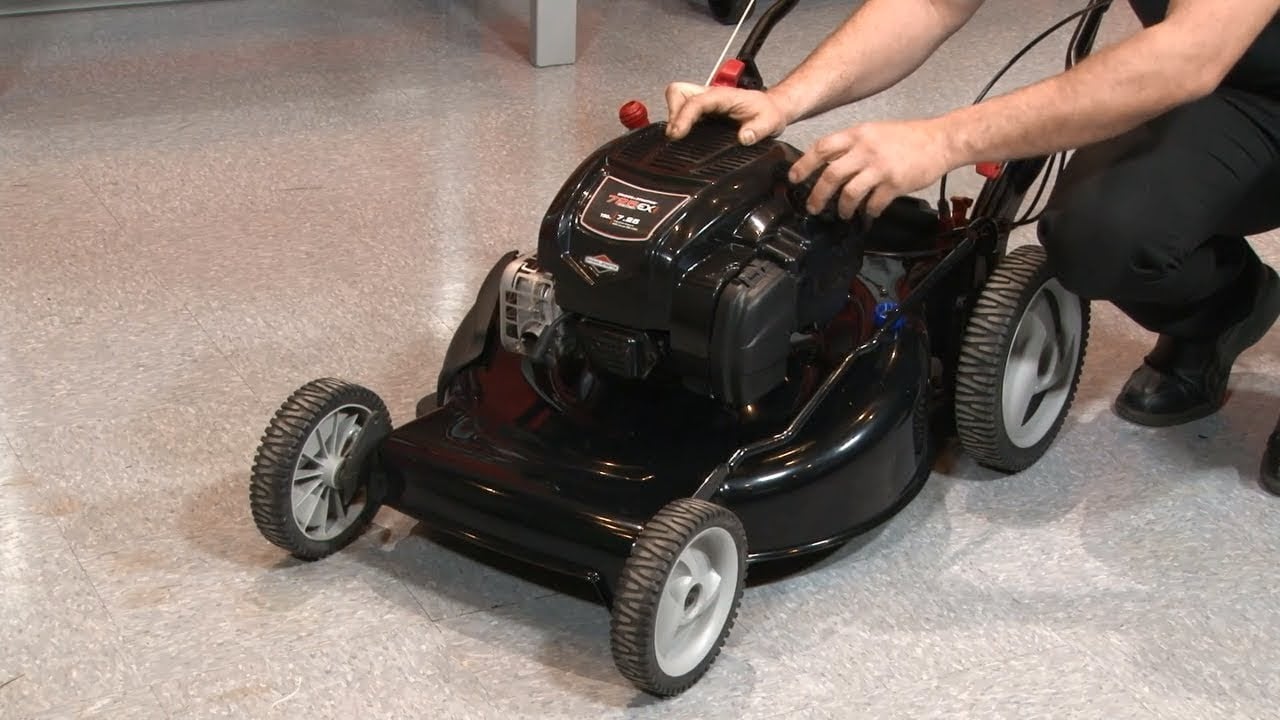
You don’t need fancy equipment. Here’s how I troubleshoot:
- Spark plug tester: Shows if you’re getting a spark.
- Fuel siphon: Lets you remove old gas.
- Screwdrivers and pliers: For removing covers and parts.
- Carb cleaner spray: Helps clear gunk fast.
A little investment saves a lot of time.
Step-by-step: What To Do When Your Mower Won’t Start
Here’s the order I follow, so I don’t waste effort:
- Check fuel: Is it fresh and full?
- Inspect spark plug: Clean or replace.
- Air filter: Clean or swap out.
- Primer and choke: Set correctly.
- Try starting again: Listen for any change.
- Remove spark plug: If wet, wait and retry.
- Fuel line and carburetor: Clean if still no luck.
- Safety switch: Inspect and test.
- Battery: For electric models, check charge.
If you follow these steps, you’ll solve 90% of start-up problems.
Non-obvious Insights (what Most People Miss)
After lots of trial and error, I found a couple of things even seasoned mower owners sometimes miss.
Ethanol In Gasoline Causes Problems
Regular gas often has ethanol. Ethanol attracts moisture and can cause sticky deposits in small engines, especially if stored for months. This caught me off guard the first few years. Now, I buy ethanol-free gas for my mower, and it starts much easier after storage.
Mice And Insects Like Mowers
I once found that my mower wouldn’t start because a mouse had built a nest under the shroud. It blocked airflow and chewed some wires. Always check for signs of rodents or bugs if your mower sits for a while.
Maintenance Tips To Avoid Starting Problems
Here’s what I do to keep my mower reliable:
- Use fresh, ethanol-free gas when possible.
- Run the mower dry before winter (let it run out of gas).
- Change the oil each season.
- Replace the air filter and spark plug yearly.
- Store in a dry place, away from rodents.
- Clean the deck after each use.
These steps take just a few minutes but can save hours of frustration.
When To Call A Professional
Sometimes, you do everything right and the mower still won’t start. If you notice these signs, it might be time for a pro:
- Loud knocking or grinding noises.
- Oil or fuel leaks you can’t find.
- Blue or white smoke from the engine.
- Broken or seized pull cord.
Don’t risk making things worse. A small engine shop has tools and experience you might not.
Comparing Briggs And Stratton Starter Problems With Other Brands
I’ve tried a few different mowers over the years. Here’s a quick comparison of common starter issues I’ve noticed:
| Brand | Typical Start-Up Issues | Average Solution Time |
|---|---|---|
| Briggs & Stratton | Old fuel, spark plug, carburetor | 15–30 min |
| Honda | Choke, old fuel, air filter | 10–25 min |
| Toro | Safety switch, bad battery | 20–40 min |
In my experience, Briggs and Stratton issues are usually easy to fix if you know what to look for.
Myths About Lawn Mower Starting Problems
There’s a lot of bad advice out there. Here are a few myths I’ve heard:
| Myth | The Truth |
|---|---|
| “All fuel is the same.” | Ethanol blends can cause problems for small engines. |
| “Pulling the cord harder will help.” | Technique matters more than strength. Check basics first. |
| “Mowers don’t need yearly maintenance.” | Regular upkeep prevents most starting issues. |
Don’t waste time on these old myths. I’ve learned the hard way that good maintenance and the right fuel make a big difference.
Saving Money: Diy Vs. Professional Repair
If you’re like me, you want to fix things yourself but not make them worse. Here’s a quick look at costs:
| Repair Task | DIY Cost | Pro Shop Cost |
|---|---|---|
| Change spark plug | $5–10 | $30–50 |
| Carburetor clean | $10–20 | $60–100 |
| Replace air filter | $5–15 | $20–40 |
DIY fixes are usually cheap and satisfying. But if you’re not sure, a professional can save you time and headaches.

Where To Find More Help
I’ve learned a lot from official guides and forums. For a deeper dive, the Briggs & Stratton official support site is packed with troubleshooting charts and maintenance tips. You can visit Briggs & Stratton Support for more.
Final Thoughts
Dealing with a Briggs and Stratton lawn mower not starting isn’t fun. But I promise, with a little patience and these simple steps, you can often get it running again in less than an hour. Don’t get discouraged. Most problems have simple solutions if you stay calm and check things step by step. Every time I fix mine, I feel a little more confident—and my grass looks great.
Frequently Asked Questions
Why Does My Briggs And Stratton Mower Only Start With Starter Fluid?
This usually means your carburetor or fuel line is dirty or clogged. The engine fires when you use starter fluid because it’s getting fuel directly. Clean the carburetor and check the fuel line for blockages.
How Often Should I Change The Spark Plug?
I change my spark plug once a year, usually at the start of mowing season. If you mow a lot, check it every few months. A clean plug makes a big difference.
What Type Of Gas Is Best For My Briggs And Stratton Mower?
I use regular unleaded gas with as little ethanol as possible. Ethanol-free gas is best if you can find it. Always use fresh fuel, not from last season.
My Mower Starts, Then Dies After A Few Seconds. What’s Wrong?
This usually means there’s a fuel or air problem. Check the air filter, fuel filter, and carburetor. Old fuel can also cause this stalling.
Do I Need To Change The Oil Every Year?
Yes. Fresh oil keeps the engine running smoothly. I change mine at the start of each season, and it helps the mower last longer.
If you’re patient and check each area step by step, you’ll solve most problems without calling for help. And remember, you’re not alone—every mower owner has been there!
As an Amazon Associate, We earn from qualifying purchases