
A nail gun can save you hours on woodworking or home improvement jobs, but choosing the right type is key. If you’ve ever wondered about the difference between a brad nail gun and a finish nail gun, you’re not alone. Both tools look similar and are often used for detailed carpentry work, yet they have unique strengths and ideal uses. Picking the wrong one can lead to split wood, weak joints, or visible nail holes that ruin your project’s look. This guide breaks down the differences, use cases, and best practices for each tool, so you can buy or use with confidence—whether you’re a DIY beginner or a seasoned pro.
What Is A Brad Nail Gun?
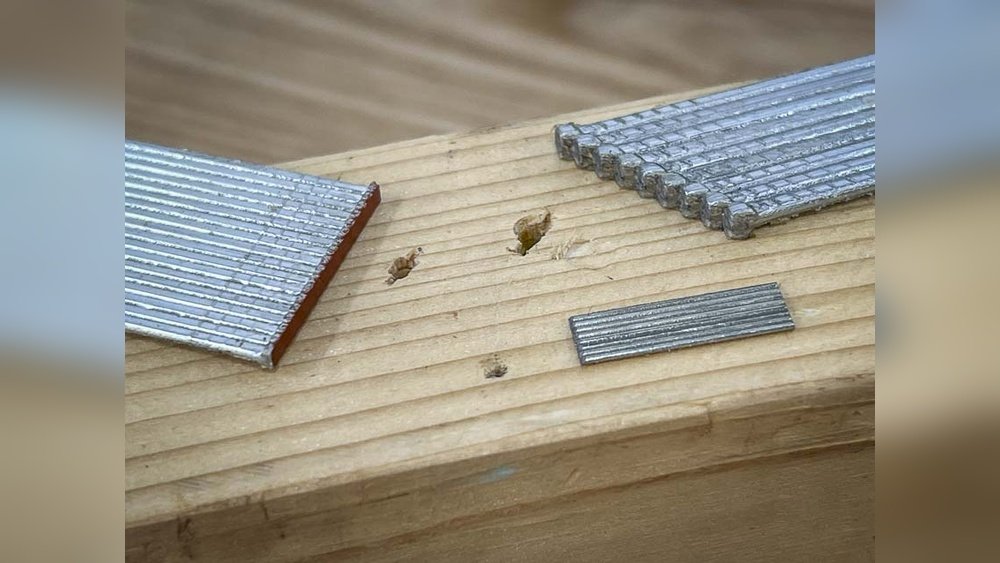
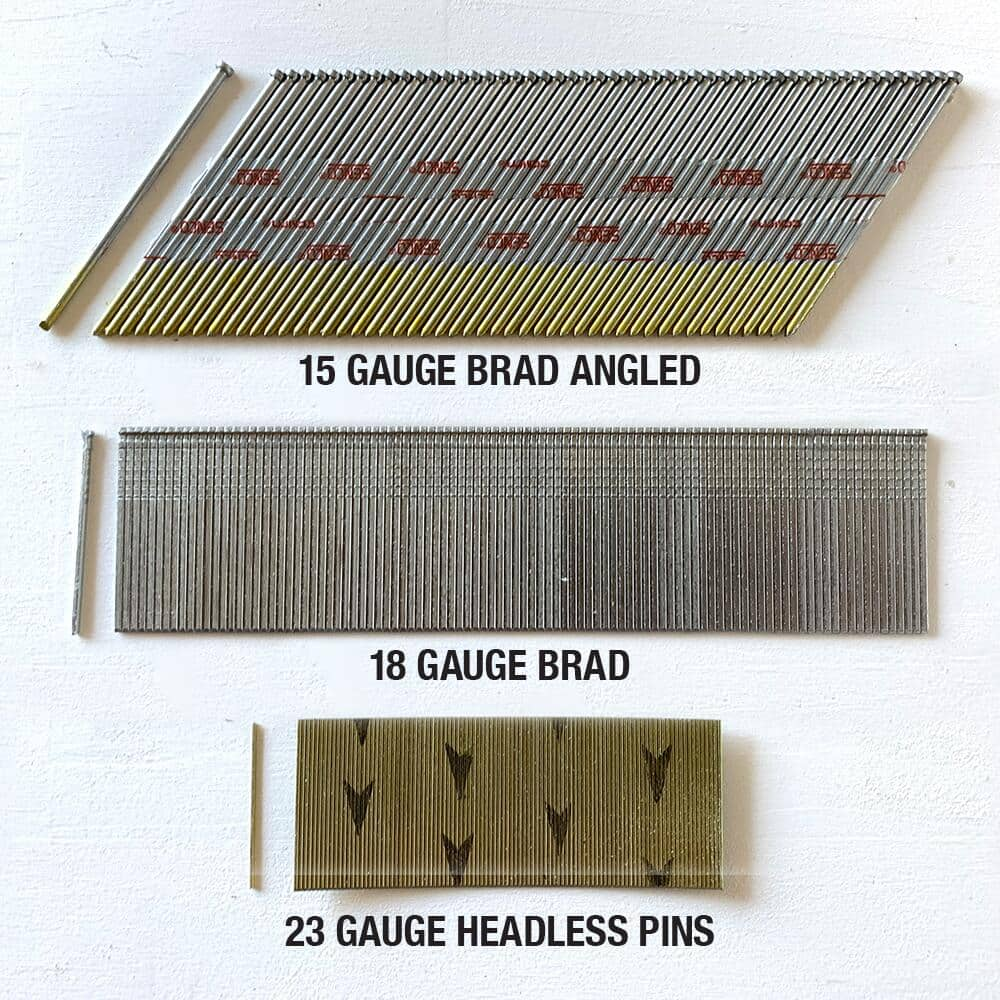
A brad nail gun is designed for attaching thin or delicate trim without damaging the material. It fires 18-gauge brad nails, which are narrow and have a small head. These nails are usually 5/8″ to 2″ long. Because they’re so thin, they leave tiny holes that are barely noticeable and often don’t need filling.
Brad nail guns are ideal for:
- Attaching lightweight trim
- Securing small moldings
- Working with delicate wood
For example, if you’re installing a narrow shoe molding along a floor, a brad nail gun provides enough holding power without splitting the wood or leaving obvious holes. Many crafters also use brad nailers for building small furniture or decorative boxes.
What Is A Finish Nail Gun?
A finish nail gun fires thicker nails—usually 15-gauge or 16-gauge—with a larger head. These nails range from 1″ to 2.5″ long. Finish nail guns are built for jobs that need more strength, like securing baseboards, door casings, and crown molding.
Finish nail guns are best for:
- Attaching heavy trim
- Securing door and window casings
- Finishing larger carpentry projects
If you need to hold up a heavy baseboard or attach a door frame, a finish nail gun gives the extra holding power you need. The larger nails can go deeper into the wood and hold more weight.
Side-by-side Comparison
To clearly see the differences, check this simple table:
| Feature | Brad Nail Gun | Finish Nail Gun |
|---|---|---|
| Nail Gauge | 18-gauge | 15-gauge or 16-gauge |
| Nail Length | 5/8″ – 2″ | 1″ – 2.5″ |
| Best For | Light trim, molding, crafts | Baseboards, casings, heavy trim |
| Hole Size | Very small | Noticeable (requires filling) |
| Splitting Risk | Low | Moderate |
| Holding Power | Low to moderate | High |
Typical Uses And Examples
Brad Nail Gun Applications
- Small Trim and Molding: Brad nailers are perfect for thin materials like quarter-round or shoe molding.
- Picture Frames: The small holes don’t ruin the frame’s look.
- Craft Projects: Lightweight wood projects need a gentle touch.
- Cabinetry Details: Securing thin trim pieces without splitting them.
Finish Nail Gun Applications
- Baseboards: Larger baseboards need more holding power.
- Door and Window Casing: Finish nails prevent movement over time.
- Crown Molding: Heavier, decorative moldings stay put with thicker nails.
- Stair Treads and Risers: Strong nails keep everything secure.
It’s important to match the tool to the job. Using a brad nailer on a heavy baseboard might lead to loose trim later. Using a finish nailer on delicate molding can split the wood or leave large, ugly holes.
Pros And Cons
Here’s a direct look at the strengths and weaknesses of each tool:
| Nail Gun Type | Pros | Cons |
|---|---|---|
| Brad Nail Gun | – Minimal wood splitting – Small, nearly invisible holes – Good for delicate work | – Limited holding power – Not for heavy trim or structural work |
| Finish Nail Gun | – Strong hold for large trim – Versatile for many carpentry jobs – Nails penetrate hard woods | – Larger holes require putty – Higher risk of splitting thin wood |
Key Factors For Choosing The Right Tool
Material Thickness
- For thin or narrow trim, always choose a brad nail gun. The thin nail won’t break the wood.
- For thicker trim or materials, a finish nail gun gives more strength.
Holding Power Needed
Ask yourself: does this piece need to support weight or resist bumps? If yes, use a finish nail gun.
Finished Appearance
Brad nailers leave almost invisible holes. If you want a clean look without much filling, they’re the best choice.
Nail Hole Filling
Finish nails leave holes that need to be filled with wood putty. Some professionals use colored putty to match the trim, but it’s an extra step.
Project Speed
Finish nail guns can drive longer nails quickly into hard woods. This speeds up big jobs, but brad nailers are faster for small, detailed work.

Power Source: Pneumatic Vs. Cordless
Most brad and finish nail guns come in two main types:
- Pneumatic: Uses an air compressor. Lightweight, affordable, and powerful, but you must drag an air hose and compressor.
- Cordless (Battery): Easier to move around, but heavier and more expensive. Slightly less power for driving nails into very hard woods.
A cordless brad nailer is handy for small repairs or quick jobs. For big projects, a pneumatic finish nailer might be better because it can work all day without recharging.
Safety Tips And Common Mistakes
Brad Nail Gun Safety
- Keep fingers away from the nose of the tool.
- Always wear safety glasses. Even small nails can ricochet.
- Don’t aim at knots or very hard spots in wood—brads can bend or misfire.
Finish Nail Gun Safety
- Heavier tools can kick back. Hold them firmly.
- Large nails can go through thin wood—check your depth setting before firing.
- Always disconnect the power source when clearing jams.
Common Mistakes
- Wrong nail length: Too short nails won’t hold; too long can poke through.
- Using brad nailers on heavy trim: The trim may fall off over time.
- Ignoring wood grain: Firing into end grain gives weak holding power.
- Skipping test shots: Always test on scrap wood to check depth and mark size.
One non-obvious tip: humidity can affect soft woods and cause nails to back out over time. For any room with moisture changes (like bathrooms), use longer finish nails and glue for extra strength.
Maintenance And Tool Longevity
Caring for your nail gun is simple but important. Clean dust and wood chips after each use. For pneumatic models, add a drop of oil to the air fitting every day to keep the firing mechanism smooth. Cordless tools need battery care—store batteries in a cool, dry place and avoid full discharge.
Also, check the magazine and nose for jammed nails. A stuck brad or finish nail can cause repeated misfires or even damage the gun if not removed.
Cost And Availability
Brad nail guns are often less expensive than finish nail guns. Entry-level pneumatic brad nailers start around $40–$60. Finish nailers can run from $80 for basic models to $300+ for pro cordless types.
Nails are also different in price. Brad nails are usually sold in large packs, and because they’re thinner, you get more for your money. Finish nails cost more per piece but are needed less often in most projects.
Both types are widely available at hardware stores and online. When shopping, make sure you’re buying the right gauge nails for your tool—using the wrong size can cause jams or damage.
Brad Vs. Finish Nail Gun: Which Is Better For You?
It’s not about which tool is “better” overall, but which is better for your specific job.
- For most home projects: If you do a lot of lightweight trim or craft work, a brad nail gun is a great first tool.
- For remodeling or heavy trim: Go with a finish nail gun for strong, long-lasting results.
- For the best flexibility: Many serious DIYers and pros own both. Start with the tool that matches your most common job.
One insight many beginners miss: a brad nailer can often “tack” pieces in place so you can adjust before securing them with finish nails or screws. This method avoids mistakes and saves time.
Real-world Example: Installing Baseboard
Let’s say you’re installing baseboard in your living room. The baseboard is 3. 5″ tall and ½” thick. A brad nailer can attach the piece to the wall, but over time, bumps from a vacuum could loosen the trim. A finish nail gun, on the other hand, drives thicker nails that hold the baseboard tightly—even if the wall isn’t perfectly flat.
If you’re working with a thin, decorative strip above the baseboard, a brad nailer is perfect. Use wood glue for extra strength if needed, and your trim will look seamless.
When To Use Wood Glue
For the strongest hold—especially on mitered corners or when attaching trim to painted drywall—combine nails with wood glue. Brad nail guns are often used to “pin” the piece in place while the glue dries. This trick creates a clean, strong bond, and the small nail holes are nearly invisible.
Brad And Finish Nail Gun Alternatives
Sometimes, neither tool is perfect. For ultra-delicate work like veneer, a pin nailer (23-gauge) might be needed. For framing or structural work, a framing nailer is best. Knowing the limits of your tools helps you get professional results.
To read more about nail gun types, visit the Nail Gun Wikipedia page.
Frequently Asked Questions
What Is The Main Difference Between A Brad Nail Gun And A Finish Nail Gun?
The main difference is nail size and holding power. Brad nail guns use thinner 18-gauge nails for light, delicate trim. Finish nail guns use thicker 15- or 16-gauge nails for heavy trim and casings.
Can I Use A Brad Nailer For Baseboards?
You can use a brad nailer for thin or light baseboards (less than 2″ tall), but for best results with standard or tall baseboards, use a finish nail gun for better holding power.
Do Finish Nails Leave Bigger Holes?
Yes. Finish nails have larger heads, so they leave bigger holes that should be filled with putty for a smooth finish.
Should I Buy A Pneumatic Or Cordless Nail Gun?
If you want maximum mobility, choose a cordless model. For long projects and lower cost, pneumatic guns are reliable but need an air compressor.
What’s A Common Mistake When Using Brad Or Finish Nailers?
A top mistake is using the wrong nail size for the job—too small for heavy trim, or too large for delicate molding, causing splitting or weak joints.
Choosing the right nail gun helps you finish jobs faster and with better results. Understanding these differences means your next trim, molding, or carpentry project will look professional and last for years.
As an Amazon Associate, We earn from qualifying purchases