
When you step into a garden center, you’ll see dozens of rakes. Two names appear again and again: bow rake and leaf rake. To a beginner, they might look similar—just tools for gathering things on the ground. But if you use the wrong one, your work gets harder, slower, and sometimes even messier. Gardeners, landscapers, and homeowners often ask, “What’s the real difference?” This guide gives you clear answers, with real-world examples, data, and advice from years of hands-on use. Whether you want to clean up leaves in fall or prepare soil for planting, you’ll know exactly which rake to grab.
What Is A Bow Rake?
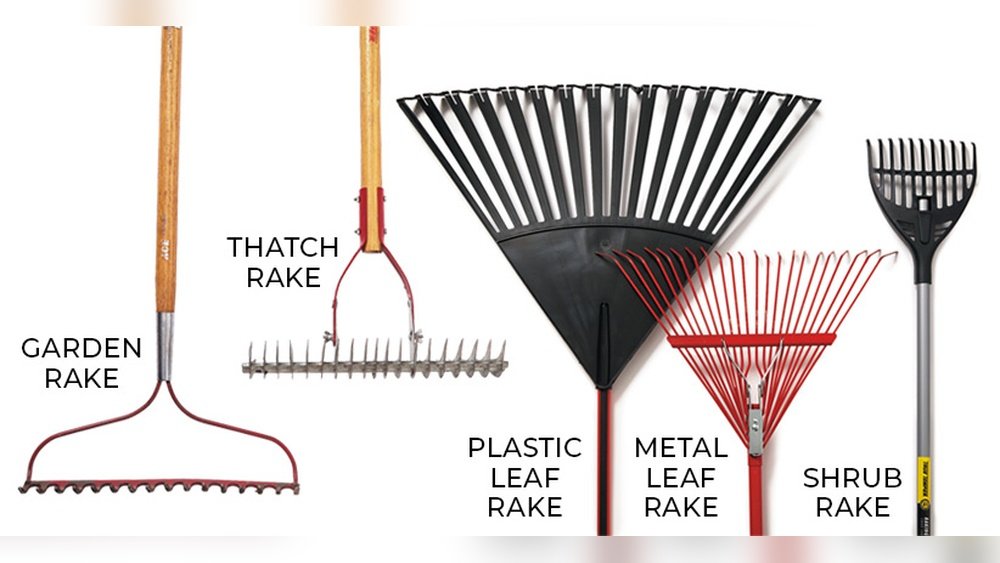
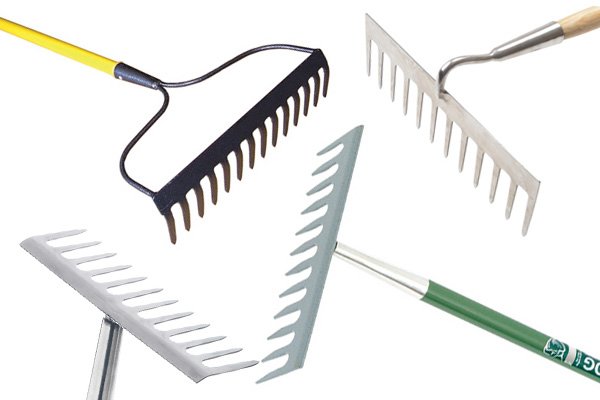
A bow rake is a classic tool found in many gardens. It has a short, wide head with strong, straight tines (the metal teeth). The head is attached to the handle with a “bow”—two curved metal supports that give the tool its name. Most bow rakes have 14 to 16 tines, spaced evenly along the head, which is usually 14 to 18 inches wide.
Bow rakes are built for strength. The tines are stiff and made from metal, so they can move heavy materials like soil, gravel, or mulch. The handle is usually made from wood or fiberglass, and it’s shorter than a leaf rake’s handle—often around 48 inches.
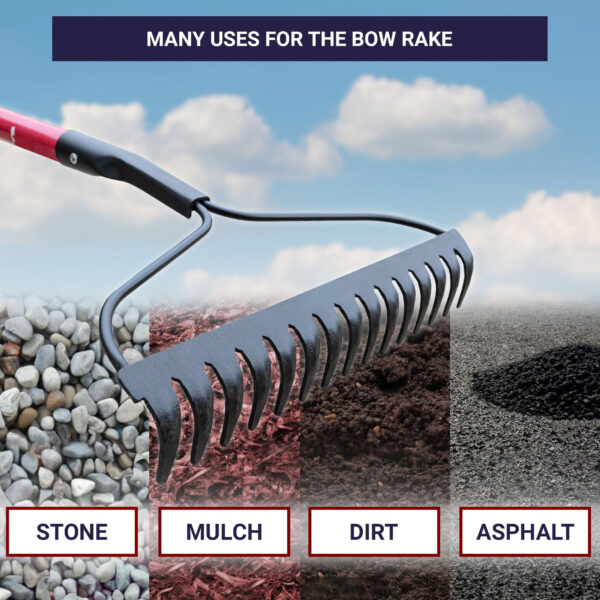
Gardeners use bow rakes for jobs that need power, not just gathering light debris. You’ll often see them in use for leveling soil, spreading mulch, or breaking up compacted earth.
Typical Uses For A Bow Rake
- Leveling soil in garden beds before planting.
- Spreading mulch evenly around plants.
- Breaking up clumps of dirt or gravel.
- Moving heavy materials, like stones or compost.
- Creating furrows for seeds.
A bow rake is not the best choice for gathering leaves or grass clippings—its stiff, short tines can get stuck, and it’s heavy to drag over a lawn.
How A Bow Rake Is Built
- Head: Metal, flat, 14–18 inches wide, with stiff tines
- Tines: 2–4 inches long, straight, and thick
- Handle: Wood or fiberglass, shorter than a leaf rake, strong
- Bow: Metal supports that attach the head to the handle
Many bow rakes are designed to last for years, even with heavy use.
What Is A Leaf Rake?
A leaf rake is what most people picture when they think of “raking leaves.” It has a wide, fan-shaped head—often 20 to 30 inches across—with long, flexible tines. The tines are usually made from metal, plastic, or bamboo, and they’re spaced closer together than a bow rake’s tines.
The handle is longer—sometimes up to 60 inches—so you can cover a big area without bending too much. The head is light, so the whole rake feels easy to swing or drag.
Leaf rakes are made for speed and coverage, not strength. They can gather piles of leaves, grass, or other light debris quickly, but they can’t move heavy materials or break up hard soil.
Typical Uses For A Leaf Rake
- Raking leaves off lawns, patios, or driveways.
- Gathering grass clippings after mowing.
- Sweeping up pine needles or small twigs.
- Collecting light garden debris in beds and borders.
A leaf rake isn’t good for digging or moving soil—it’s too flexible and can break under heavy load.
How A Leaf Rake Is Built
- Head: Fan-shaped, wide (20–30 inches), light material
- Tines: Thin, flexible, often 4–6 inches long
- Handle: Long (up to 60 inches), wood, plastic, or aluminum
- Material: Metal, plastic, or bamboo for head/tines
Plastic and bamboo rakes are especially popular for light-duty work and are less likely to damage delicate grass.
Bow Rake Vs Leaf Rake: Core Differences
To make the right choice, you need to know exactly how these rakes differ. Here’s a side-by-side look at the most important features.
| Feature | Bow Rake | Leaf Rake |
|---|---|---|
| Head Shape | Flat, straight | Fan-shaped, wide |
| Tine Material | Metal (steel/iron) | Metal, plastic, or bamboo |
| Tine Strength | Stiff, strong | Flexible, light |
| Typical Width | 14–18 inches | 20–30 inches |
| Handle Length | Shorter (about 48″) | Longer (up to 60″) |
| Best For | Heavy materials, soil, gravel | Leaves, grass, light debris |
| Weight | Heavier | Lighter |
| Durability | Very high | Medium to high |
| Price Range (USD) | $20–$60 | $10–$40 |
Key Takeaway
If you need to move or shape soil, a bow rake is best. If you want to clear your yard of leaves, a leaf rake is the right tool.
When To Use A Bow Rake
Choosing the right rake for the job makes your work easier and protects your garden. The bow rake shines in these situations:
Preparing Garden Beds
Before planting, soil needs to be level and loose. A bow rake breaks up large clumps, mixes in compost, and leaves a smooth surface. The stiff tines dig in without bending, and the flat back helps with leveling.
Spreading Mulch Or Gravel
Mulch and gravel are heavy and need strong tines. A bow rake spreads these materials evenly. You can push and pull, using both the tines and the flat head.
Removing Rocks Or Debris
After turning soil, rocks and thick roots often remain. A bow rake can drag them out without breaking. Flexible leaf rakes can’t do this—they bend or snap.
Making Seed Furrows
The straight edge of a bow rake is perfect for making shallow lines in the soil—just drag it lightly to create rows for seeds.
Compost Pile Management
Compost piles can get heavy and dense. Use the bow rake to turn compost, mix in air, and break up chunks. The tool’s strength makes it ideal for this tough job.
Mixing Soil Amendments
If you add sand, fertilizer, or other amendments to your soil, a bow rake mixes them in quickly and evenly.
Non-obvious Tip
A bow rake is also useful for spreading asphalt or sand when laying pavers—a common landscaping task that’s tough with any other rake.
When To Use A Leaf Rake
The leaf rake is your go-to tool for clearing large areas quickly and gently.
Raking Leaves In Fall
When trees drop their leaves, lawns can be covered fast. A leaf rake’s wide, flexible head gathers large piles without tearing up grass. Its light weight means less fatigue, even if you’re working for hours.
Gathering Grass Clippings
After mowing, grass clippings can smother your lawn. A leaf rake sweeps them up, leaving your yard neat.
Cleaning Up After Storms
Light debris like twigs, pine needles, and flower petals often scatter after wind or rain. A leaf rake gathers these without damaging plants.
Sweeping Patios And Driveways
Plastic and bamboo leaf rakes can sweep paved surfaces gently, removing leaves without scratching.
Tidying Flower Beds
For delicate areas where plants grow close together, a plastic or bamboo leaf rake works best. It won’t tear up roots or damage soft stems.
Non-obvious Tip
Use a leaf rake upside down (tines facing up) to “scoop” piles of leaves or debris onto a tarp. This makes cleanup faster and less messy.
Which Rake Is Better For Your Needs?
There’s no universal answer—the right rake depends on your garden, your body, and your budget.
Consider These Questions
- What jobs do you do most?
- If you mostly collect leaves and mow grass, a leaf rake is essential.
- If you prepare beds, spread mulch, or work with soil, you need a bow rake.
- How large is your yard?
- A big lawn means a wide leaf rake saves time.
- A small garden bed may be easier to manage with a compact bow rake.
- Do you have physical limitations?
- Bow rakes are heavier and need more strength.
- Leaf rakes are lighter and easier for people with back or shoulder issues.
- What is your budget?
- Leaf rakes are cheaper, but break more easily.
- Bow rakes cost more, but last years or even decades.
Real-world Example
Suppose you have a new garden plot with hard, packed soil and rocks. A leaf rake would barely scratch the surface. But a bow rake can break up the ground, pull out rocks, and level the soil for planting. Later, when the plot is full of plants, you’ll want a leaf rake to clear debris gently.
Materials: Metal, Plastic, Bamboo – Does It Matter?
Material affects durability, weight, and comfort. Here’s how each compares:
| Material | Bow Rake Use | Leaf Rake Use | Durability | Weight |
|---|---|---|---|---|
| Metal (Steel/Iron) | Best (almost all bow rakes) | Good for heavy-duty leaf rakes | Very high | Heavier |
| Plastic | Rarely used | Very common (light debris) | Medium | Very light |
| Bamboo | Not used | Traditional, gentle for lawns | Medium (can break) | Very light |
| Fiberglass | For handles only | Occasionally for handles | High | Medium |
| Wood | Common for handles | Common for handles | High (if treated) | Medium |
Non-obvious Insight
Metal leaf rakes are more expensive, but they last much longer and can handle heavier wet leaves or small sticks. Bamboo leaf rakes are gentle on delicate lawns and are less likely to scratch surfaces.
Ergonomics And Comfort
Even the best rake is useless if it hurts your back or wrists. Ergonomics matter, especially for longer jobs.
Handle Length And Grip
- Longer handles reduce back strain for tall users or when raking a large area.
- Shorter handles give more control for close work (like flower beds).
- Padded or shaped grips can prevent blisters and make raking more comfortable.
Weight
- Bow rakes weigh 2 to 4 pounds. Heavy models are tiring but give power.
- Leaf rakes often weigh under 2 pounds. Easy for long sessions but may not move heavy material.
Non-obvious Tip
A lightweight rake feels great at first, but if it’s too light, you may need extra force to move piles, which can be more tiring over time. Try the rake in-store if possible.
Durability And Maintenance
No one wants to buy a new rake every year. Here’s how to keep your tool working for years:
Bow Rake Durability
- Made from solid steel, bow rakes can last decades.
- Keep the head clean and dry to prevent rust.
- Occasionally oil the tines and handle (if wood) to protect from moisture.
- Check the “bow” attachment. Tighten any loose screws or bolts.
Leaf Rake Durability
- Plastic heads can crack in cold weather or under heavy load.
- Metal tines can bend; gently reshape with pliers if needed.
- Bamboo heads can split—store indoors when not in use.
- Check and tighten the connection between head and handle.
Storage
- Hang rakes off the ground to avoid moisture.
- Never leave rakes out in rain or snow.
Non-obvious Tip
With leaf rakes, broken tines often happen at the outer edges. Some brands sell replacement heads, so check before buying a new rake.
Price And Value
Rake prices vary by material, brand, and size.
- Bow rakes: $20–$60 for quality steel models. Cheaper ones often bend or break under pressure.
- Leaf rakes: $10–$40. Plastic rakes are cheapest, but metal and bamboo models last longer.
Buying a higher-quality rake pays off if you use it regularly. For occasional use, a basic model is fine, but for frequent gardeners, investing a little more saves money over time.
Non-obvious Insight
Some premium rakes offer “lifetime warranties. ” If you garden a lot, this can be worth the extra cost—especially for bow rakes.
Common Mistakes When Choosing Or Using Rakes
New gardeners often make these mistakes:
- Using a leaf rake for heavy jobs—this leads to bent or broken tines.
- Choosing a bow rake for leaves—it’s heavy, can damage your lawn, and gathers debris slowly.
- Buying the cheapest rake—these often break fast, costing more in the long run.
- Ignoring handle comfort—a bad grip or the wrong length makes raking much harder.
- Storing rakes outside—this shortens their life, especially for wood and bamboo.
- Raking too aggressively—especially with a bow rake, this can damage plants or soil structure.
- Not matching rake size to area—a very wide leaf rake is awkward in tight spaces; a narrow bow rake is slow on big lawns.
Special Features And Modern Innovations
Manufacturers have added new features to make rakes easier to use:
- Adjustable heads: Some leaf rakes allow you to change the width for tight spots or open areas.
- Ergonomic handles: Shaped grips, padded sections, or curved handles reduce hand and wrist strain.
- Collapsible designs: Leaf rakes that fold for storage—great for small sheds.
- Rake and scoop combinations: Some rakes have a built-in “scoop” feature for lifting piles without bending.
While these features are helpful, they often come at a higher price. Test in person if possible to see if they’re worth it for you.
Which Rake Is Right For You? Decision Guide
To help you decide, here’s a quick reference:
- Mostly leaves and grass: Choose a leaf rake—wide, flexible, and lightweight.
- Soil preparation or mulch: Bow rake—strong, heavy, and durable.
- Both jobs regularly: Consider buying both. Each tool saves time and effort for its task.
- Delicate lawns or flower beds: Bamboo or plastic leaf rake—gentle on plants.
- Rocky or clay soil: Heavy-duty metal bow rake—handles tough jobs.
Environmental Impact
The material and lifespan of your rake affect the environment.
- Steel and bamboo are recyclable and last longer, reducing waste.
- Plastic is less durable and harder to recycle, but is lighter to ship (lower carbon footprint).
- Wood (for handles) is renewable, but needs responsible sourcing (look for FSC certification).
Whenever possible, choose rakes that are built to last, and recycle or repurpose old tools.

Real-world Experiences
Professional landscapers often carry both types in their trucks. One shared, “I use a bow rake for every new garden project—breaking up soil, leveling beds, even spreading gravel for walkways. The leaf rake comes out when it’s time for cleanup.
Each tool has its own job; using the wrong one just wastes time. ”
Homeowners say the same. “After years of trying to do everything with one cheap plastic rake, I finally bought a bow rake for my vegetable beds. It cut my prep time in half,” said one gardener. “Now I keep a leaf rake for fall leaves and a bow rake for the heavy stuff.
”
How To Rake Efficiently
Technique matters as much as tool choice.
For Bow Rakes
- Stand with feet shoulder-width apart.
- Use both hands, and keep your back straight.
- Pull the rake toward you in short strokes, using your legs more than your back.
For Leaf Rakes
- Sweep in a wide, gentle arc.
- Start on one edge of the lawn and work across in rows.
- Don’t overload the rake—empty piles onto a tarp or into bags frequently.
Non-obvious Tip
Work with the wind, not against it, when raking leaves. This saves energy and prevents re-scattering debris.
Seasonal Care And Storage
Proper care extends the life of both rakes.
- Clean off mud and sap after each use.
- Store indoors, especially in winter or rainy seasons.
- Hang rakes on hooks to prevent warping or rust.
- Check handles for splinters or cracks; sand and oil wooden handles yearly.
Many garden supply stores offer wall racks designed just for rakes—worth considering if you have multiple tools.
Where To Buy Quality Rakes
- Home improvement stores: Home Depot, Lowe’s, Ace Hardware
- Garden centers: Often offer higher-quality, specialized tools.
- Online retailers: Amazon, Gardener’s Supply Company, Walmart
- Specialty brands: Look for reviews and warranties. Some brands like Fiskars, True Temper, and Bully Tools are known for durability.
For more on rake types and gardening tools, see the Wikipedia article on rakes.
Frequently Asked Questions
What Is The Main Difference Between A Bow Rake And A Leaf Rake?
The main difference is their design and purpose. A bow rake has stiff, short metal tines and a flat head for moving heavy materials like soil or gravel. A leaf rake has long, flexible tines and a wide, fan-shaped head for gathering leaves and light debris.
Can I Use A Bow Rake To Rake Leaves?
You can, but it’s not recommended. Bow rakes are heavy and can damage grass. They also gather leaves slowly. For clearing leaves, a leaf rake is much more efficient and gentle on your lawn.
Which Rake Is Better For Spreading Mulch?
A bow rake is best for spreading mulch. Its strong tines and flat head allow you to move and level heavy mulch easily. Leaf rakes are too flexible and not strong enough for this task.
How Do I Choose The Right Size Leaf Rake?
Choose a leaf rake head that matches your yard size. Wider heads (24–30 inches) cover more area quickly, ideal for big lawns. Narrower heads (18–22 inches) are better for small yards or tight spaces. Make sure the handle length is comfortable for your height.
How Do I Maintain My Garden Rake?
Always clean the rake after use. For metal rakes, dry them to prevent rust. Oil wooden handles yearly. Store rakes indoors and hang them to avoid bending or moisture damage. Check for loose parts and tighten as needed.
Whether you’re prepping a new garden or cleaning up after a storm, knowing the difference between bow rake and leaf rake makes every job easier. The right tool saves time, energy, and even your plants—so choose wisely and care for your rake, and it will serve you well for years.
As an Amazon Associate, We earn from qualifying purchases