
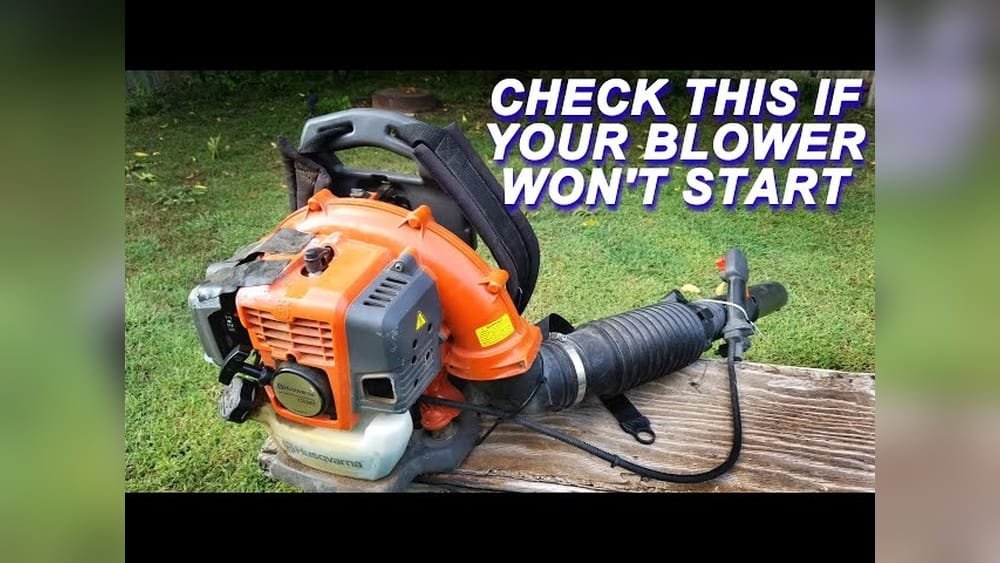
My Backpack Leaf Blower Wouldn’t Start: Here’s What I Learned
Last fall, I was ready to tackle my backyard leaves. But when I picked up my trusty backpack leaf blower, it just wouldn’t start. I tried pulling the cord again and again. Nothing. I felt frustrated, sweaty, and a little embarrassed.
I had no idea what was wrong. If you’re reading this, you probably know that feeling too.
Let me walk you through what I did, what I learned, and how you can get your own backpack leaf blower running again. I’ll share tips, mistakes, and things I wish someone had told me earlier. This guide is for regular folks—not mechanics.
First Checks: The Basics
I’ll be honest. At first, I thought my blower was broken for good. But most starting problems are simple. Here are a few things I checked right away:
- Fuel Level: I looked in the tank. Sometimes, it’s just empty. I once spent ten minutes pulling the cord before I realized there was no gas.
- Power Switch: I checked if the on/off switch was set to “on.” I’ve forgotten this step more than once.
- Choke Setting: Cold engines need the choke “on” to start. If your blower hasn’t run in a while, make sure the choke is in the right spot.
- Throttle Lock: Some models need the throttle held or locked open. I once missed this and wondered why nothing happened.
These seem obvious, but they’re easy to overlook, especially when you’re in a rush.
Fresh Fuel Makes A Big Difference
Old gas was my first big surprise. Gasoline can go bad in as little as 30 days. I had left last season’s fuel in my blower. When I opened the tank, it smelled sour. Old fuel doesn’t burn well and can gum up the carburetor.
Here’s what I did:
- Emptied the tank using a hand pump.
- Added fresh, properly mixed gas. For my two-stroke blower, I mixed gasoline and oil at the right ratio (usually 50: 1 or 40:1—your manual will say which).
- Tried starting again.
Fresh fuel alone fixed the problem for my neighbor last year, but not for me this time. Still, it’s the first thing I check now.
Spark Plug Surprises
The next thing I learned was how important the spark plug is. If it’s dirty or old, your blower won’t start.
I removed the plug using a simple socket wrench. Here’s what I found:
- If the tip is black and oily, it’s fouled.
- If it’s dry and gray, it’s probably okay.
I cleaned the plug with a wire brush. You can replace it if you’re not sure. Spark plugs are cheap (usually $2–$5). After reinstalling it and tightening snugly (not too tight), I tried again. Sometimes, just cleaning or swapping the plug does the trick.
Air Filter: The Hidden Choke
Next, I checked the air filter. If it’s dirty, the engine can’t “breathe.” Mine was packed with dust and leaves. I removed it, tapped out the dirt, and washed it with soapy water. I let it dry completely before putting it back.
If your filter is torn or too dirty, replace it. Running without a filter is risky—it can let dirt into the engine.
Primer Bulb And Fuel Lines
Many backpack blowers have a small primer bulb. Pressing it a few times helps move gas into the carburetor. I found that my bulb was cracked and leaking. When that happens, air gets in and the blower won’t start.
I replaced the bulb (just a few dollars at the hardware store). I also checked the fuel lines. If they’re hard, cracked, or leaking, swap them out. I used soft, clear fuel line from the small engine aisle. Proper fuel flow is key.
Choke And Throttle Tricks
This is something I learned after a lot of trial and error. Starting a cold engine is different from a warm one:
- For a cold start, I set the choke to “on” and pressed the primer bulb 5–6 times.
- Pulled the cord until the engine sputtered (usually 2–3 pulls).
- Moved the choke to “half” or “run” and pulled again. The engine roared to life.
If the engine is warm, you may not need the choke at all. I flooded my engine by leaving the choke “on” too long. If you smell gas and the engine won’t start, wait a few minutes and try again.
Carburetor Woes
If the basics don’t work, the problem is often the carburetor. This little part mixes fuel and air. If old fuel sits in the carb, it can get sticky and block the tiny jets.
I watched a YouTube video to learn how to take off the carburetor. I cleaned it with carb cleaner (wear gloves—it’s messy). Sometimes, you can buy a whole new carburetor for $15–$30 online. Installing a new one is often easier than cleaning a very dirty old one.
One thing I wish I knew: don’t over-tighten the carburetor screws. I once stripped the threads and had to buy a new part.
Recoil Starter Issues
If you pull the cord and nothing happens—not even a “cough”—the recoil starter itself could be stuck. I opened up the side cover and checked. Sometimes dirt or old grease jams the mechanism. A quick clean and a bit of oil helped.
If the cord won’t retract or is broken, you may need to replace the whole recoil assembly. It’s not as hard as it sounds—just keep track of the screws.
Engine Compression
This is a step many people miss. If the engine has low compression, it won’t start no matter what. Compression means the engine seals tightly, so air and fuel mix and fire.
Here’s a quick test:
- Remove the spark plug.
- Place your thumb over the hole.
- Pull the starter cord. If you feel a strong “pop” of air, compression is probably fine.
If there’s little or no pressure, you may have a serious problem inside the engine. At this point, I usually call a repair shop.
Useful Data And Comparisons
Here’s a side-by-side look at common backpack leaf blower problems and how often they cause no-start issues based on my experience and what I’ve seen online:
| Problem Area | Chance It’s the Cause | DIY Fix? |
|---|---|---|
| Old Gas/Fuel | 40% | Yes |
| Spark Plug | 25% | Yes |
| Air Filter | 10% | Yes |
| Fuel Lines/Bulb | 10% | Yes |
| Carburetor | 10% | Maybe |
| Recoil Starter | 3% | Yes |
| Compression | 2% | No |
As you can see, old fuel and spark plugs cause most of the headaches. Start with those.
What Kind Of Fuel? My Big Mistake
I made a classic error once. I used regular gas without mixing oil. My blower is a two-stroke engine, which means it needs oil mixed in with the gas. Running it with straight gas can damage the engine fast.
Always check your manual. Most backpack blowers use a 50:1 or 40:1 fuel/oil mix. If you don’t have the manual, you can often find it online. Here’s a quick reference:
| Mix Ratio | Gasoline (Gallons) | 2-Cycle Oil (Ounces) |
|---|---|---|
| 50:1 | 1 | 2.6 |
| 40:1 | 1 | 3.2 |
Using the wrong mix can make your blower hard to start, or even kill it for good.
When To Call For Help
Most fixes are easy if you have basic tools and patience. But sometimes, you need a pro:
- If you hear grinding noises.
- If the pull cord won’t move at all.
- If you see fuel leaking from the engine.
- If there’s no compression.
I once spent three hours on a blower that needed a new piston. The repair cost more than a new machine. Sometimes, it’s best to cut your losses.
Preventing Future Problems
After all my struggles, I now do a few simple things to keep my blower ready:
- Run the engine dry at the end of the season.
- Use only fresh, high-quality fuel.
- Replace the spark plug every year.
- Clean or replace the air filter each season.
- Store the blower in a dry place.
These steps take just a few minutes but save hours of hassle next time.
Real-world Example: My Neighbor’s Mistake
My neighbor once asked why his new blower wouldn’t start. He’d filled it with “straight” gas—no oil. The engine seized after five minutes. That mistake cost him $200. Now, we both label our gas cans so we don’t mix them up.

How Modern Blowers Compare
If you’re thinking about getting a new blower, here’s a quick look at starting features on older vs. newer models:
| Feature | Older Models | Newer Models |
|---|---|---|
| Primer Bulb | Sometimes | Always |
| Auto Choke | No | Often |
| Easy Start Cord | No | Yes |
| Electronic Ignition | No | Sometimes |
Newer blowers are easier to start and need less fuss. But old ones still work great if you care for them.
Non-obvious Insights That Helped Me
- Label your fuel can. Using the wrong gas is the fastest way to kill your blower. I use a big marker and write “2-stroke MIX” on my can.
- Don’t over-prime. Pressing the primer bulb too many times can flood the carburetor. Five or six is plenty.
- Seasonal care matters. Running the blower dry before storage keeps the carburetor clean for next year.
- Manuals are online. Lost your manual? Search the model number plus “manual.” Most brands post them for free.
Frequently Asked Questions
How Often Should I Change My Leaf Blower’s Spark Plug?
Once a year is best, or every 25 hours of use. A clean plug means easier starts and better performance.
Why Does My Blower Start, Then Stop Right Away?
This usually means a dirty air filter or carburetor. Old fuel can also cause this. Try cleaning the filter and using fresh gas.
Can I Use Regular Car Oil In My Leaf Blower’s Fuel Mix?
No, always use 2-stroke oil made for small engines. Car oil doesn’t mix well and can harm your engine.
What’s The Best Way To Store My Blower For Winter?
Run the engine until it’s out of gas. Clean or replace the air filter. Store it in a dry, safe place.
Where Can I Find More Help If My Blower Still Won’t Start?
Check your brand’s website for manuals and troubleshooting tips. You can also try the Home Depot Leaf Blower Help Guide for more advice.
Getting your backpack leaf blower started can feel tough, but don’t give up. With a little patience and these steps, you’ll be back to clearing leaves in no time. If I can do it, so can you!

As an Amazon Associate, We earn from qualifying purchases