
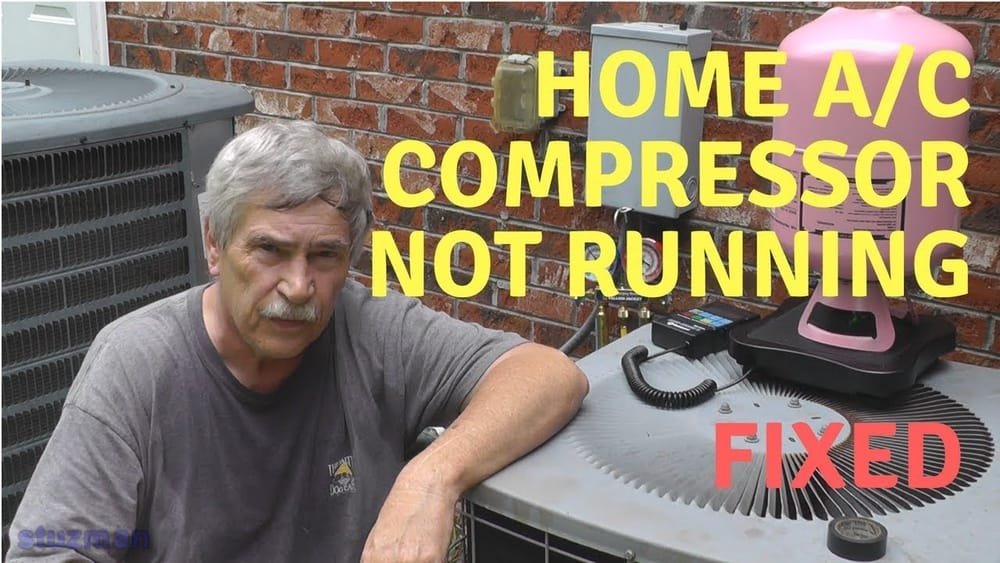
Have you ever walked into your living room on a hot day, expecting a blast of cold air, but instead felt only warm, sticky air? I’ve been there, standing in front of my air conditioner, pressing every button, and wondering, “Why is the air conditioner compressor not working?
” That’s the heart of the AC system, and when it fails, the whole house feels it. Over the years, I’ve faced this problem several times, learned how to spot it, how to fix it, and when to call for help.
Let me share what I’ve learned with you, in simple, everyday words—no engineering degree needed.
What Does The Compressor Do?
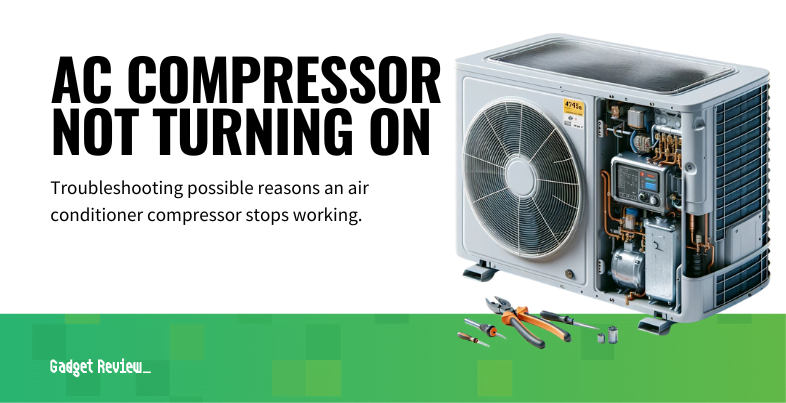
The compressor is like the heart of your air conditioner. Its job is to move the refrigerant, which cools your air, through the system. If the compressor stops working, you won’t get cold air—no matter how low you set the thermostat. When my compressor failed, the fan still blew, but the air stayed warm. That’s the first sign most people notice.
Common Signs Your Ac Compressor Is Not Working
You don’t have to be a technician to spot the warning signs. Here’s what I’ve noticed when my AC’s compressor was in trouble:
- Warm Air – The most obvious sign. The AC is running, but the air feels just like room temperature.
- Strange Noises – I once heard rattling, buzzing, or clicking sounds coming from the outdoor unit.
- Unit Shuts Off Quickly – Sometimes, the AC starts then stops after a few seconds.
- Breaker Keeps Tripping – My home’s circuit breaker flipped every time I turned on the AC. That’s a red flag.
- Outdoor Fan Runs, But No Cooling – The fan outside works, but the compressor does nothing.
Noticing these signs early saved me a lot of stress (and money) later on.
Why Do Ac Compressors Stop Working?
Through my many AC struggles, I learned that several things can cause the compressor to stop. Let’s break down the most common reasons:
1. Electrical Problems
Bad wiring, blown fuses, or failed capacitors can all stop the compressor. I once found a burnt wire near my outdoor unit—replacing it fixed the problem instantly.
2. Overheating
AC compressors can get too hot if airflow is blocked. Leaves, dust, or even a plastic bag stuck on the outdoor unit can make things worse. After I cleaned my outdoor unit, the compressor started working again.
3. Low Refrigerant
If the system leaks refrigerant, the compressor has to work harder. This can lead to a breakdown. I had a slow leak once, and topping up the refrigerant solved the issue (but I needed a pro to find and fix the leak).
4. Faulty Capacitor Or Contactor
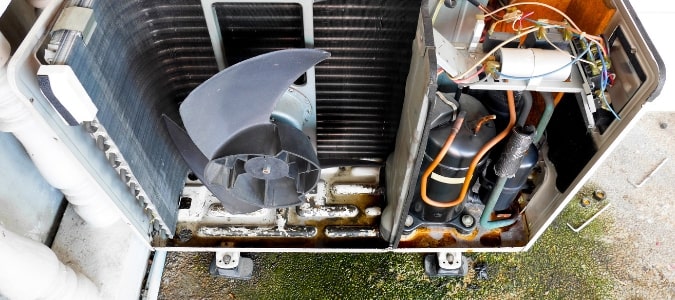
These are small parts that control the power going to the compressor. When either one failed in my system, the compressor wouldn’t start, but the fan would keep running.
5. Dirty Coils
If the coils are covered in dirt, the compressor struggles to cool your home. I learned to hose off the outdoor coils every spring—simple, but it works wonders.
6. Age And Wear
Sometimes, the compressor is just old. Most last 10-15 years. If yours is older, it might be time for a new unit.
How I Troubleshooted My Ac Compressor
When my compressor stopped working, I followed a few steps to figure out what was wrong. Here’s what helped me:
- Check the Thermostat – Make sure it’s set to “cool” and the temperature is lower than the room’s.
- Inspect the Circuit Breaker – See if it’s tripped. If so, reset it once. If it keeps tripping, stop and call a pro.
- Listen for Sounds – Stand near the outdoor unit. If you hear humming or clicking, it’s trying to start but can’t.
- Look at the Capacitor – If you’re comfortable, carefully open the panel (after turning off power) and see if the capacitor is swollen or leaking.
- Clean the Outdoor Unit – Remove leaves, dirt, or anything blocking airflow.
- Check for Ice – Sometimes, the coils freeze over. If you see ice, turn off the AC and let it melt.
I always stop and call a technician if I’m not sure. Electricity and refrigerant can be dangerous.
Table: Quick Troubleshooting Steps And What They Mean
Here’s a quick guide I made for myself. It helps match the symptom with the likely cause:
| Symptom | Possible Cause | What to Do |
|---|---|---|
| Warm air only | Compressor issue, low refrigerant | Check breaker, call a pro |
| Clicking or buzzing | Bad capacitor or contactor | Replace faulty part |
| Unit shuts off quickly | Overheating, dirty coils | Clean coils, check airflow |
| Breaker trips | Electrical short, bad wiring | Call electrician or AC tech |
| Outdoor fan runs, no cooling | Compressor not starting | Check capacitor, call a pro |
Can You Fix A Compressor Yourself?
I’m handy, but I’ve learned that compressors are tricky. Here’s what I feel comfortable doing:
- Resetting the breaker
- Cleaning the outdoor unit
- Checking thermostat settings
But for anything else—like opening the unit, handling refrigerant, or electrical repairs—I always call a licensed technician. Not only is it safer, but you also need special tools and knowledge.
What It Cost Me To Repair Or Replace My Compressor
Money always matters, right? Let me share some real numbers from my experience and research:
| Repair Type | Cost Range (USD) | My Experience |
|---|---|---|
| Capacitor replacement | $120 – $250 | I paid $180 |
| Refrigerant recharge | $150 – $400 | I paid $320 |
| Compressor repair | $600 – $1,300 | My neighbor paid $950 |
| Compressor replacement | $1,200 – $2,800 | I got a quote for $2,100 |
One thing I learned: If your compressor is old and the repair is expensive, sometimes it’s smarter to replace the whole AC unit. New units are more energy efficient, which means lower bills.
How To Prevent Compressor Failure
After so many AC troubles, I started doing things differently. Here’s how I keep my compressor healthy now:
- Regular Filter Changes – I swap the indoor filter every 1-2 months. Clogged filters make the compressor work harder.
- Clean the Outdoor Unit – I hose it down every spring and fall. No leaves, no dust.
- Annual Maintenance – I bring in a pro once a year to check everything. They spot problems before they get big.
- Watch for Strange Noises – If I hear buzzing or rattling, I don’t wait. I call for help.
- Set the Thermostat Right – I don’t set it too low. I learned that setting it at 68°F instead of 72°F makes the compressor run longer and wear out faster.
Table: Maintenance Habits And Their Impact
I tracked how my habits changed the performance of my AC over time:
| Maintenance Habit | Impact on Compressor | Notes |
|---|---|---|
| Changing filters | Less strain, longer life | Every 1-2 months |
| Cleaning coils | Prevents overheating | Spring & fall |
| Annual checkup | Early problem detection | Once a year |
| Thermostat settings | Reduces overwork | Don’t set too low |
These small things made a big difference for me. My last compressor lasted 14 years—much better than my first one!
When To Call A Professional
I’m all for DIY fixes, but with compressors, safety comes first. Here’s when I pick up the phone:
- Breaker trips more than once
- Loud or weird noises from the outdoor unit
- Ice or water around the unit
- Burning smells
- Warm air keeps blowing after simple checks
A good technician can test the compressor, check the refrigerant, and handle any electrical issues. Most importantly, they keep you safe.
Non-obvious Insights I Learned
There are a few things I wish I’d known earlier:
1. Voltage Surges Can Kill Compressors Fast
I lost a compressor after a lightning storm. Now I use a surge protector on my AC unit. It’s a small investment that can save a lot of money.
2. Warranty May Cover More Than You Think
When my compressor failed within 5 years, the manufacturer covered the part, but not labor. Always check your warranty—it might save you hundreds or even thousands.
Helpful Resources
If you want to dive deeper, I found this guide from the U.S. Department of Energy very clear:
maintaining Your Air Conditioner

Frequently Asked Questions
Why Does My Air Conditioner Run But Not Cool The Room?
This usually means the compressor is not working. The fan may blow, but without the compressor, no cold air is produced. Check for dirty filters, tripped breakers, or call a technician to check the compressor.
Can A Bad Capacitor Stop The Compressor?
Yes! The capacitor acts like a battery that helps start the compressor. If it fails, the compressor won’t run. Capacitors are cheap to fix but should be replaced by a pro.
How Can I Tell If The Compressor Is Broken?
Signs include warm air, strange noises, the outdoor unit humming but not starting, or the breaker tripping. Only a technician can confirm for sure, but these clues point to compressor trouble.
Is It Better To Repair Or Replace A Broken Compressor?
If your AC is over 10 years old, replacement is often the smarter choice. For newer units, repair might make sense. Ask your technician about costs and warranty coverage.
How Long Should A Home Ac Compressor Last?
With good care, most compressors last 10–15 years. Regular cleaning, filter changes, and annual checkups help extend their life.
I hope sharing my experiences helps you understand why your air conditioner compressor might not be working—and what to do next. Don’t suffer through a hot summer. Take action, and you’ll stay cool and comfortable all season long.
As an Amazon Associate, We earn from qualifying purchases