
When it comes to cleaning stubborn dirt from driveways, patios, vehicles, or even the siding of your house, two machines often come up: pressure washers and power washers. Many people use these terms as if they mean the same thing, but are they really identical? Or do they have important differences that can affect your cleaning results? Choosing the right tool can save you time, money, and effort—or, if you pick the wrong one, lead to frustration and even damage.
This guide will break down everything you need to know about pressure washers vs power washers. You’ll learn what each machine does, how they work, where they excel (and fail), and how to pick the best for your cleaning needs. By the end, you’ll know exactly which washer to use—and when to use it—for sparkling results without stress.
What Is A Pressure Washer?
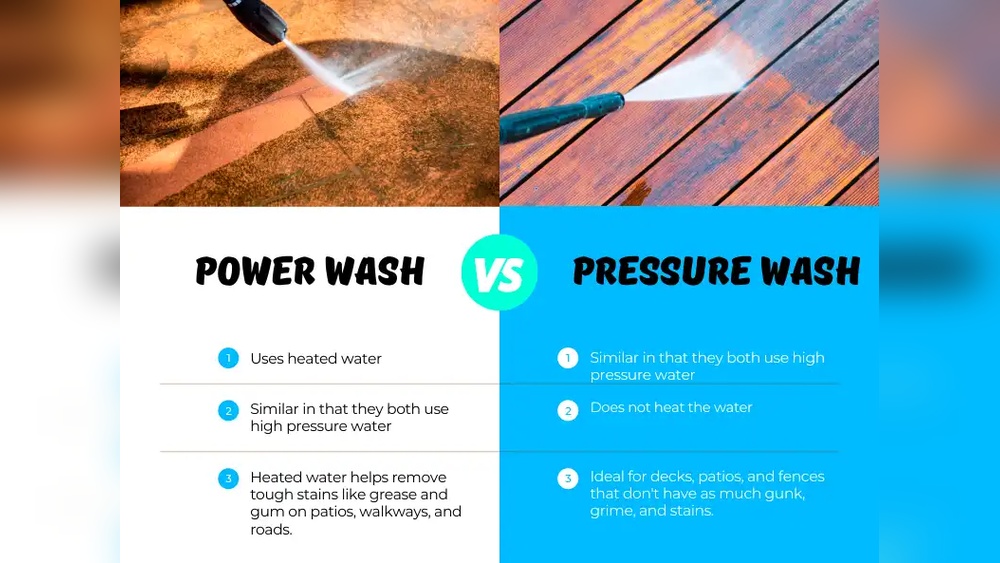
A pressure washer is a cleaning tool that uses a motor or engine to force water through a narrow nozzle at very high pressure. This strong stream of water can blast away dirt, mold, loose paint, mud, and grime from many surfaces.
Most residential pressure washers use cold water. They come in electric and gas-powered versions, with a wide range of pressure levels measured in pounds per square inch (PSI). The higher the PSI, the stronger the water jet.
- Electric pressure washers are often lighter, quieter, and suitable for small jobs like washing cars or patio furniture.
- Gas-powered pressure washers are more powerful and can handle bigger tasks, such as cleaning concrete driveways or house siding.
A key point: pressure washers do not heat the water. They rely only on the power of the high-pressure stream.
What Is A Power Washer?
A power washer is similar to a pressure washer but with one important difference: it heats the water before it sprays out. This hot water (sometimes up to 200°F or more) makes a significant impact on cleaning, especially for greasy or oily stains.
Power washers are often used in commercial or industrial settings, but some heavy-duty residential models are available. They tend to be larger and more expensive because of the heating element.
The heat helps break down stubborn grime, mold, and especially oil-based stains much faster than cold water alone.
Key Differences Between Pressure Washers And Power Washers
At first glance, the two machines might look alike. But when you dig deeper, the main difference—the use of heated water—changes how they perform, what jobs they can handle, and even how you should use them. Let’s compare the most important factors side by side.
| Feature | Pressure Washer | Power Washer |
|---|---|---|
| Water Temperature | Cold water | Hot water (heated) |
| Cleaning Power | Strong, but less effective on grease and oil | Very effective on oily/greasy stains |
| Cost | Lower | Higher (due to heating element) |
| Portability | Lighter, more portable | Heavier, less portable |
| Common Uses | Decks, cars, fences, siding | Grease stains, industrial equipment |
One insight many beginners miss: the heat from a power washer can actually damage some surfaces if used incorrectly, such as soft wood or older paint. In contrast, a pressure washer is less likely to cause heat-related damage, but it might not clean as deeply.
How Do Pressure Washers And Power Washers Work?
Both machines use similar principles: they pump water at high pressure through a hose and nozzle. The difference is in the temperature.
- Pressure washer: Water goes straight from the hose to the pump, then shoots out the nozzle at high pressure.
- Power washer: Water passes through a heating coil or element before being pressurized and released. The hot water helps dissolve grime, just like hot water in your kitchen sink.
A practical example: Think about washing greasy dishes. Cold water and soap might help, but hot water makes the grease melt away much faster. The same logic applies to outdoor cleaning.
Common Uses And Best Applications
Knowing when to use each tool is key for getting the best results and avoiding damage. Here’s a look at where each machine shines.
Pressure Washer: Best Uses
- Cleaning cars, bikes, and boats: Safe for most paint finishes if you use a wide spray nozzle and keep some distance.
- Washing decks and patios: Perfect for wood, composite, and stone when you use the correct pressure.
- Removing dirt from fences and siding: Gentle enough for vinyl or painted surfaces if used carefully.
- Outdoor furniture and grills: Fast way to remove pollen, dust, and light grime.
Pressure washers are ideal for surfaces that can’t handle extreme heat or need a lighter touch.
Power Washer: Best Uses
- Oil-stained driveways and garage floors: Hot water breaks up oil, grease, and even chewing gum.
- Industrial equipment: Removes tough, baked-on residue from machines or trucks.
- Heavily soiled concrete or brick: Hot water lifts dirt that cold water alone can’t touch.
- Preparing surfaces for painting or sealing: Removes old paint, mildew, and contaminants thoroughly.
A common mistake: using a power washer on delicate surfaces, like old wood or soft plastics. The combination of heat and high pressure can cause splintering, warping, or fading.
Detailed Comparison: Pressure Washer Vs Power Washer
To help you decide which tool is right for your cleaning tasks, let’s look deeper into their strengths and weaknesses.
Cleaning Power
Pressure washers are strong enough for most household jobs. They remove mud, light mold, pollen, and general dirt without much trouble. However, if you’re facing greasy stains—like a driveway with years of oil spills—a pressure washer might not be enough.
Power washers add heat, which makes them much more effective against sticky, oily, or greasy messes. Heat helps break down chemical bonds in oils and fats, making them easier to wash away. For example, restaurants often use power washers to clean greasy kitchen floors.
Versatility
A pressure washer is more versatile for homeowners. You can use it on cars, decks, siding, and more, with little risk of damaging most surfaces (as long as you use the right nozzle and pressure).
A power washer is best for specific heavy-duty tasks. Because of the heat, it can warp plastic, strip paint, or even crack some types of stone. It’s powerful but less flexible.
Cost And Maintenance
Pressure washers usually cost less, both to buy and to maintain. There’s no heating element, so fewer things can break down. Entry-level models start around $100–$150 for electric types, with gas models starting at $300 and up.
Power washers are more expensive due to the added complexity of heating water. Expect to pay $500 or more for a quality unit. Maintenance is also higher, since the heating system needs care.
Safety
Both machines need careful handling, but power washers are riskier. The hot water can cause burns, and the higher power can damage property more quickly. Always wear protective gear and follow manufacturer instructions.
Environmental Impact
A small detail many overlook: using heat means more energy consumption. Power washers use more electricity or fuel than pressure washers, which can matter if you’re eco-conscious.
Pressure Levels And Water Flow: What Do Psi And Gpm Mean?
When comparing washers, you’ll see two numbers: PSI (pounds per square inch) and GPM (gallons per minute).
- PSI measures how strong the water pressure is. Higher PSI means more cleaning force.
- GPM measures how much water the washer uses. Higher GPM means more water hits the surface per minute, which can help wash away dirt faster.
A good rule: for most home tasks, look for a washer with 1,500–2,500 PSI and 1.5–2.5 GPM. For really tough jobs (like oil stains or large patios), a higher PSI and GPM can help—but only if the surface can take it.
Here’s a quick look at typical ratings:
| Task | Recommended PSI | Recommended GPM |
|---|---|---|
| Car washing | 1,200–1,900 | 1.2–1.6 |
| Decks and fences | 1,500–2,300 | 1.5–2.0 |
| Driveways (oil stains) | 2,500–3,000+ | 2.0–2.5 |
| Heavy equipment | 3,000+ | 2.5+ |
How To Choose: Pressure Washer Or Power Washer?
Picking between these machines is about matching the tool to the job. Ask yourself:
- What kind of dirt or stain am I dealing with?
- For regular dirt, dust, or mold, a pressure washer is usually enough.
- For oil, grease, or sticky residues, a power washer is better.
- What surface am I cleaning?
- Hard, heat-resistant surfaces (like concrete or metal) can handle a power washer.
- Softer or heat-sensitive surfaces (wood, plastic, painted areas) are safer with a pressure washer.
- How often will I use it?
- Occasional light cleaning favors a pressure washer.
- Regular heavy-duty cleaning may justify the cost of a power washer.
- What’s my budget?
- Pressure washers are more affordable and often get the job done for most homeowners.
- Do I need portability?
- Pressure washers are lighter and easier to move around your yard or home.
Pros And Cons
Understanding the advantages and disadvantages can help you avoid common mistakes.
Pressure Washer
Pros:
- Affordable for most budgets
- Simple to use and maintain
- Versatile for many tasks
- Safer for more surfaces
Cons:
- May struggle with grease/oil stains
- Cold water limits cleaning power on some jobs
Power Washer
Pros:
- Superior cleaning for grease, oil, and sticky messes
- Faster for tough, large-scale jobs
- Excellent for industrial or commercial use
Cons:
- Expensive and heavier
- More complex maintenance
- Can damage some surfaces if misused
One insight: Many homeowners buy a power washer thinking “more power is always better.” In reality, for most household chores, the extra heat is unnecessary and can even cause damage if you’re not careful.
Nozzle Types And Their Role
Both types of washers come with different nozzle tips, often color-coded, that control the spray angle and force. Choosing the wrong nozzle can reduce cleaning power or harm the surface.
- Red (0°): Pinpoint, very strong, for tough stains only. Can damage surfaces.
- Yellow (15°): Strong, for concrete or metal.
- Green (25°): General cleaning (decks, cars).
- White (40°): Gentle, for windows and delicate surfaces.
- Black (Soap): Wide, for applying detergent.
Always start with a wider angle and test in a small area. Move closer only if needed. Many beginners use too narrow a nozzle, causing splintering or paint stripping.
Detergents And Cleaning Solutions
Using the right detergent can improve results for both machines—especially when cleaning mold, algae, or oil. Some important tips:
- Pressure washers: Use only detergents labeled safe for pressure washers. Never use bleach (it can damage seals and pump).
- Power washers: The heat can increase the effectiveness of many detergents but may also cause strong chemicals to create fumes—always use outdoors and wear protection.
A common mistake: skipping detergent and trying to “power through” with pressure alone. This can waste water and time, and still leave stains behind.
Longevity And Durability
A pressure washer’s simple design means fewer parts that can break down. With proper care (flushing after use, storing indoors during winter), a good model can last many years.
Power washers, with their heating elements, require more care. Scale buildup, corrosion, and heating failures are possible if you don’t maintain them. Always follow the manufacturer’s maintenance instructions.

Renting Vs. Buying
If you only need a washer once or twice a year, renting might make sense—especially for power washers, which are expensive and bulky.
- Pressure washers can often be rented for $30–$60 a day.
- Power washers may cost $80–$150 per day.
If you’ll clean regularly (cars, decks, patios), buying a pressure washer is a better investment. For rare, heavy-duty jobs (oil stains, industrial cleaning), renting a power washer is more practical.
Safety Precautions
No matter which machine you choose, safety comes first.
- Always wear eye protection (goggles or glasses) to prevent injury from flying debris.
- Use gloves to avoid hand injuries.
- Never point the spray at people, pets, or yourself.
- Be careful with electrical connections around water.
- With power washers, beware of hot water burns.
One overlooked tip: check your local water restrictions or runoff rules—some areas have limits on outdoor water use or require you to collect and properly dispose of runoff.
Real-world Examples: Which Is Best?
Washing A Family Car
A pressure washer (with a wide, gentle nozzle) is the right tool. It’s safe for paint, trims, and glass. Power washers are overkill and could even harm the finish.
Cleaning A Greasy Garage Floor
A power washer wins. Hot water cuts through years of oil and grime much more effectively than cold water.
Reviving A Moldy Deck
Start with a pressure washer, using a deck cleaner detergent. It will remove mold, algae, and dirt without damaging the wood. A power washer could cause splintering or warping.
Restaurant Kitchen Cleanup
Only a power washer can handle the heavy, oily buildup in a commercial kitchen. The heat is essential for breaking down fats.
Environmental And Health Considerations
Both machines use significant water—often 2 gallons or more per minute. To reduce waste:
- Sweep or scrub first to remove loose debris.
- Use only as much pressure as you need.
- Collect and dispose of runoff, especially if cleaning chemicals are used.
If you have allergies or asthma, wear a mask. Both machines can kick up mold, pollen, and dust from outdoor surfaces.
Popular Brands And Models
Some brands are trusted for quality and durability. For pressure washers, Sun Joe, Karcher, and Generac are popular for home use. For power washers, Mi-T-M, Simpson, and NorthStar are common in commercial settings.
When choosing a model, look for:
- PSI and GPM ratings that match your needs
- Good warranty coverage
- Easy access to replacement parts
- Positive reviews for reliability
Avoid the mistake of buying solely on price—cheaper models often have weaker pumps, short hoses, and poor durability.
Myths And Misunderstandings
A few common myths can lead to costly mistakes:
- “Higher pressure is always better.” Not true—too much pressure can destroy wood, paint, or even concrete.
- “Hot water is safer for all surfaces.” False—heat can cause warping, cracking, or peeling.
- “Detergent isn’t necessary with strong machines.” Actually, the right detergent makes cleaning faster and safer.
Care And Storage Tips
To keep your washer running smoothly:
- After each use, run clean water through the pump to flush out detergents.
- Store hoses and nozzles indoors to prevent freezing and cracking.
- For power washers, descale the heating coil regularly (especially if you have hard water).
- Check for leaks, worn seals, or loose connections before every use.
A well-maintained machine lasts longer and performs better.
How To Avoid Damage
Here are two often-missed tips:
- Test on a small, hidden area first. This prevents accidental damage to paint, wood, or stone.
- Keep the nozzle moving at all times. Holding it in one spot can gouge or strip the surface, especially with power washers.
Professional Vs Diy Cleaning
If you’re unsure, or the cleaning job is large (like multi-story homes or heavy equipment), consider hiring a professional. Pros have experience choosing the right pressure, nozzles, and detergents—and know how to prevent damage.
If you want to learn more about the science behind high-pressure cleaning, check out this Wikipedia article on pressure washing.
Frequently Asked Questions
What Is The Main Difference Between A Pressure Washer And A Power Washer?
The biggest difference is water temperature. A pressure washer uses cold water, while a power washer heats the water before spraying. The hot water makes power washers better for cleaning oil, grease, and tough grime.
Can I Use A Power Washer For Everything I’d Use A Pressure Washer For?
No. The heat and high power of a power washer can damage soft wood, old paint, and some plastics. Pressure washers are safer for most household surfaces, like cars, decks, and siding.
Which Is Better For Cleaning Driveways With Oil Stains?
A power washer is better for oil stains. The hot water helps break down the oil, making it easier to remove. If you use a pressure washer, add a degreaser for better results.
Are Pressure Washers Safer For Beginners?
Yes. Pressure washers are easier to control and less likely to cause accidental damage. They’re also safer for most surfaces. Always read the manual and use the correct nozzle for your task.
Is It Worth Buying A Power Washer For Home Use?
For most homeowners, a pressure washer is enough. Power washers are more expensive and are best for regular, heavy-duty cleaning—like oily garage floors or industrial equipment. If you only need hot water cleaning once in a while, consider renting a power washer instead.
—
Choosing between a pressure washer and a power washer is all about matching the right tool to your cleaning needs. Think about what you’re cleaning, how dirty it is, and how often you’ll use the machine. For most homes, a pressure washer is a smart, safe, and affordable choice. Power washers shine for greasy, industrial messes but require more care and investment. With the tips and insights above, you can clean confidently—knowing your surfaces (and your wallet) are protected.
As an Amazon Associate, We earn from qualifying purchases