
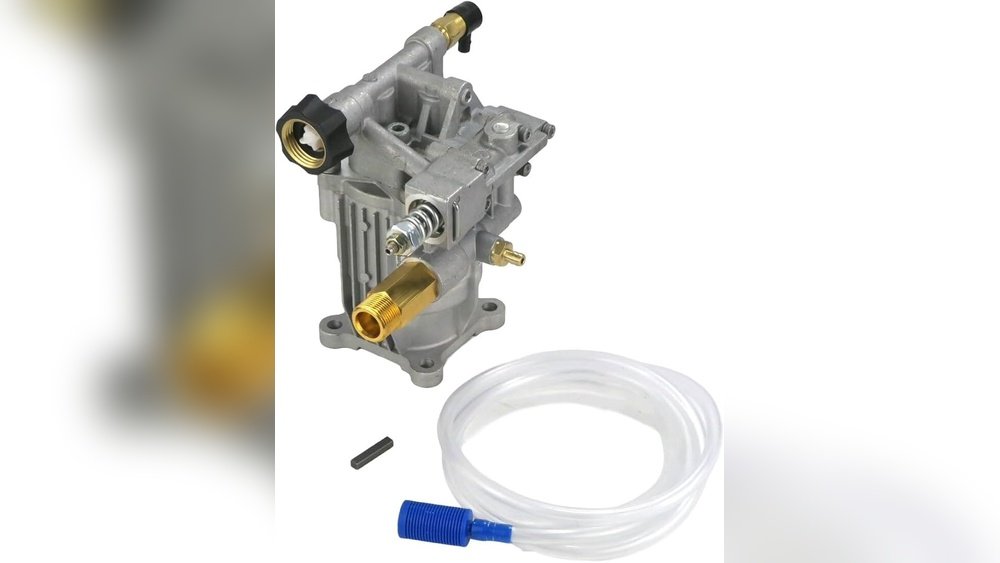
The difference between a 2200 psi pressure washer and a 3000 psi pressure washer is more than just a number. It can decide how fast you finish a job, how clean your surfaces get, and even if your items last longer or break under pressure. Choosing the right pressure washer is not just about power; it’s about matching the right tool to your needs, your budget, and the things you want to clean. Many people make mistakes by buying too much power, or not enough—both can cost you time, money, and frustration.
Think about your daily outdoor cleaning tasks. Maybe you want to wash your car without chipping paint. Maybe you need to clean your driveway, which is covered with stubborn oil stains. Or maybe you’re a professional who needs a reliable tool for different jobs each day.
In every case, knowing the real differences between these two popular pressure washer sizes can save you trouble and even prevent damage.
This guide will help you see the full picture. You’ll learn about cleaning power, safety, cost, maintenance, and practical applications. You’ll find real examples, helpful tables, and expert tips that beginners usually miss. By the end, you’ll know exactly which pressure washer suits your needs—and why.
Understanding Psi And Pressure Washer Power
The term PSI means “pounds per square inch.” It measures how much pressure the water jet has when it leaves the washer nozzle. The higher the PSI, the more force the water has. But PSI isn’t everything. GPM (gallons per minute) is also important because it measures how much water flows out. The cleaning power combines PSI and GPM. For example, 2200 psi at 1.8 GPM is less powerful than 2200 psi at 2.4 GPM.
A 2200 psi pressure washer usually gives enough force for light to medium cleaning. A 3000 psi washer is in the heavy-duty range and can remove tougher dirt and stains. If you only look at PSI and ignore GPM, you might not get the results you want.
Non-obvious insight: Some surfaces can be damaged with too much PSI. More power is not always better. Many beginners overlook this and ruin wood decks, car paint, and delicate surfaces.
Main Differences Between 2200 Psi And 3000 Psi Pressure Washers
Let’s break down the true differences between these two models. This comparison will help you see where each one works best.
| Feature | 2200 PSI Washer | 3000 PSI Washer |
|---|---|---|
| Cleaning Power | Light to medium | Medium to heavy |
| GPM (Typical) | 1.8 – 2.3 | 2.0 – 2.7 |
| Best Uses | Cars, bikes, patios, fences | Driveways, concrete, house siding, decks |
| Price (USD) | $150 – $300 | $250 – $500+ |
| Risk of Damage | Low | Medium to high |
| Noise | Lower | Higher |
Cleaning Power And Results
A 2200 psi washer will clean mud from bikes, dust from patio furniture, or loose dirt from walls. It can also handle light mildew. However, if you try to remove oil stains from a driveway or old paint from wood, it will take much longer and may not work well.
A 3000 psi washer removes tough stains, chewing gum, or graffiti. It strips paint and cleans concrete quickly. But if you use it on a car or soft wood, it may cause damage. You must adjust the nozzle or stand further back to avoid harm.
Non-obvious insight: The cleaning difference is not only about speed, but also about the ability to finish some jobs at all. For example, some stains simply won’t budge under 2200 psi.
Cost And Value
2200 psi washers are usually cheaper. You’ll find many electric models, which are easy to use, quiet, and need less maintenance. Most homeowners choose them for everyday cleaning.
3000 psi washers cost more. Many are gas-powered, which means more noise and maintenance. But they finish big jobs faster. Professionals and people with large outdoor areas often pick these models.
Safety And Risk
A lower PSI is safer for most jobs. You can let kids or older family members help (with supervision). With 3000 psi, you must be careful. The water jet can break skin, damage surfaces, and cause injuries if misused.
Weight And Portability
2200 psi units are often lighter and easy to move. Some 3000 psi washers are heavy and need wheels or two people to move them.
Water Usage
A higher GPM means more water used per minute. This can matter if you pay for water or live in a dry area.
Detergent Use
Both types can use detergent, but the higher pressure of a 3000 psi model helps mix and spray soap more evenly over larger areas.

Typical Applications For 2200 Psi Pressure Washers
Where does a 2200 psi washer shine? Here are the most common uses:
- Car washing: Enough to remove dirt but gentle on paint and glass.
- Bicycle cleaning: Perfect for mud and road grime.
- Garden furniture: Cleans plastic, metal, or wood without splintering.
- Grills and BBQs: Removes grease without bending parts.
- Patios and decks: Removes dust, leaves, and light mildew.
- Windows and screens: Safe when used at a distance.
- Fences: Cleans vinyl, wood, or metal without causing holes.
Practical example: If you want to clean your car every week, a 2200 psi washer is safe and efficient. For a wooden deck, it will clean dirt but won’t strip old paint unless you go very slowly.
Typical Applications For 3000 Psi Pressure Washers
A 3000 psi washer is a workhorse for tough jobs:
- Driveways: Removes oil, mold, and old stains from concrete.
- Sidewalks: Clears gum and heavy grime.
- House siding: Blasts away mold, algae, and old paint (be careful with wood).
- Large decks: Strips paint and heavy mildew.
- Construction equipment: Cleans mud and cement from metal.
- Brick and stone: Removes years of dirt and moss.
- Graffiti removal: Strips paint from walls and fences.
Practical example: If you have a long concrete driveway with oil spots, a 2200 psi washer may take an hour and still leave marks. A 3000 psi model can finish in 15 minutes.
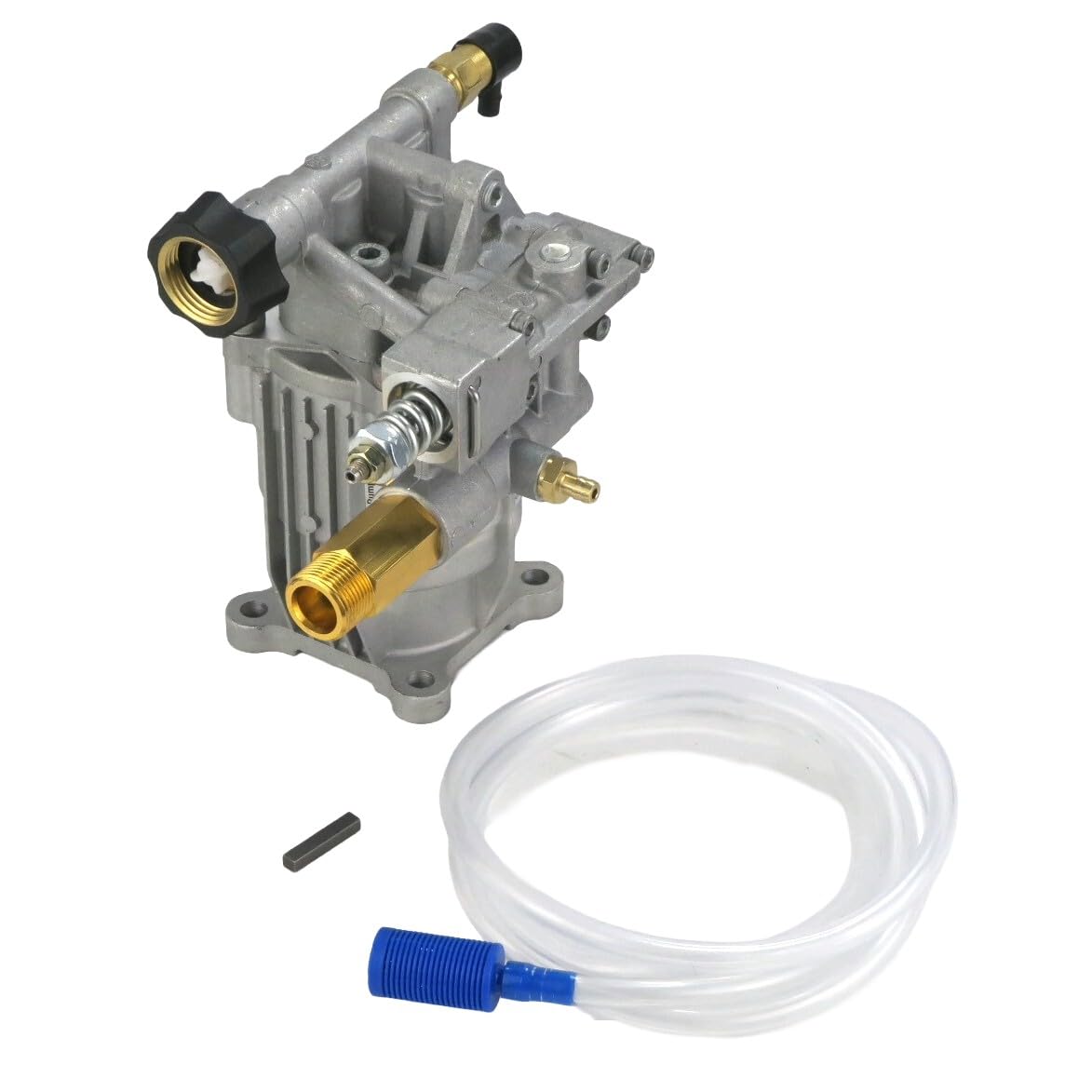
Choosing The Right Pressure Washer For Your Needs
How do you pick the right washer for your home or business? Here are the most important questions to ask:
1. What Will You Clean Most Often?
If you mostly wash cars, bikes, or patio furniture, 2200 psi is enough. If you plan to clean driveways, stone patios, or need to strip paint, 3000 psi is better.
2. What Is Your Budget?
A 2200 psi washer is less expensive, both to buy and maintain. It may last longer if you don’t overwork it. But if you need high power, the extra cost of 3000 psi pays off in speed and results.
3. How Much Storage Space Do You Have?
2200 psi washers are usually smaller and lighter. If you have a small garage or shed, they are easier to store.
4. How Much Experience Do You Have?
If you’re new to pressure washers, start with 2200 psi. It’s safer and easier to control. If you’re experienced or need pro-level cleaning, 3000 psi is a good choice.
5. What Surfaces Do You Have?
Soft wood, painted surfaces, cars, and screens are best cleaned with 2200 psi. Concrete, stone, and metal can handle 3000 psi.
Common mistake: Many people buy a 3000 psi washer for “future needs” but never use the extra power. They risk damaging their property and waste money.
Comparing Cleaning Speed And Efficiency
How much faster is a 3000 psi washer? Here’s a quick comparison for common jobs:
| Task | 2200 PSI Time | 3000 PSI Time |
|---|---|---|
| Clean a car | 10-15 min | 7-10 min (but risk of damage) |
| Wash a deck (200 sq ft) | 25-35 min | 15-20 min |
| Clean driveway (500 sq ft) | 50-60 min | 20-30 min |
| Remove old paint | May not work | 15-25 min |
Takeaway: If you have many large or tough jobs, 3000 psi saves a lot of time. For small jobs, the difference is not as big.
Maintenance And Durability
A pressure washer is an investment. How you care for it matters.
2200 Psi Washer Maintenance
- Usually electric: Less engine maintenance.
- Check hoses and nozzles for clogs.
- Store in a dry place.
- Use clean water to avoid mineral buildup.
3000 Psi Washer Maintenance
- Often gas-powered: Requires oil changes, air filter cleaning, and fuel care.
- Hoses and pumps wear out faster with heavy use.
- Must drain water before winter to prevent freezing.
- Regular checks for leaks.
Non-obvious insight: Electric washers (often 2200 psi) last longer for light use. Gas washers (often 3000 psi) need more care but are built for hard work.
Noise And Environmental Impact
2200 psi washers are quieter, especially if electric. You can use them in small neighborhoods without complaints. 3000 psi units, especially gas-powered, are much louder and may disturb neighbors.
Higher power also means more water and energy use. If you want to be eco-friendly, a 2200 psi washer with low-GPM is better.
Accessories And Nozzle Tips
Both pressure washers can use a variety of nozzle tips for different spray patterns and pressures. Common tips include:
- 0° (red): Very concentrated, high risk of damage. Use only for tough stains.
- 15° (yellow): Good for concrete, stone, and tough grime.
- 25° (green): General cleaning, safe for most surfaces.
- 40° (white): Gentle cleaning, cars, windows, siding.
- Soap (black): Applies detergent at low pressure.
Expert tip: Always start with the widest spray (40°) and move closer if needed. Never start with the 0° tip on cars or wood.
Common Mistakes When Using High-psi Pressure Washers
- Standing too close: Can damage paint, wood, or skin.
- Using the wrong nozzle: Too narrow a tip can cut surfaces.
- Ignoring GPM: High PSI with low GPM cleans slowly.
- Not testing on a small area: Always test before cleaning the whole surface.
- Skipping maintenance: Leads to leaks, clogs, and early failure.
Practical example: A beginner with a 3000 psi washer and a 0° nozzle can cut grooves in a wood deck in seconds.
Who Should Buy A 2200 Psi Pressure Washer?
- Homeowners with cars, small patios, or garden furniture.
- People who want a quiet, low-maintenance washer.
- Beginners who want safe, easy cleaning.
- Those with a limited budget.
A 2200 psi washer will cover most home cleaning needs without risk or hassle.
Who Should Buy A 3000 Psi Pressure Washer?
- Homeowners with large driveways, stone patios, or heavy stains.
- Professionals who clean different surfaces regularly.
- People who need to strip paint, remove graffiti, or clean construction equipment.
- Those willing to maintain a gas engine and handle more noise.
A 3000 psi washer is for big jobs and people who need power, speed, and toughness.
Real-world Examples
Case 1: Sarah, a homeowner, bought a 3000 psi washer for her car and deck. She quickly damaged her deck’s wood and chipped her car’s paint. She later switched to a 2200 psi model and had better results with no damage.
Case 2: Mike runs a small cleaning business. He started with a 2200 psi washer but found it too slow for big driveways. After upgrading to a 3000 psi model, he finished jobs faster and got better reviews from customers.
Case 3: Lisa lives in a small city apartment with a balcony. She chose a 2200 psi electric washer because it’s quiet and easy to store.
Non-obvious insight: The “best” washer depends on your tasks—not just on power or price.
Pressure Washer Lifespan And Repair Costs
A 2200 psi electric washer can last 5-8 years with simple care. Repairs are rare and cheap. A 3000 psi gas washer may need repairs sooner, such as new hoses, seals, or engine parts. But if used correctly, it can last for many years of heavy work.
Tip: Always buy from a trusted brand and check for warranty. Some brands offer free repair or parts in the first year.
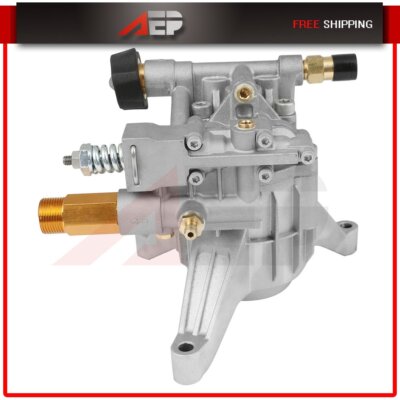
Safety Tips For Pressure Washer Use
- Wear safety glasses and closed shoes.
- Never aim the spray at people or pets.
- Use both hands for better control.
- Read the manual before use.
- Be careful with ladders—the recoil can make you fall.
Extra tip: For gas washers, never use indoors because of carbon monoxide risk.
Comparison Of Electric Vs Gas Pressure Washers
Many 2200 psi models are electric. Many 3000 psi models are gas. Here’s a quick look at the differences:
| Type | Electric | Gas |
|---|---|---|
| PSI Range | Up to 2300 | 2000–4000+ |
| Noise | Low | High |
| Maintenance | Low | High |
| Weight | Light | Heavy |
| Portability | Easy | May need wheels |
| Running Cost | Low | Medium |
Advice: If you want low noise and easy care, choose electric (usually 2200 psi). If you need power and don’t mind maintenance, gas (usually 3000 psi) is the way to go.
Environmental And Water Use Considerations
Pressure washers use less water than a garden hose for the same job. However, a 3000 psi washer with high GPM uses more water per minute. If you’re cleaning a large area, total water use may be similar because the job is faster.
Eco tip: Use a shut-off trigger and don’t let water run when not cleaning. Try to use eco-friendly detergents.
Warranties And Support
Before buying, check the warranty. Most 2200 psi electric washers have 1-3 years warranty. Some gas washers (3000 psi) offer only 1 year or “limited” coverage.
Non-obvious insight: Some brands offer better customer service, spare parts, and repair centers. Research before you buy.
Upgrade Options And Accessories
Both types can use extra accessories:
- Surface cleaner attachments: Clean driveways and decks faster.
- Extension wands: Reach high places without ladders.
- Foam cannons: Apply soap for car washing.
- Turbo nozzles: Spin the spray for extra cleaning power.
Tip: Not all accessories fit every model. Check compatibility before buying.
Final Thoughts: Which Pressure Washer Should You Buy?
Choosing between a 2200 psi and a 3000 psi pressure washer is not just about numbers. It’s about your needs, safety, budget, and how often you’ll use it. For most homeowners, a 2200 psi washer is enough. For big jobs or professional use, 3000 psi is worth the investment.
Remember, more power brings more risk. Always start small and work up. If in doubt, choose the safer, easier-to-use model.
If you want more technical details, you can check the Wikipedia page on pressure washers for further reading.
Frequently Asked Questions
What Can You Clean With A 2200 Psi Pressure Washer?
You can clean cars, bikes, garden furniture, patios, fences, and windows with a 2200 psi washer. It is safe for most home surfaces and won’t damage paint or wood if used correctly.
Is 3000 Psi Too Much For Washing A Car?
Yes, 3000 psi is too strong for most cars. It can chip paint, damage trim, or break glass. Use a lower pressure setting or a wider nozzle if you must use it for cars.
Which Is Better For Driveways: 2200 Psi Or 3000 Psi?
A 3000 psi washer is better for driveways, especially for removing oil stains, gum, or heavy dirt. A 2200 psi washer will clean, but it may take longer and may not remove deep stains.
Are Electric Or Gas Pressure Washers Better?
Electric washers (often 2200 psi) are quieter, lighter, and easier to maintain. Gas washers (often 3000 psi) are more powerful and faster but need more care and make more noise. Choose based on your cleaning needs and comfort with maintenance.
How Do I Avoid Damaging Surfaces When Using A Pressure Washer?
Use the right nozzle, start with the widest spray, and stand further back. Test on a small area first. Avoid high pressure on soft wood, car paint, or old brick. Always follow the manual and use safety gear.
As an Amazon Associate, We earn from qualifying purchases