
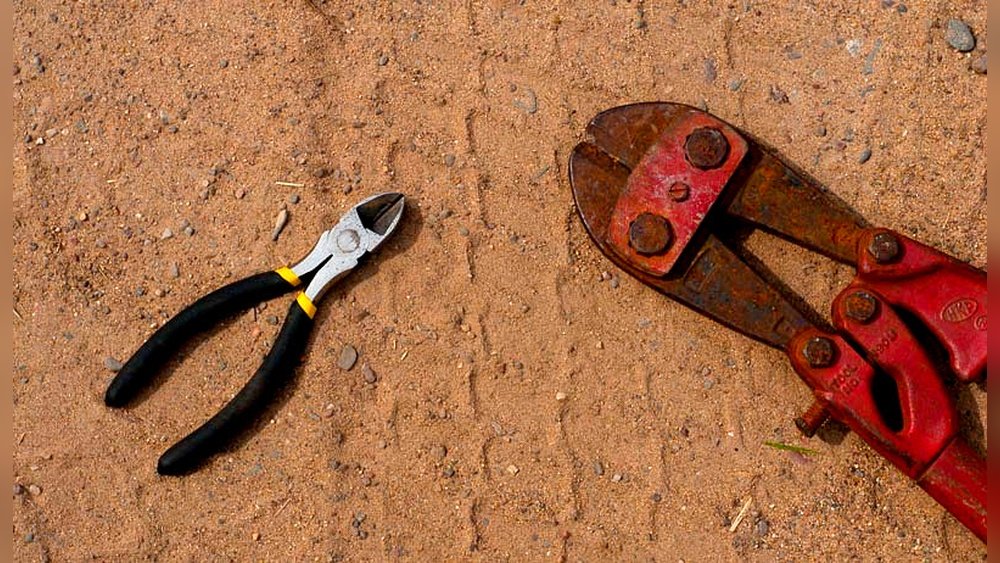
Choosing the right cutting tool can make your project easier, safer, and more efficient. Whether you’re a professional tradesperson, a DIY enthusiast, or someone doing occasional home repairs, you’ve probably faced the question: Should I use a bolt cutter or a wire cutter? These tools might look similar at first glance, but they serve very different purposes. Picking the wrong one can damage your tool, ruin your material, or even cause injury.
Understanding the differences between bolt cutters and wire cutters is not just about knowing what they look like. It’s about knowing their unique strengths, common uses, and limitations. This article will walk you through everything you need to know before choosing between these two essential tools.
You’ll learn how each works, what materials they handle best, and even some insights that most beginners miss. By the end, you’ll have the confidence to select the right cutter for any job—and know how to use it safely.
What Is A Bolt Cutter?
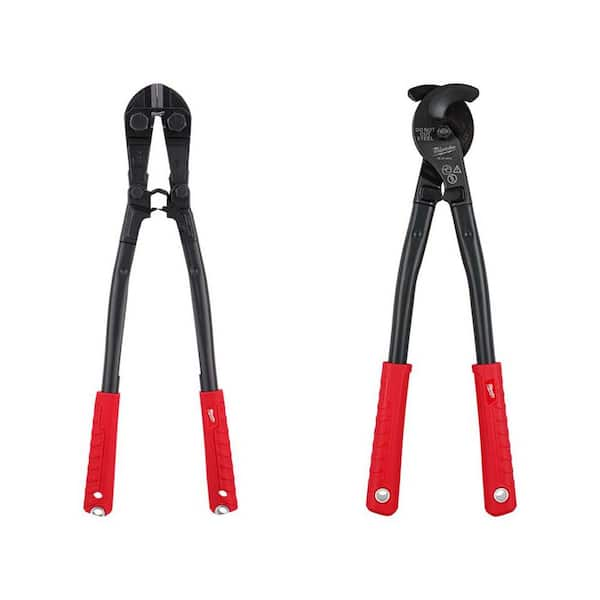
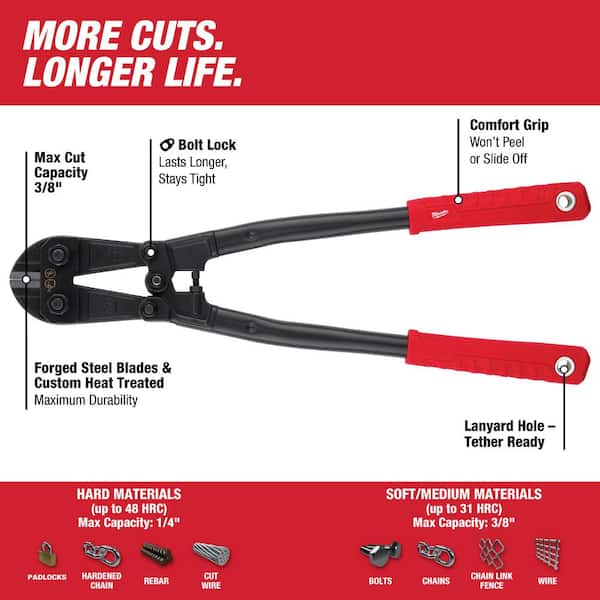
A bolt cutter is a heavy-duty tool designed for cutting through hard, thick metal objects. Its long handles and strong jaws multiply your hand force, making it possible to snap items that would be impossible with regular pliers or cutters. Bolt cutters are usually used for cutting bolts, padlocks, chains, wire fencing, and rebar.
How Bolt Cutters Work
Bolt cutters use a combination of leverage and sharp, hardened steel blades. The long arms (often 18 to 42 inches) allow you to apply a small force at the handles that turns into a much larger force at the jaws.
This mechanical advantage is why bolt cutters can slice through metal objects as thick as a pencil.
Common Materials Cut By Bolt Cutters
- Padlocks: Removing locks when keys are lost or locks are damaged.
- Chains: Cutting through bike locks, security chains, or industrial chains.
- Rebar and rods: Trimming thick steel rods used in construction.
- Wire mesh: Cutting heavy wire fencing or cages.
- Bolts and rods: Snapping off rusted or over-tightened bolts.
Types Of Bolt Cutters
Bolt cutters come in several varieties, each designed for specific tasks:
- Center-cut bolt cutters: The most common type, with blades that meet at the center.
- Clipper-cut bolt cutters: Blades are flush on one side for close cuts.
- Angle-cut bolt cutters: Blades are angled for easier access in tight spaces.
- End-cut bolt cutters: Jaws are perpendicular to handles, ideal for flush cuts on surfaces.
Key Features And Specifications
- Blade Material: Usually hardened steel or chrome-molybdenum.
- Handle Length: Longer handles mean more cutting force.
- Jaw Opening: Determines the maximum size of material you can cut.
- Adjustable Jaws: Some models allow you to adjust the tension for different materials.
- Weight: Heavier models provide more power but are harder to use for long periods.
Real-world Example
A construction worker needs to cut through a steel rebar during building demolition. With a 36-inch bolt cutter, he applies steady pressure and slices through the thick metal in seconds—something no wire cutter could achieve.
What Is A Wire Cutter?
A wire cutter is a hand tool designed for snipping thinner wires and cables. It is much lighter and smaller than a bolt cutter. The jaws are sharp and precisely aligned, allowing for clean, quick cuts through soft metals like copper, aluminum, and steel wire.
How Wire Cutters Work
Wire cutters use sharp, knife-like blades and short handles to cut through wires. Unlike bolt cutters, they don’t provide as much leverage, but they make up for it with precision and ease of control. Most wire cutters can be used with one hand.
Common Materials Cut By Wire Cutters
- Electrical wires: Cutting copper or aluminum wires in electrical work.
- Craft wire: Cutting soft wire for jewelry or hobby projects.
- Coaxial and communication cables: Trimming network or television cables.
- Zip ties and small fasteners: Removing or trimming plastic ties.
- Soft metal mesh: Snipping thin screening or fencing wire.
Types Of Wire Cutters
Wire cutters come in several specialized forms:
- Diagonal cutters: The most common, with angled jaws for flush cuts.
- End cutters: Jaws are perpendicular for close trimming.
- Needle-nose cutters: Long, thin jaws for reaching into tight spaces.
- Cable cutters: Designed for thicker, multi-strand cables.
- Wire strippers: Include notches to remove insulation from wires.
Key Features And Specifications
- Blade Hardness: Made for softer metals; can dull on hard materials.
- Jaw Size: Determines the thickness of wire that can be cut.
- Insulated Handles: Essential for electrical work to prevent shocks.
- Spring-Loaded Action: Reduces hand fatigue during repetitive work.
- Precision Tips: Allow for detailed, accurate cuts.
Real-world Example
An electrician needs to install a new light fixture. He uses a pair of insulated wire cutters to trim the ends of copper wires before connecting them to the fixture. The small, sharp jaws make clean cuts without crushing the wire.
Bolt Cutter Vs Wire Cutter: Key Differences
Understanding the differences between these tools is crucial for choosing the right one. Here’s a direct comparison:
| Feature | Bolt Cutter | Wire Cutter |
|---|---|---|
| Primary Use | Cutting thick, hard metals | Cutting thin wires and cables |
| Handle Length | 18–42 inches | 4–9 inches |
| Cutting Force | High (uses leverage) | Low to moderate |
| Portability | Bulky, heavy | Compact, light |
| Blade Hardness | Hardened steel for hard metals | Sharp, precise for soft metals |
| Price Range | $20–$150+ | $5–$40 |
Not-so-obvious Insights
- Using a bolt cutter on thin wire can crush or fray the wire instead of making a clean cut. This often surprises beginners.
- Attempting to cut hardened steel with a wire cutter not only damages the tool but can break the jaws, creating a safety hazard.
When To Use A Bolt Cutter
Bolt cutters are not everyday tools for most people. Their true value appears in tough jobs where other cutters would fail.
Typical Scenarios
- Removing old padlocks: If you lose a key or a lock is seized with rust, only a bolt cutter can open it quickly.
- Demolition work: Breaking down metal structures, fences, or frames.
- Emergency situations: Firefighters use bolt cutters to cut through locks, chains, or even metal bars during rescues.
- Heavy-duty construction: Cutting thick rebar, rods, and wire mesh.
What To Avoid
- Never use bolt cutters on live electrical wires—they are not insulated.
- Avoid cutting very thin wire, as the jaws are too blunt for a clean result.
- Don’t use them on materials harder than their blade rating, such as high-tensile steel, without checking specifications.
Pro Tip
Always wear safety glasses when using bolt cutters. The sudden snap of metal can send shards flying, which is a risk even seasoned professionals sometimes overlook.
When To Use A Wire Cutter
Wire cutters are more common in home toolboxes, especially for electrical or craft work.
Typical Scenarios
- Electrical installation: Trimming and preparing wires for outlets, switches, or lighting.
- Craft and hobby projects: Cutting thin wire for jewelry making, model building, or floral arrangements.
- Networking tasks: Snipping and stripping cables for computers or TVs.
- Quick repairs: Trimming zip ties, small fasteners, or thin fencing.
What To Avoid
- Do not use wire cutters on hardened steel, nails, or bolts; you’ll ruin the blades.
- Never substitute them for bolt cutters, even if the material “almost fits.”
- Avoid using non-insulated cutters for electrical work.
Pro Tip
For frequent electrical work, choose wire cutters with a built-in wire stripper. It saves time and reduces the chance of damaging the wire core.
Safety Considerations
Both bolt cutters and wire cutters can be dangerous if misused. Here are some essential safety tips:
General Safety Tips
- Wear eye protection: Metal fragments can fly.
- Check tool condition: Dull or damaged blades are more likely to slip.
- Use the right tool: Never force a tool to cut something it isn’t designed for.
- Keep hands clear: Especially with bolt cutters, sudden snapping can pinch fingers.
- Use insulated handles: For electrical work, always choose insulated wire cutters.
Specific Risks
- Bolt cutters: Heavier and require two hands, so maintain a stable stance. The force can cause the tool to jerk.
- Wire cutters: Small, but fingers are at risk if the tool slips or if you cut a live wire.
Non-obvious Safety Insight
Many beginners forget that metal fatigue can occur if you cut materials at the edge of the cutter’s capacity. Always check your tool’s specs and avoid repeated hard cuts that can crack the blade.

How To Choose The Right Cutter For Your Needs
Selecting the right cutter is about more than just size. Here are the main factors to consider:
1. Material To Be Cut
- Thick, hard metals: Go with a bolt cutter.
- Thin wire or cable: Choose a wire cutter.
2. Frequency Of Use
- Daily or professional use: Invest in higher-quality tools.
- Occasional tasks: A basic model may be enough.
3. Precision Vs Power
- Need a clean, accurate cut? Wire cutters are best.
- Need brute force? Bolt cutters win.
4. Safety Needs
- Working with electricity? Insulated wire cutters are a must.
- Cutting heavy metals? Use gloves and glasses with bolt cutters.
5. Portability
- Tight spaces or overhead work: Wire cutters are easier to handle.
- Outdoor or demolition: Bolt cutters, despite their size, are necessary for tough jobs.
Common Buying Mistakes
- Buying too large a bolt cutter: Bigger isn’t always better; it’s harder to control.
- Ignoring blade hardness: Not all cutters can handle stainless steel or hardened bolts.
- Skipping insulation: For electrical work, non-insulated handles are a serious risk.
Comparison Table: Choosing Factors
To help you visualize, here’s a practical comparison for buying decisions:
| Need | Bolt Cutter | Wire Cutter |
|---|---|---|
| Cutting thick locks or chains | ✔️ | ❌ |
| Electrical wiring | ❌ | ✔️ |
| Jewelry or craft work | ❌ | ✔️ |
| Demolition work | ✔️ | ❌ |
| Portability | ❌ | ✔️ |
Maintenance And Care
Proper care extends the life of your cutters and keeps them safe to use.
Bolt Cutter Care
- Clean after use: Remove any metal shavings or debris.
- Oil pivot joints: Keeps motion smooth and prevents rust.
- Sharpen blades: Use a file or professional service if they get dull.
- Store dry: Moisture leads to rust, which weakens the tool.
Wire Cutter Care
- Wipe clean: Especially after cutting sticky or coated wires.
- Check alignment: Misaligned jaws make poor cuts.
- Sharpen as needed: Most wire cutters can be touched up with a fine file.
- Insulated grip check: Replace if grips are cracked or worn.
Practical Tip
Never use cutters as a hammer or pry bar. This common mistake bends or chips the jaws, ruining their precision.
Cost And Value Considerations
Both bolt cutters and wire cutters vary in price, but cost isn’t always the best guide to quality.
Bolt Cutter Pricing
- Entry-level: $20–$40 (for light work or rare use).
- Mid-range: $40–$80 (better materials, more comfortable handles).
- Professional grade: $80–$150+ (hardened blades, longer life, replaceable jaws).
Wire Cutter Pricing
- Basic: $5–$10 (for simple, soft wire).
- Standard: $10–$25 (for home electrical and crafts).
- High-end: $25–$40 (insulated, precision ground, ergonomic).
Value Insight
For frequent users, investing in a higher-quality tool pays off in durability, smoother cuts, and safety. But for one-time tasks, a lower-priced tool may be enough.
Specialized Cutters: Beyond Bolt And Wire Cutters
Sometimes, the job calls for something more specialized. Here’s a look at a few related tools you might encounter:
Cable Cutters
Designed for thick, multi-strand cables (like those used in automotive or marine work). They cut without crushing or fraying the wire inside. Not as powerful as bolt cutters, but much cleaner for cables.
Rebar Cutters
These are even heavier-duty than regular bolt cutters, made for repeated cutting of rebar in construction.
All-in-one Tools
Some modern hand tools combine wire cutting, stripping, and crimping. Handy for electricians, but not a substitute for bolt cutters.
Hydraulic Bolt Cutters
These use hydraulic pressure instead of manual force. Expensive but effective for the hardest metals and industrial use.
Environmental And Sustainability Considerations
Buying quality tools and maintaining them well means fewer tools end up in landfills. Also, using the right tool prevents waste (damaged wire, ruined locks, or broken tools).
- Buy only what you need: Don’t buy a bolt cutter if you only do craft work.
- Repair, don’t replace: Many cutters allow blade replacement or sharpening.
- Recycle old tools: Many local programs accept old metal tools for recycling.
Non-obvious Insight
Some communities offer tool libraries, where you can borrow a bolt cutter for a single job. This saves money and reduces waste—a smart move if you only need the tool once.
Brands And Where To Buy
Popular and reliable brands for bolt cutters include Knipex, HK Porter, and Crescent. For wire cutters, Klein Tools, Channellock, and Irwin are trusted names. Always buy from reputable dealers or hardware stores, and avoid very cheap, no-name imports for serious work.
If you want to learn more about hand tools, the Wikipedia page on cutting tools provides additional detail on tool types and their uses.
Frequently Asked Questions
What Happens If I Use A Wire Cutter On A Padlock?
Wire cutters are not designed for hard, thick metals like those in padlocks. You’ll likely damage the cutter’s jaws, and you won’t be able to cut the lock. Always use a bolt cutter for padlocks.
Can Bolt Cutters Cut Through Any Metal?
No, bolt cutters have limits based on blade hardness and jaw design. High-tensile steel, hardened chains, or certain alloys may resist even large bolt cutters. Check your tool’s specs before attempting tough cuts.
Are Insulated Handles On Wire Cutters Necessary?
If you’re working with live electrical wires, insulated handles are essential for safety. They protect you from electric shocks that can be fatal.
Can I Use Bolt Cutters For Cutting Thick Electrical Cables?
Bolt cutters are not suitable for electrical cables. They crush rather than slice, which can damage the cable and create a fire hazard. Use cable cutters designed for thick wires.
How Can I Tell If My Cutter Needs Sharpening?
If you notice rough, uneven cuts or if you need extra force to cut, your cutter’s blades are dull. Sharpen them with a fine file or take them to a professional for servicing.
—
Knowing the difference between bolt cutters and wire cutters—and when to use each—can save you time, money, and frustration. It also keeps you safe and protects your materials. Choose your tools wisely, take care of them, and they’ll serve you well for years to come.
As an Amazon Associate, We earn from qualifying purchases