
Cutting tiles is a key part of installing floors, walls, or backsplashes. For both beginners and professionals, choosing the right tool can make or break your project. The most common debate is between the tile cutter and the tile saw. Both can cut ceramic, porcelain, and other tiles, but they are very different in how they work, what they cost, and the results they give. This article will help you understand each tool, compare them, and decide which one fits your needs best.
You will learn about the main features, pros and cons, costs, ideal uses, and common mistakes. We will also look at real-world examples, clear up popular myths, and answer the top questions people have. By the end, you’ll feel confident about picking the right tool for your next tiling job.
What Is A Tile Cutter?
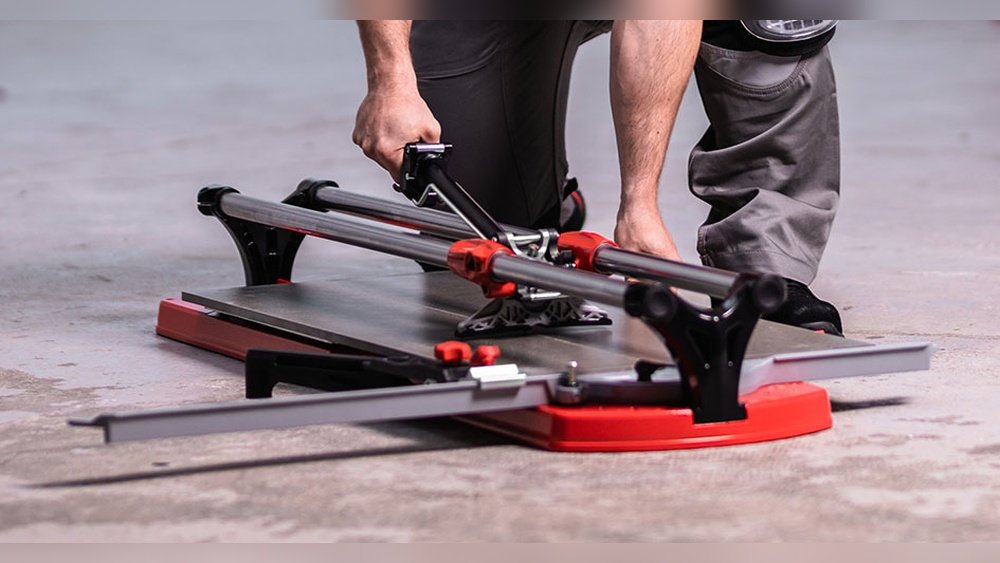
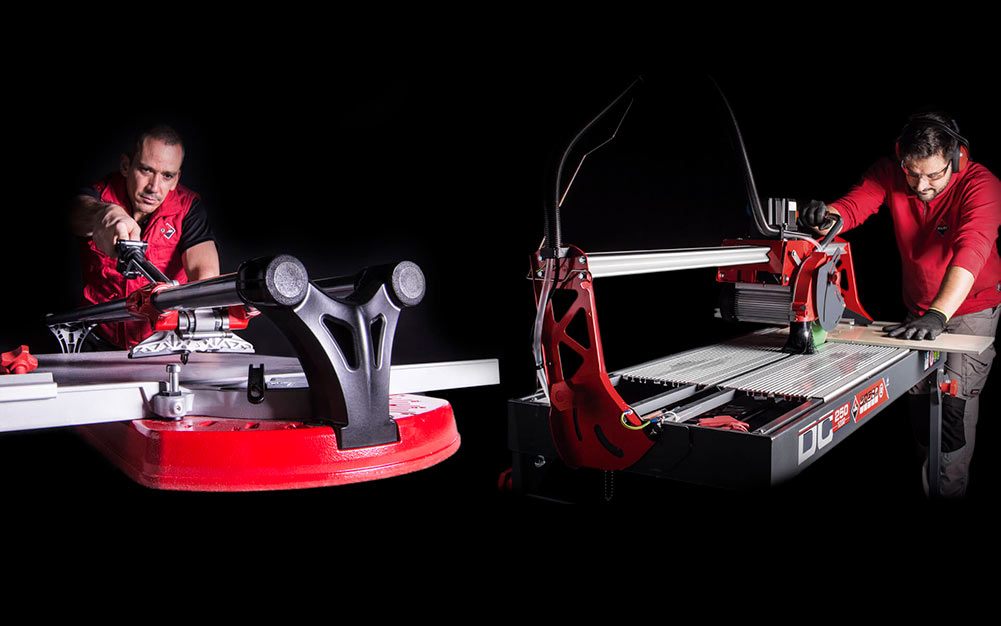
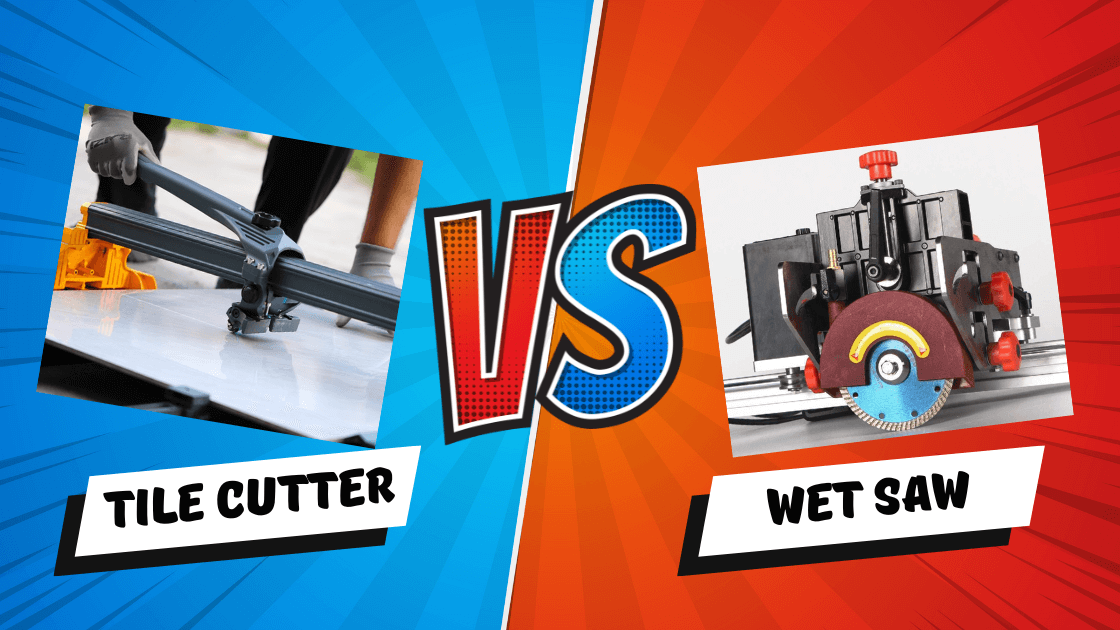
A tile cutter is a simple hand tool made for scoring and snapping tiles. It usually has a flat base, a guide rail, a scoring wheel, and a breaking arm. To use it, you place the tile on the base, line up your cut, score the surface with the wheel, and then press down to snap the tile along the scored line.
Main Types Of Tile Cutters
- Manual tile cutter: Most common type. You push or pull the handle to score the tile, then snap it.
- Rail tile cutter: Has a sliding handle on rails for better control and longer cuts.
- Heavy-duty tile cutter: Larger, made for thicker or harder tiles like porcelain.
Key Features
- No electricity needed
- Usually lightweight and portable
- Cuts straight lines only
- Works best on ceramic and some porcelain tiles
How Does A Tile Cutter Work?
The scoring wheel scratches a line on the tile glaze. When you push down, the tile breaks cleanly along the line. Think of it like using a glass cutter. The process is fast and doesn’t make a mess.
What Is A Tile Saw?
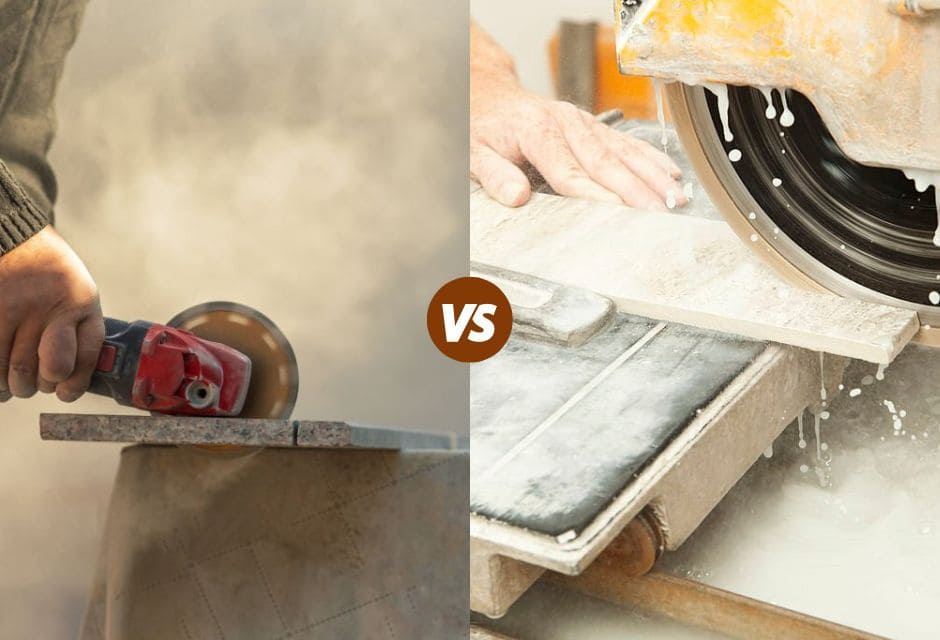
A tile saw is a power tool that uses a diamond-coated blade to cut through tiles. There are several types, but the most common is the wet saw, which sprays water on the blade to cool it and reduce dust.
Main Types Of Tile Saws
- Wet tile saw: Uses water to keep the blade cool and dust down.
- Handheld tile saw: Small, portable, but less precise. Good for small jobs and odd cuts.
- Overhead tile saw: Blade moves above the tile, great for large tiles and thick materials.
- Tabletop tile saw: Looks like a mini table saw. Tile slides over the spinning blade.
Key Features
- Powered by electricity
- Can cut straight, angled (mitre), and irregular shapes
- Works on all tile types, including hard stone
- Needs water and power supply
How Does A Tile Saw Work?
The diamond blade spins fast and grinds through the tile. Water is sprayed on the blade to keep it cool and to keep dust down. Tile saws can cut through very hard materials, and the cuts can be very precise.
Comparing Tile Cutter And Tile Saw: Head-to-head
Choosing between a tile cutter and a tile saw is not just about price or speed. It depends on your project needs, the tile material, the type of cuts, and your experience level.
Side-by-side Comparison
Here’s a quick look at the main differences:
| Feature | Tile Cutter | Tile Saw |
|---|---|---|
| Power Source | Manual (no electricity) | Electric (needs power) |
| Best for | Simple straight cuts | Straight, angled, and complex cuts |
| Tile Types | Ceramic, thin porcelain | All tiles, including stone |
| Speed | Very fast for straight cuts | Slower, but more versatile |
| Dust/Water | Low dust, no water | Needs water, can be messy |
| Noise | Very quiet | Loud |
| Cut Quality | Clean for straight lines | Very smooth, even for curves |
| Cost | Low ($20-$150) | High ($100-$800+) |
When Should You Use A Tile Cutter?
A tile cutter is the go-to tool if you’re working mostly with ceramic or thin porcelain tiles and only need straight cuts. It’s perfect for:
- Small to medium DIY projects
- Backsplashes, small bathrooms, or kitchens
- Spaces where power tools are not allowed or not available
Advantages Of Tile Cutters
- Speed: For straight cuts, nothing is faster.
- Clean workspace: No water, little dust.
- Low cost: Great for tight budgets.
- Easy to learn: Beginners can get good results quickly.
- Portable: Easy to carry and set up anywhere.
Disadvantages Of Tile Cutters
- Limited to straight cuts: Can’t do L-cuts, notches, or curves.
- Not for thick or hard tiles: May struggle with stone or thick porcelain.
- Risk of chipping: Cheap cutters or poor technique can chip tiles.
Real-world Example
A homeowner redoing a kitchen backsplash with standard ceramic tiles can finish all the cuts in an afternoon using a manual tile cutter. No mess, no noise, and no need for special skills.
When Should You Use A Tile Saw?
A tile saw shines when you need clean, precise cuts in hard or thick tiles, or when your project involves special shapes.
It’s ideal for:
- Cutting natural stone, thick porcelain, or glass tiles
- Making L-shaped cuts around outlets or corners
- Cutting angles (mitre cuts) for clean edges
- Large jobs like flooring or full bathroom remodels
Advantages Of Tile Saws
- Versatility: Straight, angled, and even curved cuts.
- Handles tough tiles: No problem with thick or hard tiles.
- Smooth edges: Cuts are cleaner, need less sanding.
- Repeatable accuracy: Good for big projects.
Disadvantages Of Tile Saws
- Expensive: Even small wet saws can cost more than manual cutters.
- Messy: Water and tile slurry can create cleanup work.
- Noisy and heavy: Not great for apartments or quiet environments.
- Learning curve: Needs practice for best results.
Real-world Example
A contractor laying large-format porcelain tiles in a bathroom needs a tile saw to make perfect mitre cuts for shower corners and to shape tiles around plumbing. A manual cutter would not be accurate enough.
Cost Breakdown: Tile Cutter Vs Tile Saw
Cost is a big factor for most DIYers and small contractors. Let’s look at the price range and what you get for your money.
| Tool | Entry-Level Price | Professional Price | Typical Accessories Needed |
|---|---|---|---|
| Tile Cutter | $20 – $40 | $100 – $150 | Replacement scoring wheels ($5-$15) |
| Tile Saw | $100 – $200 | $400 – $800+ | Diamond blades ($30-$100), water pump/hoses |
Renting Vs Buying
- Tile cutter: Often cheaper to buy, especially for small jobs.
- Tile saw: Renting is common if you only need it for one project. Rental costs are usually $30-$70 per day.
Hidden Costs
Beginners often forget:
- Wet saws need water (and a place for drainage)
- Replacement blades can be expensive
- Tile saws need regular cleaning to keep working well
Tile Materials: What Works Best With Each Tool?
Not all tiles are the same. Using the wrong tool can ruin expensive materials.
Tile Cutter
Best for:
- Ceramic tiles (most wall tiles)
- Thin porcelain
- Glass mosaic tiles (with special wheels)
Struggles with:
- Natural stone (granite, marble, slate)
- Thick or textured porcelain
- Large-format tiles (over 24 inches long)
Tile Saw
Best for:
- Porcelain (all thicknesses)
- Natural stone (marble, granite, slate, travertine)
- Glass tiles (with the right blade)
- Large-format tiles
Not ideal for:
- Super small jobs (setup/cleanup takes longer)
- Very soft tiles (may chip if not careful)
Types Of Cuts: What Each Tool Can Do
Knowing what shapes and cuts you need is key. Here’s what each tool can (and can’t) do.
Tile Cutter
Can make:
- Straight cuts across the entire tile
Can’t make:
- L-cuts (notches for corners or outlets)
- Curves or circles
- Very narrow strips (less than 1/2 inch wide)
Tile Saw
Can make:
- Straight cuts
- Mitre (angle) cuts
- L-cuts and U-cuts (by stopping and turning the tile)
- Small slivers
- Curves (with special blades or handheld saws)
- Holes (with diamond hole saw attachments)
Pro tip: If you need to cut around pipes, sinks, or electrical boxes, a tile saw is almost always required.
Skill Level And Safety
Tile Cutter
- Easiest tool for beginners
- Little risk if used properly
- Always wear gloves to avoid cuts from tile edges
- Eye protection is smart, but not always needed
Tile Saw
- Requires training or practice
- Spinning blade can be dangerous—keep hands away
- Always wear eye protection (water sprays out)
- Hearing protection is a good idea
- Never wear gloves (can get caught in blade)
Non-obvious tip: Wet saws can cause small, sharp chips of tile to fly out, especially if the blade is dull or you move too fast. Stand slightly to the side, not right in line with the blade.
Portability And Setup
Tile Cutter
- Super portable: Most weigh under 15 pounds
- Can use anywhere, no power needed
- Setup time: 1-2 minutes
Tile Saw
- Heavy and bulky: Many weigh 30-70 pounds
- Needs power outlet and water source
- Setup time: 10-20 minutes
- May need an outdoor space due to water mess
Non-obvious insight: Many DIYers forget that wet saws are loud and messy. If you live in an apartment or have close neighbors, a manual cutter is less likely to cause complaints.
Maintenance And Lifespan
Tile Cutter
- Little maintenance—just clean the base and oil the rails if needed
- Replace scoring wheel when it gets dull (easy to do)
- Can last for years with basic care
Tile Saw
- Needs cleaning after every use (tile slurry can clog moving parts)
- Diamond blade wears out after 20-50 hours, depending on tile type
- Water pump/hoses can clog or break
- More moving parts to break down over time
Pro tip: Always dry your wet saw fully before storing. Water left inside can cause rust, mold, and bad smells.
Common Mistakes And How To Avoid Them
With Tile Cutters
- Scoring too lightly: If you don’t press hard enough, the tile may not snap cleanly.
- Scoring twice: Going over the same line more than once can chip the tile.
- Using on the wrong tile: Trying to cut thick porcelain or stone can break the cutter or ruin the tile.
- Not replacing scoring wheel: A dull wheel leads to jagged edges.
With Tile Saws
- Forgetting water: Running a wet saw dry will ruin the blade and the tile.
- Pushing too fast: Forcing the tile leads to chips and crooked cuts.
- Not checking blade alignment: A bent or loose blade can ruin expensive tiles.
- Poor cleaning: Tile dust and slurry can build up and kill the motor.
Practical Tips For Better Results
- Always measure twice and mark clearly with a pencil before cutting.
- Use scrap tiles to practice before cutting expensive ones.
- For glass tiles, use a special scoring wheel or blade to avoid chips.
- Change your blade or scoring wheel as soon as cuts start to look rough.
- When using a wet saw, cut slowly and let the blade do the work.
- Clean all tools after every session to avoid problems.
Which Tool Should You Buy (or Rent)?
The choice depends on your project:
- Small project with simple cuts (backsplash, small bathroom): Manual tile cutter is usually enough.
- Large project, thick tiles, or need special shapes (floors, showers, stone tiles): Tile saw is worth the cost or rental fee.
- Unsure? : Start with a cutter, and if you hit a wall, rent a saw for the tricky parts.
Non-obvious insight: Many tilers use both tools. A tile cutter for fast straight cuts, and a tile saw for the details and odd shapes.
Real-world Scenarios
Scenario 1: Kitchen Backsplash
- Using standard 4×4 inch ceramic tiles
- Only straight cuts needed
- Best tool: Manual tile cutter
- Total tool cost: $30
- Finish time: 1 afternoon
Scenario 2: Large Bathroom Floor
- Using 24×24 inch porcelain tiles
- Need to cut around toilet, vents, and shower drain
- Best tool: Tile saw
- Tool rental: $45/day
- Finish time: 2 days
Scenario 3: Outdoor Patio
- Using thick slate tiles
- Need straight and L-shaped cuts
- Best tool: Tile saw
- Tool purchase: $250 (if doing whole patio)
- Will use the saw for future projects
Myths And Misunderstandings
- Myth: “Tile cutters can cut any tile.” Not true. Many hard tiles will not snap cleanly.
- Myth: “Tile saws are only for pros.” Many hardware stores rent them out, and most people can learn to use one safely with 10-15 minutes of practice.
- Myth: “Wet saws are too messy for indoors.” Many newer models have good splash guards, but you still need to protect surfaces and wear old clothes.
- Myth: “Cutting tiles is always dusty.” Manual cutters make almost no dust, and wet saws keep dust down with water.
For more on tool types and safe operation, you can visit the Family Handyman’s tile cutting guide.
Frequently Asked Questions
What Is The Main Difference Between A Tile Cutter And A Tile Saw?
A tile cutter is a manual tool used for scoring and snapping straight lines in ceramic or thin porcelain tiles. A tile saw is an electric tool with a diamond blade that can cut straight, angled, and complex shapes in all types of tile, including stone. Tile cutters are fast, cheap, and clean, while tile saws are powerful, versatile, and messy.
Can I Use A Tile Cutter For Porcelain Or Stone Tiles?
A tile cutter can handle thin porcelain but struggles with thick porcelain or any type of stone tile. For those materials, a tile saw is necessary. Trying to use a manual cutter on hard tiles can damage both the tool and the tile.
Is It Better To Rent Or Buy A Tile Saw?
If you only have a one-time project or a small number of cuts, renting a tile saw saves money and storage space. For ongoing projects, or if you plan to do more tiling in the future, buying may be smarter.
Consider the size, price, and your long-term plans.
How Do I Get Clean Cuts With A Tile Cutter?
Make sure the scoring wheel is sharp, press firmly in one pass, and align the tile correctly. For best results, practice on a spare tile first. Never score the same line twice, as this can cause chips.
Are Tile Saws Safe For Beginners?
Tile saws are safe if you follow the instructions, wear eye protection, and keep your hands away from the blade. Start with slow, steady cuts and don’t rush. Most beginners get comfortable with basic cuts after a few tries.
Final Thoughts
Choosing between a tile cutter and a tile saw depends on your project, budget, and comfort with power tools. For straight, simple cuts in standard tiles, a manual cutter is fast, cheap, and easy. For thick, hard, or large tiles—especially with complicated cuts—a tile saw is the clear winner. Both tools have their place, and many tilers use both for the best results.
Taking time to match the tool to your tiles and project saves money, prevents frustration, and helps you create a professional-looking finish. Whether you’re a first-time DIYer or a seasoned pro, understanding the strengths and limits of each tool is the secret to success in tile cutting.
As an Amazon Associate, We earn from qualifying purchases