
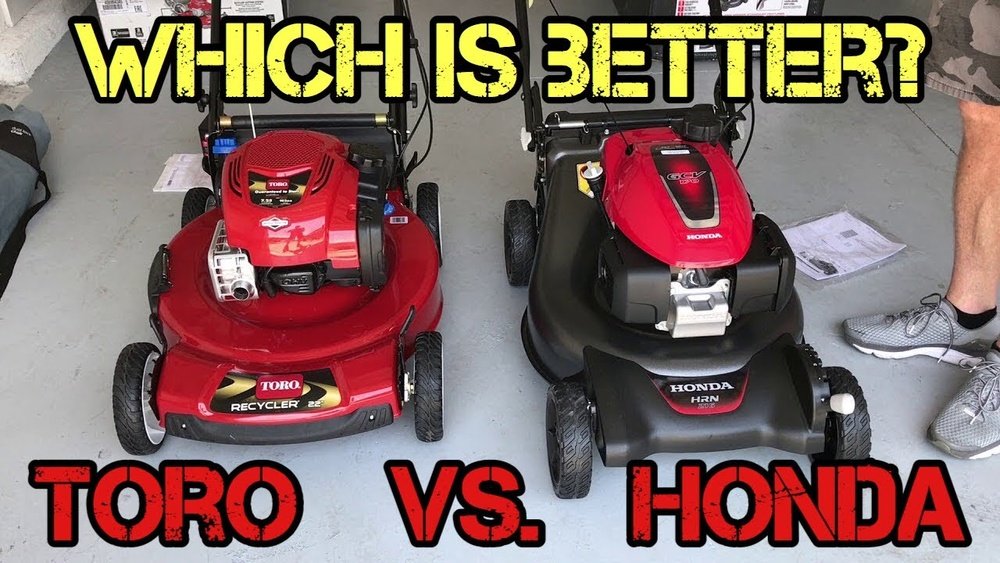
When you need a reliable lawn mower, two names often stand out: Toro and Honda. Both brands are trusted by homeowners, landscapers, and garden enthusiasts across the United States and beyond. But which one should you choose? Picking the right mower is not just about price or power. It’s about how the machine fits your yard, your physical needs, and how much time you want to spend mowing. In this guide, you’ll discover what really matters when comparing Toro and Honda lawn mowers, and you’ll get practical advice to help you decide with confidence—even if you’re new to yard work.
Brand Histories And Reputations
Understanding where each company comes from helps explain why their mowers perform as they do.
Toro: American Roots
Toro was founded in 1914 in Minnesota. The company started by making tractor engines and quickly became a leader in turf maintenance equipment. Today, Toro’s mowers are known for their innovation, durability, and wide range of models for both home and commercial use. They are especially popular in the United States, often seen on golf courses and city parks.
Honda: Japanese Engineering
Honda began in 1946, focusing on engines and motorcycles. By the 1970s, Honda entered the lawn mower market, bringing their expertise in small engines and engineering quality. Honda mowers are famous for their quiet operation, fuel efficiency, and long engine life. Honda’s approach is detail-oriented, which appeals to buyers who want a smooth mowing experience with less hassle.
Key Insight: Many beginners overlook that Toro often leads in commercial markets, while Honda dominates in reliability tests for home use. This difference can affect which brand is better for your needs.
Product Range And Model Variety
Both Toro and Honda offer a wide selection, but there are some important differences.
Toro’s Lineup
Toro’s range covers:
- Walk-behind mowers: From simple push mowers to self-propelled models with advanced features.
- Zero-turn mowers: Used by professionals for large lawns and precise control.
- Electric and battery mowers: For eco-friendly mowing.
- Wide-cut mowers: Larger decks for big lawns.
Honda’s Lineup
Honda focuses mainly on:
- Walk-behind mowers: Both push and self-propelled.
- Premium gas-powered mowers: Known for their powerful engines and durability.
- Very limited electric models: Mostly in select markets.
Non-obvious insight: Toro offers more options for large or hilly lawns, while Honda’s selection is narrower but strong for small-to-medium yards.

Performance And Cutting Quality
How well does the mower cut grass? This is a key factor for most buyers.
Toro’s Cutting System
Toro uses the Recycler® Cutting System on most of its mowers. This system cuts grass into fine pieces and returns them to the lawn, improving soil health. Many Toro models also feature Atomic® blades designed for a cleaner cut and better mulching.
Honda’s Twin Blade Advantage
Honda mowers come with the MicroCut® Twin Blades. These two blades make extra-fine clippings, which means better mulching and bagging. The cut is even and precise, which homeowners often notice after the first use.
Side-by-side Test Example
Imagine mowing a thick, slightly wet lawn. A Toro with Atomic® blades tends to move quickly and mulches well, but sometimes leaves clumps if the grass is very long. A Honda with MicroCut® blades may handle the same lawn with less effort and leave fewer clumps, but the bag fills up faster because the clippings are finer.
Engine Power And Reliability
Engine performance is about more than horsepower. It’s about how the mower handles thick grass, starts up, and lasts over the years.
Toro Engines
Toro uses several engine suppliers, including Briggs & Stratton, Kohler, and their own Toro-branded engines. Most are 140–190cc, which is strong enough for most yards. Toro engines usually start easily, but some users notice a bit more vibration compared to Honda.
Honda Engines
Honda designs and builds its own engines, such as the well-known GCV160 and GCV200. These are famous for:
- Quiet operation
- Smooth starting
- Long lifespan (often over 10 years with care)
Honda engines are often used by people who want low noise and low maintenance.
Key point: Beginners sometimes ignore engine brands, but Honda’s in-house design means parts and repairs are more consistent. Toro’s variety can be a plus if you prefer a certain engine brand.
Ease Of Use And Comfort
Good design makes mowing faster and less tiring.
Toro User Experience
Toro mowers often feature:
- Personal Pace® system: The mower matches your walking speed automatically.
- Adjustable handles: Fit for different user heights.
- Easy height adjustment: Most models use a single lever for all wheels.
Honda User Experience
Honda focuses on:
- Select Drive®: Lets you set the drive speed to what feels comfortable.
- Roto-Stop® blade system: Stops the blade but keeps the engine running, so you can empty the bag or move obstacles without restarting.
- Ergonomic handles: Designed for comfort over long mowing sessions.
Practical example: If you have back problems or get tired easily, Toro’s Personal Pace may be easier because you don’t need to adjust anything—it just follows your speed.
Durability And Build Quality
No one wants a mower that breaks after a year or two.
Toro Construction
Most Toro mowers feature steel decks, with some higher-end models using cast aluminum for less weight and rust resistance. Toro is known for robust frames, but some users report plastic parts (like wheels) can wear out on cheaper models.
Honda Construction
Honda’s HRX series uses a NeXite® polymer deck, which is lightweight and won’t rust or dent. The HRN and HRS models use steel decks. Honda’s wheels and controls are usually very sturdy, and the overall fit and finish are often a step above similar Toro models.
Non-obvious insight: Many buyers overlook deck material, but NeXite® (on Honda) can outlast steel if you mow in wet conditions or store your mower outdoors.
Maintenance And Repair
Both brands make maintenance simple, but there are some real differences.
Toro Maintenance
- Air filter and oil changes are straightforward.
- Replacement parts are widely available in the US.
- Some models have “no oil change” engines—just check and add oil as needed.
- Blades are easy to remove and sharpen.
Honda Maintenance
- Honda engines are known for fewer problems, but parts can be more expensive.
- Oil changes are usually required, but the process is simple.
- The twin-blade system means sharpening two blades instead of one.
- Honda’s reputation means more repair shops are familiar with their engines.
Common mistake: Some new owners forget to check blade sharpness. Honda’s MicroCut® system needs both blades sharp for the best mulching, while Toro’s single blade is easier to maintain.
Price And Value For Money
Let’s talk numbers. You want the best mower for your budget.
Average Pricing
- Toro walk-behind mowers: $300–$700 (most models)
- Honda walk-behind mowers: $400–$800 (HRN/HRX series)
- Toro zero-turn mowers: $2,800 and up
- Honda does not offer zero-turn mowers in the US market
What You Get For The Money
Toro’s entry models are often cheaper but have fewer features. Honda’s base models may cost more, but they include their premium engine and twin-blade system.
Practical example: If you want a mower for under $400, Toro usually has more choices. If you want a mower that lasts 10+ years, Honda is often worth the extra upfront cost.
Warranty Comparison
- Toro: 2–3 years for residential mowers, with some models offering up to 5 years on the deck.
- Honda: 3–5 years, depending on the model. HRX series gets the longest coverage.
Non-obvious insight: Many buyers ignore the warranty on the deck. For example, Honda’s NeXite® deck has a lifetime warranty for residential use.
Features And Technology
Modern mowers come with smart features that make mowing easier.
Toro Features
- Personal Pace®: Adjusts speed to your walking pace.
- Electric start: Some models start with the push of a button.
- SmartStow®: Lets you store the mower upright to save space.
- Recycler® system: Mulches clippings for a healthier lawn.
Honda Features
- MicroCut® Twin Blades: Superior mulching and bagging.
- Select Drive®: Adjustable speed control.
- Roto-Stop®: Stops blade without shutting off engine.
- Versamow System®: Lets you choose how much grass to mulch or bag.
Practical advice: If you have a small garage, Toro’s SmartStow® is a real space saver. If you have kids or pets, Honda’s Roto-Stop® adds safety.
Noise, Emissions, And Environmental Impact
Quieter mowers are better for you and your neighbors.
Toro
Toro’s gas engines are about average for noise—usually 85–90 decibels. Their new battery mowers are much quieter and release no emissions during use.
Honda
Honda’s engines are known for running quieter (often 80–85 decibels) and more efficiently. They meet CARB (California Air Resources Board) standards for emissions, which means they’re cleaner than many competitors.
Non-obvious insight: Noise levels seem small on paper, but a 5-decibel difference is clearly noticeable if you mow early in the morning or in a dense neighborhood.
Bagging, Mulching, And Discharge Options
How you handle clippings affects lawn health and cleanup.
Toro Systems
Most Toro mowers come standard with mulching, bagging, and side discharge. Their mulching is good, but bagging performance can vary by model. Some users find the bag fills unevenly.
Honda Systems
Honda’s Versamow System® lets you control exactly how much grass to mulch or bag. The twin blades chop grass finely, so bags fill evenly and less air escapes.
Practical tip: If you want to mulch every time, both brands work well. For heavy bagging, Honda usually fills bags better and with less dust.
Battery And Electric Options
If you want a cleaner, quieter mower, consider battery models.
Toro Battery Mowers
Toro offers several battery-powered mowers (Flex-Force series). They run quietly, require almost no maintenance, and have enough power for most residential lawns up to 1/3 acre.
Honda Battery Mowers
Honda’s battery mower selection is limited in the US but growing. Their Izy-On series is more common in Europe and Asia.
Key point: If you want battery power, Toro’s range and dealer support are stronger in the US market.

Customer Service And Dealer Support
Good support matters if you have problems or need repairs.
Toro Support
Toro has thousands of dealers and service centers across North America. Parts are easy to find, and their website offers manuals and troubleshooting help. Phone and online support are generally fast.
Honda Support
Honda’s dealer network is also strong, especially for engines. Parts can sometimes take longer to arrive, but service quality is usually high. Honda’s reputation for reliability means you may need support less often.
Non-obvious insight: Some buyers don’t realize that Toro’s dealers often double as repair shops for other brands, making repairs faster if you own multiple machines.
Real-world User Feedback
It helps to know what actual owners think after months or years of use.
Toro User Feedback
- Strengths: Easy to use, good value, lots of dealer locations.
- Weaknesses: Some models feel less solid, plastic parts can wear out, bagging could be better.
Honda User Feedback
- Strengths: Very reliable engines, smooth and quiet, excellent cut quality.
- Weaknesses: Higher price, heavier than some competitors, fewer electric options.
Example: In a popular US home improvement forum, Honda HRX users report mowing for 10+ years with only oil changes and blade sharpening. Toro Recycler users praise the speed and comfort but sometimes wish for a cleaner bagging system.
Toro Vs Honda: Direct Feature Comparison
A direct comparison helps you see the differences clearly.
| Feature | Toro | Honda |
|---|---|---|
| Engine Brand | Briggs & Stratton, Kohler, Toro | Honda only |
| Deck Material | Steel/Aluminum | Steel/NeXite® Polymer |
| Blade System | Single (Atomic®) | Twin (MicroCut®) |
| Self-Propel System | Personal Pace® | Select Drive® |
| Bagging Performance | Good | Excellent |
| Noise Level | Average | Lower |
| Price Range | $300–$700 | $400–$800 |
| Warranty | 2–5 years | 3–5 years (lifetime on NeXite® deck) |
| Battery Model Availability | Yes | Limited |
Who Should Choose Toro?
Toro is a smart choice if:
- You want more models to choose from, including battery and zero-turn.
- You need a lower starting price for a walk-behind mower.
- You value easy storage (SmartStow® upright storage).
- You have a dealer nearby for quick service and parts.
- You prefer a mower that matches your walking pace without adjustments.
Toro is ideal for first-time buyers and those who want speed and comfort, especially on medium-to-large lawns.
Who Should Choose Honda?
Honda stands out if:
- You want the most reliable engine with a proven long life.
- You care about cut quality and want the best mulching and bagging.
- You prefer a quieter, smoother mower for early or late mowing.
- You want a rust-free deck (HRX NeXite®).
- You plan to keep your mower for 10+ years and don’t mind paying more upfront.
Honda is perfect for detail-focused homeowners who want a mower that just works, year after year.
Common Buyer Mistakes (and How To Avoid Them)
- Choosing by price alone. Cheaper mowers may cost more in repairs or replacements.
- Ignoring deck material. Steel decks can rust, especially if you cut wet grass or leave clippings inside.
- Forgetting about storage space. SmartStow® can be a game changer in tight garages.
- Not considering local dealer support. Service is easier if you have authorized shops nearby.
- Overlooking noise levels. Quieter mowers improve your experience and keep neighbors happy.
Practical tip: Visit a dealer and try the mower handle before buying. Comfort matters more than most people expect.

Example Scenarios: Which Brand Fits You?
Suburban Homeowner, 1/4 Acre
You mow every week and want a mower that’s reliable, easy to store, and not too expensive. Toro’s Recycler or Super Recycler models with Personal Pace are a great fit.
Lawn Enthusiast, Focus On Mulching
You care about lawn health and want the best cut. Honda HRX or HRN series, with their twin blades and Versamow System, is the top choice.
Minimal Maintenance, Small Yard
You want quick mowing with no oil changes or gas worries. Toro’s Flex-Force battery mower is a strong pick.
Heavy Use, Large Property
You mow several times a week, maybe for a side business. Toro’s commercial zero-turn mowers offer more power and speed. Honda doesn’t make zero-turns for the US market.
Real-world Comparison: Mowing Test
A homeowner tested both a Toro Super Recycler and a Honda HRX217 on a 1/3-acre lawn with mixed grass types.
- Toro finished 5 minutes faster due to Personal Pace and a slightly wider deck.
- Honda left a cleaner cut, especially in tall or wet areas.
- Both started on the first pull, but Honda was noticeably quieter.
- The Toro was easier to store in a small shed (SmartStow®).
- After one season, both mowers needed only an oil change and blade sharpening.
Takeaway: Both mowers are excellent, but Toro wins on speed and storage, Honda wins on cut quality and quiet operation.
Long-term Ownership Costs
Looking at total cost over 5–10 years is smart.
| Brand | Average Upfront Cost | Typical Repairs/Parts (5 years) | Expected Lifespan | Total 10-Year Cost |
|---|---|---|---|---|
| Toro | $500 | $150 (blades, filters, wheels) | 8 years | $650–$800 (may need replacement) |
| Honda | $650 | $100 (blades, filters) | 10–15 years | $750–$800 |
Insight: Honda may cost more upfront, but over a decade, the price difference becomes small, especially if you keep your mower longer.
Environmental Responsibility
Both brands are improving, but battery mowers are the greenest choice.
- Toro offers more battery models and is investing in eco-friendly tech.
- Honda’s gas engines are efficient, but battery options are limited.
For the latest standards and air quality information, check out the California Air Resources Board.
Expert Recommendations
After reviewing all the facts, here’s the honest advice:
- For most homeowners, Toro offers more choices and better value at the entry level. Their Personal Pace, SmartStow®, and battery options are hard to beat.
- For those who want premium performance and long-term reliability, Honda is worth the investment. Their engines and twin-blade cutting system set the standard for quality.
- If you need a zero-turn mower, Toro is your only option between the two.
- If you want the quietest, smoothest mowing experience, Honda is usually the winner.
Remember: It’s always best to test the handle and controls before you buy. Comfort is personal.
Frequently Asked Questions
Is Toro Or Honda Better For Mulching?
Both do a good job, but Honda’s MicroCut® twin blades create finer clippings for better mulching. If mulching quality is most important, Honda has the edge.
Which Mower Lasts Longer, Toro Or Honda?
Honda mowers often last longer, especially the HRX and HRN models. Many owners report 10–15 years with basic care. Toro mowers are durable too but may need more repairs after 7–8 years.
Are Battery Mowers From Toro As Powerful As Gas Models?
Toro’s Flex-Force battery mowers are strong enough for most city lawns (up to 1/3 acre). For very thick or wet grass, gas models still have more power, but technology is improving fast.
Is It Easy To Get Replacement Parts For Both Brands?
Yes. Toro parts are widely available in the US, and most repair shops can help. Honda parts are also easy to find, especially for engines, but may cost a bit more.
What Should I Check Before Buying A Mower?
Test the handle comfort, check dealer support near you, consider your lawn size, and decide if you want battery or gas. Don’t forget to compare warranty and storage features.
Choosing between Toro and Honda lawn mowers is about more than specs—it’s about how you mow, what you value, and your plans for the future. Both brands have loyal fans for good reason. With the details above, you’re ready to find the perfect mower for your lawn and enjoy your yard all season long.
As an Amazon Associate, We earn from qualifying purchases