
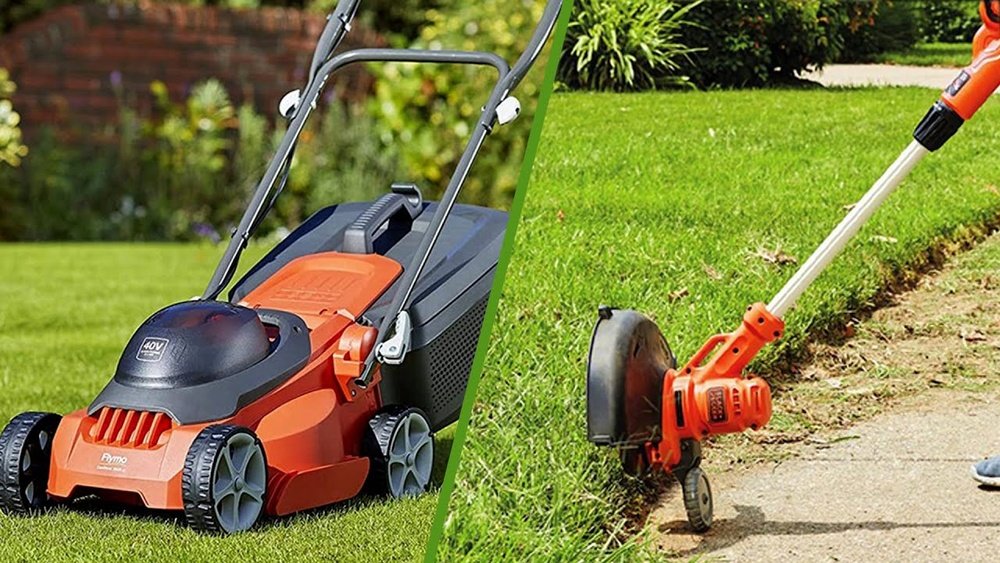
When you look at your backyard or garden, you may see grass growing fast, edges getting wild, and weeds popping up in places you never expected. For any homeowner or gardener, keeping the lawn neat is a regular task. Two main tools often come to mind: the weed wacker (also called string trimmer or weed eater) and the lawn mower. They both cut grass, but in very different ways. Choosing the right tool, or knowing how to use both together, can make your work much easier and your yard look much better.
Many people wonder which tool is better, when to use each, and if you really need both. The answer depends on your lawn, your needs, and what results you want. In this guide, we’ll break down how each tool works, compare their uses, and offer tips that even experienced gardeners sometimes miss.
By the end, you’ll know exactly how to choose and use a weed wacker or a lawn mower for a perfect yard.
How Weed Wackers And Lawn Mowers Work
Understanding how each tool works helps you see why they excel at different jobs. Let’s take a closer look at each.
Weed Wacker
A weed wacker uses a spinning nylon string to cut grass and weeds. The motor (either electric or gas-powered) spins the string at high speed, so it slices through soft plants. Weed wackers are lightweight, easy to move, and can reach tight spaces like fence lines, tree bases, or flower beds.
Most weed wackers have a long shaft and are held in your hands, making them great for precise work. They don’t collect the clippings, so the cut material falls where you trim.
Lawn Mower
A lawn mower uses spinning blades to cut grass evenly. Mowers come in several types: push, self-propelled, and riding models. Most have wheels, so you push or ride them over your lawn. The blades are sharp metal and cut a wide swath of grass at once.
Many mowers have a bag or mulching option to collect or chop up grass clippings. Mowers are designed for larger, open spaces and deliver a smooth, even cut.
Key Differences Between Weed Wackers And Lawn Mowers
Both tools cut grass, but there are big differences. Here are the key points:
- Cutting Area: Lawn mowers cover a wide area quickly. Weed wackers are best for small, tricky spots.
- Precision: Weed wackers can trim around obstacles and edges. Mowers can’t reach tight corners.
- Power Source: Both can be electric (corded or battery) or gas, but weed wackers are usually lighter.
- Grass Height: Mowers are better for even, regular cuts. Weed wackers can handle tall weeds or uneven growth.
- Ease of Use: Mowers are heavier but easier for big lawns. Weed wackers require more arm movement but are good for detail work.
Let’s compare some core features side by side:
| Feature | Weed Wacker | Lawn Mower |
|---|---|---|
| Best For | Edges, corners, tight spaces | Large, open areas |
| Cutting Width | 10-18 inches | 16-30+ inches |
| Grass Height | Tall weeds, uneven growth | Regular grass height |
| Mobility | Very mobile, handheld | Push or ride, heavier |
| Finish | Rougher, less uniform | Even, manicured look |
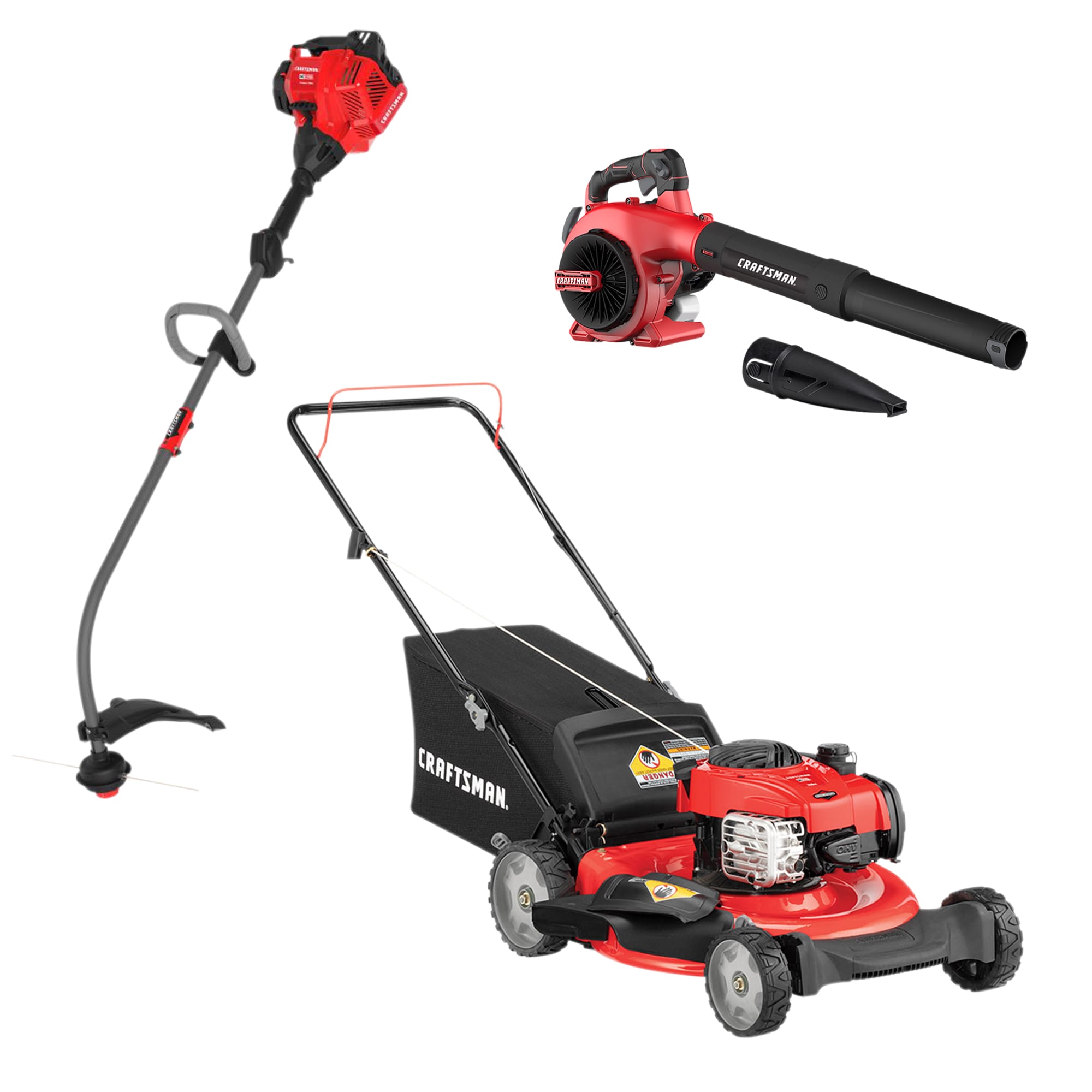
When To Use A Weed Wacker
A weed wacker is not meant to replace a lawn mower, but it shines in situations where a mower can’t help. Here’s when you should reach for the weed wacker:
- Trimming Edges: Along sidewalks, driveways, fences, and garden beds, a weed wacker gets close without damaging hard surfaces.
- Around Obstacles: Trees, posts, flower beds, and play equipment often have grass that grows right up to the edge. A weed wacker can trim here easily.
- Steep Slopes or Hills: Mowers can be hard to use on steep or uneven ground, but a weed wacker is light and easy to move.
- Tall Weeds or Overgrowth: If the grass is very tall or there are thick weeds, a mower might clog or stall. A weed wacker can cut down overgrowth before mowing.
- Tight Spaces: Small yards, narrow strips of grass, or hard-to-reach spots are perfect for a weed wacker.
Non-obvious Insight
Many people try to cut their whole lawn with a weed wacker to save money. This is possible, but it’s very tiring and gives a rough, uneven result. A weed wacker is meant for detail work, not for mowing large areas.
When To Use A Lawn Mower
A lawn mower is the workhorse for any big lawn. Here’s when a mower is the best tool:
- Large, Flat Lawns: Mowers can cover a lot of ground fast and keep grass even.
- Regular Maintenance: For weekly or bi-weekly lawn care, a mower keeps the grass at the right height.
- Even Finish: If you want a smooth, manicured look, only a mower can deliver it.
- Bagging or Mulching: Many mowers collect grass clippings or mulch them back into the lawn, which keeps things tidy.
- Saving Time and Effort: For any area larger than a few hundred square feet, a mower is much faster and easier on your body.
Non-obvious Insight
Some people overlook mowing height. Setting your mower too low can weaken grass and invite weeds. Most lawns do best when cut to 2. 5–3 inches high, which helps roots grow deep and keeps the lawn healthy.

Pros And Cons: Weed Wacker Vs Lawn Mower
To make your decision easier, here’s a direct look at the main benefits and drawbacks of each tool.
Weed Wacker
Pros:
- Reaches tight spots
- Light and easy to carry
- Handles tall weeds, uneven ground
- Good for detail work
Cons:
- Not ideal for large areas
- Results are less even
- Harder on arms and back with big jobs
- Doesn’t collect clippings
Lawn Mower
Pros:
- Fast on large lawns
- Even, clean cut
- Many models collect or mulch clippings
- Adjustable cutting height
Cons:
- Can’t reach edges or close to obstacles
- Heavy, less mobile
- Not good for steep slopes or very small spaces
- Can clog on tall grass
Types Of Weed Wackers
Not all weed wackers are the same. Understanding the options helps you pick the right one.
Power Source
- Electric (Corded): Plugged into power. Lightweight and quiet, but range is limited by the cord.
- Battery (Cordless): Uses rechargeable batteries. Very mobile, but battery life is usually 30–60 minutes.
- Gas-Powered: Uses gasoline. Most powerful, can run for hours, but heavier and noisier.
Shaft Style
- Straight Shaft: Better reach under bushes and obstacles. Heavier, but more versatile.
- Curved Shaft: Lighter and easier for shorter users. Good for basic trimming.
Cutting Head
- Single Line: Easier to load, less powerful.
- Dual Line: Cuts faster and handles thicker weeds.
Practical Tip
If you have a large yard or lots of thick weeds, a gas-powered, straight-shaft, dual-line trimmer will save you time and effort.
Types Of Lawn Mowers
Lawn mowers also come in many varieties. Choose based on your lawn size and needs.
Push Mowers
- Reel Mower: No engine, just blades that spin as you push. Eco-friendly, quiet, best for small, flat lawns.
- Electric (Corded): Lightweight, easy to use, but limited by the cord.
- Battery (Cordless): Quiet, no emissions, but limited run time.
- Gas-Powered: Powerful, can handle big lawns, but requires fuel and maintenance.
Self-propelled Mowers
- The wheels turn automatically, so you guide the mower instead of pushing it. Great for larger yards or uneven ground.
Riding Mowers
- For very large lawns (over ½ acre), riding mowers let you sit and drive. They’re fast and powerful, but expensive and require storage space.
Robot Mowers
- These work like a robot vacuum. They cut automatically, following a set boundary. Perfect for small, simple lawns if you like tech.
Practical Tip
If your yard is under ¼ acre, a push mower is usually enough. Over ½ acre, consider a self-propelled or riding mower.
Cost Comparison
Price is a major factor for many buyers. Here’s a breakdown of typical costs:
| Tool | Low-End Price | Mid-Range Price | High-End Price |
|---|---|---|---|
| Weed Wacker | $30–$60 (corded) | $80–$150 (battery) | $200+ (gas) |
| Lawn Mower | $70–$120 (reel/corded) | $200–$400 (gas/battery) | $1,000+ (riding) |
Extra Costs: Both tools need maintenance. Weed wackers need new string and sometimes batteries or gas. Mowers need blade sharpening, oil (for gas models), and sometimes new bags or parts.
Safety Considerations
Both tools can be dangerous if not used carefully.
Weed Wacker Safety
- Eye Protection: The spinning string can throw rocks or debris. Always wear safety glasses.
- Long Pants and Closed Shoes: Protect your legs and feet.
- Hearing Protection: Gas models are loud.
Lawn Mower Safety
- Blade Safety: Always turn off and unplug before cleaning the blade.
- Clear the Lawn: Remove stones, sticks, or toys before mowing.
- Children and Pets: Keep them away during mowing.
Non-obvious Insight
A big mistake is refueling gas-powered tools while the engine is hot. Always let it cool to prevent fires.
Environmental Impact
Both tools have an effect on the environment.
- Electric models are cleaner, with no emissions.
- Gas-powered tools emit fumes and require oil and gasoline.
- Reel mowers are the greenest choice, using no fuel or electricity.
Battery-powered tools are improving. Many now use lithium batteries that last longer and charge faster. However, all batteries eventually need recycling.
Maintenance Needs
Regular care keeps your tools working well.
Weed Wacker
- Replace string often
- Clean the head after use
- Lubricate moving parts
- Check battery or fuel levels
Lawn Mower
- Sharpen or replace blades
- Clean grass from under the deck
- Change oil (gas models)
- Replace air filters and spark plugs as needed
- Store in a dry place
Practical Tip
Dull blades (on mowers or trimmers) tear grass instead of cutting it, which makes lawns look brown and ragged. Sharpen blades at least once a season.
Which Should You Buy? Decision Guide
Your choice depends on your lawn and your needs. Here are the most common situations:
- Small yard, few obstacles: A push mower and a basic weed wacker for edges.
- Large yard, many trees or beds: A self-propelled or riding mower, plus a powerful weed wacker for detail work.
- Steep, uneven ground: Lightweight weed wacker for slopes, mower for flat areas.
- Budget: Corded electric tools are cheapest, but only work if you have easy access to power.
- Eco-friendly: Reel mower and battery weed wacker.
Many homeowners end up with both tools for the best results. Use the mower for the main area and the weed wacker for detail work.
Common Mistakes And How To Avoid Them
- Trying to mow with a weed wacker: It’s tiring and gives a poor result.
- Ignoring blade height: Cutting grass too short weakens the lawn.
- Not wearing safety gear: Eye injuries from flying debris are common.
- Letting grass get too tall: Both mowers and trimmers struggle with overgrown lawns. Cut regularly.
- Using the wrong tool for the job: Forcing a mower into tight spots or a weed wacker over a huge area wastes time and energy.
Non-obvious Insight
Many beginners forget to overlap their mowing or trimming paths. This leaves strips of uncut grass. Always overlap by a few inches for a cleaner finish.
Expert Tips For A Perfect Lawn
- Trim before mowing: If grass around edges is tall, trim it first, then mow. This lets the mower pick up and mulch the trimmings.
- Alternate mowing patterns: Change direction each time you mow. This prevents ruts and keeps grass standing upright.
- Edge after mowing: For the sharpest look, mow first, then use the weed wacker to tidy edges.
- Clean tools after use: Grass sap can build up and dull blades or jam the string.
- Store batteries inside: Extreme heat or cold reduces battery life.

Real-world Example: Suburban Lawn Care
Sarah, a homeowner with a ¼ acre yard, uses a battery-powered mower and a cordless weed wacker. She mows every 7–10 days during spring and trims edges once a week. Her mower covers the big, open lawn, but can’t reach along the fence or under her lilac bushes.
The weed wacker makes quick work of these spots.
Sarah spends about 45 minutes mowing and 15 minutes trimming each week. By using both tools, her lawn looks neat, and she doesn’t get tired. She charges both batteries overnight and sharpens the mower blade every two months.
Weed Wacker And Lawn Mower: Which Is Better For Your Grass?
Some grasses do better with regular, even mowing. Others can handle rougher cutting from a weed wacker.
- Cool-season grasses (like Kentucky bluegrass or fescue): Prefer even mowing, 2.5–3.5 inches high.
- Warm-season grasses (like Bermuda): Can be cut shorter, but still need even mowing for best health.
Using a weed wacker for the whole lawn can stress the grass and lead to bare spots. A mower is almost always better for the main area, while a weed wacker is ideal for the tricky edges.
How To Use Weed Wackers And Lawn Mowers Together
The best lawns use both tools in a smart way. Here’s a step-by-step approach:
- Inspect your lawn: Look for tall weeds, obstacles, and edges.
- Trim high or tough spots first: Use the weed wacker on edges, around trees, or where grass is too tall for the mower.
- Mow the main area: Set the mower height for your grass type, and mow in overlapping rows.
- Edge for a clean finish: Go back with the weed wacker for a sharp edge along sidewalks or beds.
- Clean up: Pick up clippings if needed and wipe down your tools.
This routine gives you a manicured look with less effort.
Comparison Table: Weed Wacker Vs Lawn Mower Performance
Here’s a quick look at how the two tools perform in different lawn care situations:
| Task | Weed Wacker | Lawn Mower |
|---|---|---|
| Cutting large areas | Poor | Excellent |
| Trimming edges | Excellent | Poor |
| Handling tall weeds | Excellent | Poor |
| Evenness of cut | Fair | Excellent |
| Mobility | Excellent | Fair |
| Noise level | Low–High (model-dependent) | Low–High (model-dependent) |
Environmental And Health Considerations
Air quality and noise can matter, especially in crowded neighborhoods or for those with allergies.
- Gas tools make more noise and pollution. Use them only when needed.
- Electric and battery tools are quieter and better for the environment.
- Reel mowers are silent and produce no emissions.
For allergy sufferers, mowing in the evening or after rain can reduce pollen exposure.
Innovations In Lawn Care Tools
Technology is changing lawn care. Here are a few trends:
- Brushless motors: Found in high-end battery weed wackers and mowers, these last longer and are more efficient.
- Smart robot mowers: Can be scheduled and controlled by an app.
- Quick-load trimmer heads: Make changing string much faster.
- Interchangeable batteries: Some brands let you use the same battery for multiple tools.
These improvements make both weed wackers and mowers easier and more enjoyable to use.
Frequently Asked Questions
What’s The Difference Between A Weed Wacker And An Edger?
A weed wacker trims grass and weeds in hard-to-reach places. An edger is designed specifically to create a sharp line between grass and sidewalks or beds. Some weed wackers can double as edgers by rotating the head.
Can I Mow My Whole Lawn With A Weed Wacker?
You can, but it’s not recommended. The result will be uneven, and it takes much longer. Weed wackers are best for small areas, edges, or spots a mower can’t reach.
How Often Should I Replace The String In My Weed Wacker?
It depends on usage and the type of plants you cut. For regular trimming, expect to replace the string every 2–4 weeks. Cutting thick weeds or hitting rocks will wear string out faster.
What’s The Best Way To Store My Lawn Mower And Weed Wacker?
Store both in a dry, sheltered place like a garage or shed. Remove batteries for winter storage. Clean off grass and dirt after each use. For gas mowers, run the engine dry before storing for the season.
Are Battery-powered Tools Powerful Enough For Big Yards?
Modern battery mowers and trimmers can handle small to medium yards easily. For very large or tough areas, gas models may still be better. Check battery run time and recharge time before you buy. For more information, see this Consumer Reports guide.
A beautiful lawn is possible with the right tools and a little know-how. By understanding the strengths and limits of both weed wackers and lawn mowers, you’ll save time, avoid frustration, and enjoy a yard that’s the envy of your neighborhood.
As an Amazon Associate, We earn from qualifying purchases