
Ly if exposed to grime or mineral deposits. Wipe down with a dry cloth and check for any moisture that could cause rust.
- Lubricate moving parts, such as the jaw and pivot points, with a light machine oil every few months or after heavy use. This keeps the action smooth and prevents sticking.
- Store in a dry toolbox or hang on a pegboard to avoid accidental drops, which can bend jaws or handles.
- Inspect for wear. If the jaws of your sink or basin wrench become rounded or can’t grip well, it may be time to replace them.
A well-maintained wrench will not only work better but also prevent damage to your plumbing fixtures. For example, a rusty or stiff basin wrench may slip when you least expect it, causing frustration or injury.
Frequently Asked Questions
Do I need both a sink wrench and a basin wrench for home plumbing?
Not always. If you only plan to replace a faucet every few years, a basin wrench is enough. For more general repairs—like traps, drains, or multiple fixture types—a sink wrench adds flexibility. Many DIYers start with a basin wrench and add tools as their skills grow.
Can I use channel-lock pliers instead of these wrenches?
Channel-lock pliers work for many visible, accessible nuts, but they are too bulky for faucet mounting nuts behind a sink. They also risk slipping and damaging soft brass or plastic. Basin wrenches and sink wrenches are designed for these specific jobs.
What if the nut is stuck and neither wrench works?
Apply a penetrating oil and let it sit for 10–15 minutes. Tap the nut gently with a rubber mallet. If it still won’t budge, heat can sometimes help—but use caution, especially around plastic pipes. As a last resort, you may need to cut the nut off with a hacksaw blade, but always protect surrounding surfaces.
Why does my basin wrench keep slipping off the nut?
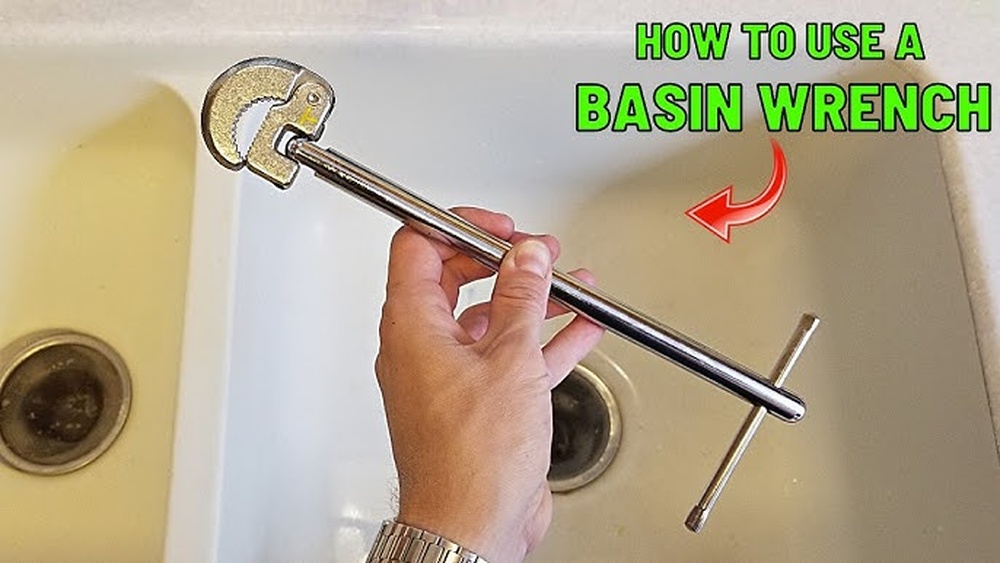
Check for wear on the jaw’s teeth. Dirty or oily nuts are also harder to grip; wipe them clean before trying again. Make sure you’re turning the handle in the right direction—the pivoting jaw must bite into the nut as you turn.
Is there an alternative if I don’t have a basin wrench?
Some plumbing tasks can be done with deep sockets or mini ratchets, but these rarely fit in the tight spaces behind a sink. Basin wrenches are the safest and most reliable choice for faucet nuts.
Practical Tips From Experienced Plumbers
- Light up the workspace: A small LED work light or headlamp helps you see exactly what you’re doing under the sink. Shadows make it easy to misplace the wrench or slip off the nut.
- Wear gloves with grip: Thin, textured gloves protect your knuckles and help you hold onto the tool, especially if your hands are wet or oily.
- Take a photo before starting: If you’re nervous, snap a quick picture of the setup under the sink. This way, you can remember how pipes and connections go back together.
- Practice on an old fixture: If you have access to an old sink or faucet, practice using both wrenches outside the cabinet. This builds muscle memory and makes the real job much less stressful.
- Have a friend nearby: Sometimes, just having someone else to hand you tools or hold a flashlight makes a big difference in tight quarters.
One thing beginners rarely consider: sometimes, the challenge is not the tool itself, but the awkward position you must work in under the sink. Stretching or twisting for long periods can lead to fatigue and mistakes. Take short breaks, and reposition yourself if you start to feel uncomfortable.
:max_bytes(150000):strip_icc()/SPR-how-to-use-a-basin-wrench-2718720-hero-A-6ba9e7b86b5c4c978b68a58c483237a9.jpg)
When To Call A Professional
Most home plumbing jobs under the sink are manageable with a basin wrench or sink wrench, especially if you take your time. But if you encounter any of these issues, it’s smart to call a licensed plumber:
- The nuts are severely corroded or rusted and won’t turn, even with oil and leverage.
- The pipes or fittings feel like they might break with extra force.
- You see water leaks from unexpected places after reassembly.
- You’re not confident about reassembling complex connections.
Professional plumbers have access to specialty tools, experience, and sometimes even compact power tools designed for these tight spaces. If you’re stuck, it’s better to seek help than risk damaging expensive fixtures or flooding your kitchen.
For more plumbing tips and general home maintenance advice, you can check resources like [This Old House](https://www.thisoldhouse.com/plumbing), which offers step-by-step guides and videos.
The Bottom Line
Choosing between a sink wrench and a basin wrench isn’t just about the tool—it’s about understanding the job. The sink wrench is your go-to for most nuts and connections you can see and reach. The basin wrench shines when you’re faced with a hidden faucet nut in a cramped, awkward spot behind the sink.
By knowing the strengths and limits of each tool, practicing before you start, and maintaining your wrenches, you’ll save time and avoid frustration. Even if you’re new to plumbing, a bit of preparation and the right tool can turn a dreaded job into a simple fix.
Next time you’re under the sink, you’ll know exactly what to reach for—and you won’t waste time or risk damaging your plumbing.
With this knowledge, your next sink repair or faucet installation will go more smoothly, and you’ll feel more confident tackling future plumbing challenges.
As an Amazon Associate, We earn from qualifying purchases