
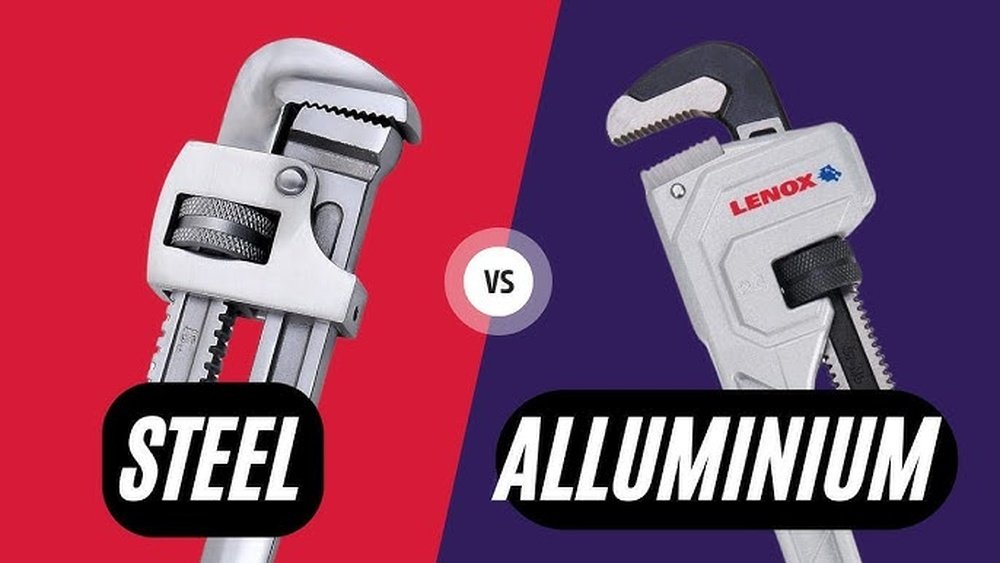
When you walk into a hardware store, you might feel overwhelmed by the number of tools on display. If you’re searching for a pipe wrench, the choice often comes down to aluminum vs steel. Both look similar at first glance, but the material makes a big difference. Whether you’re a plumber, a DIY fan, or just want the right tool for occasional use, understanding these differences can save you money, effort, and even prevent injuries.
Choosing between an aluminum pipe wrench and a steel pipe wrench is not just about price. Each type has unique strengths and downsides. Factors like weight, durability, cost, comfort, and intended use all play a big role. In this guide, you’ll discover how to pick the right one for your needs, avoid common mistakes, and learn details that even some professionals overlook.
What Is A Pipe Wrench?
A pipe wrench is a tool designed to grip and turn pipes or circular bars. Its adjustable jaws allow it to clamp tightly onto pipes, making it possible to loosen or tighten plumbing connections. The classic pipe wrench, sometimes called a Stillson wrench, is a staple in plumbing, construction, and maintenance work.
Pipe wrenches come in different sizes, typically ranging from 8 inches to 48 inches or more. The two most common materials for their bodies are steel and aluminum. The main jaw is usually made of hardened steel in both versions for strong grip, but the handle material changes the tool’s overall characteristics.
Why Material Matters
You might think a wrench is just a wrench, but the material affects:
- Weight: Heavier tools can be tiring to use for long periods.
- Strength: Some jobs need extra force, which demands a tougher tool.
- Durability: The tool’s lifespan changes based on what it’s made from.
- Cost: Material choice often drives the price.
- Corrosion Resistance: Some materials handle moisture better.
Understanding these points helps you decide which wrench is best for the way you work.
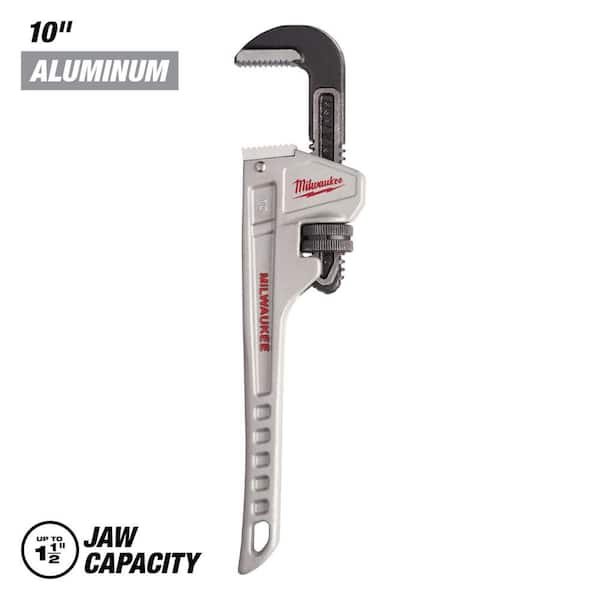
Aluminum Pipe Wrench: Features, Pros, And Cons
Aluminum pipe wrenches are relatively new compared to the classic steel type. They use aluminum alloy for the handle, keeping the jaws strong with hardened steel.
Main Features
- Lightweight: Usually up to 40% lighter than steel wrenches of the same size.
- Corrosion Resistance: Aluminum resists rust and corrosion better than standard carbon steel.
- Same Jaw Strength: The jaw is still made of steel, so gripping power is not sacrificed.
- Modern Design: Many newer wrenches use ergonomic shapes for comfort.
Advantages Of Aluminum Pipe Wrenches
1. Easier To Handle
When you’re working overhead or in tight spaces, every pound matters. Aluminum pipe wrenches reduce arm and shoulder fatigue, especially on big jobs.
2. Safer For Extended Use
Less weight means less risk of strain or repetitive use injuries. For plumbers or maintenance workers who carry tools all day, this is a big deal.
3. Less Rust
If you work in wet conditions, an aluminum wrench won’t rust as easily. This means less maintenance and longer life.
4. Good For Mobile Work
If you travel between job sites or need to carry a lot of tools, lightweight aluminum helps keep your tool bag manageable.
Disadvantages Of Aluminum Pipe Wrenches
1. Lower Maximum Strength
Aluminum is strong for its weight, but not as tough as steel. For very high torque jobs or when you need to really crank down, aluminum can bend or even crack.
2. Higher Price
Aluminum wrenches often cost more than steel equivalents. The material and manufacturing process are more expensive.
3. Not For All Jobs
For heavy industrial work (like oil rigs or large-diameter pipes), aluminum isn’t the best choice.
4. Dents And Deformation
Aluminum is softer. Dropping it on concrete or using it as a hammer can cause dents or bends.
Steel Pipe Wrench: Features, Pros, And Cons
Steel pipe wrenches are the classic choice. They’ve been used for over a century in plumbing and construction.
Main Features
- Heavy-Duty: Steel handles can withstand high torque without bending.
- Durable: With proper care, steel wrenches can last a lifetime.
- Affordable: Often less expensive than aluminum.
- Traditional Feel: Many professionals trust the weight and feel of steel tools.
Advantages Of Steel Pipe Wrenches
1. Maximum Strength
Steel can handle more force before deforming or breaking. If you need to apply a lot of power, steel is the safer choice.
2. Better For Large Pipes
When working with pipes 2 inches or larger, the extra weight actually helps grip and apply torque.
3. Long Service Life
A well-maintained steel wrench can pass from one generation to the next.
4. Cost-effective
For most standard jobs, steel wrenches offer great value for money.
Disadvantages Of Steel Pipe Wrenches
1. Heavy
A 24-inch steel wrench can weigh twice as much as an aluminum one. If you use it overhead or for long hours, it gets tiring.
2. Rust Problems
Unless coated or made from stainless steel, they can rust easily in damp conditions.
3. Harder To Transport
If you need to carry several tools, steel adds a lot of bulk to your kit.
4. Can Cause Injury
Dropping a heavy steel wrench on your foot (or someone else’s) can cause serious injury.
Side-by-side Data: Aluminum Vs Steel Pipe Wrench
To make things clearer, here’s a direct comparison of the two types:
| Feature | Aluminum Pipe Wrench | Steel Pipe Wrench |
|---|---|---|
| Weight | Light (up to 40% less) | Heavy |
| Strength | Good, but less than steel | Very strong |
| Durability | High, but can dent/bend | Very high, hard to damage |
| Corrosion Resistance | Excellent | Poor (unless treated) |
| Cost | Higher | Lower |
| Comfort | Less fatigue | More fatigue |
| Best For | Frequent, mobile, overhead jobs | Heavy-duty, high-torque jobs |
When To Use Aluminum Pipe Wrenches
Aluminum pipe wrenches shine in specific situations. Here’s when you should reach for one:
1. Working Overhead
Tasks like fixing sprinkler systems or installing ceiling pipes are much easier when your tool is lighter. After 20 minutes, the difference is obvious.
2. Frequent Tool Changes
If you switch between tools a lot, carrying a lighter set makes your work smoother and less tiring.
3. In Tight Spaces
Aluminum wrenches are easier to maneuver in crawl spaces, under sinks, or in mechanical rooms.
4. When Traveling
For mobile workers or service technicians, every pound in your toolbox matters. Aluminum keeps your load light and portable.
5. In Wet Environments
If you often work in damp basements, outdoors, or near water lines, aluminum’s resistance to rust is a big plus.
6. For Less Demanding Pipes
Most household plumbing (like 1-inch or smaller pipes) doesn’t require extreme force, making aluminum a safe and convenient choice.
Non-obvious insight: Many professionals use aluminum wrenches for the majority of tasks, but keep a steel wrench on hand for the toughest jobs. This hybrid approach avoids fatigue without sacrificing power when it’s needed.
When To Use Steel Pipe Wrenches
Steel pipe wrenches are better for heavy-duty, high-force situations. Here’s when to pick steel:
1. Large Diameter Pipes
When working with pipes over 2 inches, you often need more torque. Steel wrenches won’t flex or fail under pressure.
2. Breaking Stuck Connections
Old, corroded, or overtightened pipes sometimes require a lot of force. Steel handles can take the abuse.
3. Industrial Or Commercial Work
In construction, factories, or oil and gas sites, reliability and maximum strength are critical. Steel delivers on both counts.
4. Budget Constraints
For buyers who need multiple wrenches or want to save money, steel is usually more affordable.
5. Long-term Durability
If you want a tool that can handle anything for decades, steel is hard to beat.
Non-obvious insight: Steel wrenches can sometimes be used as a hammer for light tapping (though not recommended by manufacturers). Aluminum wrenches are more likely to get damaged if used this way.
Practical Examples And Real-world Scenarios
It’s helpful to see how these choices play out in real jobs.
Residential Plumbing
A plumber replacing a kitchen faucet or repairing a bathroom pipe often works in tight, awkward spaces. An aluminum wrench makes these tasks less tiring and easier to manage. The risk of damaging pipes with too much torque is also lower.
Commercial Construction
On a building site, installers often deal with thick steel pipes, long water lines, and heavy-duty connections. They need the brute strength of a steel wrench, especially when connections are stubborn or covered in rust.
Mobile Maintenance Tech
A maintenance worker for an apartment complex may carry tools up and down stairs all day. Lightweight aluminum wrenches are easier on the body, and the rust resistance is helpful for outdoor work.
Emergency Repairs
Imagine a city worker fixing a burst water main in the rain. Wet conditions and urgency mean that a rust-proof aluminum wrench is handy, but if the pipe is large and the joint is stuck, steel is the safer bet.
Common Mistakes When Choosing A Pipe Wrench
Many buyers make errors that cost money, time, or even safety. Here are the most common mistakes:
1. Choosing The Wrong Size
A wrench that’s too small for the pipe can slip and cause injury. Always match the tool size to the pipe diameter.
2. Ignoring Weight
New users often pick steel wrenches for their low cost, but regret the weight after a day’s work. Consider how much time you’ll actually spend holding the tool.
3. Overestimating Strength Needs
Homeowners often think they need the strongest tool possible. In reality, most home plumbing doesn’t need the torque of a steel wrench, and a lighter tool works better.
4. Not Considering Rust
If you work near water, using a steel wrench without a rust-resistant finish can lead to a rusty, hard-to-use tool.
5. Using The Wrong Tool For The Job
Pipe wrenches are not designed for bolts or nuts. Using them incorrectly can damage both the tool and the fastener.
6. Ignoring Ergonomics
Comfort matters. If you have wrist or shoulder problems, an aluminum wrench can reduce pain and fatigue.
Maintenance Tips For Both Types
No matter the material, a well-maintained pipe wrench lasts longer and works better.
1. Clean After Use
Wipe off dirt, oil, and water. For steel wrenches, dry them thoroughly to prevent rust.
2. Lubricate Moving Parts
Use a drop of oil on the adjustment nut and jaw to keep them moving smoothly.
3. Store Properly
Keep wrenches in a dry place. For steel, consider a light coat of oil for storage.
4. Inspect Regularly
Check for bent handles, worn jaws, or cracks. Replace damaged tools immediately.
5. Don’t Use As Hammer
Both types can be damaged if used for pounding.
Cost Comparison: What’s The Investment?
Let’s look at what you’ll actually pay for each type, using common sizes as an example.
| Size | Aluminum Pipe Wrench (Avg. Price) | Steel Pipe Wrench (Avg. Price) |
|---|---|---|
| 10 inch | $35–$50 | $20–$30 |
| 18 inch | $45–$65 | $25–$40 |
| 24 inch | $60–$90 | $35–$55 |
| 36 inch | $110–$150 | $60–$90 |
As you can see, aluminum wrenches cost more, especially as size increases. However, the comfort and ease of use can pay off in reduced fatigue and faster work.
How To Choose: Step-by-step
If you’re still unsure, follow these steps:
1. Identify Your Main Use
Are you working on home plumbing, commercial pipes, or emergency repairs? Know your most common task.
2. Estimate How Long You’ll Use The Tool
For short jobs, weight matters less. For all-day use, lighter is better.
3. Check Your Budget
If cost is a major factor, steel is more affordable.
4. Consider The Work Environment
Wet or corrosive conditions favor aluminum.
5. Decide On Size
Get the right length for your pipes. Bigger isn’t always better; choose what fits your needs.
6. Try Before You Buy
If possible, hold both types in your hand. Sometimes comfort and balance will guide your choice.
7. Think About The Future
If you plan to expand your tool kit, consider buying a mix—aluminum for everyday work, steel for the tough jobs.

Aluminum Or Steel: Which Is Best For You?
There’s no single answer. If you do lots of overhead or mobile work, aluminum is usually the better investment. If you need brute force and expect to tackle tough, stuck pipes, steel is the way to go.
Pro tip: Many professionals own both. They use aluminum for most jobs, switching to steel only when maximum strength is essential.
Sustainability And Environmental Impact
One point beginners overlook is the environmental aspect. Aluminum production uses a lot of energy but is highly recyclable. Many aluminum pipe wrenches are made with recycled material, and old wrenches can be recycled again.
Steel is also recyclable and generally lasts longer, which means fewer tools end up in landfills. However, rust can shorten the lifespan if not cared for.
If eco-friendliness matters, check the manufacturer’s recycling or sustainability policies. Some brands now highlight their green manufacturing processes.

Recognized Brands And What To Look For
Some brands are known for quality and reliability. Leading names include RIDGID, Milwaukee, and Crescent. When buying, look for:
- Reinforced handles (for both types)
- Replaceable jaws (saves money over time)
- Warranty (shows the brand stands behind its product)
- Ergonomic grips (reduces hand fatigue)
Avoid unbranded or very cheap tools—they may use low-quality metal that bends or breaks.
Common Myths About Aluminum And Steel Pipe Wrenches
Let’s clear up a few misunderstandings:
- Myth: Aluminum wrenches are weak.
Truth: They’re strong enough for most jobs, but not all.
- Myth: Steel is always better because it’s stronger.
Truth: Steel is better for some jobs, but not for all situations.
- Myth: Aluminum wrenches are only for amateurs.
Truth: Many pros prefer aluminum for daily work.
- Myth: Steel wrenches always rust.
Truth: Many modern steel wrenches have anti-rust coatings.
External Resource
For a deep dive into the history and design of pipe wrenches, visit the Wikipedia page on pipe wrenches.
Frequently Asked Questions
What Size Pipe Wrench Should I Buy For Home Use?
For most home plumbing, a 14-inch or 18-inch wrench is ideal. It’s big enough for common pipes but not too heavy or hard to handle. If you work on larger pipes, you might need a 24-inch wrench, but that’s rare in residential settings.
Is It Safe To Use An Aluminum Pipe Wrench On Steel Pipes?
Yes. Aluminum pipe wrenches are designed with steel jaws, so they grip steel pipes well. Just avoid using too much force on very large or stuck pipes, as the handle could bend.
How Do I Prevent My Steel Pipe Wrench From Rusting?
Keep it dry, clean off water and dirt after each use, and store it in a dry place. You can also apply a light coat of oil to the handle and moving parts. Some wrenches come with anti-rust coatings for extra protection.
Can I Use A Pipe Wrench For Bolts Or Nuts?
No. Pipe wrenches are designed for round pipes. Using them on bolts or nuts can damage both the tool and the fastener. Use an adjustable wrench or socket wrench for nuts and bolts.
Which Lasts Longer, Steel Or Aluminum Pipe Wrenches?
With proper care, steel wrenches generally last longer, especially in tough environments. However, aluminum wrenches can last for many years if used correctly and not abused.
—
Choosing between an aluminum and steel pipe wrench isn’t just about weight or cost. It’s about matching the tool to your real-world needs. Think about how and where you’ll use it, and don’t be afraid to own both types if your work demands it. With the right wrench in your hand, every job gets easier, safer, and more efficient.
As an Amazon Associate, We earn from qualifying purchases