
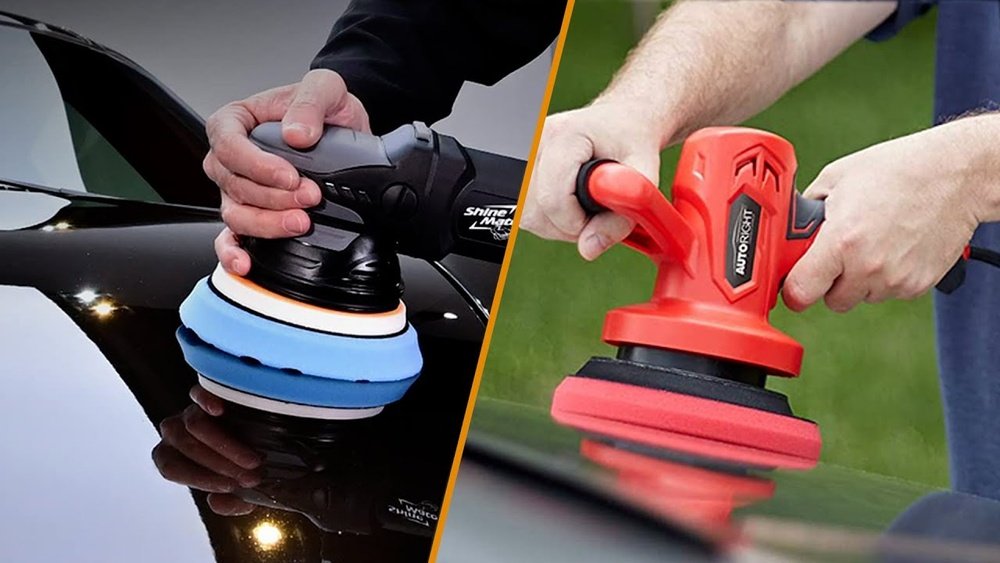
When you want to make wood smooth, remove paint, or prepare a surface for finishing, the right sander makes a big difference. Many people get confused between a DA sander (Dual Action sander) and an orbital sander. Both tools look similar at first glance, but their uses, action, and results can be very different. If you’re a beginner, you might wonder: which one should you choose? This guide explains the differences, when to use each, and practical tips to get the best results. By the end, you’ll know exactly which sander fits your needs.
What Is A Da Sander?
A DA sander stands for “dual action sander.” It’s a tool that combines two kinds of movement: it spins in a circle and also moves in an oval or random path. This double movement helps you sand surfaces quickly and without leaving swirl marks. DA sanders are often used by auto body workers to smooth car panels, but they are also useful in woodworking and metalworking.
DA sanders usually need an air compressor to work, as most are pneumatic (air-powered). There are electric DA sanders, but they are less common in professional settings.
Key Features Of A Da Sander
- Dual motion: Spins and orbits at the same time.
- Aggressive material removal: Can remove paint, rust, or heavy surface material quickly.
- Smooth finish: Less likely to leave deep scratches.
- Round pad: Usually 5 or 6 inches in diameter.
- Variable speed: Many models let you adjust the speed for different jobs.
Common Uses
- Auto bodywork: Removing old paint or smoothing filler.
- Woodworking: Leveling wood or prepping for finish.
- Metalworking: Smoothing sharp edges or cleaning metal.
A non-obvious insight: DA sanders are preferred for jobs where a perfect finish is important because the dual action reduces the risk of visible sanding marks. Many beginners overlook the need for an air compressor with pneumatic models, which adds cost and setup time.
What Is An Orbital Sander?
An orbital sander is a handheld tool that moves its sanding pad in a small circular (orbital) motion. Unlike DA sanders, it does not spin—just orbits in tiny circles. Orbital sanders are usually square or rectangular, allowing you to sand right up to corners and edges.
These tools are typically electric, making them more portable and easier for home users.
Key Features Of An Orbital Sander
- Single orbital motion: The pad moves in tiny circles.
- Gentle sanding: Removes less material than a DA sander.
- Versatile shape: Square or rectangular pads for corners.
- Easy to control: Good for beginners.
- Less dust: Many have built-in dust collection.
Common Uses
- Finishing work: Prepping wood for paint or stain.
- Light sanding: Removing minor scratches or rough spots.
- DIY projects: Smoothing furniture, doors, or trim.
A useful detail: Orbital sanders are best for delicate tasks. Many beginners expect them to remove thick paint or deep scratches, but they are too gentle for heavy material removal.

Da Sander Vs Orbital Sander: Head-to-head
Understanding the real differences between these tools helps you pick the right one for your project. Here’s a direct comparison:
| Feature | DA Sander | Orbital Sander |
|---|---|---|
| Motion | Spin + orbit (dual action) | Small orbit only |
| Pad Shape | Round (5″ or 6″) | Square/Rectangular (usually 1/4 or 1/3 sheet) |
| Power Source | Mainly pneumatic, some electric | Mostly electric |
| Material Removal | Fast, aggressive | Slower, gentle |
| Best For | Car work, heavy sanding | Finish sanding, delicate work |
| Edge Work | Not great | Excellent (gets into corners) |
Which Is Easier For Beginners?
- Orbital sander: More forgiving and easier to control. Less risk of damaging your work.
- DA sander: Faster, but requires practice to avoid uneven surfaces.
Practical Example
If you want to strip thick paint off a table, a DA sander will save you hours. If you just want to smooth the wood before painting, an orbital sander is a better choice.
When To Choose A Da Sander
There are situations where a DA sander is clearly the better tool:
- Heavy Paint or Rust Removal: When you need to strip layers fast.
- Smoothing Body Filler: In auto repairs, DA sanders help create a flawless surface.
- Leveling Large Surfaces: For doors, tabletops, or panels.
- Metal Preparation: Before welding or coating.
However, using a DA sander on thin or delicate wood can result in gouges or burn marks if you’re not careful. Always start with a finer grit, and keep the tool moving.
A tip beginners often miss: DA sanders need a constant air supply (if pneumatic), so make sure your compressor can handle it. Most DA sanders require around 90 PSI and 4-8 CFM. Too small a compressor, and your tool will lose power.
When To Choose An Orbital Sander
An orbital sander is the go-to tool for these jobs:
- Finishing Touches: Last step before paint or varnish.
- Sanding Between Coats: Lightly smoothing between layers of finish.
- Edges and Corners: Square pad reaches tight spaces.
- Small DIY Projects: Great for picture frames, shelves, or crafts.
Orbital sanders are lighter and quieter, making them more comfortable for longer tasks. You can also use regular sandpaper, cut to size, which saves money.
A non-obvious advantage: The gentle motion means less risk of ruining a surface. This is ideal for beginners or anyone working with thin wood.
Pros And Cons: Quick Overview
Here’s a summary to help you decide faster.
| DA Sander | Orbital Sander | |
|---|---|---|
| Pros |
|
|
| Cons |
|
|
Key Buying Factors: Da Vs Orbital Sander
Choosing the right sander depends on your project and skill level. Here’s what matters most:
1. Type Of Work
- Heavy-duty jobs (paint stripping, metal prep): DA sander.
- Fine finishing (furniture, crafts): Orbital sander.
2. Power Source
- No compressor? Go with an electric orbital sander.
- Already own a compressor? DA sander is an option.
3. Surface Size And Shape
- Large, flat surfaces: DA sander is faster.
- Small, detailed areas or corners: Orbital sander wins.
4. Budget
- DA sanders (pneumatic) often cost more, plus the price of a compressor.
- Orbital sanders are more affordable for home use.
5. User Experience
- Beginners: Orbital sanders are easier to use.
- Experienced users: DA sanders offer more speed and versatility.
A common mistake: Many buyers choose a DA sander for small jobs and find it too powerful or hard to control. Match the tool to your project for the best results.
Real-world Examples
Let’s look at situations where each sander shines.
Refinishing A Car Door
- Best tool: DA sander (pneumatic)
- Why: Removes old paint and smooths body filler fast, leaving a surface ready for painting.
Restoring A Wooden Chair
- Best tool: Orbital sander
- Why: Gets into corners and smooths curves without damaging the wood.
Removing Paint From A Tabletop
- Best tool: DA sander (electric or pneumatic)
- Why: Covers large area quickly, removes thick paint easily.
Smoothing Between Varnish Coats
- Best tool: Orbital sander with fine-grit sandpaper
- Why: Light sanding without removing too much material.

Maintenance Tips For Both Sanders
Proper care extends your tool’s life and keeps your results clean.
- Change sandpaper often: Clogged paper can scratch surfaces.
- Clean dust collection: For orbital sanders, empty the bag or box regularly.
- Lubricate pneumatic tools: DA sanders need oil drops in the air inlet.
- Check pads: Replace worn pads to avoid uneven sanding.
- Store properly: Keep tools dry and dust-free.
A practical tip: Always unplug or disconnect your sander before changing sandpaper or doing any maintenance.
Common Mistakes To Avoid
- Using too coarse a grit: Start with a medium grit and work finer.
- Pushing down hard: Let the sander’s weight do the work; pressing too much causes scratches.
- Staying in one spot: Keep moving to avoid uneven surfaces.
- Ignoring dust extraction: Too much dust can clog your sandpaper and harm your health.
Many beginners don’t realize that using the wrong sander can double their work or ruin their project. Always match the tool and grit to your material.
Advanced Tips For Better Results
- Test on scrap: Try your sander on leftover wood or metal to check the effect.
- Use the right speed: DA sanders with speed control help you avoid burns or uneven spots.
- Overlap passes: Move the sander slightly over each previous pass for a smooth finish.
- Check your work under bright light: This helps you spot missed areas or swirl marks.
A little practice and attention to detail can turn a rough surface into something professional.
Frequently Asked Questions
What Does “da” Stand For In Da Sander?
DA means Dual Action. The sander moves in two ways at the same time: spinning and orbiting. This makes sanding faster and helps prevent swirl marks.
Can An Orbital Sander Remove Paint?
Yes, but only thin layers or small areas. Orbital sanders are slow for heavy paint removal. For thick paint, a DA sander is much faster.
Do I Need An Air Compressor For A Da Sander?
Most DA sanders are pneumatic and need an air compressor. Some electric models exist, but they are less common. Make sure your compressor can provide enough air (usually at least 4 CFM at 90 PSI).
Which Sander Is Safer For Beginners?
Orbital sanders are safer and easier to control. They are less likely to damage your work, making them ideal for people new to sanding.
How Do I Choose The Right Grit Sandpaper?
Start with a medium grit (like 80 or 120) for most jobs. Move to finer grits (180, 220, or higher) for finishing. The coarser the grit, the more material it removes—but it can also leave deeper scratches.
For more on sanders and surface finishing, you can visit the Wikipedia page on sanders.
Choosing between a DA sander and an orbital sander comes down to your project’s needs, your experience, and your budget. Now, with this guide, you have the insights and practical tips to pick the best tool for every sanding job.
Happy sanding!
As an Amazon Associate, We earn from qualifying purchases