
Framing Vs Finishing Nail Gun: What’s the Difference and Which Should You Use?
Picking the right nail gun for your project can be confusing, especially when you hear terms like framing nail gun and finishing nail gun. Both tools are powerful, but they serve different purposes. If you choose the wrong one, your work might not turn out as strong or as beautiful as you want. This guide will help you understand the real differences between these two nail guns, so you can make smart decisions for your woodworking, home improvement, or construction needs.
What Is A Framing Nail Gun?
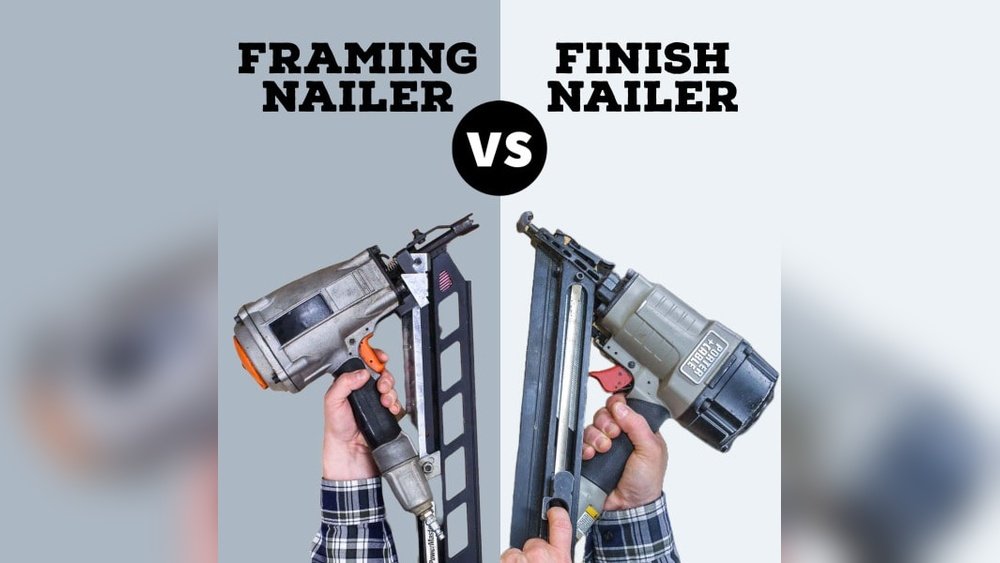
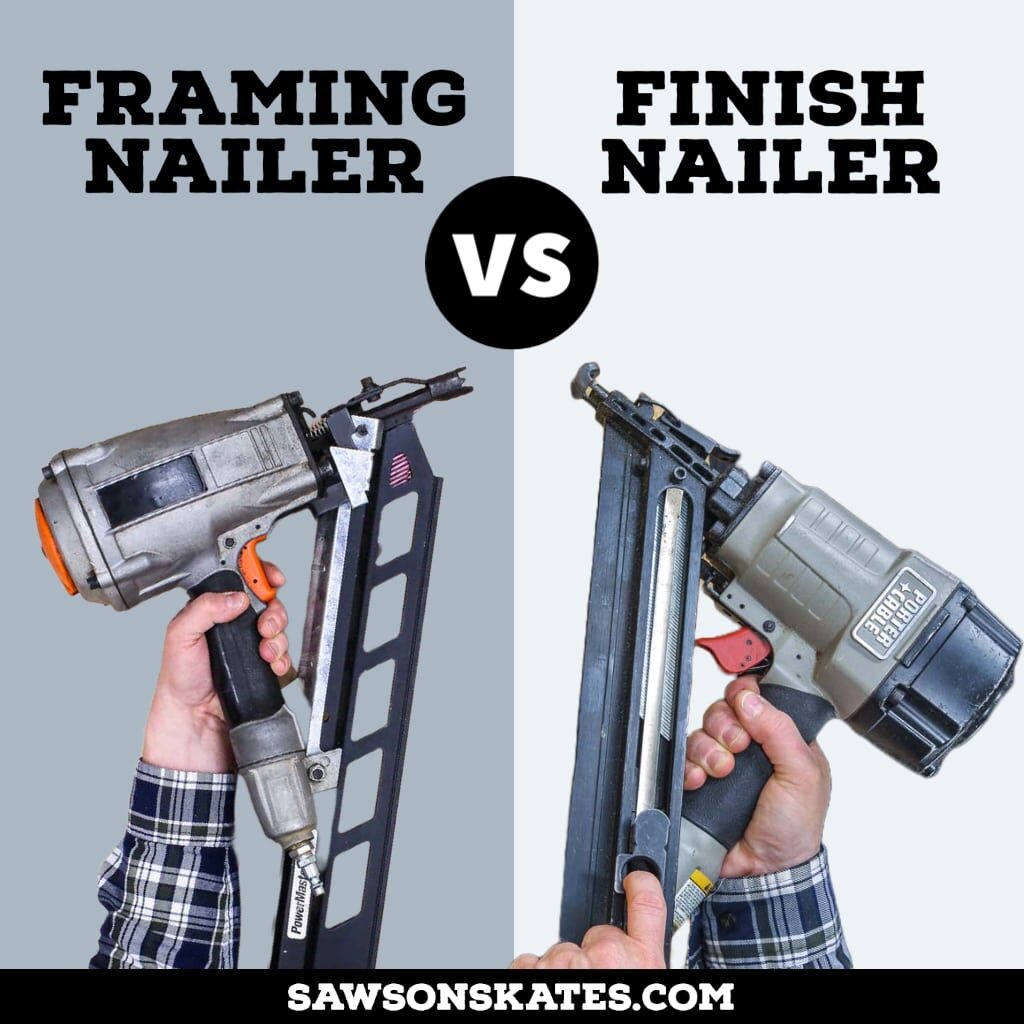
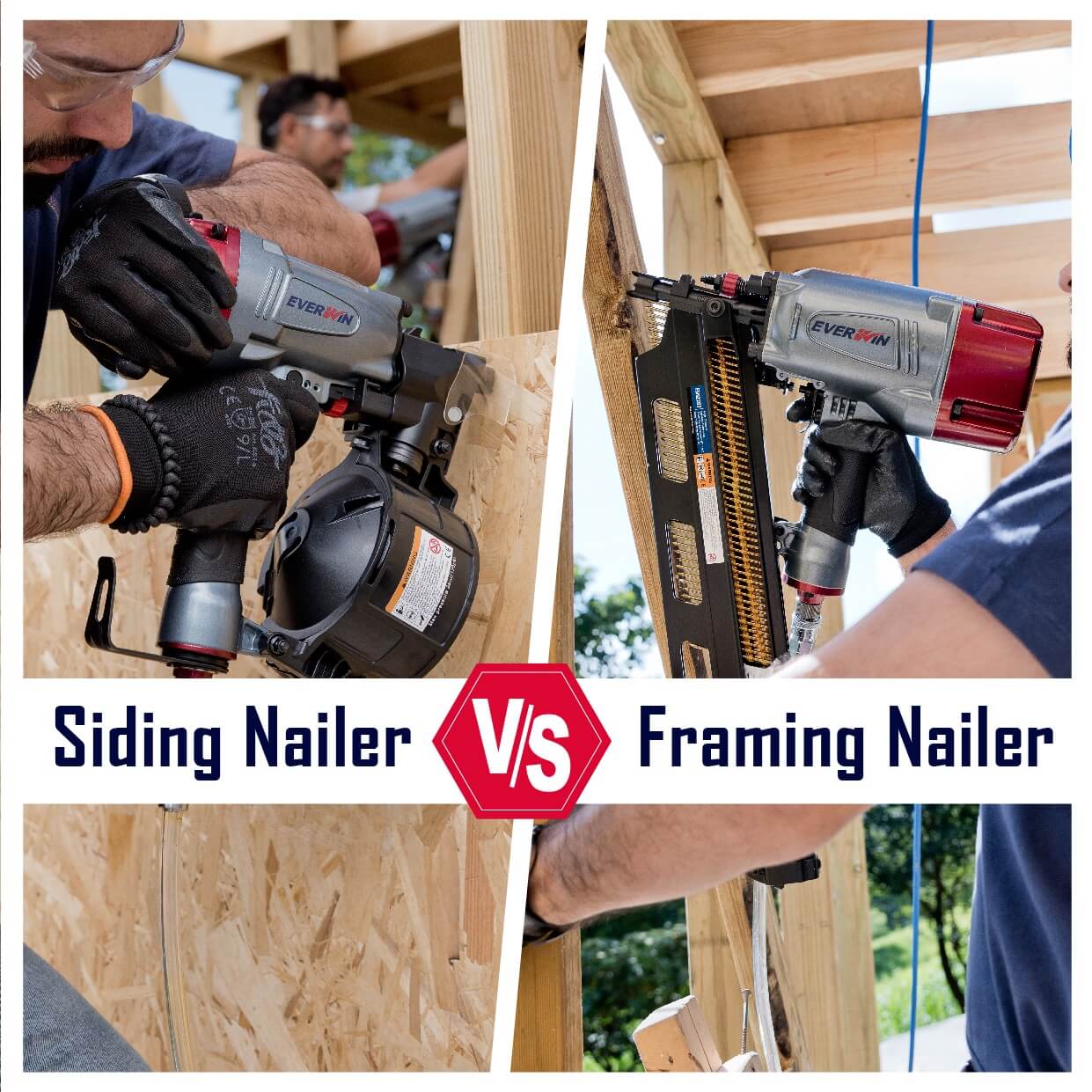
A framing nail gun is a heavy-duty power tool designed for big construction projects. It uses large nails (usually 2 to 3½ inches long) to join thick pieces of wood. Builders use it for tasks like building walls, decks, fences, and large wooden frames. Because the nails are strong and thick, they hold heavy materials together and create a solid structure.
Most framing nailers use collated nails—nails held together in strips—so you can fire many nails quickly. There are two main types: pneumatic (powered by air) and cordless (battery or fuel-powered). Pneumatic nailers are common on construction sites because they’re reliable and powerful.
When To Use A Framing Nail Gun
You should use a framing nail gun when you need to:
- Build a house frame or wall studs
- Construct decks, fences, or sheds
- Attach thick plywood or subflooring
- Work with large lumber, such as 2x4s and 2x6s
These jobs need deep, strong nails to hold everything together under stress.
What Is A Finishing Nail Gun?
A finishing nail gun is made for detail work. It uses much smaller nails (usually 15 or 16 gauge) that are about 1 to 2½ inches long. These nails hold trim, molding, and other delicate wood pieces in place without leaving large holes. This is important for projects where the final look matters.
Finishing nailers are lighter and easier to handle than framing nailers. They let you work in tight spaces and get a smooth, polished result.
When To Use A Finishing Nail Gun
Use a finishing nail gun for:
- Installing baseboards, crown molding, or window and door trim
- Building cabinets or furniture
- Attaching paneling or wainscoting
- Small woodworking projects where appearance matters
Finishing nails are less likely to split thin wood, and their holes are easy to fill and hide.
Key Differences Between Framing And Finishing Nail Guns
To decide which nail gun is right for you, it’s important to see how they really differ. This comparison will help you avoid mistakes that many beginners make.
| Feature | Framing Nail Gun | Finishing Nail Gun |
|---|---|---|
| Nail Size | 2″ to 3.5″, thick (8-10 gauge) | 1″ to 2.5″, thin (15-16 gauge) |
| Main Uses | Heavy construction, structural work | Trim, molding, detail work |
| Tool Weight | Heavy (often 7-9 lbs) | Lighter (about 4-6 lbs) |
| Hole Size | Large, visible holes | Small, easy to hide holes |
| Power Source | Pneumatic or cordless | Pneumatic or cordless |
Practical Examples: Choosing The Right Nail Gun
Here are some real-world situations to help you see the difference.
- Building a Deck: You need to join thick 2×6 boards. A finishing nail gun wouldn’t drive nails deep or strong enough, and the structure could be unsafe. Use a framing nail gun.
- Installing Baseboards: You want a clean look with no big holes. A framing nailer would split the trim, and the holes would be hard to hide. Use a finishing nail gun.
- Making a Bookshelf: If the main frame is thick wood, start with a framing nail gun. For attaching thin back panels or decorative trim, switch to a finishing nail gun.
Many pros own both types of nailers and switch between them for different stages of a project.
How Do Framing And Finishing Nails Differ?
The nails themselves are very different. Here’s a closer look:
| Nail Type | Diameter | Length Range | Typical Application |
|---|---|---|---|
| Framing Nails | 0.113″ – 0.148″ (8–10 gauge) | 2″ – 3.5″ | Studs, joists, exterior walls |
| Finishing Nails | 0.062″ – 0.072″ (15–16 gauge) | 1″ – 2.5″ | Trim, molding, cabinetry |
Non-obvious Insight: Using the wrong nail can cause problems you don’t see right away. For example, using a framing nail in trim can cause the wood to split weeks later, or leave holes that are hard to cover with paint.
Power Source And Operation
Both framing and finishing nail guns come in pneumatic and cordless models. Pneumatic nailers need an air compressor, while cordless ones use batteries or gas cartridges. Pneumatic nailers are lighter and can run all day, but they need hoses and a compressor. Cordless nailers give more freedom, but their batteries need charging.
Practical Tip: For big projects where speed matters, pneumatic tools are usually better. For small jobs or work in tight spots, cordless nailers are more convenient.
Nail Gun Safety: What You Need To Know
Both types of nail guns can be dangerous if not used carefully. According to the CDC, nail gun injuries send thousands of people to the emergency room every year, with framing nailers causing more severe injuries due to their power.
Here are a few safety rules:
- Always wear eye protection.
- Keep your hands away from the nail tip.
- Never bypass safety triggers.
- Unplug or remove the battery before loading nails or clearing jams.
- Hold the tool firmly and never point it at anyone.
Using the right tool for the job also reduces accidents. For example, a framing nail gun is too powerful for delicate work and can slip or kick back.
Cost Considerations
Buying both a framing and finishing nail gun can be expensive. Prices depend on brand, power source, and features.
| Type | Entry-Level Price | Pro-Level Price |
|---|---|---|
| Framing Nail Gun | $120 – $200 | $250 – $400+ |
| Finishing Nail Gun | $70 – $130 | $180 – $300+ |
Non-obvious Insight: If you’re on a tight budget and only do small woodworking or DIY projects, you can often rent a framing nail gun for a day or two instead of buying one. This saves money and storage space.
Common Mistakes To Avoid
Many beginners make the following errors:
- Using a framing nail gun for trim: This cracks and ruins the finish.
- Trying to frame with a finishing nailer: The structure won’t hold up and can be dangerous.
- Buying a combo kit without knowing the difference: Some kits sell both nailers together, but if you only do one type of work, you may waste money.
- Not matching nails to the gun: Always use the right gauge and length for your specific tool.
Confident Guidance: Before starting any project, check what type of nail gun and nails you really need. Read the manufacturer’s instructions, and if you’re unsure, ask a pro or visit a reputable hardware store.
Framing Nail Gun: Pros And Cons
Let’s break down the main advantages and disadvantages.
Pros:
- Fast for large projects
- Strong holding power
- Handles thick wood and heavy materials
Cons:
- Heavy and tiring to use for long periods
- Leaves large holes
- Not suitable for detail or finish work
Finishing Nail Gun: Pros And Cons
Now for the finishing nail gun:
Pros:
- Perfect for detail work and trim
- Lightweight and easy to control
- Leaves tiny holes that are easy to hide
Cons:
- Not strong enough for framing or heavy lumber
- Nails may not hold under stress
- Limited use for big construction jobs
Can You Use One Nail Gun For All Jobs?
The short answer is no. While it can be tempting to try, each tool is designed for a specific purpose. For example, if you use a finishing nailer for framing, your structure might collapse. If you use a framing nailer on trim, you’ll ruin the finish.
Some DIYers buy a brad nailer (uses even smaller nails than a finishing nailer) for very delicate work. But brad nailers are not a substitute for a framing or finishing nail gun.
Buying Tips: How To Choose The Right Nail Gun
- Project Type: Think about the projects you do most. Home builders need a framing nail gun. Cabinet makers need a finishing nail gun.
- Frequency of Use: For one-time jobs, renting is often best.
- Power Source: Pneumatic is great for large jobs, cordless for mobility.
- Brand Reliability: Stick to trusted brands like DeWalt, Makita, or Hitachi for durability.
- Features: Look for features like jam clearing, depth adjustment, and a comfortable grip.
Pro Tip: Try the tool in store if possible. Weight and balance can make a big difference, especially if you have smaller hands or need to work overhead.
Environmental Impact
Most nail guns are built to last, but using air compressors (for pneumatic guns) increases electricity use. Cordless models use batteries, which eventually need recycling. Choose quality tools that last many years to reduce waste.
To learn more about safe power tool use, visit the OSHA Power Tools Safety page.

Final Thoughts
Understanding the differences between framing and finishing nail guns helps you get better results, save money, and stay safe. Each tool has its place. Using the right one can make your work easier, faster, and more professional looking. Remember, there’s no single “do-it-all” nail gun.
Choose wisely, and your projects will look great and last for years.
Frequently Asked Questions
What Size Nails Do Framing And Finishing Nail Guns Use?
Framing nail guns use large nails, usually 2 to 3½ inches long (8–10 gauge). Finishing nail guns use smaller nails, about 1 to 2½ inches (15–16 gauge).
Can I Use A Finishing Nail Gun For Framing?
No. Finishing nail guns do not provide enough holding power for structural work. This can lead to unsafe or weak structures.
Are Pneumatic Or Cordless Nail Guns Better?
Pneumatic nail guns are lighter and good for long jobs but need an air compressor. Cordless nail guns offer more freedom but need battery charging. Choose based on your main work style.
How Do I Fill Nail Holes Left By A Finishing Nail Gun?
Use wood filler or putty to fill the small holes. Let it dry, sand it smooth, and paint or stain over it for a nearly invisible finish.
Is It Safe For Beginners To Use A Framing Nail Gun?
Framing nail guns are powerful and can be dangerous if not used properly. Beginners should read the manual, wear safety gear, and practice on scrap wood before starting a real project.
As an Amazon Associate, We earn from qualifying purchases