
Choosing the right circular saw can feel confusing, especially when you see terms like amp and volt everywhere. Many buyers wonder, “Should I get a higher amp saw? Or is voltage more important?” Understanding the difference between these two can help you pick the best tool for your work, save money, and avoid frustration. This guide explains what amps and volts mean in circular saws, how they affect performance, and which matters most for your needs.
What Is An Amp In Circular Saws?
When you look at corded circular saws, you’ll often see numbers like 13-amp or 15-amp on the box. An amp (short for ampere) measures the amount of electrical current the saw’s motor draws from the wall outlet. In simple terms, more amps mean the tool can handle heavier work and is less likely to overheat under a heavy load.
For example, a 10-amp saw might be fine for occasional use on thin plywood. But if you plan to cut thick hardwood or use the saw all day, a 15-amp model will work better and last longer.
Quick insight: Amps tell you how much power the saw can draw, but not how powerful the saw actually is. It’s only part of the story.
What Is A Volt In Circular Saws?
Volts measure the electrical pressure that pushes current through the saw. For circular saws, you’ll see volts mentioned most often with cordless models. Common volt ratings are 18V, 20V, or sometimes 36V.
Higher volts usually mean the saw can deliver more power and run longer before slowing down. However, the real-world power you feel also depends on the battery quality and the motor’s efficiency.
Non-obvious tip: “20V Max” and “18V Nominal” batteries are often the same thing—manufacturers use different labels for marketing. Always check the actual voltage delivered during use.
Amp Vs Volt: How They Affect Circular Saw Performance
It’s easy to assume that higher amps or volts always mean a better saw. The truth is more complex. Let’s break down how each affects your circular saw:
- Amps (corded saws): Show how much current the tool can handle.
- Volts (cordless saws): Indicate battery power potential.
But watts (power = amps x volts) give a better idea of the tool’s true cutting ability. Most saws don’t list watts, so you have to estimate performance from amps and volts.
Power Output Comparison
Here’s a basic comparison of what typical amp and volt ratings mean for circular saws:
| Saw Type | Typical Amps (Corded) | Typical Volts (Cordless) | Typical Power Output |
|---|---|---|---|
| Entry Level | 10-12A | 12-18V | 800-1200W |
| Standard DIY | 13-15A | 18-20V | 1200-1800W |
| Professional | 15A | 36V | 1800W+ |
Corded Vs Cordless: Where Amps And Volts Matter Most
Understanding corded and cordless saws helps you make sense of amps vs volts.
Corded Circular Saws
- Powered by wall electricity.
- Labeled by amp rating (e.g., 13A, 15A).
- Higher amp saws can cut tougher materials without bogging down.
- No batteries to charge; you get full power all the time.
Common mistake: Choosing a low-amp corded saw for heavy-duty work. It might stall or overheat quickly.
Cordless Circular Saws
- Powered by batteries.
- Labeled by volt rating (e.g., 18V, 20V, 36V).
- Higher volt saws cut better and run longer, but battery quality also matters.
- Great for portability and working far from outlets.
Practical insight: A 20V battery from one brand may not outperform an 18V battery from another if the amp-hour (Ah) rating is low. Always check both voltage and battery capacity.

Real-world Examples: Amp Vs Volt Performance
Let’s look at how amps and volts affect the saw’s use in practice.
- Cutting Thick Lumber
- A 15A corded saw can cut 2x4s and dense wood all day with little slowdown.
- An 18V cordless saw might cut well for a while, but slow down or stop if the battery drains.
- Jobsite Portability
- Cordless 20V or 36V saws are perfect when you have no power outlets.
- Corded saws (even with high amps) need a plug and might limit movement.
- Long Cutting Sessions
- High-amp corded saws can run all day without overheating.
- Cordless saws depend on battery life; you may need extra batteries for long jobs.
- Precision Work
- Both types can be accurate, but cordless saws might feel lighter and easier to maneuver.
Key takeaway: For heavy, constant cutting, amps (corded) are most important. For flexibility and outdoor work, volts (cordless) matter more.
How To Choose: What Really Matters For Your Circular Saw
Picking between amp and volt ratings depends on your needs. Here’s how to decide:
For Home Diy And Occasional Projects
- Corded Saws: Look for at least 13-amp models. They offer enough power for most tasks.
- Cordless Saws: An 18V model is usually enough for small jobs and repairs.
For Professional Or Heavy-duty Use
- Corded Saws: Go for a 15-amp model. It will handle tough cuts, thick wood, and long sessions.
- Cordless Saws: Choose at least 20V or higher. Check the battery’s amp-hour rating (more Ah = longer run time).
For Jobsite Flexibility
- Cordless models are best. Choose high volts and large battery packs.
- Keep spare batteries charged and ready.
For Maximum Power
- Corded saws with high amp ratings still win for continuous, high-power cutting.
For Tight Budgets
- Corded saws offer more power for less money, but you’ll need an outlet.
Expert tip: Don’t focus only on amps or volts. Check blade size, weight, safety features, and user reviews for a complete picture.
Comparing Popular Circular Saw Models
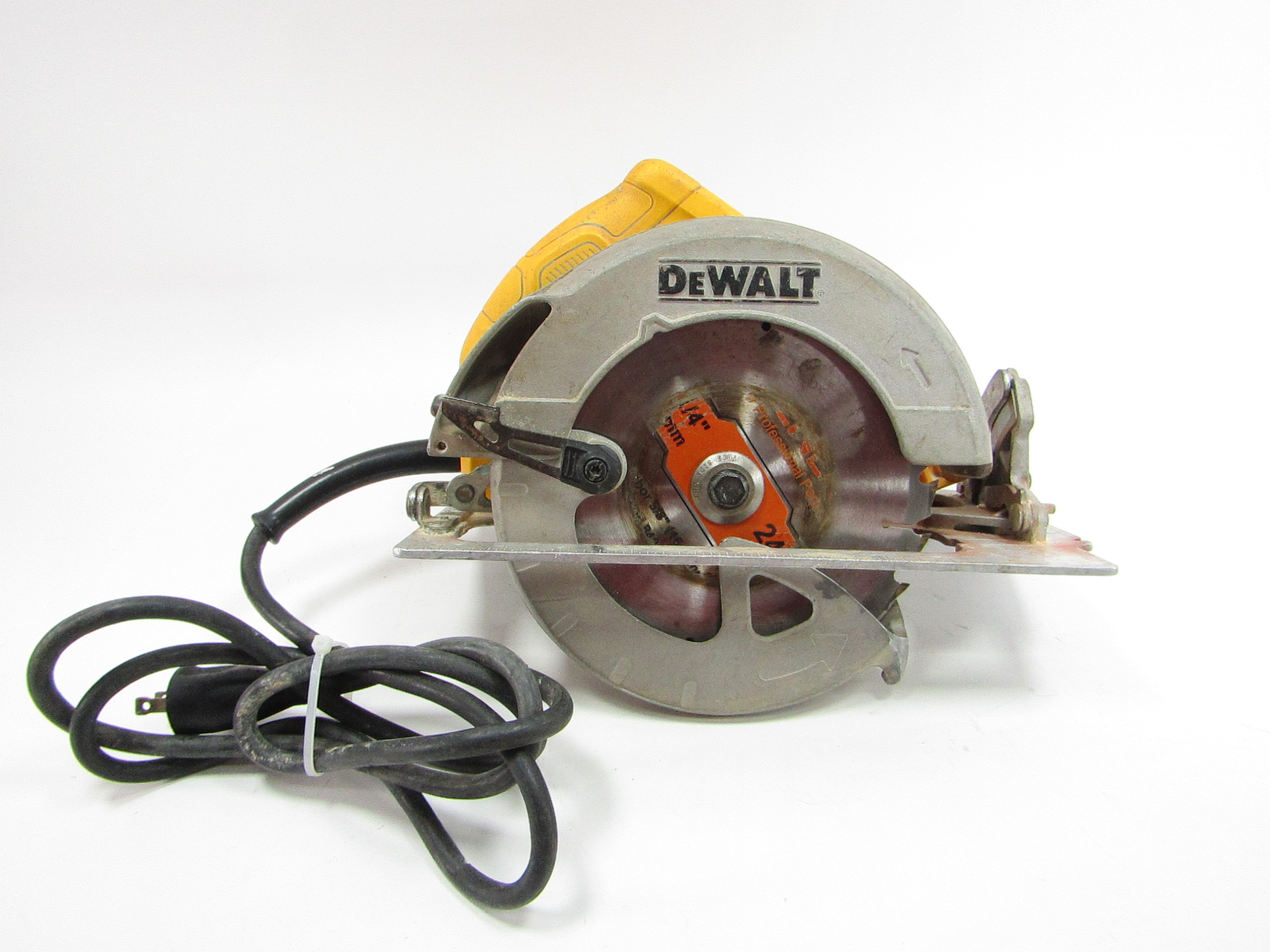
To make things clearer, here’s a comparison of real circular saw models by amp/volt rating and what jobs they handle best.
| Model | Type | Amps / Volts | Best For | Notes |
|---|---|---|---|---|
| DEWALT DWE575SB | Corded | 15A | Pro & DIY | Light, powerful, reliable |
| Makita 5007MG | Corded | 15A | Pro Construction | Strong magnesium build |
| Milwaukee M18 | Cordless | 18V | DIY & Jobsite | Good battery life, solid cuts |
| DEWALT DCS391B | Cordless | 20V | DIY & Light Pro | Fast, easy to handle |
| BOSCH GKS18V-25GCB14 | Cordless | 18V | Pro, Heavy Duty | Excellent power for cordless |
Other Important Factors Besides Amp And Volt
Focusing only on amps or volts can cause you to miss other key features. Here are factors that also matter:
- Blade Size: Most common is 7-1/4 inch—good for most jobs.
- Cutting Depth: Deeper cuts mean more flexibility.
- Weight: Lighter saws are easier to use for long periods.
- Ergonomics: Comfortable grip and balance reduce fatigue.
- Safety Features: Electric brake, blade guard, and easy-to-reach switches.
- Brand Reliability: Some brands offer better warranties and support.
Common mistake: Buying a saw with high amps/volts but poor blade quality or uncomfortable grip. Always check the whole tool, not just the numbers.
Common Myths About Amps And Volts
Many new buyers believe some myths about saw power:
- More amps always mean more power: Not true. Motor efficiency and build quality also matter.
- A 20V saw is always better than 18V: The real difference is often small, and battery quality is more important.
- Cordless saws are always weaker: Modern cordless saws with good batteries can match corded models for many jobs.
Practical Tips For Buying A Circular Saw
- Match the tool to your main tasks: Don’t overpay for power you don’t need.
- Try before you buy: If possible, hold the saw in-store to test weight and grip.
- Check battery options: For cordless, see if batteries are included or sold separately.
- Read real user reviews: They highlight problems and strengths the specs can’t show.
- Watch out for marketing tricks: “Max” voltage often sounds higher but may not mean more real power.
If you want to learn more about how power ratings work in tools, check out Wikipedia’s page on electric motors.
Amp Vs Volt: Which Is More Important For You?
The answer depends on your situation:
- If you want maximum cutting power and don’t need to move around, choose a high-amp corded saw.
- If you value portability and cordless freedom, choose a high-volt cordless saw with strong batteries.
Remember, a balanced tool with the right blade, comfortable grip, and good safety features will always beat a tool with just higher numbers.
Frequently Asked Questions
What Does “amp” Mean In A Circular Saw?
Amp stands for ampere, which measures the amount of electric current the saw’s motor can safely use. Higher amps usually mean the saw can handle tougher jobs without overheating.
What Does “volt” Mean In A Circular Saw?
Volt measures the electrical force that powers the saw, mostly used for cordless saws. Higher volts can mean more cutting strength and longer run time, but battery quality also matters.
Is A 15-amp Saw Better Than A 10-amp Saw?
Yes, for most heavy-duty work, a 15-amp saw will cut faster, handle thick wood, and last longer without stalling compared to a 10-amp model.
Can An 18v Cordless Saw Cut As Well As A Corded Saw?
For light to medium tasks, a quality 18V cordless saw can match a corded saw. For very heavy or continuous use, a 15-amp corded saw still has the edge.
What Should I Look For Besides Amps And Volts?
Check for blade size, cutting depth, tool weight, comfort, and safety features. Good reviews and strong batteries are also important for cordless models.
Choosing the right circular saw means looking at more than just the amp or volt rating. Consider your main needs, the type of work, and the features that matter most to you. This way, you get a tool that fits your projects, budget, and skills—making your work smoother and more enjoyable.
As an Amazon Associate, We earn from qualifying purchases