
Bow Saw Vs Hacksaw: Which One Should You Use?
When you walk into a hardware store, the rows of tools can feel overwhelming. Two saws that look similar but do very different jobs are the bow saw and the hacksaw. Many people confuse them, but choosing the right saw can save you time, effort, and even prevent damage to your project. Whether you are cutting firewood, fixing pipes, or doing DIY projects at home, understanding the difference is important. This guide explains everything you need to know about bow saws and hacksaws, their uses, how they compare, and which one is best for each task.
What Is A Bow Saw?
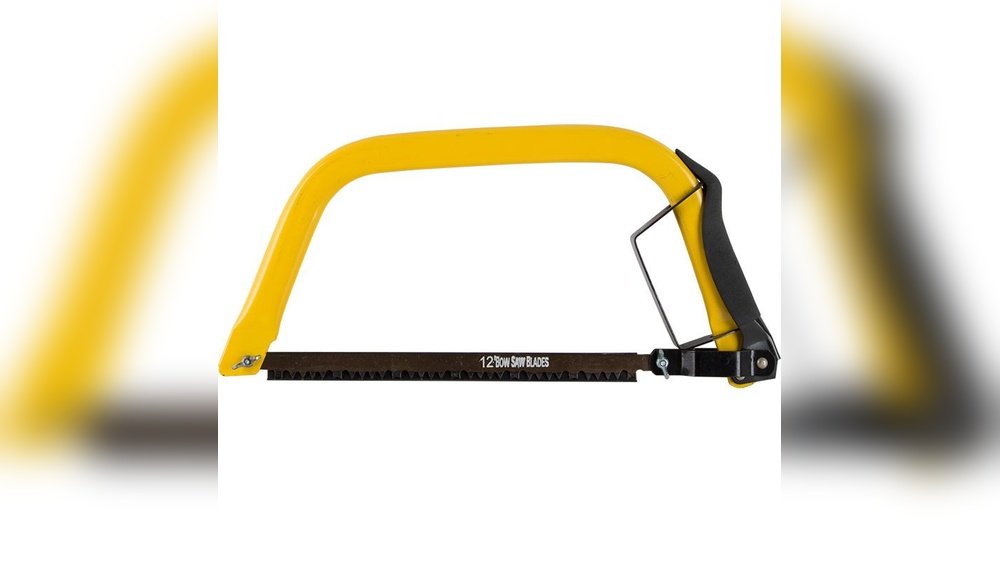
A bow saw is a hand saw shaped like an archery bow. It has a metal frame with a long, thin blade stretched between the ends. The blade has large, sharp teeth that are designed to cut wood quickly. You often see bow saws used for gardening, camping, or cutting firewood.
Typical uses:
- Cutting branches and logs
- Trimming trees and shrubs
- Rough cutting wood for outdoor projects
Key features:
- Lightweight metal frame
- Replaceable blade
- Large, aggressive teeth
Bow saws come in different sizes, usually from 12 inches to 36 inches. The longer the blade, the bigger the branches it can cut.
What Is A Hacksaw?
A hacksaw is a small saw with a fine-toothed blade held inside a C-shaped frame. Unlike the bow saw, the hacksaw is built for cutting through metal and plastic, not wood. The blade is thin, flexible, and can be replaced when it becomes dull.
Typical uses:
- Cutting metal pipes and rods
- Slicing through plastic or PVC
- Home repairs involving metal
Key features:
- Rigid or adjustable frame
- Thin, fine-toothed blade
- Usually 10 to 12 inches long
The hacksaw’s teeth are much smaller and closer together than those on a bow saw. This lets it make clean, precise cuts on hard materials.
Design And Build: How They Differ
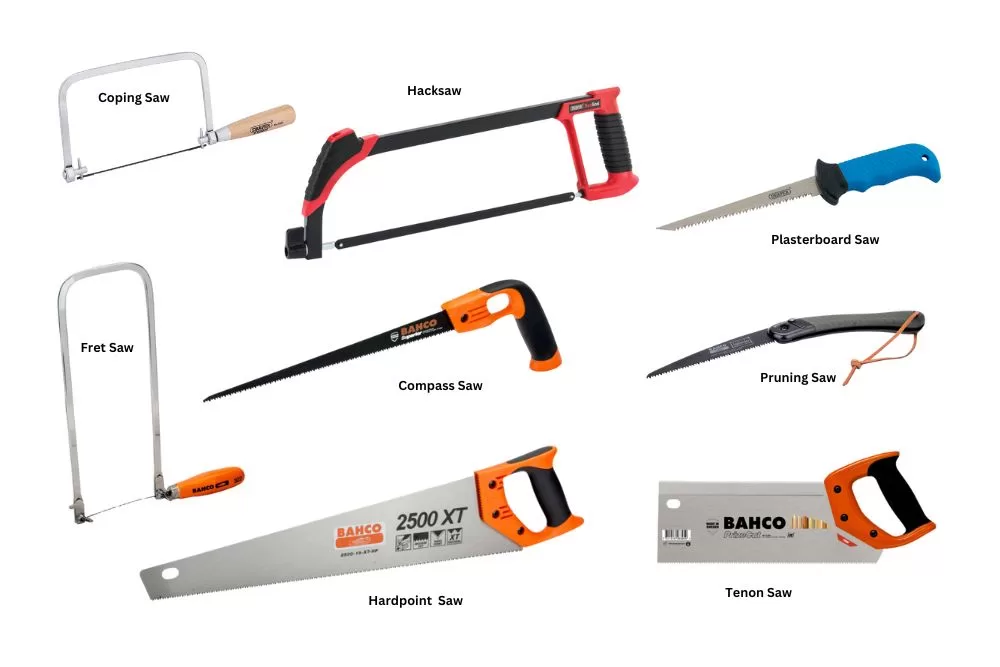
Let’s break down the main design differences between the two saws.
| Feature | Bow Saw | Hacksaw |
|---|---|---|
| Frame Shape | Bow (arched) | C-shaped |
| Blade Type | Wide, coarse teeth | Thin, fine teeth |
| Blade Length | 12–36 inches | 10–12 inches |
| Common Materials Cut | Wood, green wood | Metal, plastic |
| Frame Material | Steel or aluminum | Steel or aluminum |
| Blade Tension Adjustment | Yes | Yes |
The bow saw’s large frame and teeth mean it excels at fast, rough cuts in wood. The hacksaw’s smaller size and finer teeth make it perfect for metal and more delicate work.
Cutting Performance Compared
It’s important to match the saw to the material. Using the wrong saw can ruin your blade, damage your work, or even cause injury.
Wood Cutting
A bow saw is designed for wood. Its wide blade and large teeth clear sawdust quickly and cut on both the push and pull stroke. This means you can cut through thick branches and logs with less effort.
A hacksaw will struggle with wood. The fine teeth clog up, making it slow and frustrating. You’ll wear out the blade quickly and get a poor cut.
Metal And Plastic Cutting
The hacksaw’s fine teeth are made to cut hard materials like steel, copper, or plastic pipes. You get a smooth, straight cut with control.
A bow saw cannot cut metal well. The large teeth will just slide over the surface, and you risk bending or breaking the blade.
Speed And Control
Bow saws are fast for big, rough cuts. They’re not good for fine details or precision.
Hacksaws are slower, but you get much more control. This makes them ideal for careful, measured cuts.
Typical Use Cases
Here are some common projects and which saw you should pick:
- Cutting firewood or tree branches: Use a bow saw. It’s fast and handles thick wood easily.
- Cutting metal pipe for plumbing: Use a hacksaw. The fine teeth cut cleanly through metal.
- Making garden furniture from logs: Bow saw is best for rough cuts. Use a hacksaw only if you need to cut metal parts.
- Trimming PVC pipes: Hacksaw blades are made for plastic as well as metal.
- DIY crafts with wood: Start with a bow saw for rough shape, then switch to a smaller saw for detail.
Pros And Cons: Bow Saw
Advantages
- Cuts wood quickly: Ideal for large branches or logs.
- Lightweight: Easy to carry for outdoor tasks.
- Affordable: Replacement blades are cheap and widely available.
- Simple design: Few moving parts, so less can go wrong.
Disadvantages
- Not for metal or plastic: Will not work on hard materials.
- Rough cuts: Not suitable for fine or precise work.
- Large frame: Can be awkward in tight spaces.
Pros And Cons: Hacksaw
Advantages
- Cuts metal and plastic: Perfect for pipes, rods, and bolts.
- Precision: Makes straight, controlled cuts.
- Compact: Fits into toolboxes, easy to use in small spaces.
- Versatile: Blade can be swapped for different materials.
Disadvantages
- Slow on wood: Not suitable for large or thick wood.
- Small cutting area: Limited by short blade.
- Can break blades: Thin blades can snap if forced.
Blade Types And Replacement
Both saws use replaceable blades, but the types are different.
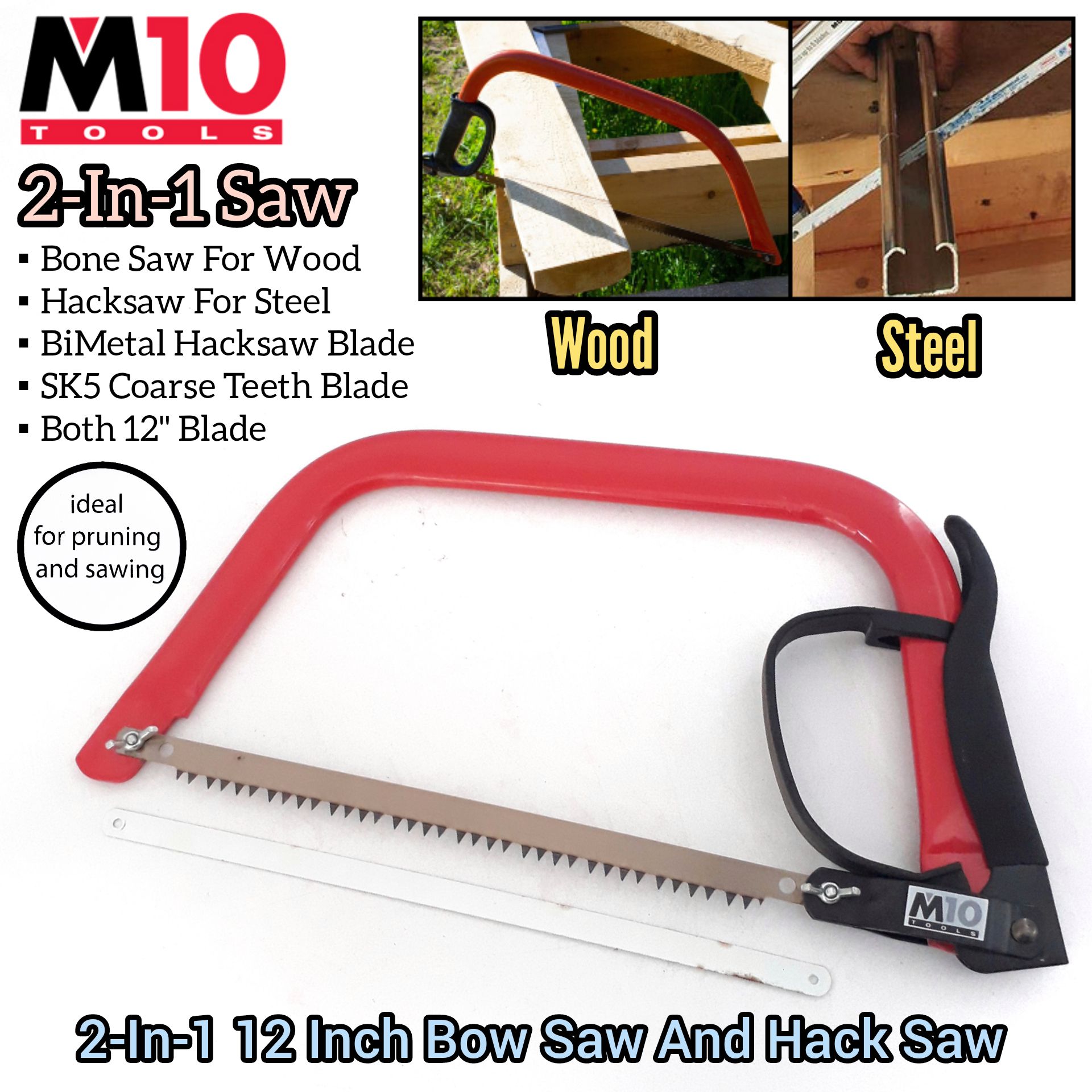
- Bow saw blades come in coarse (for dry wood) or raker-tooth (for green wood).
- Hacksaw blades come in different teeth per inch (TPI). More TPI means smoother cuts for thin metal, fewer TPI for thicker metal.
Changing blades is usually simple and takes less than a minute. Always use the right blade for your material to avoid accidents.
Cost And Availability
You can find both saws in most hardware stores and online. Prices vary by brand, size, and quality.
| Saw Type | Price Range (USD) | Blade Replacement Cost |
|---|---|---|
| Bow Saw | $10–$40 | $3–$10 |
| Hacksaw | $8–$30 | $2–$8 |
Hacksaw blades are slightly cheaper, but you may need to replace them more often if cutting tough materials.
Safety Tips
Both saws are sharp and can cause injury. Keep these tips in mind:
- Wear gloves and eye protection.
- Secure the material you are cutting.
- Use slow, steady strokes. Forcing the blade can cause it to slip or break.
- Check the blade tension before starting. Loose blades can bend or snap.
- Store saws safely out of reach of children.
A common mistake is using the wrong saw for the job, leading to blade damage or even accidents. Always choose the right tool for your material.
Maintenance And Care
Taking care of your saw extends its life and keeps cuts smooth.
- Clean the blade after use. Wipe off sap, dirt, or metal shavings.
- Oil moving parts (especially on bow saws) to prevent rust.
- Check blade sharpness. Replace dull blades right away.
- Store in a dry place to avoid rust.
A little maintenance goes a long way. Many beginners forget to check blade tension before cutting, which can make the saw slip or cut poorly.
How To Choose: Bow Saw Or Hacksaw?
To pick the right saw, ask yourself these questions:
- What material am I cutting? Wood = bow saw. Metal/plastic = hacksaw.
- Do I need speed or precision? Bow saws are fast for wood, hacksaws are slower but more accurate.
- How often will I use it? If you only cut wood, a bow saw is enough. For metalwork, get a hacksaw.
- Do I need to carry it far? Bow saws are bulkier, hacksaws fit better in toolboxes.
If you do a lot of home improvement, you may eventually need both. For most people, start with the saw that fits your main project.
Real-world Examples
Here are two common situations:
- A homeowner clearing a fallen branch: A bow saw will finish the job in minutes. A hacksaw would take an hour and ruin the blade.
- A plumber cutting pipes under a sink: The hacksaw slides into tight spots and cuts metal pipes smoothly. A bow saw won’t fit and can’t cut metal.
Another insight: If you are working with both wood and metal in the same project (like building a garden bench with metal screws and wooden planks), having both saws will save you frustration.
Environmental Impact
Both saws are manual, so they use human power instead of electricity. This makes them eco-friendly and ideal for off-grid or remote work. They are also less noisy and safer for people who want to avoid power tools.
The blades are usually made of steel, and most can be recycled when worn out. Avoid throwing dull blades in the trash. Check with your local recycling center for proper disposal.
Common Beginner Mistakes
- Using a hacksaw on thick wood: The blade will clog and break.
- Using a bow saw on metal: The saw will slip and could cause injury.
- Not tightening the blade enough: This leads to crooked cuts and more effort.
- Forgetting safety gear: Small metal shavings or wood chips can cause eye injury.
Many people also forget to match the blade to the material. For example, using a fine-tooth hacksaw blade on thick steel will wear it out quickly. Always check the blade type and teeth per inch before cutting.
Summary Table: Bow Saw Vs Hacksaw
To help you choose quickly, here’s a side-by-side summary:
| Bow Saw | Hacksaw | |
|---|---|---|
| Best for | Wood (branches, logs) | Metal, plastic (pipes, rods) |
| Speed | Fast (rough cuts) | Slow (precise cuts) |
| Blade type | Coarse teeth | Fine teeth |
| Portability | Larger, bulkier | Compact, lightweight |
| Common mistake | Trying to cut metal | Trying to cut thick wood |
When To Own Both
If you work on a variety of projects—woodworking, plumbing, home repairs—it makes sense to have both a bow saw and a hacksaw in your toolbox. Each does a job that the other cannot, and together they cover most hand cutting needs around the home and garden.
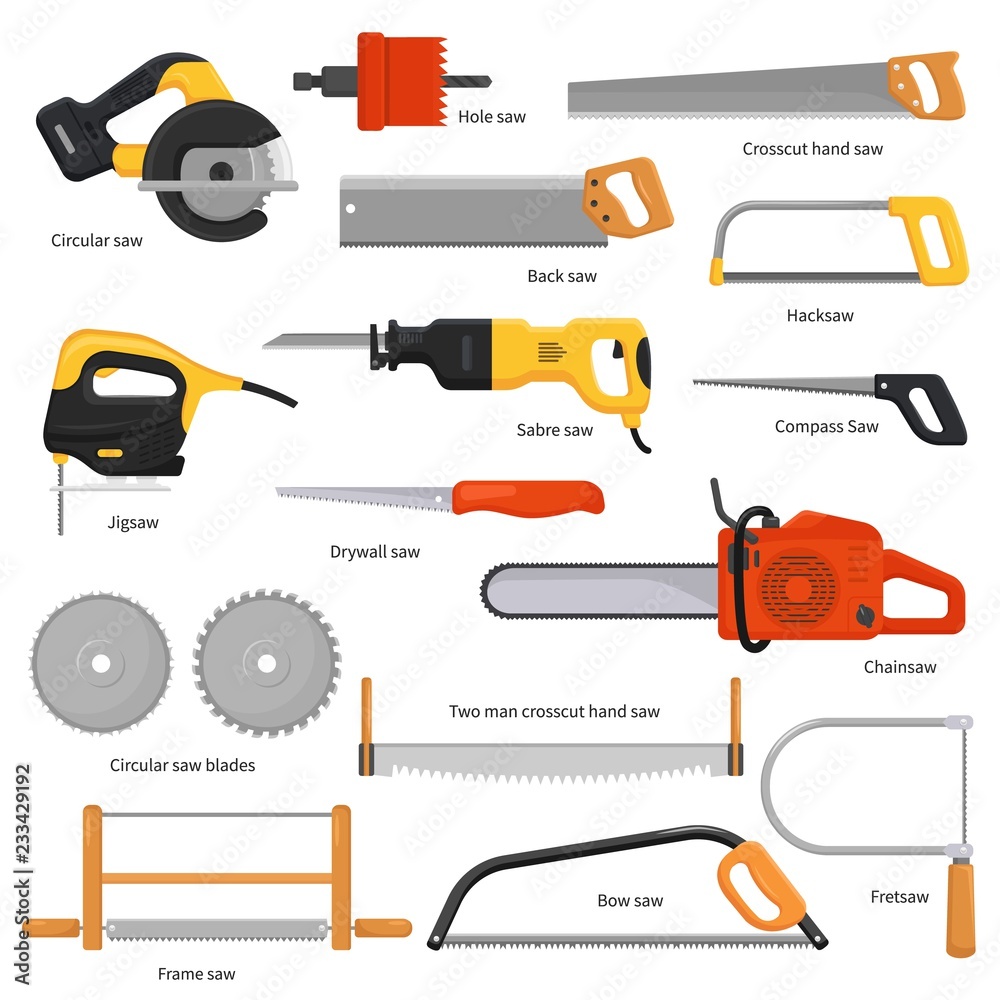
For more details about different types of saws, you can check out this resource: Wikipedia: Saw.
Frequently Asked Questions
What Is The Main Difference Between A Bow Saw And A Hacksaw?
The bow saw is designed for cutting wood, especially branches and logs, with its large, coarse teeth. The hacksaw is made for cutting metal and plastic, using a thin, fine-toothed blade.
Can You Use A Hacksaw To Cut Wood?
You can, but it’s not efficient. The hacksaw’s fine teeth will clog and cut slowly in wood. It’s better to use a bow saw or a saw made for wood.
Are Bow Saw Blades And Hacksaw Blades Interchangeable?
No. Bow saw blades are much wider and have different teeth. Hacksaw blades are thin and fit only hacksaw frames. Always use the right blade for your saw.
How Do You Know When To Replace The Blade?
Replace the blade when it becomes hard to cut, if the teeth are dull or missing, or if the blade is bent. For hacksaws, replace the blade if it snaps or gets rusty.
Which Saw Is Better For Beginners?
If you mostly cut wood, start with a bow saw. For metal and plastic work, a hacksaw is better. Both are easy to use with a little practice.
With the right tool, you’ll get better results, save time, and work more safely. Remember: always match the saw to your material for the best performance.
As an Amazon Associate, We earn from qualifying purchases