
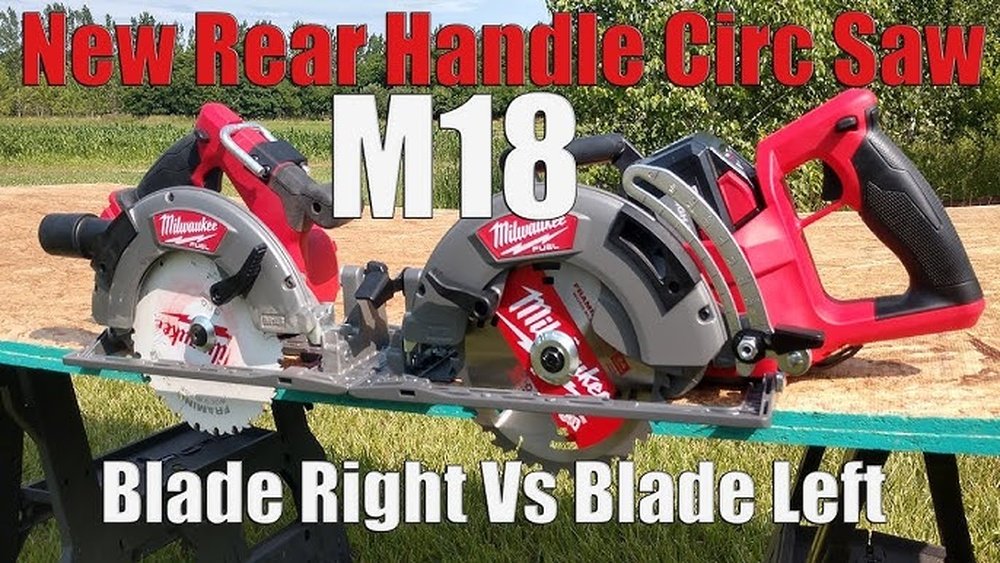
Choosing the right circular saw can make a huge difference in your woodworking or construction projects. If you’ve searched for a new saw, you’ve likely seen two common types: rear handle circular saws and regular (sidewinder) circular saws. Both look similar but perform quite differently. Picking the right one depends on your needs, project type, and even your own comfort. Let’s break down the differences, uses, pros, and cons so you can make a smart choice.
What Is A Rear Handle Circular Saw?
A rear handle circular saw is easy to spot. The motor and the handle are both placed at the back of the saw. This design is often called a “worm drive” style. The motor’s position changes the balance and feel of the tool. Rear handle saws have a long, narrow body. Their unique gear system delivers more torque, which means more power for tough cuts.
Professionals use these saws for heavy framing, cutting thick lumber, and when they need straight, long cuts. They are common on construction sites, especially in the West Coast of the United States.
What Is A Regular Circular Saw?
A regular circular saw is also known as a sidewinder. The motor sits next to the blade, not behind it. This makes the saw lighter and more compact. Sidewinders are often used for general-purpose woodcutting, home repairs, and DIY projects. They are easy to carry, quick to start, and less tiring to use for long periods.
Key Differences Between Rear Handle And Regular Circular Saws
Understanding the main differences helps you choose the right tool. Here’s a quick comparison:
| Feature | Rear Handle (Worm Drive) | Regular (Sidewinder) |
|---|---|---|
| Motor Position | Behind the blade | Beside the blade |
| Weight | Heavier (usually 12-16 lbs) | Lighter (usually 8-10 lbs) |
| Torque | High | Moderate |
| Blade Speed (RPM) | Lower (4,000-4,500) | Higher (5,000-6,000) |
| Best For | Framing, long straight cuts | General woodcutting, DIY |
| Cutting Line Visibility | Left side clear for right-handed users | Right side clear for right-handed users |
How The Design Affects Performance
The rear handle saw uses a worm gear, which changes the direction of power and increases torque. This means it can cut through thick wood, wet lumber, and even concrete with the right blade. The saw moves slower, but the blade is less likely to bog down.
Regular saws have a direct drive. The blade spins faster but with less force. This is enough for most plywood or 2×4 cuts. The lighter weight means less fatigue, but the saw can struggle with dense wood.
Here’s a closer look at performance:
| Task | Rear Handle Saw | Regular Saw |
|---|---|---|
| Crosscutting thick beams | Easy, powerful | Possible, but slower |
| Framing a house | Common choice | Less common |
| Cutting sheet goods | Heavier but possible | Fast and simple |
| Long cutting sessions | More tiring | Less tiring |
| Precision work | Excellent for straight lines | Very good, but less stable |
Pros And Cons Of Rear Handle Circular Saws
Pros
- High torque: Cuts thick or wet wood easily.
- Straight cuts: Long base plate keeps the saw steady.
- Durable: Built for daily, heavy use.
- Clear view: Good cutting line visibility for right-handed users.
Cons
- Heavy: Can cause arm fatigue.
- Expensive: Costs more than regular saws.
- Loud: More noise during use.
- Maintenance: Needs regular oil for gears.
Pros And Cons Of Regular Circular Saws
Pros
- Lightweight: Easy to use for long periods.
- Affordable: Lower price point.
- Faster blade: Good for quick cuts in soft wood.
- Simple maintenance: Fewer moving parts.
Cons
- Lower torque: Can stall in thick wood.
- Shorter cuts: May wander off-line on long cuts.
- Less durable: Not built for heavy daily use.
- Cutting line: May be less clear for left-handed users.

Which Saw Should You Choose?
When deciding between a rear handle circular saw and a regular circular saw, consider these questions:
- What kind of work will you do most? If you cut framing lumber, beams, or do large construction projects, go with a rear handle. For simple repairs or DIY jobs, a regular saw is enough.
- How often will you use the saw? Pros or frequent users will appreciate the power and durability of rear handle saws. Occasional users may prefer the comfort of a lighter tool.
- Do you need portability? Regular saws are easier to carry and store, making them better for quick jobs or small spaces.
- What’s your budget? Rear handle saws cost more but last longer. For one-time or rare use, a sidewinder saves money.
Safety Differences
Both saw types need safety gear and good habits, but there are unique risks.
- Rear handle saws: Their weight and torque can cause kickback, especially if the blade binds. Always grip tightly with both hands.
- Regular saws: Lighter, so they can jump if not held steady. The blade is closer to your body, so keep your body to the side, not behind the saw.
Always use eye protection, ear plugs, and never disable the blade guard.
Common Mistakes When Choosing A Saw
- Choosing by price only: A cheap saw may not last or cut well.
- Ignoring weight: Heavier saws can be exhausting if you’re not used to them.
- Not checking blade size: Most saws use 7-1/4 inch blades, but some are smaller or larger.
- Skipping safety features: Look for electric brakes and blade guards.
- Forgetting maintenance: Worm drive saws need regular oil checks.
Real-world Examples
Construction sites often require rear handle saws because framing lumber is thick and tough. A carpenter cutting rafters or joists all day needs the extra power and straight cutting ability.
Homeowners or hobby woodworkers often choose regular saws. They’re perfect for cutting plywood, making shelves, or building furniture.
Fact: According to the U.S. Bureau of Labor Statistics, about 60% of professional carpenters use a rear handle saw as their main circular saw, while most homeowners prefer regular sidewinders due to cost and weight.

How To Maintain Your Saw
No matter which type you choose, maintenance is key for safety and long life.
- Rear handle saws: Check the oil level every month. Clean the gears and store the saw in a dry place.
- Regular saws: Blow out sawdust after use. Check the blade for chips or warping.
- Both types: Keep the blade sharp. Replace worn blades quickly. Never cut metal with a wood blade.
Price Comparison
Here’s a typical price range for both saw types:
| Saw Type | Entry Level | Mid Range | Pro Grade |
|---|---|---|---|
| Rear Handle | $150-$200 | $250-$350 | $400+ |
| Regular | $60-$100 | $120-$180 | $200-$300 |
Non-obvious Insights
Many beginners do not realize that rear handle saws are often heavier on the left side, making them harder for left-handed users. This affects how easily you follow a cutting line.
Another detail is that blade visibility is different on each saw. For right-handed people, a rear handle saw puts the blade in clear view. For left-handed users, a sidewinder might feel more comfortable.
Popular Brands And Models
When shopping, you’ll see top brands like Makita, DeWalt, Skilsaw, and Bosch. For rear handle saws, the Skilsaw SPT77WML is a classic. For regular saws, the DeWalt DWE575SB is popular for home use.
If you want to see more specs or reviews on different brands, check out Popular Mechanics for expert advice.
Final Thoughts
The choice between a rear handle circular saw and a regular circular saw is not just about power or weight. It’s about how you’ll use the tool, your comfort, and your project needs. Rear handle saws dominate on construction sites for a reason—they’re tough, powerful, and reliable for framing. Regular sidewinders shine in the home workshop, where lightness and ease matter more.
Try each type if you can before buying. The right saw makes cutting safer, faster, and more enjoyable.
Frequently Asked Questions
What Is A Worm Drive Circular Saw?
A worm drive circular saw is a type of rear handle saw. It uses a special gear system called a worm gear to give the blade more torque. This helps cut thick or tough wood easily.
Which Saw Is Better For Beginners?
A regular (sidewinder) circular saw is better for most beginners. It’s lighter, easier to handle, and costs less. You can use it for most home and DIY projects.
Can I Use The Same Blades On Both Saws?
Most rear handle and regular saws use 7-1/4 inch blades, but always check your saw’s manual. Some blades are made for specific saw types or cutting materials.
Are Cordless Rear Handle Saws Available?
Yes, many brands now make cordless rear handle saws. They use powerful batteries, but are still heavier than regular cordless saws. Make sure the battery life suits your needs.
Why Do Construction Workers Prefer Rear Handle Saws?
Construction workers like rear handle saws because they have more power and last longer. These saws can cut through thick framing wood all day without slowing down. Their design also helps keep cuts straight on big pieces.
If you want to learn more about circular saws and their safety, the Wikipedia Circular Saw page has more details.
As an Amazon Associate, We earn from qualifying purchases