
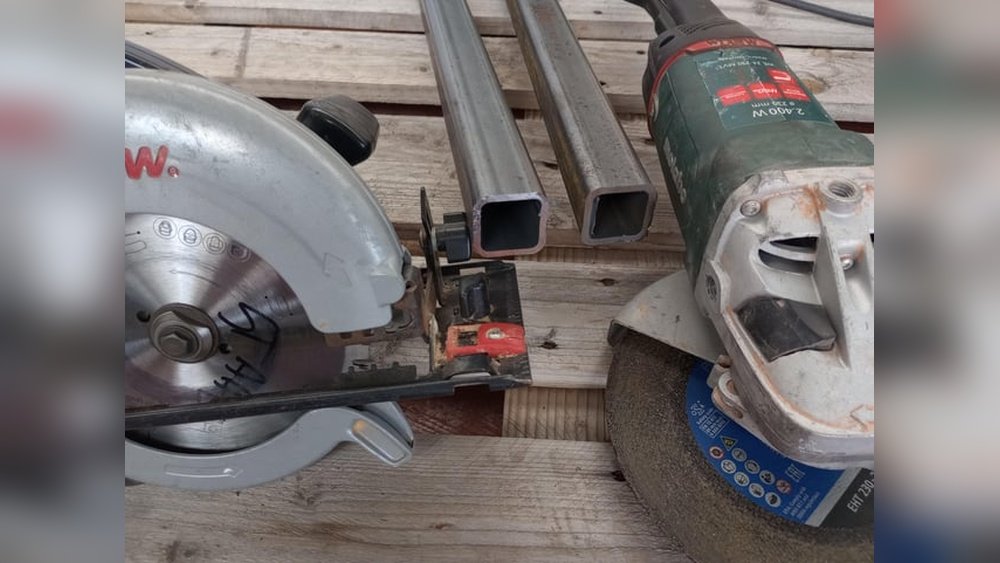
When you need to cut, shape, or grind materials on a job site or at home, the tools you choose can make all the difference. Two of the most popular power tools for these tasks are the circular saw and the angle grinder. At first glance, they might seem similar because they both spin a blade or disc at high speed. But in practice, these tools have unique strengths, weaknesses, and ideal uses. If you’re a beginner, it’s easy to get confused about when to use each tool—or even wonder if you need both.
This guide breaks down everything you need to know about circular saws vs angle grinders. We’ll look at how they work, what they’re best for, their limitations, and how to choose the right one for your projects. You’ll also learn about safety, maintenance, and the hidden differences that often surprise new users. By the end, you’ll feel confident picking the right tool for the job.
What Is A Circular Saw?
A circular saw is a power tool with a round, toothed blade that spins to cut through materials. It’s most commonly used for straight cuts in wood, but with the right blade, it can also cut plastic, metal, and even masonry.
Circular saws come in two main designs:
- Sidewinder (direct drive): The motor sits beside the blade. These are lighter and more common for DIY users.
- Worm drive: The motor is behind the blade, giving more torque and a longer, narrower tool.
Most circular saws are handheld, but there are also table-mounted versions for more controlled cuts.
Typical Uses
- Cutting wood sheets (plywood, MDF)
- Trimming lumber
- Cutting doors or countertops
- With special blades: Cutting metal, plastic, or masonry
Key Features
- Blade size (usually 7-1/4 inch for general use)
- Adjustable depth and angle for bevel cuts
- Electric or battery-powered
What Is An Angle Grinder?
An angle grinder uses a spinning disc to grind, cut, or polish materials. Unlike a circular saw, the disc is mounted at a right angle to the tool body—hence the name. Angle grinders come in various sizes, usually measured by disc diameter (common sizes: 4-1/2″, 5″, 7″).
Angle grinders are incredibly versatile. By swapping out the disc, you can use them to:
- Cut metal, stone, or tile
- Grind welds or rough surfaces
- Polish or sand materials
- Remove rust or paint
Key Features
- Interchangeable discs (cutting, grinding, sanding, wire brush)
- One- or two-handed operation
- Corded or cordless models
- Usually no depth or angle guide—cuts are made freehand

Circular Saw Vs Angle Grinder: How They Work
Understanding how each tool operates helps you see why they excel at different tasks.
| Feature | Circular Saw | Angle Grinder |
|---|---|---|
| Blade/Disc Type | Toothed circular blade | Abrasive or diamond disc |
| Cutting Motion | Guided, straight line | Freehand, flexible |
| Best For | Long, straight cuts | Shaping, grinding, short cuts |
| Material Contact | Blade teeth bite material | Disc wears away material |
A circular saw is designed to guide you in a straight line, making it much easier to keep your cuts accurate and consistent, especially over long distances. An angle grinder offers more freedom and flexibility, but that makes straight, even cuts harder to achieve.
Cutting Performance
When comparing cutting performance, consider the following:
Speed And Efficiency
- Circular saws are much faster for long, straight cuts in wood or sheet material. The large, toothed blade removes material quickly and cleanly.
- Angle grinders are better for short, detailed cuts, especially in metal, stone, or tile. They’re slower for large cuts but can handle tougher materials with the right disc.
Precision
- Circular saws have guides and adjustable plates, making them very precise.
- Angle grinders require a steady hand. They’re not ideal for precision straight lines but work well for rough cuts, curves, or shaping.
Material Flexibility
- Circular saws are optimized for wood but can cut other materials with special blades.
- Angle grinders easily switch between metal, stone, tile, and concrete with different discs.
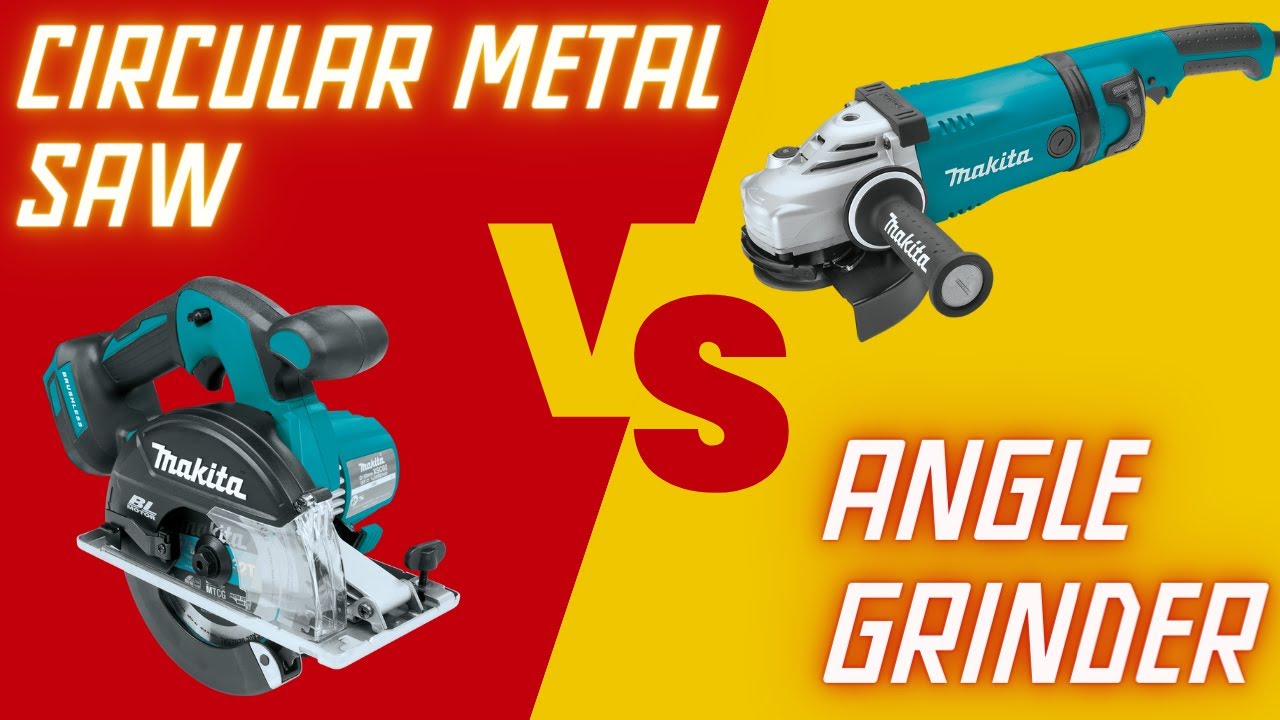
Safety Considerations
Power tools are dangerous if not used correctly. Both tools have specific risks, but angle grinders are generally considered more hazardous, especially for beginners.
| Risk | Circular Saw | Angle Grinder |
|---|---|---|
| Kickback | Possible, but less common if guided properly | High risk, especially if disc binds |
| Blade/Disc Shatter | Rare with quality blades | More common, especially with cheap or damaged discs |
| Debris | Wood chips, less dangerous | Sparks, metal shards, stone dust—can cause injury |
| Noise/Vibration | Loud, but less vibration | Very loud, high vibration |
Key safety tips:
- Always wear eye and ear protection.
- Use the correct blade or disc for your material.
- Never remove safety guards.
- For angle grinders, always check discs for cracks before use.
Non-obvious insight: Many beginners don’t realize that angle grinder discs can explode if used incorrectly or at the wrong speed. Always match the disc rating to your tool’s RPM.
Typical Applications: Which Tool For Which Job?
Choosing between a circular saw and an angle grinder depends on your project.
Best Uses For Circular Saw
- Cutting lumber for construction or furniture.
- Breaking down plywood sheets.
- Making long, straight cuts (“rip cuts” or “crosscuts”).
- Cutting doors, floors, or countertops to size.
- Quick, repeated cuts where precision matters.
Example: Building a bookshelf from plywood is much easier with a circular saw.
Best Uses For Angle Grinder
- Cutting metal pipes, bolts, or rebar.
- Shaping stone, tiles, or concrete.
- Grinding welds or removing rust.
- Cutting curves or making plunge cuts.
- Polishing metal or stone surfaces.
Example: Removing old paint and rust from a metal gate is a classic angle grinder job.
Non-obvious insight: Some people try to cut wood with an angle grinder. While special wood discs exist, they are very dangerous and not recommended for beginners—kickback and disc shatter risks are much higher.
What To Consider When Choosing
If you’re buying your first power tool, ask yourself:
- What materials will I mostly work with?
- Do I need straight, clean cuts or just rough shaping?
- How important is speed and accuracy?
- Will I use the tool for many different tasks?
Key Decision Factors
- Material: For mostly wood, get a circular saw. For metal, stone, or mixed materials, consider an angle grinder.
- Cut type: For straight lines, circular saw. For irregular cuts or grinding, angle grinder.
- Budget: Circular saws are often a bit more expensive, but angle grinders require you to buy different discs for each task.
- Safety: Beginners are usually safer starting with a circular saw.
Pros And Cons: Circular Saw
Advantages
- Fast, straight cuts in wood and sheet material
- High precision with built-in guides
- Depth and angle adjustments for flexible cuts
- Can handle some metal or plastic with the right blade
Drawbacks
- Not good for curves or freehand cuts
- Heavier and larger than most angle grinders
- Limited to thinner materials by blade size
Pros And Cons: Angle Grinder
Advantages
- Extremely versatile—cut, grind, polish, sand
- Works on metal, stone, tile, and even wood (with caution)
- Compact, easy to handle in tight spaces
- Discs are cheap and easy to swap
Drawbacks
- Hard to make straight, accurate cuts
- Higher risk of disc shatter, kickback, and injury
- Creates more sparks, dust, and noise
- No depth or angle control
Real-world Examples
- A contractor uses a circular saw to cut framing lumber for a house because speed and accuracy are key.
- A metalworker uses an angle grinder to cut steel bars and then grind off sharp edges.
- A homeowner might use both: The circular saw for building a deck and the angle grinder to cut metal railing or remove old bolts.
Maintenance And Longevity
Both tools require regular care to stay safe and effective.
Circular Saw Care
- Keep the blade sharp and clean—dull blades cause rough cuts and burn marks.
- Check the safety guard and base plate for damage.
- Lubricate moving parts occasionally.
- Store in a dry place to prevent rust.
Angle Grinder Care
- Inspect discs for cracks before every use.
- Clean out dust and debris from vents.
- Check the spindle lock and safety guard.
- Replace worn brushes in corded models.
Tip: Never use a cracked or unbalanced disc on an angle grinder. This is a common beginner mistake that can lead to serious accidents.
Cost Comparison
Let’s look at typical costs for a basic DIY setup:
| Item | Circular Saw | Angle Grinder |
|---|---|---|
| Tool (basic model) | $50–$120 | $30–$100 |
| Blade/Disc (per piece) | $10–$30 | $2–$15 |
| Total (starter kit) | $70–$150 | $40–$120 |
Note: Angle grinders seem cheaper, but you may need to buy several discs for different materials. Circular saw blades last longer for wood.

Common Beginner Mistakes
- Using the wrong blade or disc. Always match the accessory to the material.
- Trying to force the tool. Let the blade or disc do the work—pushing too hard is dangerous.
- Ignoring safety gear. Eye protection is a must, and hearing protection is strongly advised.
- Removing guards for better visibility. This is a leading cause of accidents.
- Using an angle grinder for large, straight wood cuts. This is slow, messy, and unsafe.
Which Tool Should You Buy First?
If your projects mostly involve wood and you want precise, straight cuts, start with a circular saw. If you need to cut or grind metal, tile, or stone, or want a tool for removing rust and cleaning up welds, start with an angle grinder.
Pro tip: Many professionals own both. They use each for what it does best. But for most DIYers, a circular saw is more useful for home improvement, while an angle grinder is essential for metalwork or masonry.
For more technical details about power tools, see this Wikipedia page.
Frequently Asked Questions
What Can A Circular Saw Do That An Angle Grinder Cannot?
A circular saw excels at making long, straight, accurate cuts in wood and sheet materials. An angle grinder cannot match this precision or speed for these tasks.
Can You Use An Angle Grinder To Cut Wood?
While there are wood-cutting discs for angle grinders, it’s generally not recommended for beginners. The risk of kickback and disc shatter is much higher compared to using a circular saw.
Which Tool Is Safer For Beginners?
A circular saw is usually safer for beginners, especially if you follow the safety instructions. Angle grinders are more prone to kickback, disc shatter, and can throw hot sparks.
Can I Use The Same Blade Or Disc For All Materials?
No. Both tools require specialized blades or discs for different materials. Using the wrong accessory can damage the tool, the material, or cause injury.
Do I Need Both Tools For Home Diy?
You don’t need both to start. Choose a circular saw if you mainly work with wood, or an angle grinder if you often cut or grind metal, tile, or stone. Eventually, having both gives you more flexibility.
Choosing the right tool isn’t just about what you want to cut—it’s about safety, accuracy, and efficiency. By understanding the strengths and weaknesses of both the circular saw and angle grinder, you’re on your way to better, safer DIY projects.
As an Amazon Associate, We earn from qualifying purchases