
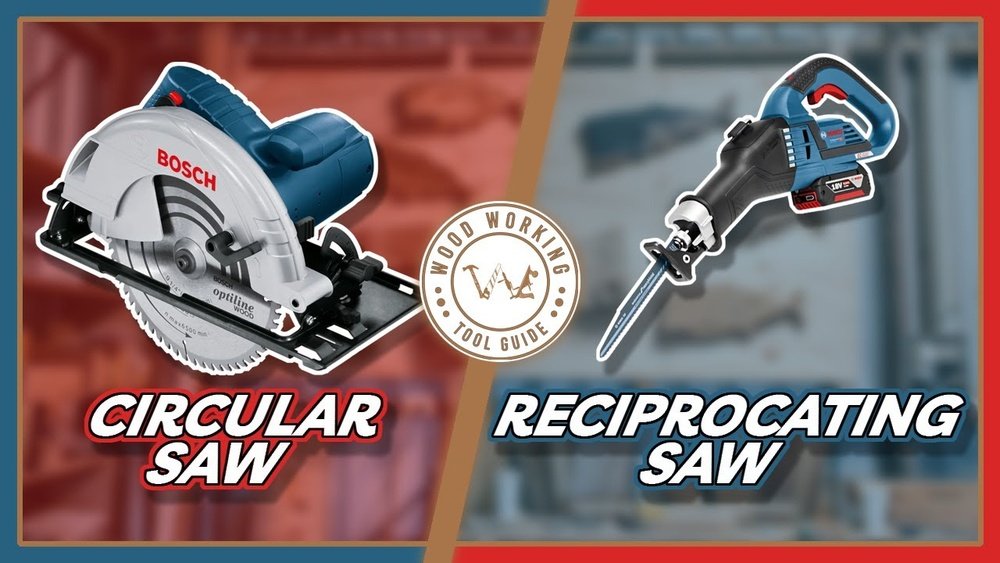
Choosing the right saw can make all the difference in your next DIY project or construction job. Many people compare the reciprocating saw and the circular saw because both are powerful and versatile. However, they are designed for very different tasks. If you are unsure which tool to buy, or when to use each saw, you’re not alone. Understanding their unique strengths, weaknesses, and ideal uses can save you time, money, and frustration. Let’s dive into a side-by-side look at these two popular power tools, exploring how they work, what jobs they handle best, and key factors you should consider before making your choice.
What Is A Reciprocating Saw?
A reciprocating saw is a handheld power tool. It uses a push-and-pull (reciprocating) motion to move a saw blade back and forth. Imagine a handheld jigsaw, but with more power and a straight blade. This saw is often called a “Sawzall,” which is actually a brand name that became popular.
These saws are known for their ability to cut through many materials: wood, metal, plastic, drywall, and even nails. The blade is exposed, so you can easily change it based on the job. Reciprocating saws are commonly used in demolition, remodeling, plumbing, and rescue operations. Their design makes them perfect for rough, fast cuts where precision is less important.
What Is A Circular Saw?
A circular saw is a power tool with a round, spinning blade. The blade rotates at high speed, allowing it to make clean, straight cuts through wood, plastic, and some metals (with the right blade). Circular saws are available in handheld and table-mounted types, but the handheld version is more common for DIY and construction work.
Circular saws excel at making long, straight cuts—often called “rip cuts” or “crosscuts.” They are popular for cutting sheets of plywood, boards, and other building materials. When accuracy and speed are important, especially in carpentry or framing, the circular saw is usually the tool of choice.
Key Differences Between Reciprocating And Circular Saws
To understand which saw suits your needs, it’s helpful to compare them side by side. Here is a quick overview:
| Feature | Reciprocating Saw | Circular Saw |
|---|---|---|
| Blade Motion | Back-and-forth | Rotating |
| Cutting Style | Rough, quick cuts | Straight, precise cuts |
| Material Types | Wood, metal, plastic, drywall, nails | Wood, plywood, plastic, some metals |
| Best For | Demolition, pruning, remodeling | Carpentry, framing, sheet cutting |
| Control | Easy to maneuver, works in tight spaces | Needs more space, stable surface |
| Precision | Low | High |
| Blade Change | Quick, tool-free | Requires tool, more steps |
When To Use A Reciprocating Saw
The reciprocating saw shines in situations where speed and flexibility matter more than perfect accuracy. Here are some common uses:
- Demolition: Tearing down walls, removing old windows, or cutting through pipes is easy with this tool. Its blade can cut through nails, screws, and even embedded metal.
- Plumbing and Electrical Work: Need to cut a pipe in a tight spot? The slim blade fits into small spaces where other saws can’t reach.
- Pruning Trees: Reciprocating saws with a wood blade are excellent for trimming branches, especially when a chainsaw would be too big or dangerous.
- Rescue Operations: Firefighters and rescue workers use these saws to cut through cars or debris quickly.
A less obvious use: reciprocating saws are also good for flush cuts (cutting off nails or pipes close to a surface) because you can position the blade flat against a wall or floor. Beginners often miss that you can change blades for different materials—using the wrong blade can ruin your work or dull the saw quickly.

When To Use A Circular Saw
The circular saw is best when you need clean, straight cuts. Here’s where it excels:
- Framing and Carpentry: Building a wall, roof, or deck? Circular saws cut 2x4s, plywood, and other framing materials quickly and accurately.
- Sheet Goods: Cutting large sheets of wood or laminate is fast and easy with a circular saw. Just use a guide or straightedge for the best results.
- Trim Work: When you want straight edges for molding or baseboards, nothing beats the precision of a circular saw.
- DIY Projects: Building furniture, shelves, or cabinets? A circular saw is a must-have for clean, repeatable cuts.
One non-obvious tip: using a fine-tooth blade can greatly improve the quality of your cut, especially on plywood or laminate. Many beginners don’t realize that a guide rail or a simple clamp and straight board can help achieve professional results with a circular saw.
Pros And Cons Of Reciprocating Saws
Let’s look at the specific advantages and disadvantages of reciprocating saws:
Pros
- Versatility: Can cut many materials by simply changing the blade.
- Maneuverability: Works well in tight spaces or awkward angles.
- Speed: Great for quick, rough cuts during demolition.
- Easy Blade Changes: Most models allow for tool-free swapping.
- Affordable: Basic models are usually less expensive than circular saws.
Cons
- Lack of Precision: Cuts are rough; not suitable for finish work.
- Vibration: Can be tiring to use for long periods.
- Shorter Blade Life: Blades wear out quickly, especially when cutting metal.
- Limited for Long, Straight Cuts: Not ideal for plywood or wide boards.
Pros And Cons Of Circular Saws
Here are the main benefits and drawbacks of circular saws:
Pros
- Accuracy: Delivers straight, clean cuts.
- Power: Can handle thick or hard materials with the right blade.
- Speed: Cuts large materials quickly and efficiently.
- Variety of Blades: Many blade types for wood, metal, or masonry.
- Long Blade Life: Blades last longer, especially on wood.
Cons
- Bulkier: Harder to use in small or awkward spaces.
- Learning Curve: Needs more practice for safe, straight cuts.
- Blade Changes: Takes more time and may need a wrench.
- Dust and Debris: Throws more sawdust, so safety gear is important.
Choosing The Right Saw For Your Project
Your decision should depend on the specific jobs you want to tackle. Here are some factors to consider:
| Project Type | Recommended Saw | Why? |
|---|---|---|
| Demolition/Remodeling | Reciprocating Saw | Can cut through nails, wood, metal, and plaster quickly |
| Building/Carpentry | Circular Saw | Delivers straight, clean cuts for framing and trim |
| Tree Pruning | Reciprocating Saw | Maneuverable and safer than a chainsaw for small branches |
| Sheet Goods (Plywood, MDF) | Circular Saw | Handles long, straight cuts with precision |
| Cutting Pipes or Metal | Reciprocating Saw | Can use metal blades and fit into tight spaces |
Think about your skill level. Beginners may find the reciprocating saw less intimidating, while a circular saw requires more attention to safety and cut alignment.
Power, Size, And Safety: Key Differences
Both saws come in corded and cordless models. Corded saws offer more consistent power but limit mobility. Cordless models are more flexible but depend on battery life. For heavy, all-day jobs, a corded saw is often better. For quick fixes or work far from an outlet, cordless is more convenient.
Blade size also matters. Circular saws usually have larger blades (6.5 to 7.25 inches) for deeper cuts. Reciprocating saw blades are long and thin, usually from 6 to 12 inches, but the cutting depth depends on the blade and material.
Safety is important for both tools:
- Always wear eye protection and gloves.
- For reciprocating saws, be careful of the exposed blade and flying debris.
- With circular saws, keep hands clear of the spinning blade and use the blade guard.
One surprising safety tip: reciprocating saws can “kick back” if the blade binds in metal or thick wood. Circular saws can also kick back if not held firmly or if the material moves during cutting.
Cost Comparison
The price for each saw varies based on features, power, and brand. Entry-level reciprocating saws can start as low as $50, while professional models may cost $150–$200. Circular saws range from $60 for basic models to $250 for advanced, high-powered versions.
Don’t forget to budget for blades. Reciprocating saw blades are cheaper but wear out faster, especially when cutting metal. Circular saw blades last longer but cost more, especially for specialty types.
Maintenance And Durability
Both saws require some basic care:
- Clean after use to remove dust and debris.
- Check blades for dullness or damage and replace as needed.
- Lubricate moving parts occasionally for smooth operation.
- Store properly in a dry place to prevent rust.
A well-maintained saw can last for many years. However, reciprocating saws often need new blades more often, especially for tough jobs.
Which Saw Is Better For Beginners?
If you’re new to power tools, a reciprocating saw is more forgiving. It’s easier to control, and mistakes are less likely to ruin your project. However, it’s less useful for making straight, finished cuts. A circular saw is essential for woodworking, but you should practice on scrap material before making important cuts.
A common beginner mistake is using the wrong blade for the material. Always read the blade packaging and follow the manufacturer’s recommendations.
Environmental Impact
Both saws use electricity (corded) or batteries (cordless). Cordless models require proper battery disposal and charging. Using high-efficiency blades and choosing the right tool for each job can help reduce waste and energy use. Some brands now offer saws with improved energy efficiency and longer-lasting batteries.
Expert Tips For Getting The Best Results
- Use the right blade: Don’t try to cut wood with a metal blade or vice versa. It slows you down and wears out the blade.
- Let the tool do the work: Don’t force the saw. Pushing too hard can damage the motor and reduce accuracy.
- Mark your cuts: With a circular saw, use a pencil or chalk line and a straightedge for best results.
- Secure your material: Always clamp down wood or pipes before cutting to avoid slips or injuries.
- Practice on scrap: Especially with a circular saw, practice cuts help you master straight lines and depth control.
Frequently Asked Questions
What Is The Main Difference Between A Reciprocating Saw And A Circular Saw?
The biggest difference is the cutting motion. A reciprocating saw uses a back-and-forth motion for rough cuts, while a circular saw uses a spinning blade for straight, clean cuts. Each is best suited for different tasks.
Can I Use A Reciprocating Saw Instead Of A Circular Saw?
You can use a reciprocating saw for many jobs, especially demolition or pruning. However, it is not ideal for making long, straight, or precise cuts in wood or sheet materials. For those jobs, a circular saw is better.
Which Saw Is Safer For Beginners?
Both saws can be safe if used correctly, but a reciprocating saw is generally easier for beginners. It is lighter, easier to control, and less likely to cause serious injury if used with care. Always follow safety instructions for either tool.
Are Cordless Saws As Powerful As Corded Ones?
Cordless saws have improved a lot in recent years. Many now offer nearly the same power as corded models, especially for short or medium jobs. For long or tough jobs, corded saws still provide more consistent power.
What Brands Are Best For Reciprocating And Circular Saws?
Top brands include DeWalt, Milwaukee, Makita, and Bosch. These brands are known for quality and durability. For more details on tool brands and specs, see this Power Tools guide.
Making the right choice between a reciprocating saw and a circular saw comes down to understanding your projects, materials, and skill level. Both tools are valuable additions to any toolkit, but knowing when and how to use each will help you work faster, safer, and with better results.
With this knowledge, you’re ready to tackle your next project with confidence.
As an Amazon Associate, We earn from qualifying purchases