
If you are thinking about buying a new saw for woodworking, construction, or DIY projects, you will likely face a big question: Worm drive or circular saw? This choice matters more than many beginners realize. Both saws can cut wood, but the design, performance, and feel are very different. Picking the right one can make your work faster, safer, and more enjoyable.
Let’s explore the real differences between worm drive and circular saws. We’ll look at how they work, what makes each saw unique, and which one suits your needs best. This guide covers everything you need to know so you can make a confident decision—whether you’re a beginner or have some experience.
What Is A Worm Drive Saw?
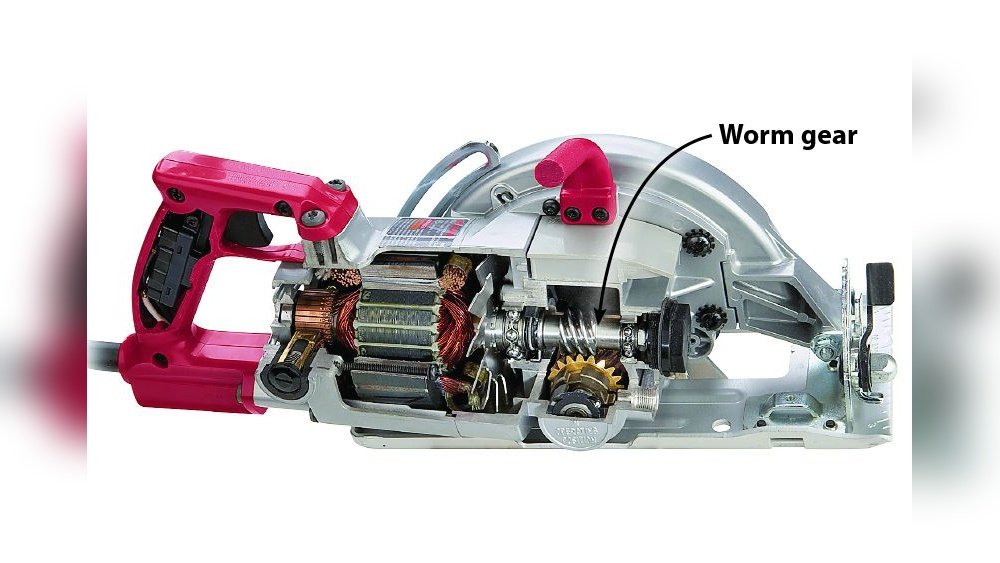
A worm drive saw is a type of circular saw with a special gear system. The motor sits behind the blade, and power moves through a worm gear set. This design creates more torque (turning force), which helps the saw cut through tough or thick materials.
Key features of worm drive saws:
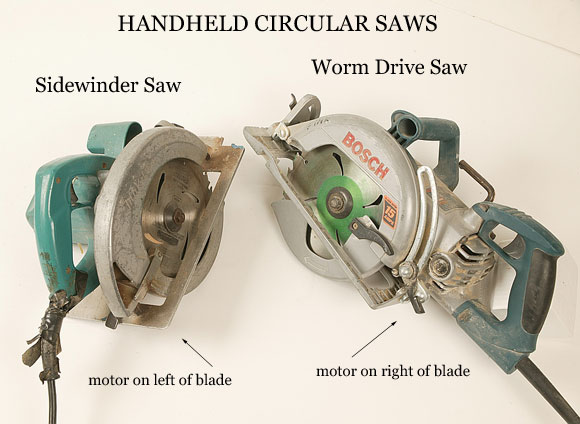
- The blade is usually on the left side (for right-handed users), which improves cut line visibility.
- The motor is long and narrow, making the saw longer from front to back.
- The gear system gives extra power, especially for heavy-duty jobs.
Example: The Skilsaw SPT77WML is a classic worm drive model, popular on construction sites for framing and roofing.
What Is A Sidewinder (traditional) Circular Saw?
Most people use the term circular saw to mean the common “sidewinder” type. In this saw, the motor sits next to the blade (not behind). The motor directly spins the blade with no worm gear.
Key features of sidewinder (circular) saws:
- The blade is usually on the right side (for right-handed users).
- The saw is more compact, lighter, and easier to handle overhead or with one hand.
- The motor turns faster but delivers less torque than a worm drive.
Example: The DeWalt DWE575SB is a popular lightweight sidewinder, favored by DIYers and carpenters for its ease of use.
Core Differences: Worm Drive Vs Circular Saw
Let’s compare these saws in detail so you can see how they differ in real use.
| Feature | Worm Drive Saw | Sidewinder Circular Saw |
|---|---|---|
| Motor Position | Behind the blade | Beside the blade |
| Gear Type | Worm gear (angled) | Direct drive (spur gear) |
| Torque | Higher | Lower |
| Weight | Heavier (13-16 lbs) | Lighter (8-10 lbs) |
| Blade Speed (RPM) | ~4,500 | ~5,500-6,000 |
| Length | Longer | Shorter |
| Cost | Higher | Lower |
| Common Uses | Framing, heavy-duty cuts | General carpentry, home projects |
Strengths Of The Worm Drive Saw
Worm drive saws are built for tough jobs. Here’s what sets them apart:
- High Torque: The gear system multiplies force, letting you cut thick lumber, wet wood, or knots without slowing down.
- Better Line of Sight: With the blade on the left for right-handed users, it’s easier to see your cut line. This is a big advantage for accuracy.
- Longer Lifespan: Because the motor works at lower speed and power spreads over gears, worm drives often last longer under heavy use.
- Ripping Power: For cutting long sheets of plywood or framing lumber, the extra force makes the job smoother and faster.
Non-obvious insight: Many beginners miss how the heavier weight actually helps worm drive saws stay steady during a cut. This reduces “kickback” and wandering, especially in long cuts.
Weaknesses Of The Worm Drive Saw
These saws are not perfect for everyone:
- Heavy and Bulky: Carrying a worm drive all day can be tiring, especially overhead or on ladders.
- More Expensive: Prices start around $150 and go much higher for pro models.
- Maintenance Needs: Worm drives need oil in the gear box. Forgetting to check or change oil can damage the saw.
- Not for Small Hands: The larger body and weight can be tough for some users, especially if you have smaller hands or less grip strength.
Strengths Of The Sidewinder Circular Saw
Sidewinders are the most common circular saw for a reason:
- Lightweight and Compact: Most models weigh under 10 pounds, so they’re easy to carry and control.
- High Speed: The direct drive motor spins the blade very fast, giving you smooth, clean cuts in most wood.
- Lower Cost: Good sidewinders start around $50, making them great for beginners or anyone on a budget.
- Easier Overhead and One-Hand Use: The lighter weight is safer and less tiring for cuts above your head or when working in tight spots.
Non-obvious insight: Many new users don’t realize that the higher blade speed can actually burn wood if you pause too long in the cut—especially with cheaper blades.
Weaknesses Of The Sidewinder Circular Saw
Sidewinders are less suited for some jobs:
- Lower Torque: Struggles with thick, wet, or hard wood.
- Blade Visibility: For right-handed users, the blade is on the far side of the saw, making it harder to see your cut line.
- More Vibration: The lighter body sometimes vibrates more, leading to less control in long or tough cuts.
- Shorter Lifespan in Heavy Use: Direct drive motors wear out faster if pushed hard every day.
Performance Comparison: Real-world Scenarios
To see how these saws stack up, let’s compare them in common situations.
| Task | Worm Drive Saw | Sidewinder Circular Saw |
|---|---|---|
| Framing a house | Excellent (powerful, accurate) | Good (lighter, but less power) |
| Cutting plywood sheets | Very good (steady, straight cuts) | Good (easy to handle, may wander) |
| DIY home projects | Overkill (heavy for small tasks) | Ideal (light, quick, cheap) |
| Overhead work | Challenging (weight tires arms) | Easy (lightweight, safe) |
| Long, continuous cuts | Stays cool, stable | May heat up, less stable |
Safety: Which Saw Is Safer?
Both saws are powerful and can be dangerous if used incorrectly. However, there are some safety differences:
- Worm drive saws have a lower blade speed, which reduces the risk of wood burning or sudden kickback. The heavier weight also helps the saw stay steady. But, their weight can lead to fatigue, increasing the risk of mistakes.
- Sidewinders are lighter, so they’re easier to lift and control, especially for beginners. However, the blade is less visible for right-handed users, which sometimes leads to cutting errors.
Tip: Always use safety glasses, hearing protection, and keep both hands on the saw when cutting.
Which Saw Should You Choose?
Choosing between a worm drive and a sidewinder depends on your work style, budget, and strength.
Choose A Worm Drive Saw If:
- You do heavy carpentry, framing, or need to cut thick or wet lumber often.
- You want maximum power and a saw that will last for years.
- You care about seeing the cut line clearly (especially if you are right-handed).
- You don’t mind the weight or higher price.
Choose A Sidewinder Circular Saw If:
- You mostly do home projects, light carpentry, or occasional building.
- You need a lightweight tool for overhead work or long days.
- You have a smaller budget.
- You want a saw that’s easy to handle and quick to set up.

Other Factors To Consider
Blade Size And Type
Both saws usually use 7 1/4-inch blades, but some models accept other sizes. Always match the blade to your material. For example, use a fine-tooth blade for plywood and a rougher blade for framing.
Corded Vs Cordless
Modern cordless saws are almost as powerful as corded models. Sidewinders are more common in cordless versions because they use less energy. If you work far from outlets, cordless might be best, but battery life can be a limit.
Brand And Build Quality
Stick with known brands like DeWalt, Makita, Skilsaw, or Milwaukee. A good saw lasts for years and has better safety features.
Maintenance
Worm drives need oil checks and changes, usually every few months. Sidewinders are mostly maintenance-free, except for cleaning and blade replacement.
Common Mistakes Beginners Make
- Choosing based on price alone. A cheap saw might feel like a bargain, but if it can’t handle your projects, you’ll spend more later.
- Ignoring weight and comfort. If the saw feels too heavy or awkward, you’ll avoid using it—or worse, make mistakes.
- Not matching the blade to the job. The wrong blade burns wood, makes rough cuts, or even jams.
- Neglecting maintenance (for worm drives). Forgetting to add oil can destroy the gear system.
- Overestimating power needs. If you only do small jobs, a heavy worm drive is more trouble than it’s worth.
Real-world Examples
Professional framer: Uses a worm drive saw daily to cut through stacked lumber and wet framing wood. The extra torque and visible blade line make fast, straight cuts possible.
Home DIYer: Uses a sidewinder to trim shelves, cut plywood, and build garden boxes. The lightweight design lets them work safely, even without much experience.
Pros And Cons Summary
Here’s a quick recap to help your decision:
| Worm Drive Saw | Sidewinder Circular Saw | |
|---|---|---|
| Pros | High torque, visible blade, stable cuts, long life | Lightweight, affordable, fast, easy to handle |
| Cons | Heavy, expensive, needs oil, bulky | Less torque, harder to see blade, vibrates more, wears faster |

Extra Tips For Making The Right Choice
- Try before you buy. Visit a tool store and hold both saws. The “feel” in your hand matters more than specs.
- Read user reviews. Look for feedback from people who use the saw for similar work.
- Consider future needs. If you may do bigger projects later, a worm drive is a smart investment.
- Check local regulations. In some regions, job sites require certain safety features only found on pro models.
Frequently Asked Questions
What Is The Main Difference Between A Worm Drive And A Circular Saw?
The biggest difference is the motor and gear placement. A worm drive has the motor behind the blade with gears for more torque. A traditional circular saw (sidewinder) has the motor next to the blade, spinning it faster but with less force.
Which Saw Is Better For Beginners?
Most beginners find the sidewinder circular saw easier to use. It’s lighter, cheaper, and simple to handle for most home projects.
Do Worm Drive Saws Last Longer?
Yes, in heavy use, worm drive saws can last longer because the gear system reduces stress on the motor. However, they need more maintenance, like oil changes.
Why Do Professionals Prefer Worm Drive Saws?
Professionals like worm drives for power and accuracy. The extra torque makes tough cuts easy, and the blade position helps them see the cut line better.
Can Cordless Saws Match The Power Of Corded Models?
Modern cordless circular saws are very close in power to corded versions, especially in the sidewinder style. For most home and light professional work, cordless is now a strong choice. For all-day heavy framing, corded worm drives still lead.
Choosing between a worm drive and a circular saw is about more than price or power. Think about your typical projects, how much weight you can handle, and your comfort with tool maintenance. If you want more technical details, you can check out this Wikipedia guide to circular saws. Whatever your choice, using the right saw will make your cuts easier, safer, and more satisfying every time.
As an Amazon Associate, We earn from qualifying purchases