
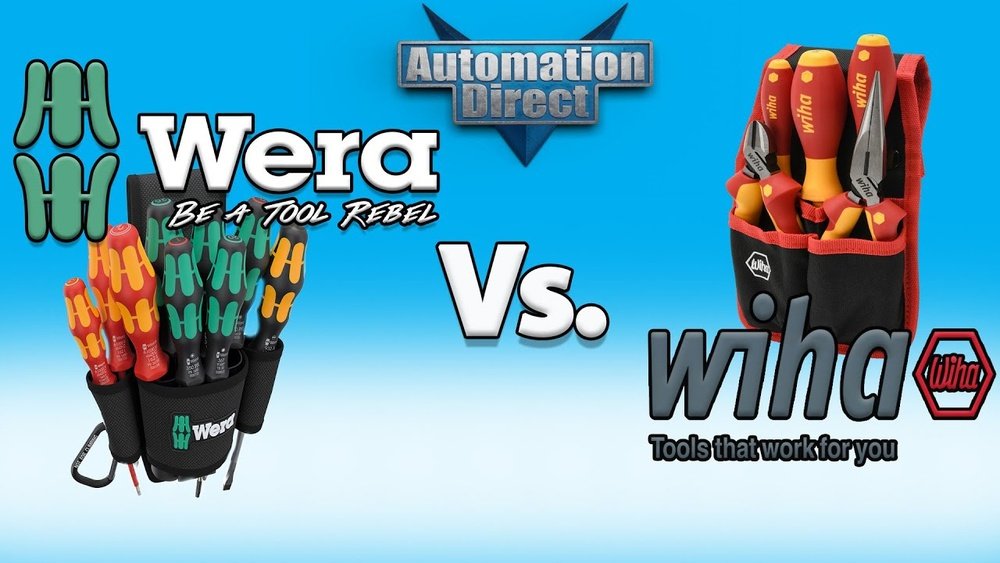
If you’re searching for the best screwdriver for your toolbox, you’ve likely come across two famous German brands: Wera and Wiha. Both are known for making high-quality hand tools, especially screwdrivers, but which one is better for your needs? Many professionals, DIYers, and hobbyists debate this question. This article will give you a detailed comparison of Wera vs Wiha screwdrivers, focusing on design, performance, durability, price, and more. If you want to make a confident choice, read on—you’ll find practical advice, expert insights, and clear answers to common questions.
Prime Day Pick
Limited-time Prime Day price. Check current discount on Amazon.
Brand Background And Philosophy
Before looking at the tools, it helps to know what each brand stands for.
Wera is based in Wuppertal, Germany and has been designing screwdriving tools since 1936. The company is known for innovation, bold designs, and catchy slogans like “Be A Tool Rebel.” Wera is famous for its Kraftform handles, color-coding system, and unique blade shapes.
Prime Day Pick
Limited-time Prime Day price. Check current discount on Amazon.
Wiha started in 1939 in Baden-Württemberg, Germany. Wiha’s focus is on precision, ergonomics, and safety. Many Wiha tools are certified for use with electrical work. The brand is often chosen by people who want classic, comfortable designs with proven reliability.
Prime Day Pick
Limited-time Prime Day price. Check current discount on Amazon.
Both companies manufacture in Germany and other countries. They both offer screwdrivers for home, automotive, industrial, and electrical use. But their approach and style are very different.
Design And Ergonomics
Handle Shape And Comfort
The handle is the most important part of a screwdriver for comfort and control. Wera uses its famous Kraftform handle, which is shaped to fit your hand naturally. The handle has soft and hard zones: the hard parts help you turn quickly, and the soft parts give extra grip for tough screws. Many users say Wera handles reduce hand fatigue during long jobs.
Wiha handles are generally more classic in shape—round or slightly oval. They use a soft finish (rubbery texture) on many models. Some Wiha screwdrivers have a “MicroFinish” that increases friction, which helps if your hands are oily or sweaty.
For small precision screwdrivers, both brands use thin handles, but Wiha’s often have a free-spinning cap, making them ideal for electronics or watch repair.
Color Coding And Identification
Wera makes it easy to spot the right tool. Most Wera screwdrivers have bright, colored end caps and clear markings for the tip type and size. The “Take It Easy” color system means you can grab a Phillips, Torx, or Slotted screwdriver at a glance.
Wiha also uses color, but it’s less standardized. Many Wiha insulated screwdrivers have a red/yellow handle for electricians, while general-purpose tools are black/red or black/yellow.
Blade Design And Tips
Wera pays special attention to tip fit. Their “Lasertip” technology adds tiny rough spots on the tip, helping the screwdriver bite into the screw head and reducing slip-outs. This is very helpful for old, worn screws.
Wiha is known for very precise, hardened tips. Their “ChromTop” finish resists wear and helps tips stay sharp. For small screws, Wiha’s precision tips are hard to beat.
Performance In Real-world Use
Driving Power And Slip Prevention
Wera’s Lasertip screwdrivers often grip screws better, especially in tough or rusted situations. Many users notice fewer cam-outs (when the screwdriver slips out of the screw head). This can save time and reduce damage to both the tool and the screw.
Wiha screwdrivers perform reliably too, especially for new screws or delicate electronics. The precision of Wiha tips is appreciated by those who need perfect control.
Durability And Material Quality
Both brands use high-grade tool steel. Wera uses “high-performance chrome-molybdenum-vanadium steel” with a hard chrome plating. Wiha uses “CRM-72” steel, which is strong and resists twisting. Both have rust protection, but Wera’s finish is often a little shinier.
In heavy industrial use, both brands last for years. Some users report Wera handles looking newer longer, while Wiha’s rubbery handles can get sticky over time if exposed to oils.
Insulated Screwdrivers For Electricians
If you work around electricity, you need insulated tools. Both Wera and Wiha offer screwdrivers tested to 1,000 volts and certified to international standards. Wera’s VDE series and Wiha’s VDE or 1000V series both meet the requirements, but Wiha is especially popular among electricians because of its classic handle and clear markings.
Popular Screwdriver Models Compared
To help you see the differences, here’s a side-by-side look at two of the most famous sets from each brand.
| Model | Wera Kraftform Plus 334/6 | Wiha SoftFinish 30295 |
|---|---|---|
| Handle Type | Kraftform ergonomic, multi-component | SoftFinish, classic oval shape |
| Tip Design | Lasertip (anti-slip) | ChromTop (precision ground) |
| Pieces in Set | 6 | 6 |
| Markings | Color-coded end caps, clear size | Color ring, etched size |
| Price (approx.) | $35–$45 | $30–$40 |
Special Features And Innovations
Wera and Wiha go beyond basic screwdrivers. Here are some extra features you’ll find only in certain models:
- Wera “Lasertip”: Laser-etched tips for extra grip.
- Wera “Kraftform Kompakt”: Handles with interchangeable bits, saving space.
- Wera “Joker”: Unique wrenches with holding features.
- Wiha “SoftFinish”: Award-winning handle for reduced hand strain.
- Wiha “MicroFinish”: Surface texture for better grip in oily conditions.
- Wiha “SlimFix”: Thin insulated blades for tight electrical work.
- Wiha “Precision”: Free-spinning caps for fast, small adjustments.
Some features, like Wera’s Lasertip, really stand out in tough jobs. Others, like Wiha’s SlimFix, are made for niche needs. Choosing the right feature depends on your main tasks.
Price And Value
When you compare price, both Wera and Wiha are in the premium range. You pay more than for basic hardware store screwdrivers, but you get higher quality and longer life.
Wera sets often cost slightly more than Wiha for similar sizes and features. For example, a set of six Wera Kraftform screwdrivers may be $40–$45, while a similar Wiha SoftFinish set is around $35–$40. Individual screwdrivers usually cost $6–$10 each.
Is the higher price worth it? For most users, yes—especially if you use your tools daily. Cheaper tools often strip out or break, costing more in the long run.

Availability And Warranty
Both brands are easy to find online and in specialty tool stores. Wera and Wiha offer limited lifetime warranties against defects, but not for normal wear or abuse. Wera is more visible in the US, while Wiha has a huge catalog for electricians and electronics.
Wiha sometimes offers more replacement parts (like spare tips for precision screwdrivers), which can save money if you work with small tools.
User Feedback And Community
If you search for “Wera vs Wiha screwdriver” in tool forums, you’ll find a lively debate. Here are some common opinions:
- Wera fans love the ergonomic grip and unique look.
- Wiha fans swear by the precision tips and classic feel.
- Some electricians prefer Wiha for insulated tools, while mechanics lean toward Wera.
- Users who switch from cheap brands to either Wera or Wiha notice fewer stripped screws and less hand pain.
A non-obvious insight: Some users mix both brands in their toolboxes. For example, they use Wera for heavy-duty jobs and Wiha for electronics or electrical work. You don’t have to choose only one!
Practical Buying Tips
Here’s how to pick the best screwdriver for your needs:
- Think about your main task. For electronics or small screws, Wiha precision screwdrivers are hard to beat. For household or automotive work, Wera’s Lasertip models may be better.
- Try the handle in person if possible. Some people prefer Wera’s sculpted grip, others like Wiha’s rounder shape.
- Don’t focus only on price. One good screwdriver can outlast several cheap ones.
- Check for genuine products. Both brands have counterfeits online. Buy from trusted sellers.
- Consider sets for savings. A set usually costs less per piece and covers most jobs.
Detailed Feature Comparison
Let’s look at how Wera and Wiha stack up across different factors:
| Feature | Wera | Wiha |
|---|---|---|
| Handle Comfort | Ergonomic, multi-zone | Classic, soft finish |
| Tip Grip | Lasertip (extra grip) | Precision ground |
| Color Coding | Standardized, easy to spot | Mostly by series |
| Insulated Options | Yes (VDE series) | Yes (VDE, SlimFix) |
| Precision Tools | Good, less variety | Excellent, many options |
| Warranty | Lifetime limited | Lifetime limited |

When To Choose Wera Or Wiha
It’s not always about which is “better”—it’s about which fits your needs.
Choose Wera if:
- You want a screwdriver that’s comfortable for long jobs.
- You often deal with rusty or damaged screws.
- You like a modern look and easy tool identification.
Choose Wiha if:
- You work with electronics or small precision screws.
- You want tools with proven safety ratings for electrical work.
- You prefer a classic, no-nonsense handle shape.
A tip many beginners miss: The best screwdriver is the one that feels best in your hand. Ergonomics matter more than most people think—try before you buy if you can.
Common Mistakes When Choosing
- Buying only on price: Cheap screwdrivers can slip and damage screws or your project.
- Ignoring handle comfort: If your hands get sore, you won’t use the tool often.
- Not checking for insulation: If you work near electricity, always use VDE-certified screwdrivers.
- Not matching tip size: Using the wrong tip size causes stripped screws.
- Falling for counterfeits: Always buy from trusted retailers.
Expert Insight: Long-term Use
Professionals who use screwdrivers every day know small details matter. Over time, a comfortable handle and precise tip save you energy and frustration. Some users even say that switching to high-quality tools like Wera or Wiha helped them avoid wrist pain and finish jobs faster.
Another point beginners miss: Both brands offer specialty tools, like stubby screwdrivers for tight spaces or long shafts for deep holes. Sometimes, having both options (Wera and Wiha) in your kit makes sense.
If you want to see more user reviews and expert tests, check out the Wiha official website for detailed product info and comparisons.
Frequently Asked Questions
Are Wera And Wiha Screwdrivers Made In Germany?
Most high-end Wera and Wiha screwdrivers are made in Germany. However, both companies have factories in other countries for some models. Always check the packaging or product description.
Which Brand Has Better Precision Screwdrivers For Electronics?
Wiha is often the top choice for precision screwdrivers. Their handles, tip quality, and spinning caps are ideal for electronics, watches, and small devices.
Do Wera Screwdrivers Really Prevent Slipping Better?
Yes, Wera’s Lasertip technology helps prevent slipping on many screws, especially old or damaged ones. This feature gives extra grip compared to most standard tips.
Can I Mix Wera And Wiha Screwdrivers In My Toolbox?
Absolutely. Many professionals use both brands for different tasks. There’s no rule against mixing—choose the tool that fits the job best.
Are Wera Or Wiha Screwdrivers Worth The Price For Beginners?
For anyone who uses tools regularly, investing in quality screwdrivers pays off. You’ll get longer life, better comfort, and less frustration compared to budget brands—even as a beginner.
Both Wera and Wiha screwdrivers have earned their strong reputations. The best brand for you depends on the type of work you do, your comfort preferences, and the features you value most. Try them out if you can, and remember: a good tool makes every project smoother, safer, and more enjoyable.

As an Amazon Associate, We earn from qualifying purchases