
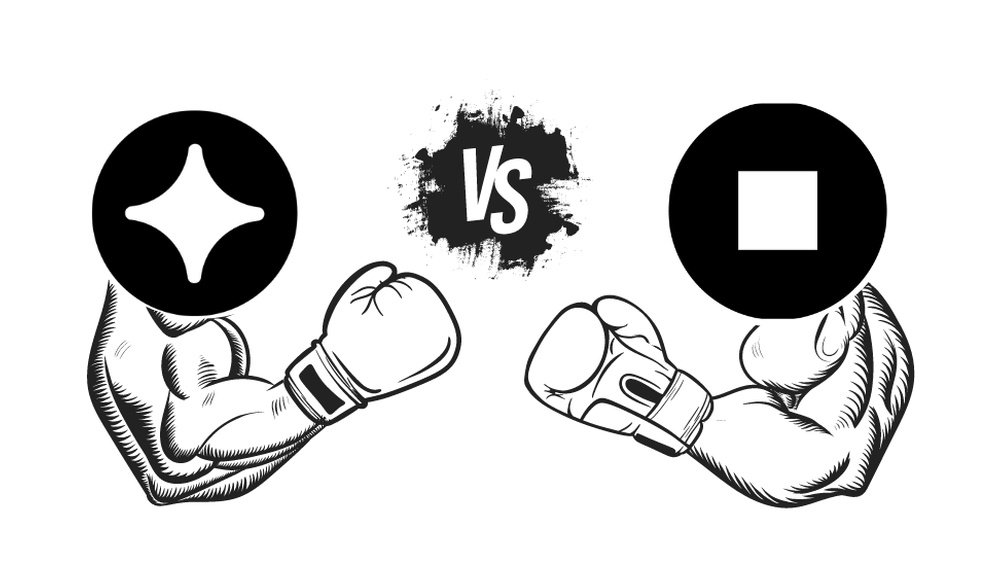
Every toolbox, whether in a professional workshop or a home garage, contains at least a few screwdrivers. But not all screwdrivers are the same. The Robertson and Phillips screwdrivers are two of the most well-known types, yet many people don’t fully understand what makes them different, when to use each one, and why the debate between them matters. If you’ve ever stripped a screw or felt frustrated by a slipping driver, this article will help you master the choice between Robertson and Phillips screwdrivers with clear explanations, real-world examples, and expert tips.
What Is A Robertson Screwdriver?
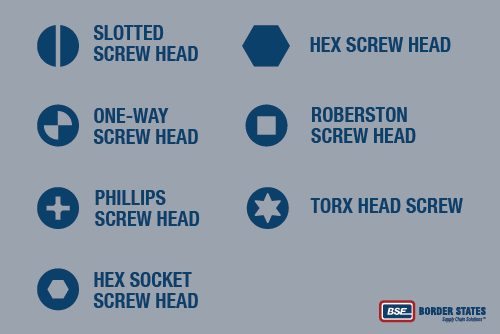
The Robertson screwdriver is sometimes called the square drive screwdriver. It was invented by Peter L. Robertson, a Canadian, in 1908. The tip of this tool is shaped like a perfect square. This unique design was a game changer for many industries—especially in Canada—because it made working with screws faster and easier.
A Robertson screwdriver fits into a square recess in the screw head. This shape allows for more contact with the screw, which means less slipping, also known as “cam-out. ” It’s popular in woodworking, electrical work, and even in some automotive applications.
What Is A Phillips Screwdriver?
The Phillips screwdriver is recognized by its cross-shaped tip. It was invented by Henry F. Phillips in the 1930s and quickly became popular worldwide, especially in the United States. The main idea behind the Phillips design was to prevent over-tightening by letting the driver “cam out” of the screw head when enough torque is reached.
Phillips screws are everywhere—from electronics to car parts and furniture. They are easy to find, and most people are familiar with this design.
Design Differences: Robertson Vs Phillips
To understand why these two screwdrivers perform differently, let’s compare their designs side by side.
| Feature | Robertson | Phillips |
|---|---|---|
| Tip Shape | Square | Cross |
| Contact Area | Larger (4 sides) | Smaller (point contact) |
| Cam-Out | Rare | Common (by design) |
| Centering | Self-centering | Self-centering |
| Invented | 1908 (Canada) | 1930s (USA) |
The square shape of the Robertson provides more grip, while the Phillips is made to intentionally slip out at a certain torque.
Where Each Screwdriver Excels
Both screwdrivers are useful, but their strengths shine in different situations.
Robertson Advantages
- Faster driving: The square tip holds the screw well, which means you can drive screws quickly with less chance of the bit slipping.
- One-handed use: The screw sticks to the driver, making it easier to work in tight spaces or with only one hand.
- Fewer stripped screws: The firm fit reduces the risk of damaging the screw head.
- Durability: Robertson screws often last longer because the tool doesn’t slip as much.
Phillips Advantages
- Wide availability: Phillips screws and drivers are found everywhere, making them easy to replace or borrow.
- Self-centering: The design helps align the driver automatically, especially with power tools.
- Prevents over-torque: The cam-out effect protects both the screw and the material from too much force.
- Versatile sizes: Phillips screws come in many sizes, suitable for electronics, furniture, and construction.
Common Applications
You will see both types of screwdrivers in many fields, but they each have favorite industries.
| Industry | Robertson Use | Phillips Use |
|---|---|---|
| Woodworking | Very common | Common |
| Automotive | Some use | Very common |
| Electrical | Common | Common |
| Appliances | Rare | Very common |
| Furniture | Rare | Very common |
| Construction | Common (Canada) | Common (USA, global) |
In Canada, for example, Robertson screws are the top choice for building houses, while in the United States, Phillips screws are far more common.
Pros And Cons Of Robertson And Phillips Screwdrivers
It’s not just about the shape. Each has real-world strengths and weaknesses.
Robertson Pros
- High torque: Great for driving screws into hard materials.
- Less slipping: Fewer damaged screws and tools.
- Quick alignment: The screw stays put on the tip.
Robertson Cons
- Harder to find: Outside Canada, screws and drivers are less available.
- Limited in electronics: Not often used for small or delicate work.
Phillips Pros
- Universal: Found in almost any hardware store worldwide.
- Good for machines: Self-centering tip works well with power drivers.
- Prevents overtightening: Reduces risk of damaging parts.
Phillips Cons
- Cam-out: The tip can slip, especially if you use too much force.
- Stripping: Frequent slipping leads to worn screw heads.
- Less torque: Not ideal for very hard materials.
Real-world Example: Building A Deck
Imagine you’re building a backyard deck. You need to drive hundreds of screws into wood planks. If you use Robertson screws, you’ll notice that the screwdriver holds the screw firmly, so you can work faster without worrying about the screw falling off the tip. There’s also less frustration from stripping screw heads.
If you try the same job with Phillips screws, you might notice the bit slipping or “camming out” when you apply a lot of force. This can slow you down and damage both your screws and your tools. However, if you are using a power tool set to a specific torque, the Phillips design helps prevent over-driving and damaging the wood.
Why Robertson Screws Aren’t As Popular Worldwide
It’s a common question: If Robertson screws are so good, why aren’t they everywhere?
The answer is part history, part business. When Peter Robertson invented his screw, he did not want to sell manufacturing rights to US companies. This limited the spread of his design. Meanwhile, Phillips was willing to license his invention, so the Phillips screw became the standard in American industries, especially cars and electronics. Even today, the Robertson screwdriver is much more common in Canada than in the United States or Europe.
How To Choose The Right Screwdriver
Choosing between Robertson and Phillips is not just about what’s in your toolbox. Consider these factors:
- Project type: For woodwork or framing, Robertson is usually best. For electronics or anything mass-produced, Phillips may be required.
- Material: For harder materials, Robertson handles higher torque better.
- Tool availability: If you’re traveling or borrowing tools, you’ll likely find Phillips drivers more easily.
- Screw supply: Check what screws are in your project kit. It’s best to match your driver to your screws for the best result.
- Power tool use: Phillips bits are often included with power screwdrivers, but if you plan heavy-duty work, look for Robertson bits.
Common Mistakes When Using Each
Many people run into problems with screwdrivers because of small errors. Here’s how to avoid them:
Robertson Mistakes
- Wrong size driver: Using the wrong size can still strip the screw.
- Over-tightening: The secure fit makes it easy to apply too much torque.
- Not cleaning the tip: Dirt or debris reduces grip.
Phillips Mistakes
- Too much force: This quickly leads to cam-out and stripped screws.
- Worn driver bits: A dull tip slips more often.
- Misalignment: Not holding the driver straight increases the risk of damage.

The Future Of Screwdriver Design
Although these two designs are the most famous, new screw types appear all the time. Some combine features of both, or add security to prevent tampering. For example, the Pozidriv screw is a European improvement on the Phillips, designed to reduce cam-out. Torx screws, with their star shape, handle even more torque.
Still, the Robertson and Phillips remain the most common for everyday work, and knowing when to use each one will make your projects go smoother.
Non-obvious Insights
- Bit life matters: Robertson bits generally last longer than Phillips because there’s less slipping and less wear on the corners. If you do a lot of screwing, you’ll spend less money replacing Robertson bits.
- Painted screws grip better: In woodworking, using painted or coated Robertson screws makes them even less likely to strip or slip, a trick many professionals use but beginners often miss.
- Driver swapping is risky: Using a Phillips driver on a Robertson screw (or vice versa) almost always damages both the screw and the tool. Stick to the right pair.
Data: Screw Head Popularity In North America
A 2020 survey of construction professionals showed that:
- In Canada, over 85% of wood screws used in framing are Robertson.
- In the United States, more than 70% of all screws sold are Phillips or a Phillips variant.
This illustrates how regional preferences still shape toolboxes and building methods.
Price And Availability
While Phillips tools are generally a little cheaper and more widely available, the price difference is small when buying quality tools. For example, a standard set of 6 Phillips screwdrivers might cost $8 to $20, while a similar Robertson set costs about $10 to $22 in Canada.
Outside Canada, you might need to order Robertson screws online or visit specialty hardware stores.

Final Thoughts
Choosing between Robertson and Phillips screwdrivers is more than a matter of tradition or habit. Each has clear strengths and weaknesses, shaped by design, history, and the demands of your project. If you understand when and why to use each one, you’ll save time, reduce frustration, and get better results. Whether you’re building a deck, fixing a kitchen appliance, or working on a DIY project, the right screwdriver makes all the difference.
If you want to dig deeper into the history and engineering of screw designs, check out this Wikipedia page on screw drives.
Frequently Asked Questions
Why Do Phillips Screwdrivers Slip Out Of Screws?
The Phillips design is made to “cam out” when too much torque is applied. This helps prevent over-tightening, but it also means the tool can slip if you use too much force or the wrong size driver.
Can I Use A Phillips Screwdriver On A Robertson Screw?
No, you should not. The shapes are different, and using the wrong driver will damage both the screw and the tool. Always match your screwdriver to the screw head.
Which Screwdriver Is Better For Woodworking?
Most professionals prefer the Robertson screwdriver for woodworking because it provides a firm grip, allows for one-handed use, and rarely strips the screw head.
Why Are Robertson Screws Less Common Outside Canada?
Robertson did not license his screw design to US companies early on, which limited its spread. Phillips screws became the industrial standard in the United States and much of the world, so they are more common outside Canada.
Is There A Screwdriver That Combines The Benefits Of Both?
There is no mainstream screwdriver that perfectly combines both designs, but the Pozidriv is an improved version of the Phillips, and Torx screws offer even more grip and torque. Each has its own pros and cons, so choosing the right tool depends on your project.
As an Amazon Associate, We earn from qualifying purchases