
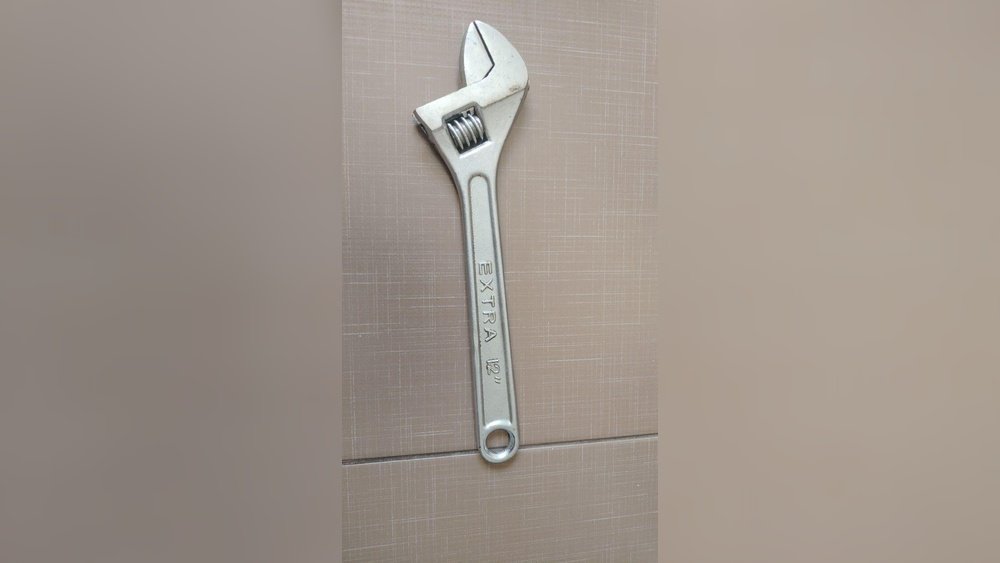
A crescent wrench and a monkey wrench may look similar at first glance, but they are not the same tool. If you have ever opened your toolbox and wondered which one to grab, you are not alone. These wrenches have been part of mechanical history for over a century, but each has its own design, strengths, and best uses.
Choosing the right tool can make your job easier, safer, and even save you money on repairs. Let’s explore their differences, uses, and why it matters which wrench you pick.
What Is A Crescent Wrench?
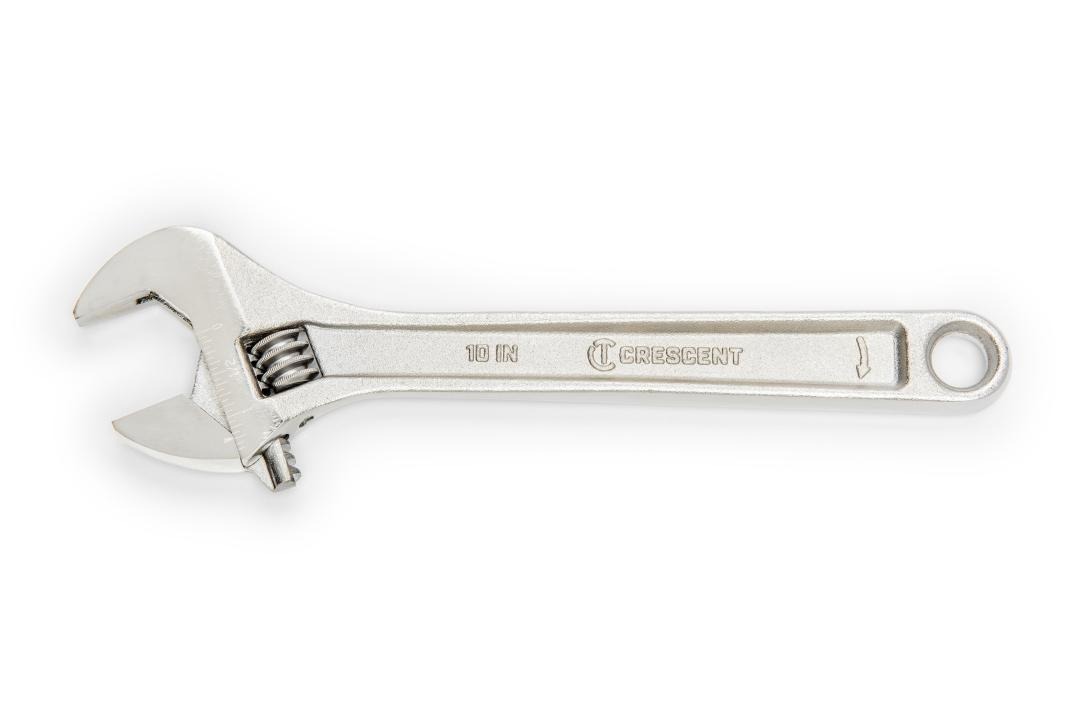
A crescent wrench is an adjustable hand tool with a smooth jaw. Its jaws form a “C” shape, with one fixed and one movable jaw. You can widen or narrow the jaws by turning a small thumbwheel, so it fits many sizes of nuts and bolts. The crescent wrench is popular for its versatility.
The original Crescent wrench was invented in 1907 by Karl Peterson. The Crescent brand became so famous that people use the name for any adjustable wrench, though other companies also make them. These wrenches are common in home toolkits, bicycle repair, plumbing, and auto work.
What Is A Monkey Wrench?
A monkey wrench is also an adjustable tool but has a heavier, longer handle and jaws set at a 90-degree angle to the handle. The jaws are thick and flat, and you adjust the size by turning a knurled knob on the handle. Monkey wrenches were widely used in the 19th and early 20th centuries, especially for larger nuts and pipes.
Monkey wrenches are less common today because other tools, like pipe wrenches and crescent wrenches, have replaced them for most jobs. However, they are still found in some mechanical shops and with collectors or those working on vintage machinery.
Key Design Differences
Both tools are adjustable, but their design and how you use them are different. Here’s a side-by-side look at the main differences:
| Feature | Crescent Wrench | Monkey Wrench |
|---|---|---|
| Jaw Shape | Slim, smooth, angled jaws | Thick, flat, straight jaws |
| Adjustment Method | Thumbwheel near the head | Knurled knob on handle |
| Handle Shape | Shorter, lighter, ergonomic | Long, heavy, straight |
| Jaw Orientation | Offset (15-degree angle) | Parallel to handle (90-degree angle) |
The crescent wrench is better for tight spaces and smaller fasteners. The monkey wrench handles bigger jobs and can turn larger nuts, but its size makes it less useful in cramped areas.
Uses And Applications
The choice between a crescent wrench and a monkey wrench depends on the job. Here’s how each is used:
Crescent Wrench
- Home Repairs: Great for assembling furniture, fixing bikes, or loosening bolts on household appliances.
- Automotive Work: Fits many car nuts and bolts, especially in tight engine spaces.
- Plumbing: Handy for adjusting smaller plumbing connections.
- DIY Projects: Useful for any project where nuts and bolts are involved.
Monkey Wrench
- Heavy Machinery: Used on large, old-style nuts and bolts, especially on vintage equipment.
- Plumbing: Sometimes used for bigger pipes, but less common since the pipe wrench became popular.
- Railroad Work: Historically used by railroad workers for track assembly.
A crescent wrench is usually the first tool for most jobs today, while a monkey wrench is reserved for heavy-duty or historical applications.
How They Work
Both tools use an adjustable jaw to grip fasteners, but the way they grip and the force you can apply is different.
- Crescent wrench jaws are thin and angled. This helps you reach into tight spots and turn nuts without slipping.
- Monkey wrench jaws are straight and thicker. They grip large, flat surfaces well, but can be awkward on small nuts.
When using a crescent wrench, always position the movable jaw on the side opposite the force. This prevents the tool from slipping and damaging the nut. For a monkey wrench, make sure the jaws are tight to avoid rounding off the fastener.
Strengths And Weaknesses
Here’s a quick look at what each tool does best—and where it struggles:
| Wrench Type | Strengths | Weaknesses |
|---|---|---|
| Crescent Wrench |
|
|
| Monkey Wrench |
|
|
Materials And Durability
Most crescent wrenches are made of chrome vanadium steel or a similar alloy. This makes them strong yet light. Some have a chrome finish to resist rust. The adjustment mechanism is usually smooth and lasts for years if kept clean.
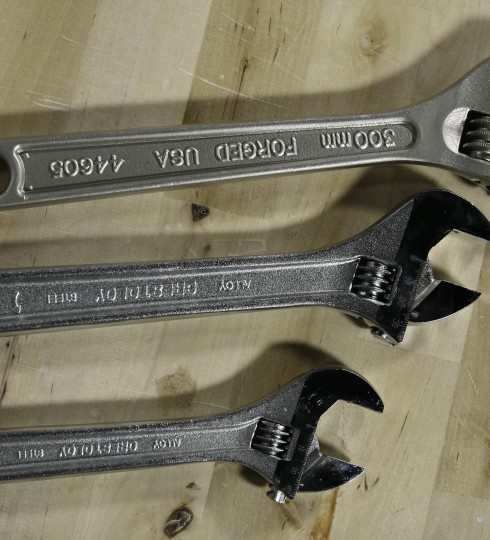
Monkey wrenches are often made from forged steel. They are heavier and can take a lot of force. Many older monkey wrenches were built to last for decades and are now collector’s items.
A common mistake is using a crescent wrench for jobs that need a monkey wrench’s strength. This can bend the wrench or strip the bolt.
Price And Availability
Crescent wrenches are easy to find in hardware stores and online. Prices range from $10 for a basic model to $40 or more for a high-quality brand. They come in different sizes, usually from 6 inches to 18 inches.
Monkey wrenches are less common today. New ones start around $25, but old or antique models can cost much more. They are often sold in specialty tool shops or online auctions.
If you are just starting your tool collection, a crescent wrench is usually better value and more useful for most jobs.
Safety Tips
Using either tool incorrectly can be dangerous. Here are some tips for safer use:
- Always check the fit: Make sure the jaws are tight around the nut or bolt before applying force.
- Pull, don’t push: Pulling a wrench reduces the chance of slipping and injury.
- Keep tools clean: Dirt and oil can cause the wrench to slip.
- Inspect for damage: Never use a wrench with cracked jaws or a loose adjustment mechanism.
An overlooked tip: Avoid using a crescent or monkey wrench as a hammer. This can damage the tool and cause injury.
Common Mistakes Beginners Make
- Using the wrong wrench for the job: A crescent wrench may not handle large, rusty nuts. A monkey wrench is overkill for small bolts.
- Not adjusting the jaws properly: Loose jaws can round off nuts and bolts.
- Applying too much force: Overtightening can break the tool or damage the fastener.
- Wrong jaw placement: Always put the fixed jaw against the side you pull. This reduces slipping.
Many beginners don’t realize that a crescent wrench should not replace a fixed-size wrench for high-torque jobs. The adjustable jaw can flex, causing damage.
Which One Should You Choose?
If you can only buy one, the crescent wrench is the better all-around choice for modern homes and workshops. It is more versatile and easier to use on a range of fastener sizes.
However, if you work on old machinery or need to turn large nuts and bolts, a monkey wrench is still valuable. Some tradespeople keep both tools handy for different tasks.
If you are building a tool kit from scratch, start with a crescent wrench in an 8-inch or 10-inch size. Add a monkey wrench later if your work requires it.
Real-world Examples
- Bicycle repair: A crescent wrench adjusts pedal or axle bolts of different sizes quickly.
- Antique car restoration: A monkey wrench can loosen large, rusted bolts without damaging them.
- Plumbing: For tight spaces under a sink, a crescent wrench is best. For large pipe fittings, reach for a monkey wrench or, better yet, a pipe wrench.
A practical example: If you are fixing a kitchen faucet, the crescent wrench is slim enough to fit behind the sink where a monkey wrench would not fit.
Expert Insights
Many professionals recommend crescent wrenches for general use. They keep a set in different sizes for flexibility. However, monkey wrenches are still used by steamfitters and railroad workers, especially when tradition or tool regulations require it.
An expert tip: Always lubricate the adjustment screw of your wrenches. This keeps the jaws moving smoothly and extends the tool’s life.
For more about hand tools and their history, you can check this Wikipedia page.
Evolution Of Wrenches
The monkey wrench was invented before the crescent wrench and was the standard adjustable wrench for many years. As technology improved, lighter and more ergonomic tools like the crescent wrench became popular. Today, specialty wrenches (like pipe wrenches and combination wrenches) are often used for specific tasks, but the crescent wrench remains a favorite for its adaptability.
Summary Comparison
Here’s a quick reference to their main differences:
| Feature | Crescent Wrench | Monkey Wrench |
|---|---|---|
| Best For | General purpose, small to medium bolts | Heavy-duty, large bolts |
| Size | 6–18 inches | 10–24 inches (or larger) |
| Weight | Light | Heavy |
| Availability | High | Low |
Frequently Asked Questions
What Is The Main Difference Between A Crescent Wrench And A Monkey Wrench?
A crescent wrench has slim, angled jaws and is lightweight, making it ideal for most home or auto repairs. A monkey wrench has thick, straight jaws and a heavy handle, meant for larger and tougher jobs.
Can I Use A Crescent Wrench Instead Of A Monkey Wrench?
For most small and medium bolts, yes. But for large, stuck, or rusted nuts, a crescent wrench may not have enough strength, and you risk damaging the tool or fastener.
Why Are Monkey Wrenches Less Common Today?
Other tools, like pipe wrenches and crescent wrenches, have replaced the monkey wrench for many tasks. They are lighter, easier to use, and fit more modern fastener designs.
Are Crescent Wrenches Safe For All Bolts?
They are safe for most bolts if you tighten the jaws properly and avoid over-torquing. For very tight bolts, use a fixed-size wrench to prevent rounding off the edges.
How Do I Maintain My Adjustable Wrenches?
Keep them clean and dry, oil the moving parts, and store them in a dry place. Regular inspection for wear or cracks helps prevent accidents and extends tool life.
Choosing the right wrench is not just about convenience—it’s about safety, efficiency, and getting the job done right. Now, when you face the crescent wrench vs monkey wrench decision, you’ll pick with confidence.

As an Amazon Associate, We earn from qualifying purchases