
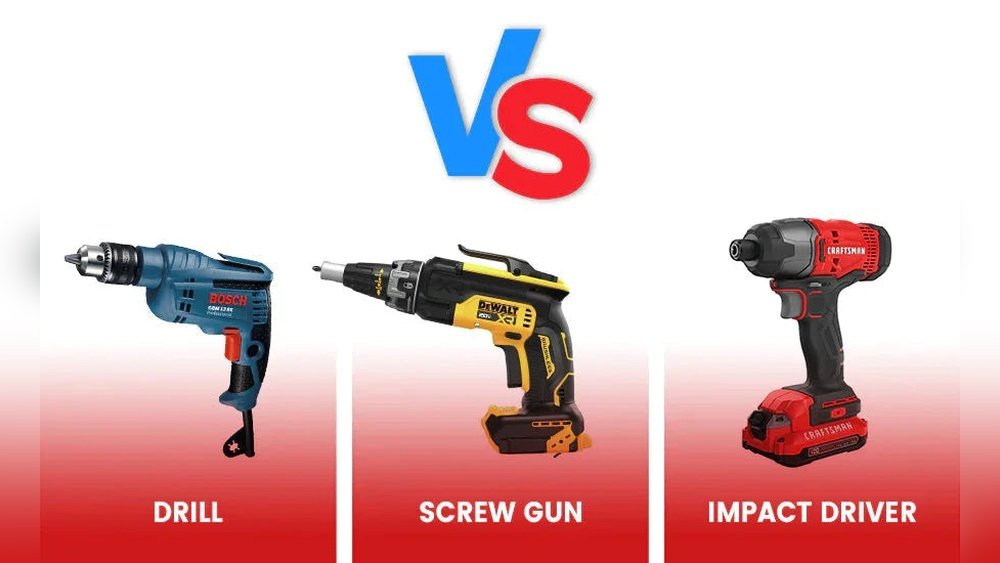
When you look at your toolbox, you might see both a screwdriver and an impact driver. At first glance, these tools seem similar. They both drive screws into wood, metal, or plastic. But if you ask a professional or someone with experience, they’ll tell you these are very different tools. Choosing the right one can save you time, money, and even prevent damage to your projects. If you’re not sure which is better for your needs, you’re not alone. Many people get confused, especially if they’re new to DIY or home repairs. Let’s break down the key differences, uses, and what you need to know before picking one for your next project.
Prime Day Pick
Limited-time Prime Day price. Check current discount on Amazon.
What Is A Screwdriver?
A screwdriver is one of the oldest and most basic hand tools. It’s used to turn screws and fasteners into different materials. There are two main types: manual and electric.
Manual screwdrivers require your own hand strength and wrist movement. You match the tip to the screw head (like Phillips, flat, or Torx) and turn. These are great for simple jobs, assembling furniture, or tightening cabinet hinges.
Prime Day Pick
Limited-time Prime Day price. Check current discount on Amazon.
Electric screwdrivers use a small motor, usually powered by a battery. They do the turning for you. They’re faster than manual screwdrivers, but not as powerful as bigger drills or impact drivers.
Prime Day Pick
Limited-time Prime Day price. Check current discount on Amazon.
Most electric screwdrivers are lightweight, compact, and easy to control. They’re perfect for small jobs or for people who don’t want to strain their hands.
Common Uses For Screwdrivers
- Assembling furniture (like IKEA pieces)
- Tightening loose screws in cabinets or doors
- Installing switch plates or electrical covers
- Small repairs around the house
Key Features Of Screwdrivers
- Low torque (gentle turning force)
- Lightweight and quiet
- Precise control for delicate jobs
Manual screwdrivers are cheap, often under $5 each, while electric models usually cost $15–$40.
What Is An Impact Driver?
An impact driver is a power tool designed for tougher jobs. It looks similar to a drill, but it’s built to handle screws and bolts that are hard to turn. The key difference is how it works.
Instead of just spinning, an impact driver combines rotational force with quick bursts of impact. Think of it like a hammer that hits sideways while spinning. This helps drive screws into hard materials without much effort from your wrist.
Impact drivers are almost always cordless, powered by rechargeable batteries. They’re popular with carpenters, builders, and anyone who works with wood or metal framing.
Common Uses For Impact Drivers
- Driving long screws into hardwood or thick lumber
- Installing decks or fences
- Removing stubborn or rusted screws and bolts
- Building framing for houses
Key Features Of Impact Drivers
- High torque (much stronger turning force)
- Short, fast impacts to break through tough spots
- Quick-change chuck for swapping bits easily
- Compact design to fit tight spaces
Most impact drivers cost $60–$150 for a good cordless model.

How Do They Work Differently?
To understand which tool to use, you need to know how they work inside.
A screwdriver (manual or electric) uses a direct turning motion. There’s no extra force if a screw gets stuck—you must push harder or stop.
An impact driver adds a unique mechanism. As you drive a screw and meet resistance, it delivers small, rapid impacts sideways. These impacts are powerful but controlled, so the tool does the hard work, not your wrist. The “hammering” action breaks through tough wood or rusted screws.
Example: If you try to drive a 3-inch screw into solid oak, a regular screwdriver will likely stop or strip the screw. An impact driver will power it straight in with little effort.
Side-by-side Comparison
Here’s a quick look at how a screwdriver and an impact driver stack up:
| Feature | Screwdriver | Impact Driver |
|---|---|---|
| Torque | Low | High |
| Best For | Small screws, light tasks | Long screws, tough materials |
| Bit Change | Manual (twist or pull) | Quick-change (one-handed) |
| Control | Very precise | Less precise, more power |
| Noise | Quiet | Louder due to impacts |
| Price Range | $5–$40 | $60–$150 |
When Should You Use A Screwdriver?
Many people think more power is always better, but that’s not true. There are times when a simple screwdriver is the best tool.
Use a screwdriver if:
- You’re working with soft materials (like plastic or pine)
- You need to avoid over-tightening (electronics, delicate hardware)
- You want full control (picture frames, light switches)
- The job is in a quiet area (library, office)
A manual screwdriver is also safer in situations where precision is critical. For example, tightening a laptop’s case or adjusting eyeglasses. Electric screwdrivers are a good middle ground for small home repairs, especially if you have wrist pain or arthritis.
When Should You Use An Impact Driver?
An impact driver shines when the job is tough. If you’re building a deck, framing a wall, or driving screws all day, you’ll notice the difference immediately.
Choose an impact driver for:
- Long or thick screws (2 inches or more)
- Hardwoods (oak, maple) or pressure-treated lumber
- Lag bolts or large fasteners
- Rusty or stuck screws
They’re also faster for repetitive jobs. Many impact drivers can drive hundreds of screws on one battery charge. Some models deliver over 1,200 inch-pounds of torque—that’s at least 4–5 times more than an electric screwdriver.
One tip that beginners often miss: impact drivers are not good for drilling holes unless you use special bits. Standard drill bits can break in an impact driver because of the hammering action.

Pros And Cons
Let’s look at the strengths and weaknesses of each tool.
| Tool | Pros | Cons |
|---|---|---|
| Screwdriver | – Precise control – Quiet – Inexpensive – Safer for electronics | – Low power – Slow for big jobs – Hand fatigue with many screws |
| Impact Driver | – High power – Fast for large projects – Handles tough screws – Reduces wrist strain | – Louder – Expensive – Can over-tighten – Less control for delicate tasks |
Key Differences Most Beginners Miss
Many beginners focus only on power, but there are two important points they often overlook:
- Bit Compatibility: Impact drivers use hex-shank bits (¼ inch). Regular screwdriver bits or drill bits may not fit or can break. Always check if your bits are “impact-rated” before using them.
- Risk of Overdriving: Impact drivers can easily strip screws or damage soft materials if you’re not careful. Start slow and practice to learn how much pressure is needed. Some advanced models now offer speed settings or electronic clutches to reduce this risk.
Another insight: If you only use standard screws in soft materials, you rarely need an impact driver. But if you ever plan bigger projects, it’s worth learning how to use one safely.
Which Tool Is Right For You?
The best choice depends on your projects, budget, and comfort.
- For homeowners who do small repairs and furniture assembly, a manual or electric screwdriver is usually enough.
- For serious DIYers, builders, or those planning outdoor projects (like decks or sheds), an impact driver will save time and effort.
- If you have joint pain or weak wrists, an impact driver is easier on your hands for long jobs.
Some people end up owning both. They use the screwdriver for delicate or light tasks and the impact driver for heavy-duty work.
Safety Tips
Both tools are safe when used properly, but here’s how to avoid common mistakes:
- Wear safety glasses. Bits can break or screws can fly out, especially with impact drivers.
- Use the right bit. Make sure your bit matches the screw head and is rated for the tool.
- Secure your material. Clamp wood or metal before driving screws to prevent slips.
- Don’t force the tool. If you feel resistance, check your alignment or switch to an impact driver for tough jobs.
- Keep fingers clear. Bits spin fast and can cause injury if your hand slips.
Real-world Examples
Let’s see how these tools perform in different scenarios.
- Building a deck: An impact driver will drive hundreds of 3-inch screws into pressure-treated wood with ease. A screwdriver would be slow and tiring.
- Assembling a bookshelf: A screwdriver (manual or electric) gives you the control to avoid splitting the wood or over-tightening.
- Fixing a door hinge: Impact driver is helpful if the screws are old and stuck; otherwise, a screwdriver is fine.
- Installing drywall: Both tools can work, but an electric screwdriver is usually preferred because you need a gentle touch to avoid breaking the drywall paper.
Impact On Project Quality
Using the wrong tool can lead to problems:
- Stripped screw heads (from too much power with an impact driver)
- Split wood (from over-tightening)
- Loose screws (from not enough power with a screwdriver)
- Wrist pain or fatigue (from turning too many screws by hand)
A good rule: Choose the tool that matches both the material and the size of the screw. When in doubt, start gentle and switch to more power if needed.
Latest Innovations
Tool makers are adding smart features to both tools:
- Clutch settings: Some electric screwdrivers now have adjustable torque, preventing over-driving.
- Speed selection: Advanced impact drivers let you choose different speeds for better control.
- Brushless motors: Both tools now use brushless motors, which last longer and run cooler.
- Compact designs: Newer models are smaller and lighter, making them easier to handle in tight spaces.
If you want to see more about the technology behind impact drivers, check this article from Wikipedia.
Frequently Asked Questions
Is An Impact Driver Better Than A Screwdriver?
It depends on the job. An impact driver is better for tough screws and hard materials. A screwdriver is better for small, precise tasks. Most people need both for different jobs.
Can I Use An Impact Driver For Drilling Holes?
You can, but only with special impact-rated drill bits. Standard drill bits can break because of the hammering action. For most drilling, a regular drill is a better choice.
Why Do Screws Strip More Often With An Impact Driver?
Impact drivers have high torque, which can easily strip screw heads if you use the wrong bit or too much force. Always use the correct bit and start slow until you learn the right pressure.
Are Electric Screwdrivers And Drills The Same?
No, they’re different. An electric screwdriver is for driving screws only, with low power. A drill is designed to make holes and can drive screws, but it’s heavier and less precise for light tasks.
Which Tool Should A Beginner Buy First?
If you do mostly small home repairs, start with a good manual or electric screwdriver. If you plan to build furniture, decks, or do heavy-duty work, an impact driver is a smart investment.
Choosing between a screwdriver and an impact driver is about matching the tool to your work, not just buying the biggest or most powerful one. With this knowledge, you can pick the right tool and get better results with less effort.
As an Amazon Associate, We earn from qualifying purchases