
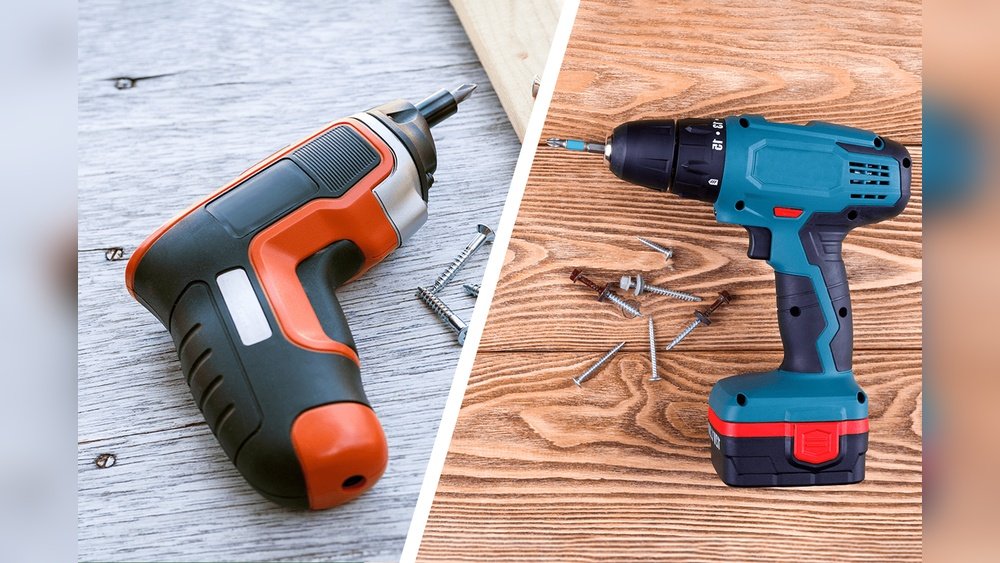
Cordless Screwdriver Vs Drill: Which Tool Should You Choose?
Choosing between a cordless screwdriver and a drill can be confusing, especially if you are not a professional. Both tools look similar, and both help drive screws or make holes. But they are actually designed for different jobs. If you want to buy one, or just want to know how to use them better, understanding their differences is essential. This guide explains everything you need to know, with easy language, real examples, and practical advice.
What Is A Cordless Screwdriver?
A cordless screwdriver is a small, battery-powered tool made for driving screws. It is lightweight, usually fits easily in one hand, and is simple to use even if you are a beginner. Most cordless screwdrivers use a rechargeable battery, often between 3.6V and 7.2V. The main goal is to make screwdriving faster and less tiring than using a manual screwdriver.
Many cordless screwdrivers are compact, so you can use them in tight spaces, like inside cabinets or behind furniture. Some models have adjustable torque settings, which help you avoid over-tightening screws.
What Is A Drill?
A drill is a more powerful tool. It can drive screws, but it is mainly designed to drill holes into materials like wood, plastic, metal, or masonry. Most drills are also cordless today, using rechargeable batteries (often 12V, 18V, or even 20V). Drills usually have more power, more speed settings, and more attachments.
Drills often come with a chuck (the part that holds the bit), which can accept many sizes and types of bits. This makes the drill useful for many tasks, like making holes for shelves, assembling furniture, or mixing paint.
Main Differences Between Cordless Screwdrivers And Drills
Understanding how these tools compare helps you pick the right one for your needs. Here is a side-by-side comparison of the most important differences:
| Feature | Cordless Screwdriver | Drill |
|---|---|---|
| Main Use | Driving screws | Drilling holes and driving screws |
| Power | Low (3.6V–7.2V) | Medium–High (12V–20V+) |
| Size & Weight | Small, lightweight | Larger, heavier |
| Adjustable Chuck | No (uses hex bits) | Yes (accepts many bits) |
| Speed Settings | Few or one | Multiple (variable speed) |
| Torque Control | Often included | Usually present, more powerful |
| Best For | Light screwing tasks | Heavy-duty tasks, drilling |
When To Use A Cordless Screwdriver
A cordless screwdriver is the perfect tool for simple, repetitive tasks that involve only screws. Here are some situations where it shines:
- Assembling flat-pack furniture – These tools are designed to drive many screws quickly and easily.
- Installing cabinet hardware – Their small size fits inside tight spaces and awkward corners.
- Electrical work – Lightweight and easy to control, especially for tasks like installing wall plates or outlets.
- Small repairs around the house – Tightening loose screws in hinges, door handles, or shelves.
A cordless screwdriver is less likely to strip screws because it usually has a lower torque setting. This is important when working with soft wood or delicate materials.
Two Non-obvious Insights
- Battery lasts longer than you think: Because cordless screwdrivers use less power, their battery can last through many small jobs before needing a recharge.
- Less risk of damaging the surface: Lower power means you are less likely to accidentally damage paint, wood, or plastic around the screw.

When To Use A Drill
A drill is a multi-purpose powerhouse. Here are the most common uses:
- Drilling holes in wood, metal, or plastic – Essential for construction, DIY, or home improvement.
- Driving long or large screws – More power and speed make it easy to work with big screws or hard materials.
- Mixing paint or plaster – With the right attachment, a drill can mix liquids or powders.
- Installing wall anchors or shelves – Drills can make holes in drywall, brick, or concrete (when using hammer function).
Drills are heavier, but their extra power allows you to finish tough jobs faster.
Two Non-obvious Insights
- Can act as a screwdriver, but with caution: While drills can drive screws, they often work too fast or with too much force, which can strip screws or damage material if you are not careful.
- Attachment flexibility: Many drills support a wide range of attachments, such as brush heads for cleaning, which makes them more versatile than they first appear.
Pros And Cons: Cordless Screwdriver
Here are the main advantages and disadvantages of cordless screwdrivers:
Advantages
- Lightweight and portable – Easy to carry and use for long periods.
- Simple to operate – Great for beginners or those with limited hand strength.
- Prevents over-tightening – Lower torque helps avoid damaging materials.
Disadvantages
- Limited power – Not suitable for large screws or tough materials.
- Cannot drill holes – Most models cannot use drill bits.
- Fewer attachments – Less flexible than a drill.
Pros And Cons: Drill
Advantages
- High power – Can handle big jobs and tough materials.
- Versatile – Accepts many types of bits and attachments.
- Fast work – Drives screws and drills holes much faster.
Disadvantages
- Heavier and bulkier – May cause fatigue during long use.
- Can damage material if not careful – High power may strip screws or crack wood.
- More expensive – Generally costs more than a cordless screwdriver.
Key Factors To Consider Before Buying
When choosing between a cordless screwdriver and a drill, ask yourself these questions:
- What types of tasks do you do most? If you mainly assemble furniture or do light repairs, a cordless screwdriver may be enough. For drilling holes or heavy-duty work, choose a drill.
- How much power do you need? For simple jobs, less power is fine. For tough materials, more power is better.
- Do you need portability? Cordless screwdrivers are smaller and lighter, which is helpful if you move around a lot.
- What is your budget? Drills usually cost more, especially higher voltage models.
- Are you comfortable with heavier tools? If you have weak wrists or hands, a lighter tool is easier to use.
Here is a quick comparison of popular models:
| Model | Type | Voltage | Weight | Key Feature |
|---|---|---|---|---|
| DeWalt DCF680N1 | Cordless Screwdriver | 8V | 1.1 lbs | Motion-activated control |
| Black+Decker LDX120C | Drill | 20V | 3.4 lbs | 11-position clutch |
| Milwaukee M12 | Cordless Screwdriver | 12V | 1.6 lbs | Battery fuel gauge |
| Bosch PS31-2A | Drill | 12V | 2.1 lbs | Two-speed setting |
Real-life Examples
To make things clearer, let’s look at real situations:
- Building a bookshelf: If your bookshelf comes in a flat-pack with many small screws, a cordless screwdriver is perfect. You will get the job done faster and your hand will not get tired.
- Hanging a heavy mirror on drywall: You need to drill holes for wall anchors. This job needs a drill, as a screwdriver cannot make holes.
- Fixing a kitchen cabinet hinge: A cordless screwdriver easily fits inside the cabinet and lets you tighten the hinge screws quickly.
- Installing a curtain rod in brick: A drill with a hammer setting is required to make holes in brick for the mounting hardware.
Safety Tips
Using power tools is safe if you follow basic rules:
- Always wear safety glasses when drilling, especially into wood, metal, or masonry.
- Check the battery before starting. Weak batteries can cause the tool to slip or stall.
- Use the right bit for the job—never force a bit that does not fit.
- Do not overtighten screws—let the tool do the work.
- Keep your work area clean to avoid accidents or tool damage.
Common Mistakes (and How To Avoid Them)
Many beginners make mistakes when using these tools. Here are some to watch for:
- Using a drill for small screws: Drills can strip or snap small screws if you use too much power. Set the clutch to a low torque or use a screwdriver for delicate work.
- Choosing the wrong bit: Using a Philips bit with a slotted screw head will not work. Match the bit to the screw type.
- Not charging the battery: Always charge your battery before a big project to avoid interruptions.
- Ignoring torque settings: Use lower torque for soft materials and higher for hard materials.
- Forgetting to secure your material: Clamping your workpiece prevents it from spinning or moving while you work.
Environmental Impact
Both cordless screwdrivers and drills use lithium-ion batteries, which are safer and more efficient than older battery types. However, batteries must be recycled properly to avoid pollution. When your tool or battery wears out, take it to a recycling center or follow local rules for safe disposal.
For more information on battery recycling and safe tool use, check the EPA’s recycling page.

Which Tool Is Right For You?
If you are still unsure, here is a summary:
- Choose a cordless screwdriver if you want a light, easy-to-use tool for simple screwdriving jobs.
- Choose a drill if you need power, flexibility, and the ability to drill holes or work with tough materials.
Some people own both—a screwdriver for quick tasks, and a drill for bigger jobs. If you can afford it, this is the best solution. But if you must pick one, let your most common tasks guide you.
Frequently Asked Questions
What Is The Main Difference Between A Cordless Screwdriver And A Drill?
The biggest difference is power and purpose. Cordless screwdrivers are made mainly for driving screws and are less powerful. Drills are more powerful and can make holes in wood, metal, or even concrete, as well as drive screws.
Can A Cordless Screwdriver Drill Holes?
Most cordless screwdrivers cannot drill holes. They are designed for screwdriving only and usually do not support drill bits. A drill is required for making holes in any material.
Is It Safe To Use A Drill For Driving Screws?
Yes, but you must use the right bit and torque setting. Drills can drive screws quickly but can also strip screws or damage material if you use too much force. Always start with a low torque setting and increase only if needed.
How Long Do The Batteries Last In These Tools?
Battery life depends on the tool, battery size, and the type of work. A cordless screwdriver can often last through dozens or even hundreds of screws on a single charge. Drills, because they use more power, usually need to be recharged sooner, especially if drilling into hard materials.
Can I Use The Same Bits For Both Tools?
You can use hex-shank bits in both, but drills accept a wider variety of bits thanks to their adjustable chuck. Cordless screwdrivers often only accept 1/4″ hex bits, which limits your options.
Choosing between a cordless screwdriver and a drill does not have to be hard. Just think about the jobs you need to do, consider the tool’s strengths, and use the advice above. With the right tool in hand, your next project will be faster, easier, and more enjoyable.

As an Amazon Associate, We earn from qualifying purchases