
Many people who work with tools—whether at home or in a professional workshop—have heard the terms Allen key and Allen wrench. Some believe they are different tools, while others use the names interchangeably. This confusion can make it hard for beginners to know what to buy or use for their projects. If you have ever wondered what sets an Allen key apart from an Allen wrench, or if there is any real difference at all, you are not alone.
This article will clear up the confusion by exploring the history, uses, design, and naming of these common tools. We will also compare them side by side, discuss practical tips for choosing and using them, and answer common questions. Whether you are a DIY enthusiast, a mechanic, or just need the right tool for assembling flat-pack furniture, understanding these tools can save you time, money, and frustration.
The Origin Of Allen Key And Allen Wrench
The story of the Allen key and Allen wrench begins in the early 20th century. The Allen Manufacturing Company in Connecticut, USA, patented the hexagonal drive tool we now know as the Allen key in 1910. They branded their product as the “Allen safety set screw,” which led to the tool being called the Allen key or wrench.
The term “Allen” comes from the company’s name, not from a person. The word “key” is more common in British English, while “wrench” is widely used in the United States. Over time, both names spread globally, but the tool itself has stayed almost unchanged in design for over a century.
Today, many people use the terms Allen key and Allen wrench to mean any hex key tool, even if it is made by a different company. Some brands use other names, like hex key, hex wrench, or inbus (in Germany). No matter the name, the tool’s function remains the same: to drive bolts and screws with hexagonal sockets.
What Is An Allen Key?
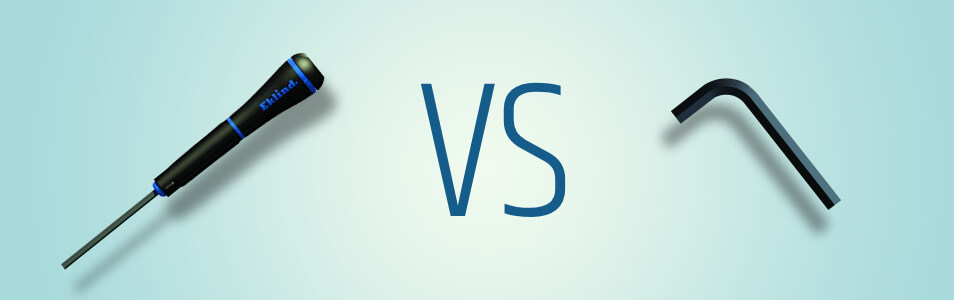
An Allen key is a small, L-shaped tool made from hardened steel. Each arm of the “L” has a hexagonal cross-section that fits tightly into the matching socket on a screw or bolt head. The longer arm gives extra leverage, while the shorter arm allows for use in tight spaces.
Allen keys come in many sizes, from tiny 0. 7 mm keys for electronics to large 10 mm keys for industrial work. The most common metric and imperial (inch) sizes are usually sold as a set.
Key features of Allen keys:
- L-shaped design: Offers two lever options for force and reach.
- Hexagonal tip: Fits into a hex socket, reducing the risk of stripping screws.
- No moving parts: Simple, reliable, and long-lasting.
The Allen key is popular in many industries, such as furniture assembly, automotive repair, and bicycle maintenance. Its compact size and simple shape make it easy to store and carry.
What Is An Allen Wrench?
An Allen wrench is simply another name for the Allen key. In the United States, “wrench” is the more common word for hand tools that turn bolts and screws. When Americans say Allen wrench, they are referring to the same L-shaped hex tool.
Sometimes, Allen wrenches come in different forms, like T-handle wrenches or folding multi-tools, but the working end is always a hex key. Whether you call it a key or a wrench, the function is identical: to turn hexagonal socket fasteners.
Popular forms of Allen wrenches:
- L-shaped: The classic, most common form.
- T-handle: Has a comfortable grip for more force.
- Folding sets: Several keys fold out from a handle, like a pocketknife.
- Ball-end: Allows the tool to turn screws at an angle, useful for hard-to-reach places.
Allen Key Vs Allen Wrench: Is There Any Real Difference?
Many people ask if there is a true difference between an Allen key and an Allen wrench. The answer is simple: There is no functional difference. They are two names for the same tool. The distinction comes only from language and regional preference.
Let’s look at their comparison in a clear way.
| Feature | Allen Key | Allen Wrench |
|---|---|---|
| Region of Use | UK, Europe, Asia | USA, Canada |
| Tool Design | L-shaped hex tool | L-shaped hex tool |
| Function | Turn hex socket fasteners | Turn hex socket fasteners |
| Alternate Names | Hex key, Inbus | Hex wrench, Hex key |
| Material | Hardened steel | Hardened steel |
The only real difference is the name. If you walk into a hardware store in the US and ask for an Allen key, you will get the same tool as if you asked for an Allen wrench in the UK.

Where Are Allen Keys Or Allen Wrenches Used?
These tools are very common in many industries and everyday products. Here are some examples of where you will find them:
- Furniture assembly: Most flat-pack furniture uses hex socket screws for easy assembly.
- Bicycle maintenance: Many bike parts, like seat posts and brakes, use hex bolts.
- Automotive repair: Mechanics use Allen keys for engine parts and interior fittings.
- Electronics: Small hex screws secure circuit boards and cases.
- Machinery: Industrial machines often use hex fasteners for safety and strength.
- Musical instruments: Guitars and drums have adjustment screws that fit Allen keys.
Some industries use hex fasteners because they are less likely to slip or strip. The hex shape also allows for more torque (turning force) than a simple flat or Phillips screw.
Common Types And Variations
Not all Allen keys or wrenches are made the same. While the classic L-shape is most common, some variations are designed for special uses.
Standard L-shaped
The most familiar type, usually sold in sets. Good for most tasks and easy to store.
T-handle
These have a plastic or rubber handle shaped like a “T”. They give more comfort and force, making it easier to turn tight bolts.
Ball-end
A ball-shaped tip lets you turn a screw even if the tool is not perfectly straight. This is useful in tight spaces or awkward angles.
Folding Sets
Several keys fold out from a holder, like a Swiss Army knife. They are easy to carry and keep all sizes together.
Extra-long
These have a longer arm for reaching deep or hard-to-access screws.
Color-coded
Some sets use colored handles or tips to make it easy to pick the right size quickly.
Here is a look at how some of these types compare:
| Type | Main Benefit | Common Use |
|---|---|---|
| Standard L-shaped | Simple, compact | General use, home kits |
| T-handle | Comfort, more torque | Bicycle, mechanical work |
| Ball-end | Works at angles | Hard-to-reach screws |
| Folding set | Portable, organized | On-the-go repairs |
| Extra-long | Deep reach | Industrial, automotive |
How To Choose The Right Allen Key/wrench Set
If you are buying your first Allen key or wrench set, it is important to consider a few key factors:
- Size Range: Make sure the set has both metric and imperial sizes. Some screws use millimeters, others use inches.
- Material Quality: Look for chrome vanadium or hardened steel. Cheap tools can bend or snap.
- Type: Decide if you want L-shaped, T-handle, or a folding set. Each has pros and cons.
- Ball-end or Straight: Ball-end versions are handy for tricky angles.
- Storage: Sets with holders or pouches keep tools organized.
- Brand Reputation: Choose brands with good reviews or recommendations.
A common mistake is buying a single size, only to find that screws come in many sizes. A complete set saves time and frustration.
Practical Tips For Using Allen Keys And Wrenches
Using these tools is simple, but a few tips will help you get the best results and avoid problems:
- Fit matters: Always use the exact size key. If it is too small, you can strip the screw.
- Insert fully: Make sure the tool is fully in the screw before turning.
- Apply steady pressure: Turn smoothly to avoid damaging the screw or tool.
- Keep clean: Dirt or rust in the screw head can stop the tool from fitting properly.
- Replace worn tools: Old or damaged keys can slip and damage screws.
A non-obvious tip: If you are working with very tight bolts, a T-handle or a key with a longer arm gives you more leverage. But be careful—not all screws can handle high force without breaking.
Another detail beginners miss: Ball-end keys are great for awkward angles, but they are weaker than flat ends. Use them only for light tightening or loosening.
Allen Key And Allen Wrench In Professional Use
Professionals in industries like aviation, robotics, and medical device manufacturing rely on high-precision Allen keys. In these fields, using the wrong size or a worn tool can cause expensive damage or even safety risks.
Some high-end Allen keys are made with special coatings to resist rust, or are designed with ergonomic handles for frequent use. While these premium tools cost more, they pay off in durability and user comfort.
For critical applications, some technicians use torque wrenches with hex bits to ensure each screw is tightened to the exact required force.
Allen Key Vs Hex Key Vs Hex Wrench
You might also see the terms hex key or hex wrench. These are generic names for any L-shaped tool with a hexagonal tip. “Hex” means six-sided. Allen key/wrench is a brand name that became popular, much like “Kleenex” for tissues.
All Allen keys are hex keys, but not all hex keys are officially “Allen” brand. Some high-quality hex keys may not use the Allen name at all.

Environmental Impact And Recycling
Allen keys and wrenches are made mostly from steel, which is recyclable. If your old tools are bent, rusted, or broken, you can take them to a metal recycling center. This reduces waste and helps the environment.
Some manufacturers use recycled steel to make new tools, lowering the carbon footprint. If you want to be eco-friendly, look for brands that promote sustainable practices.
Prices And Availability
Allen keys and wrenches are among the most affordable tools you can buy. A basic set of 9 or 10 keys often costs less than $10. Professional-grade sets with extra features may cost $30 or more.
You can find them at hardware stores, online retailers, and even in some supermarkets. If you need to learn more about their history or types, the Wikipedia page on hex keys is a reliable source.
Frequently Asked Questions
What Is The Main Difference Between An Allen Key And An Allen Wrench?
There is no functional difference between an Allen key and an Allen wrench. The names are regional. Both are L-shaped tools used for hex socket screws.
Why Do Some Screws Require Allen Keys Instead Of Regular Screwdrivers?
Hex socket screws offer a better grip and allow for more torque than flat or Phillips screws. This makes them ideal for furniture, bikes, and machines.
Can I Use A Metric Allen Key On An Imperial Screw (or Vice Versa)?
It is not recommended. Even small size differences can strip the screw or damage the tool. Always match metric to metric and imperial to imperial.
How Do I Avoid Stripping Screws With An Allen Key Or Wrench?
Use the correct size, insert the tool fully, and turn smoothly. Avoid using worn or damaged tools. If a screw feels stuck, add a drop of lubricant first.
Are Expensive Allen Key Sets Worth It?
For most home users, a basic set is enough. Professionals or frequent users may benefit from higher-quality sets that last longer and are more comfortable to use.
Choosing between an Allen key and an Allen wrench is really about language, not tool type. Understanding this small detail can help you shop confidently, use your tools correctly, and get the best results for any project. Whether you are building a bookshelf or repairing a bike, this humble tool is a must-have for every toolbox.
As an Amazon Associate, We earn from qualifying purchases