
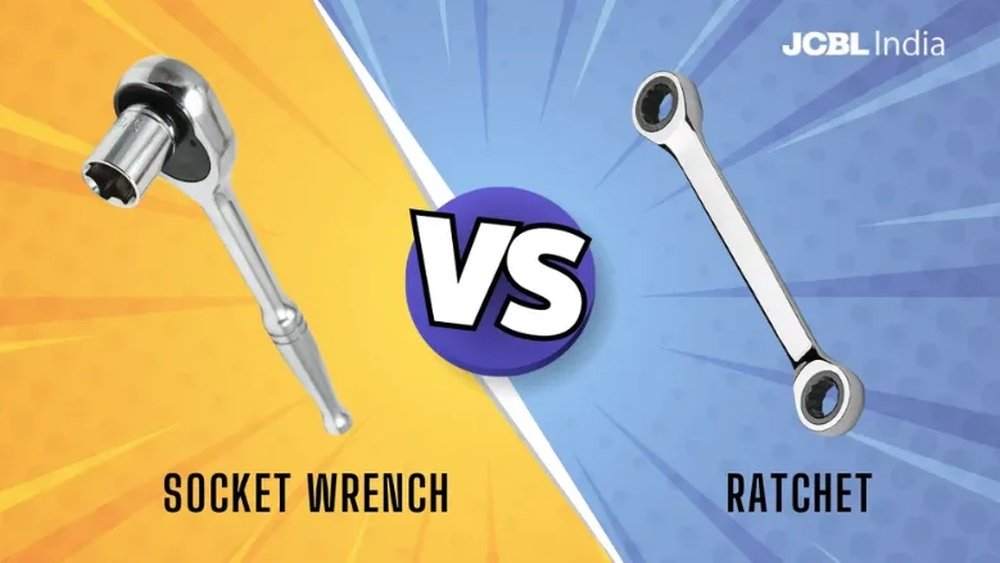
When you open a toolbox, you might see tools that look similar but work in different ways. Two of the most common are the socket wrench and the ratchet. They both help turn nuts and bolts, but many people confuse them or wonder what really sets them apart. If you want to work on cars, bikes, or do home repairs, understanding these tools can save you time and effort—and even prevent damage to your projects. Let’s break down the real differences, uses, and how you can choose the right one for your needs.
What Is A Socket Wrench?
A socket wrench is a hand tool used to turn fasteners like nuts and bolts. It has a handle and a tool head where you attach a socket—a metal sleeve that fits over the fastener. The main benefit of this tool is that it gives you better grip and more force than a regular wrench.
Socket wrenches come in various sizes and types. Some are simple, with a fixed handle, while others have a feature called a ratcheting mechanism. This allows the tool to turn the fastener in one direction while moving freely in the other, so you don’t have to lift and reposition the tool every time.
A basic socket wrench without a ratcheting feature is sometimes called a T-handle or a breaker bar. It’s mainly used when you need strong leverage to loosen tight bolts.
What Is A Ratchet?
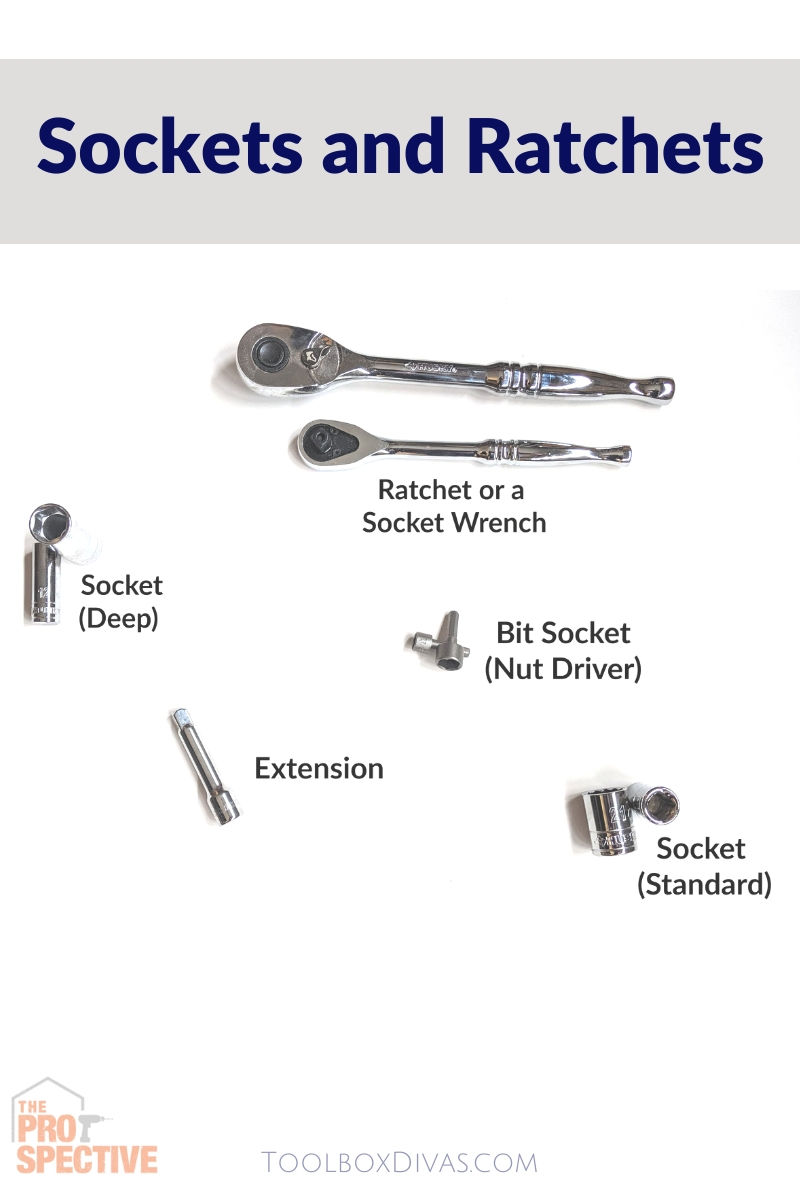
A ratchet is actually a type of socket wrench, but not all socket wrenches are ratchets. The key feature is the ratcheting mechanism inside the handle. When you attach a socket to a ratchet, you can turn a nut or bolt in one direction and then swing the handle back without removing the socket from the fastener. This makes it much faster and easier to work in tight spaces.
Ratchets usually have a switch to change the direction (tighten or loosen). They come in different drive sizes (like 1/4″, 3/8″, and 1/2″), which match the size of the sockets you use.
Key Parts Of A Ratchet
- Handle: Where you hold and apply force.
- Ratchet head: Contains the gear and direction switch.
- Drive square: Where the socket attaches.
- Direction lever: Lets you switch between tightening and loosening.
Core Differences: Socket Wrench Vs Ratchet
Many people think these tools are the same, but there are clear differences. Here’s a closer look:
| Feature | Socket Wrench | Ratchet |
|---|---|---|
| Main Use | Turning fasteners with leverage | Turning fasteners quickly, especially in tight spaces |
| Mechanism | Simple, no moving parts (unless ratcheting) | Has a ratcheting gear for one-way movement |
| Speed | Slower, must reposition after each turn | Faster, no need to lift off fastener |
| Versatility | Great for high-torque jobs | Ideal for repetitive or tight-space work |
| Common Types | Breaker bar, T-handle | Standard, flex-head, stubby |
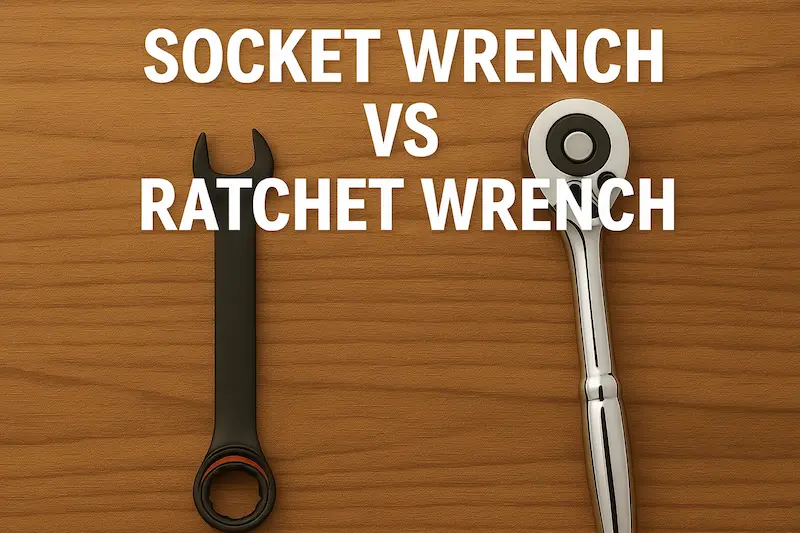
One thing beginners often miss: while a ratchet is a type of socket wrench, not all socket wrenches have a ratcheting feature. Also, a breaker bar (a long socket wrench) gives you more torque but cannot ratchet at all.
Types Of Socket Wrenches And Ratchets
Both tools come in several designs. Knowing these types helps you pick the right one for your task.
Socket Wrench Types
- Standard Socket Wrench: Simple handle with a drive for sockets. No ratchet.
- Breaker Bar: Long handle for maximum torque. Used to loosen very tight bolts.
- Speed Handle: Crank-shaped for quickly spinning fasteners by hand.
- Flex Handle: Has a joint for working around obstacles.
Ratchet Types
- Standard Ratchet: Most common, with a straight handle.
- Flex-Head Ratchet: Head pivots for hard-to-reach areas.
- Stubby Ratchet: Short handle for tight spaces.
- Extendable Ratchet: Handle length adjusts for more leverage.
Here’s a quick comparison of popular ratchet types:
| Ratchet Type | Best Use | Drawback |
|---|---|---|
| Standard | General tasks | Limited reach |
| Flex-Head | Working around obstacles | Can be less strong |
| Stubby | Very tight spaces | Less leverage |
| Extendable | Extra torque when needed | Heavier and more expensive |
Practical Uses And Best Situations
Choosing between a socket wrench and a ratchet depends on the job. Here are examples to help you understand when each tool shines:
When To Use A Socket Wrench
- Breaking loose stubborn bolts: The long handle of a breaker bar lets you apply more force.
- High-torque jobs: Like removing lug nuts from car wheels.
- Precision turning: When you need control instead of speed.
When To Use A Ratchet
- Working in confined spaces: Like inside an engine bay where you can’t swing a full wrench.
- Repetitive tasks: Such as assembling furniture with many bolts.
- Speeding up work: No need to remove the tool after each turn, saving time.
A non-obvious insight: Many professionals start with a breaker bar to loosen bolts, then switch to a ratchet to finish the job quickly. This combination gives you both power and speed.
Advantages And Disadvantages
Let’s look at what each tool does best, and where they might let you down.
Socket Wrench Advantages
- Maximum leverage: The long handle gives more turning force.
- Simple construction: Fewer moving parts mean less can break.
- Better for stuck bolts: Less risk of damaging the ratcheting mechanism.
Socket Wrench Disadvantages
- Slower: Must reposition after each turn.
- Harder in tight spaces: Needs more room to swing the handle.
Ratchet Advantages
- Faster operation: Great for tasks with many fasteners.
- Easy to use in tight spots: Can turn with small handle movements.
- Direction switch: Simple to change from tightening to loosening.
Ratchet Disadvantages
- Less torque: Handle is often shorter, so less power for stubborn bolts.
- More complex: The mechanism can wear out or break over time.
- Not ideal for high force: Risk of stripping the internal gear if overloaded.
Key Features To Consider When Choosing
If you’re shopping for a tool or building your toolkit, here are the most important factors:
- Drive Size: The most common are 1/4″, 3/8″, and 1/2″. Small sizes are good for light tasks; larger sizes are better for tough jobs.
- Handle Length: Longer handles mean more torque but less room to maneuver.
- Build Quality: Look for tools made from chrome vanadium steel or similar tough metals.
- Tooth Count (for ratchets): Higher tooth count (like 72 or 90) means smoother operation, especially in tight spaces.
- Socket Compatibility: Make sure the sockets fit the drive size of your ratchet or wrench.
- Warranty: Good tools often come with a lifetime warranty.
A practical tip: If you work on cars, consider having both a breaker bar (socket wrench) and a high-quality ratchet. This gives you the flexibility to handle almost any job.
Common Mistakes To Avoid
Many beginners make errors that can damage tools or slow down their work. Here are mistakes to watch out for:
- Using a ratchet for high-torque jobs: This can break the ratchet mechanism.
- Forcing a socket onto the wrong size fastener: This can strip the bolt or damage the socket.
- Not switching direction on the ratchet: Trying to turn in the wrong direction wastes time and can round off bolts.
- Ignoring maintenance: Ratchets need occasional lubrication to stay smooth.
- Over-tightening with a ratchet: Use a torque wrench when precise tightness is required.
How To Maintain Your Socket Wrench And Ratchet
With the right care, these tools can last for decades. Here’s how:
- Clean after use: Wipe off dirt, oil, and moisture.
- Lubricate the ratchet: A drop of light oil in the ratchet head keeps it working smoothly.
- Store in a dry place: Prevents rust.
- Inspect for wear: Check for cracks or worn teeth.
- Don’t use as a hammer: Striking with your tools can ruin their accuracy.
An often-overlooked tip: If your ratchet feels rough, try cleaning and oiling it before thinking about a replacement. This simple step often restores smooth movement.
Cost Comparison And Value
Socket wrenches and ratchets can range from budget to professional prices. Here’s a general guide:
| Tool Type | Entry-Level Price | Professional Price |
|---|---|---|
| Socket Wrench (non-ratcheting) | $10–$20 | $40–$100 |
| Ratchet | $15–$30 | $50–$150 |
High-quality tools last longer and are safer to use. However, for basic home repairs, entry-level tools are often enough.
Which Tool Should You Buy First?
If you’re building your first toolkit, a ratchet with a set of sockets is usually the best start. It covers most everyday needs and is much faster for general work. But if you plan to work on cars or heavy machinery, add a breaker bar or solid socket wrench for tough bolts.
A smart approach: Buy tools as you need them. Start simple, and upgrade as your skills and projects grow.
Frequently Asked Questions
What Is The Main Difference Between A Socket Wrench And A Ratchet?
The main difference is that a socket wrench is any tool that uses sockets to turn nuts and bolts, while a ratchet is a type of socket wrench with a gear mechanism. The ratchet lets you turn fasteners in one direction without lifting the tool after each turn.
Can I Use Sockets From My Ratchet Set On A Regular Socket Wrench?
Yes, as long as the drive size matches. Most sockets are designed to fit both ratchets and non-ratcheting socket wrenches of the same size.
Is It Safe To Use A Ratchet For Loosening Very Tight Bolts?
It’s better to use a breaker bar or non-ratcheting socket wrench for tight bolts. Using a ratchet for high-torque jobs can damage the gear mechanism inside.
How Do I Know What Size Ratchet Or Socket Wrench To Use?
Choose the drive size based on your task. 1/4″ is for small jobs, 3/8″ for general use, and 1/2″ for heavy-duty work. Also, match the socket size to the fastener.
Where Can I Learn More About Hand Tools And Their Uses?
A good resource is the Wikipedia page on socket wrenches, which covers tool types, history, and practical tips.
Understanding the real differences between a socket wrench and a ratchet helps you work faster, safer, and more confidently. Whether you’re fixing a bike or starting a car repair, picking the right tool makes all the difference. Start with the basics, learn from experience, and your toolbox will soon become your best helper.

As an Amazon Associate, We earn from qualifying purchases