
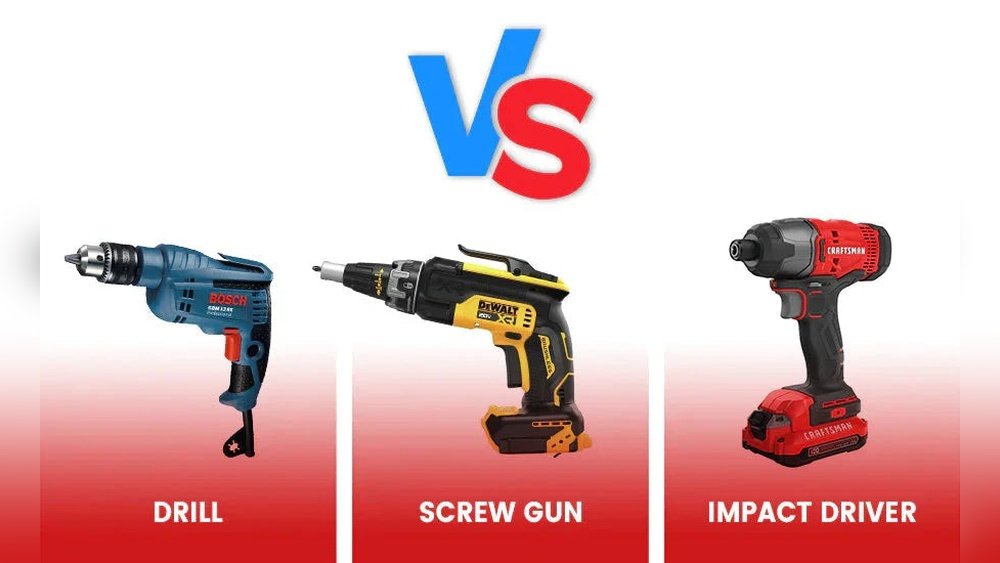
Choosing between an impact driver and a screwdriver may seem simple, but the differences between these tools can change the outcome of your project. Many people think all you need to drive screws is a basic screwdriver, but power tools like impact drivers have transformed the way professionals and hobbyists work.
Whether you’re assembling furniture, fixing a fence, or tackling a large construction job, knowing which tool to use can save time, effort, and even prevent damage. This article will explore the features, uses, pros, and cons of both impact drivers and screwdrivers, helping you make smart choices for your next DIY or professional project.
What Is A Screwdriver?
A screwdriver is a hand tool designed to turn screws. You probably have at least a few in your toolbox. They come in many types, including flathead (slotted), Phillips, Torx, and more. The main parts are the handle, shaft, and tip that fits into the screw head.
Types Of Screwdrivers
- Manual Screwdriver – The classic style, powered by your hand.
- Ratcheting Screwdriver – Allows fast turning without removing your hand from the handle.
- Electric Screwdriver – Battery-powered, quicker than manual, but less powerful than drills or impact drivers.
Screwdrivers are perfect for small jobs, detail work, and delicate materials. They give you full control, which is important when you don’t want to strip screws or damage soft surfaces.
What Is An Impact Driver?
An impact driver is a power tool that looks similar to a cordless drill but works differently. It uses a combination of rotational force and quick, strong bursts called “impacts” to drive screws and bolts with much more power.
How Does An Impact Driver Work?
Inside the tool, a spring-loaded hammer and anvil mechanism delivers rapid bursts of torque. This makes it easy to drive long screws or tough fasteners into hard materials like wood, metal, or masonry. Most impact drivers are cordless and use rechargeable batteries.
Main Features Of Impact Drivers
- Higher torque output than standard drills or screwdrivers
- Quick-release hex chuck for fast bit changes
- Compact size for getting into tight spaces
- Variable speed trigger for better control
Key Differences: Impact Driver Vs Screwdriver
To clearly see how these tools compare, here’s a side-by-side look at their most important differences:
| Feature | Impact Driver | Screwdriver |
|---|---|---|
| Power Source | Battery/Electric | Manual/Battery (rare) |
| Torque Output | High (up to 2,000 in-lbs) | Low (limited by hand strength) |
| Speed | Fast | Slow to Moderate |
| Best For | Heavy-duty, repetitive work | Precision, light tasks |
| Control | Less precise, more power | Very precise, less power |
| Noise Level | Loud (impact noise) | Quiet |
| Bit Compatibility | 1/4″ hex shank bits | Various shapes |
When To Use An Impact Driver
Impact drivers are best for projects where you need to drive many screws or long fasteners into tough materials. Here are some scenarios where an impact driver is the smart choice:
- Building decks or fences – Driving hundreds of large screws into wood.
- Installing drywall – Fastening screws into studs quickly.
- Working with lag bolts – Handling big, thick screws that are difficult to turn by hand.
- Automotive repairs – Loosening stubborn bolts and nuts (with the right bit).
The high torque and speed mean you can work faster and with less fatigue. However, impact drivers are not ideal for delicate work or small screws, as they can overdrive and strip them.
When To Use A Screwdriver
A screwdriver shines in situations where control and precision are more important than speed or power. Some examples:
- Assembling electronics – Tightening small screws in computers or phones.
- Furniture assembly – Working with particleboard or soft wood where too much torque could split the material.
- Electrical work – Installing outlets, switches, or light fixtures.
- Fine woodworking – Fitting hardware in cabinets or small boxes.
Manual screwdrivers give you the feedback you need to avoid damaging materials or stripping screw heads. They’re also great for tight spaces where power tools can’t fit.
Advantages And Disadvantages
Understanding the pros and cons of each tool helps you choose the right one for each job.
Impact Driver: Pros
- Saves time on big projects
- Reduces hand fatigue for repetitive work
- Delivers high torque for tough fasteners
- Compact design fits in tight spaces
Impact Driver: Cons
- Noisy during operation
- Risk of overdriving or stripping screws
- Limited precision for delicate tasks
- Requires batteries and charging
Screwdriver: Pros
- Maximum control over screw depth
- No risk of overdriving or stripping
- Silent and safe for all environments
- No power needed
Screwdriver: Cons
- Slow for large projects
- Requires more effort for long or tough screws
- Limited torque (can’t handle big bolts)
- Can cause hand fatigue over time

Impact Driver Vs Screwdriver: Which One For Your Project?
Let’s look at some common situations and which tool is most suitable.
| Task | Best Tool | Reason |
|---|---|---|
| Deck Construction | Impact Driver | Handles long screws and repetitive work fast |
| Assembling Eyeglasses | Screwdriver | Precision needed, very small screws |
| Furniture Assembly (IKEA) | Screwdriver | Soft materials, better control to prevent damage |
| Automotive Repairs (stuck bolts) | Impact Driver | High torque needed for stubborn fasteners |
| Installing Door Hinges | Both | Start with impact driver, finish with screwdriver for final adjustment |
Real-world Examples And Insights
Most beginners miss a few key details when choosing between these tools:
- Overdriving risks: Impact drivers can easily drive a screw too far into soft wood or drywall. If you’re not careful, you can split the wood or strip the screw head. Using a clutch or practicing with scrap material can help.
- Bit compatibility: Impact drivers need special impact-rated bits. Standard screwdriver bits can break due to the high torque. Always check that your bits are rated for impact use.
- Manual screwdrivers have their limits: While you might feel more “in control” with a hand tool, tired hands can slip, leading to stripped screw heads. If you’re working with dozens of screws, consider a power tool to avoid mistakes from fatigue.
Cost, Maintenance, And Longevity
Price Difference
- Screwdrivers: A basic set can cost as little as $10–$20. Specialty models (ratcheting, insulated) can be higher, but are still affordable.
- Impact Drivers: Prices start around $60 for entry-level models, but professional cordless kits can cost $150 or more, especially when you add batteries and chargers.
Maintenance
- Screwdrivers: Wipe clean and store dry. Replace worn tips.
- Impact Drivers: Keep battery charged, check for loose parts, and use only impact-rated bits. Occasionally clean vents to prevent overheating.
Durability
A well-made screwdriver can last decades. Impact drivers, with moving parts and electronics, may need repairs or battery replacements after a few years, depending on use.
Safety Tips
Using these tools safely is critical, especially when working with power.
- Wear safety glasses when using an impact driver; flying debris is common.
- Use the right bit for the screw and material.
- Don’t force the tool; let the machine do the work.
- Check for wires or pipes before driving screws into walls.
Environmental Impact
Manual screwdrivers have a smaller environmental footprint. They need no electricity and last a long time. Impact drivers use batteries that eventually wear out and require careful disposal. If you use an impact driver, choose rechargeable batteries and recycle them responsibly.
New Innovations
Some of the latest impact drivers now have electronic torque controls and brushless motors for higher efficiency. There are even smart screwdrivers that use sensors to prevent overdriving. These advances help bridge the gap between power and control, making both tools more versatile.

Frequently Asked Questions
What Is The Main Difference Between An Impact Driver And A Screwdriver?
The main difference is power. An impact driver uses a motor to deliver high torque and quick bursts, making it ideal for tough tasks. A screwdriver is hand-powered and best for small, precise jobs.
Can I Use An Impact Driver For All Screws?
While you can use an impact driver for many types of screws, it’s not ideal for small or delicate screws. It can easily strip them or damage soft materials. Use the right tool for the screw size and material.
Do I Need Special Bits For An Impact Driver?
Yes, always use impact-rated bits with an impact driver. Standard bits can break due to the tool’s powerful impacts. Look for bits labeled as “impact ready” or “impact rated.”
Which Tool Is Better For Beginners?
For most home projects, a screwdriver is better for beginners because it’s simple, safe, and gives full control. As you gain experience, you may add an impact driver for bigger or repetitive jobs.
How Do I Know When To Stop Driving A Screw?
With a screwdriver, you’ll feel when the screw is tight enough. With an impact driver, it’s easy to overdrive. Practice on scrap material and use a gentle touch near the end. Some impact drivers have adjustable torque settings for extra control.
If you want to learn more about the mechanics and science of these tools, check out this Wikipedia article on impact drivers.
Making the right choice between an impact driver and a screwdriver depends on your project, materials, and skill level. By understanding the differences and using each tool’s strengths, you’ll get better results, save time, and avoid common mistakes. Always remember: the best tool is the one that makes your work easier, safer, and more enjoyable.
As an Amazon Associate, We earn from qualifying purchases