
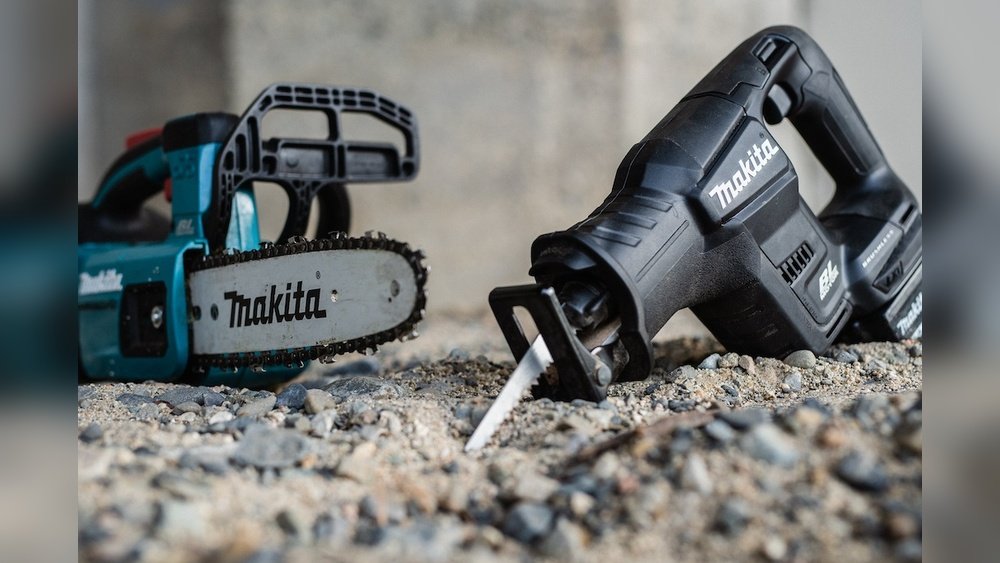
If you have ever tackled a home improvement project or needed to cut through tough material, you may have wondered whether to use a Sawzall or a chainsaw. Both are powerful tools designed for cutting, but they are built for different jobs. Using the wrong one can make your work harder, increase safety risks, and even damage the material you are working on. Understanding the differences between these two tools helps you choose the best one for your project, work more efficiently, and stay safe.
Many people think Sawzalls (a brand name often used for reciprocating saws) and chainsaws do the same thing: cut wood or other hard materials. But their design, power, and purpose are very different. Knowing when to use each tool, and why, can save you time and money. In this article, you’ll learn how Sawzalls and chainsaws compare in terms of performance, safety, cost, and more. You’ll also find real-world examples, expert tips, and answers to common questions that beginners often miss.
What Is A Sawzall?
A Sawzall is a type of reciprocating saw, originally invented by Milwaukee Tool. Over time, the name “Sawzall” became a common term for all reciprocating saws, much like “Kleenex” for tissues. These saws have a straight blade that moves back and forth quickly, cutting through various materials.
Sawzalls are used mainly for demolition, remodeling, and plumbing work. They are known for their versatility—you can use different blades for wood, metal, or even plastic. Most Sawzalls are electric (corded or cordless), making them portable and easy to maneuver in tight spaces.
Key Features Of Sawzalls
- Blade length: Usually 6–12 inches
- Weight: 5–10 pounds
- Power source: Corded (110–120V) or battery-powered (12V–60V)
- Variable speed: Allows more control for different materials
- Quick blade change: Most modern Sawzalls let you change blades in seconds
Typical Uses
- Cutting wood, metal pipes, nails, drywall, and plastic
- Demolition of walls, roofs, and floors
- Pruning small tree branches (with the right blade)
- Making rough cuts where precision is not critical
What Is A Chainsaw?
A chainsaw is a tool with a rotating chain fitted with sharp teeth. The chain runs around a long bar, driven by a gas engine or electric motor. Chainsaws are best known for cutting trees, logs, and large branches, but they are also used in construction for cutting large beams and even ice.
Chainsaws are more specialized than Sawzalls. They are designed for outdoor work and can make fast cuts through thick, solid wood. However, they are heavier, louder, and require more safety precautions.
Key Features Of Chainsaws
- Bar length: Typically 12–36 inches (most common for home use: 14–18 inches)
- Weight: 7–20 pounds
- Power source: Gasoline, corded electric, or battery-powered
- Chain speed: Fast cutting for thick wood
- Chain brake: Safety feature to stop the chain quickly
Typical Uses
- Felling trees and cutting logs
- Pruning large branches
- Cutting firewood
- Storm cleanup
- Shaping or trimming large wooden beams
Sawzall Vs Chainsaw: Core Differences
To make the right choice, you need to know how these tools differ in important ways. Here’s a side-by-side look at their main features:
| Feature | Sawzall | Chainsaw |
|---|---|---|
| Cutting action | Back-and-forth (reciprocating blade) | Rotating chain on bar |
| Best for | Demolition, metal, plastic, small branches | Trees, logs, thick wood |
| Power | Lower (for precision and control) | Higher (for speed and force) |
| Safety | Generally safer, less kickback | Higher risk, serious kickback |
| Blade/Chain replacement | Quick and cheap | More complex, costlier |
| Portability | Lightweight, easy to carry | Heavier, less portable |
Performance Comparison
When it comes to performance, the right tool depends on the material and the job. Let’s break down how Sawzalls and chainsaws perform in typical situations:
Cutting Wood
- Sawzall: Great for cutting small branches, wood studs, or planks. Not ideal for cutting through thick logs or large tree trunks.
- Chainsaw: Designed for heavy-duty wood cutting. Can handle large logs, branches, and even tree felling with ease.
Cutting Metal And Non-wood Materials
- Sawzall: Very effective. With the right blade, you can cut steel pipes, nails, rebar, and even sheet metal.
- Chainsaw: Not suitable. Chainsaws are dangerous and ineffective for metal or plastic.
Precision And Control
- Sawzall: Offers more control, especially in tight spaces or when making flush cuts.
- Chainsaw: Harder to control for precise cuts, especially on small or delicate material.
Speed
- Sawzall: Fast for demolition and small jobs, but slower for thick wood.
- Chainsaw: Extremely fast for cutting large wood pieces.
Real-world Example
Imagine you are remodeling a bathroom and need to cut through old pipes, drywall, and wooden studs. A Sawzall is your best choice. But if you need to cut down a fallen tree after a storm, a chainsaw is what you need.
Safety Considerations
Safety is a key difference between Sawzalls and chainsaws. Many beginners underestimate the risks, especially with chainsaws. Here are the main safety issues you need to know:
Sawzall Safety
- Less risk of kickback: The back-and-forth motion reduces the chance of the tool jumping.
- Safer for indoor use: Less noise, less mess.
- Always wear safety glasses: Blades can break or send debris flying.
- Use two hands: For better control and to avoid slips.
Chainsaw Safety
- High risk of kickback: The chain can catch and cause the tool to jerk violently.
- Protective gear is essential: Always wear chainsaw chaps, gloves, helmet, and eye protection.
- No indoor use: Chainsaws are not safe or practical indoors.
- Never cut above shoulder height: This increases the risk of losing control.
Non-obvious insight: Many accidents happen when people use a chainsaw for small jobs they could do with a Sawzall. Always use the tool designed for the task.
Cost And Maintenance
Cost is often a deciding factor. Both the price and maintenance needs are different for these tools.
Tool Cost
- Sawzall: Basic models start around $60–$100 for corded, $120–$250 for cordless kits.
- Chainsaw: Electric models start around $80, but gas-powered saws for serious work often cost $200–$500 or more.
Accessories And Consumables
- Sawzall blades: $2–$15 each, depending on material and quality.
- Chainsaw chains and bars: $20–$40 for a chain, $30–$70 for a replacement bar.
Maintenance
- Sawzall: Little maintenance. Keep clean, change blades as needed, and check the battery if cordless.
- Chainsaw: Needs regular chain sharpening, bar oil, fuel mixing (for gas models), and cleaning.
Longevity
A well-maintained chainsaw can last many years, but only if you sharpen the chain and keep it oiled. Sawzalls last a long time, too, since you can easily replace blades.
Non-obvious insight: Many DIYers forget about the cost of consumables, especially with chainsaws. Dull chains cut slowly and are dangerous, so sharpening or replacing them is an ongoing cost.

Which Tool Should You Choose?
The answer depends on what you need to cut, where you are working, and your experience level.
- Choose a Sawzall if you need to cut a mix of materials, work indoors, or want more control for demolition tasks.
- Choose a chainsaw if you need to cut thick wood, fell trees, or process firewood outside.
Some jobs can use either tool, but using the right one will make your work safer and faster.
Pros And Cons
Here’s a quick summary of the main advantages and disadvantages of each tool:
| Sawzall | Chainsaw | |
|---|---|---|
| Pros |
|
|
| Cons |
|
|

Practical Tips For Beginners
- Start with the right tool for the job. Don’t use a chainsaw for metal or a Sawzall for thick logs.
- Buy quality blades and chains. Cheap blades dull quickly and make cutting harder.
- Practice on scrap material first. This helps you get used to the feel of the tool.
- Read the manual. Each tool has unique safety and maintenance instructions.
- Check local safety rules. Some areas restrict chainsaw use due to noise or fire risk.
Environmental Impact
- Sawzall: Electric models have a low environmental impact. Battery disposal can be an issue, but modern batteries are getting greener.
- Chainsaw: Gas-powered chainsaws produce emissions and are noisy. Electric chainsaws are cleaner but less powerful.
For more on tool safety and comparison, see the Wikipedia article on reciprocating saws.
Frequently Asked Questions
What Is The Main Difference Between A Sawzall And A Chainsaw?
The main difference is the cutting mechanism. A Sawzall uses a straight, reciprocating blade for cutting various materials, while a chainsaw uses a rotating chain for fast cutting through thick wood.
Can I Use A Sawzall To Cut Down A Tree?
You can cut small branches or thin trunks with a Sawzall, but it is not designed for felling trees. For anything larger than 4–5 inches thick, a chainsaw is much more effective and safer.
Is A Chainsaw More Dangerous Than A Sawzall?
Yes, chainsaws carry a higher risk of serious injury due to kickback and the power of the rotating chain. Always wear protective gear and follow safety instructions when using a chainsaw.
Do I Need Special Blades For My Sawzall?
Yes, you should use different blades for wood, metal, or plastic. Using the wrong blade can cause poor cuts and damage the tool.
Which Tool Is Better For Demolition Work?
A Sawzall is usually better for demolition, especially indoors or when you need to cut through a variety of materials (wood, nails, pipes). It is more versatile and safer for these tasks.
Choosing between a Sawzall and a chainsaw comes down to the job you need to do. If you understand the strengths and limitations of each tool, you’ll get better results, stay safer, and avoid wasting time or money.
As an Amazon Associate, We earn from qualifying purchases